How to Reset the Flat Tire Warning on Infiniti QX50
Resetting the flat tire warning on your Infiniti QX50 is a simple process you can do at home in just a few minutes. This guide walks you through the exact steps to clear the tire pressure monitoring system light after you fix the underlying issue. Whether your warning came from a slow leak, temperature change, or a faulty sensor, you will learn how to get your dashboard back to normal and keep your QX50 running safely.
There is nothing quite like the sinking feeling when a warning light pops up on your dashboard while you are driving your Infiniti QX50. The flat tire warning is one of those alerts that can catch anyone off guard. It flashes on the dashboard, and suddenly you are wondering what went wrong and how to fix it. The good news is that resetting the flat tire warning on your Infiniti QX50 is usually straightforward and something you can handle yourself.
Your QX50 comes equipped with a tire pressure monitoring system, often called TPMS, that keeps an eye on the air pressure in each tire. When the system detects that pressure is too low in one or more tires, it triggers the warning light. This is a safety feature designed to protect you from driving on underinflated tires, which can lead to poor handling, reduced fuel efficiency, and even a blowout. Understanding how this system works and how to respond to it is an important part of QX50 maintenance.
In this guide, we will walk you through everything you need to know about the flat tire warning on your Infiniti QX50. You will learn what causes the warning to appear, how to check your tire pressure properly, and the exact steps to reset the light once the issue is resolved. We will also cover common mistakes, prevention tips, and when it is time to visit a professional. By the end, you will feel confident handling this situation on your own.
Key Takeaways
- Quick Fix: Most flat tire warnings on the QX50 can be resolved by inflating tires to the correct pressure and performing a simple reset.
- DIY Friendly: You do not need a mechanic or special tools to reset the TPMS light on your Infiniti QX50.
- Safety First: Always check your tire pressure before resetting the warning to address the real issue.
- Common Triggers: Temperature drops, slow leaks, and worn tire treads are the top reasons the warning appears.
- When to Seek Help: If the light persists after a reset, it may signal a faulty sensor or deeper tire problem that needs professional attention.
- Prevention Matters: Regular tire pressure checks and maintenance can prevent future flat tire warnings entirely.
📑 Table of Contents
Understanding the Flat Tire Warning on Your Infiniti QX50
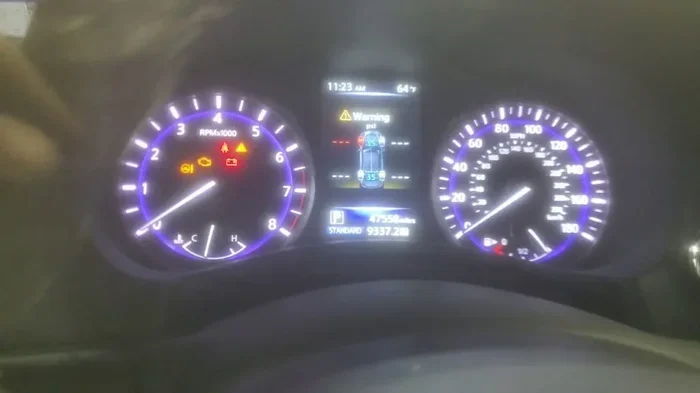
The flat tire warning on the QX50 is part of the tire pressure monitoring system built into the vehicle. This system uses sensors inside each wheel to measure the air pressure in real time. When the pressure in any tire drops below the recommended level, the system sends a signal to the vehicle’s computer, and the warning light illuminates on the dashboard.
The warning typically looks like a horseshoe shape with an exclamation mark in the center. Some QX50 models may also display a text message in the infotainment screen saying something like “Check Tire Pressure.” The light may appear as a solid yellow or orange symbol, or in some cases it may flash briefly before staying solid. Either way, it means the same thing: one or more of your tires is underinflated.
Tire pressure matters more than most drivers realize. Underinflated tires create more rolling resistance, which means your engine has to work harder. This leads to reduced fuel economy and uneven tire wear. In serious cases, driving on a significantly flat tire can damage the wheel rim or cause a dangerous blowout at highway speeds. This is why the QX50 alerts you the moment the system detects a problem.
What Triggers the Flat Tire Warning
Several things can cause the flat tire warning to activate on your QX50. The most common trigger is simply low air pressure in one or more tires. But there are other reasons the warning might appear even when your tires look fine. Understanding these triggers helps you respond correctly and avoid unnecessary trips to the shop.
Temperature changes are a surprisingly common cause. When the weather gets colder, the air inside your tires contracts, which reduces pressure. A drop of just 10 degrees Fahrenheit can lower tire pressure by about 1 PSI. If you live in a climate with big seasonal temperature swings, you might notice the warning light coming on during fall and winter months.
A slow leak from a nail, screw, or sharp object on the road is another frequent culprit. These punctures do not always cause an immediate flat. Instead, they let air out gradually over hours or days. By the time you notice the warning, the tire may already be significantly underinflated. This is why regular tire pressure checks are so important for your QX50.
Sometimes the warning is triggered by a malfunctioning tire pressure sensor. These sensors are battery-powered and have a lifespan of about 5 to 10 years. When the battery dies or the sensor fails, it can send incorrect readings to the vehicle’s computer. In these cases, the warning light stays on even if all your tires are at the correct pressure.
Common Causes of the Flat Tire Warning on the QX50
Before you reset the warning light, it is essential to identify and fix the root cause. Resetting the light without addressing the underlying problem will just cause it to come back. Here are the most common reasons the flat tire warning appears on an Infiniti QX50.
Low Tire Pressure from Temperature Changes
As mentioned above, cold weather is one of the biggest triggers for the TPMS warning. If you parked your QX50 outside overnight during a cold snap, you might wake up to a warning light on the dashboard. This does not always mean you have a leak. It could simply mean the air in your tires contracted due to the temperature drop.
The recommended tire pressure for the QX50 is typically listed on a sticker inside the driver’s door jamb. For most model years, this is around 30 to 35 PSI. You can check your current pressure with a simple tire pressure gauge, which you can pick up at any auto parts store for just a few dollars. If the pressure is slightly low, adding air to the proper level often resolves the issue.
Punctures and Slow Leaks
Punctures happen to everyone at some point. A nail, a piece of glass, or even a sharp rock can pierce your tire and let air escape slowly. With the QX50, you might not always notice the tire is going flat right away, especially if the puncture is small. The TPMS will catch it before it becomes a dangerous situation, which is exactly what the system is designed to do.
If you suspect a puncture, inspect each tire visually. Look for embedded objects, bulges, or uneven wear on the tire tread. Sometimes the leak is obvious, and other times it is very subtle. If you find a nail or screw, do not remove it yourself if you are not sure what to do. A tire repair professional can patch or plug the hole safely.
Faulty Tire Pressure Sensor
The TPMS sensors inside each wheel are durable but not permanent. Over time, the small battery inside each sensor can die, causing the sensor to stop communicating with the vehicle’s computer. When this happens, the warning light may come on and stay on regardless of your actual tire pressure.
Sensor failure is more common in older QX50 models or vehicles that have been on the road for many years. If you have ruled out low pressure and still see the warning, a faulty sensor is a likely suspect. Replacing a TPMS sensor typically costs between 50 and 100 dollars per sensor, depending on where you go and which sensor needs replacement.
Step-by-Step Guide to Reset the Flat Tire Warning
Once you have checked your tire pressure and confirmed that all tires are inflated to the correct level, you are ready to reset the warning light. The TPMS reset procedure for the Infiniti QX50 is simple and can be completed in just a few minutes. Here is exactly how to do it.
Step 1: Check and Inflate Your Tires
This is the most important step and one that many people skip. Before you reset anything, make sure every tire is at the correct pressure. Use a reliable tire pressure gauge to check all four tires, including the spare if your QX50 has one. The recommended pressure is printed on the sticker inside the driver’s door frame.
If any tire is low, use an air compressor to inflate it to the proper level. You can find air compressors at most gas stations or purchase a portable one for your garage. Inflate tires slowly and check the pressure frequently to avoid overinflating. Once all tires are at the correct pressure, you are ready for the next step.
Step 2: Locate the TPMS Reset Button
On most Infiniti QX50 models, the TPMS reset button is located beneath the steering column on the left side of the dashboard. It is a small button that you may need to look for carefully. The button often has an icon that looks like a tire with an exclamation mark, which matches the warning light symbol.
Some QX50 models also allow you to access the TPMS reset through the infotainment system. You can navigate to the vehicle settings menu and look for a tire pressure or TPMS option. If your model has this feature, it can be a convenient alternative to the physical button. Refer to your owner’s manual if you are unsure where to find the reset option.
Step 3: Perform the Reset Procedure
With the tires properly inflated, press and hold the TPMS reset button for about three to five seconds. You should hear a chime or see the dashboard light blink to confirm the system has received the reset command. Release the button and start the engine.
Drive your QX50 for about 10 to 20 minutes at speeds above 20 miles per hour. The system needs time to recalibrate and recognize the correct tire pressure readings. After this drive cycle, the warning light should turn off and stay off. If the light does not go away, there may be an underlying issue that needs further investigation.
Sometimes you may need to repeat the reset process once or twice. This is normal, especially if the tires were very low on pressure before you added air. The system needs to see stable pressure readings over a period of time before it clears the warning completely.
When the Warning Light Won’t Go Away
If you have followed all the steps above and the flat tire warning is still on, do not panic. There are a few things that could be causing the persistent light, and most of them have straightforward solutions.
Persistent Warning After Reset
A warning light that stays on after a reset often points to a deeper issue. One possibility is that one of your tires has a very slow leak that you have not yet detected. Even a tiny puncture can cause enough air loss to trigger the TPMS over time. Try checking your tire pressure again after driving for a day or two. If the pressure has dropped, you likely have a slow leak that needs professional attention.
Another common reason for a persistent warning is a dead sensor battery. Each TPMS sensor has a small battery that typically lasts 5 to 10 years. When the battery dies, the sensor cannot send pressure data to the vehicle’s computer, and the warning light stays on. A mechanic can test each sensor and replace any that have failed. This is a quick and affordable fix that usually takes less than an hour.
Resetting Other Warning Lights
If your QX50 has multiple warning lights on the dashboard, you may need to address them separately. For example, if you also have a check engine light alongside the tire warning, you will need to clear a check engine code using an OBD-II scanner or by visiting a repair shop. Each warning system operates independently, so resolving one does not automatically clear the other.
Similarly, if you have recently had work done on your vehicle and need to reset various systems, the process can sometimes feel overwhelming. Having a clear, systematic approach helps you tackle each warning light one at a time without confusion.
Preventing Future Flat Tire Warnings
The best way to deal with the flat tire warning is to prevent it from coming back in the first place. Regular maintenance and simple habits can keep your QX50 tires in great shape and your dashboard warning-free.
Make it a habit to check your tire pressure at least once a month. A quick check takes only a few minutes and can save you from unexpected warnings and costly repairs. Keep a reliable tire pressure gauge in your garage or glove box so you always have one handy. Also, get in the habit of checking pressure before long road trips.
Inspect your tires visually every time you wash your car or fill up with gas. Look for signs of uneven wear, embedded objects, or bulges in the sidewall. Catching a potential problem early can prevent a small issue from turning into a flat tire or a more serious safety hazard. Rotating your tires every 5,000 to 7,500 miles, as recommended in your QX50 owner’s manual, also helps ensure even wear and extends the life of your tires.
Temperature changes will always affect tire pressure to some degree, especially in extreme climates. During fall and winter, check your pressure more frequently since cold air causes contraction. In summer, heat can cause pressure to rise, so be careful not to overinflate. Staying on top of these seasonal changes keeps your tires in the optimal range year-round.
Final Thoughts on Your QX50 Tire Warning
The flat tire warning on your Infiniti QX50 is a helpful safety feature, not something to fear. When it comes on, it is simply telling you to check your tire pressure and take action. With the steps outlined in this guide, you now know exactly how to respond, from checking pressure to performing the TPMS reset yourself. Most of the time, the process is quick, easy, and requires no professional help.
Remember that tire health is a key part of overall vehicle maintenance. Keeping your tires properly inflated improves your safety, boosts fuel efficiency, and extends the life of your tires. A few minutes of regular attention can save you from bigger problems down the road. If you ever feel unsure or the warning persists despite your best efforts, do not hesitate to visit a trusted mechanic who can diagnose the issue with professional tools and expertise.
Your Infiniti QX50 is a well-engineered vehicle, and the TPMS is just one of the many systems designed to keep you safe and informed. Now that you know how to handle the flat tire warning, you can drive with confidence knowing exactly what to do when that little light comes on. Stay proactive, stay informed, and enjoy every mile in your QX50.
Frequently Asked Questions
Why does my Infiniti QX50 show a flat tire warning even when my tires look fine?
The warning can be triggered by a slow leak, a temperature drop, or a faulty tire pressure sensor. Even if your tires look normal, the TPMS may detect a pressure drop that is not visible to the eye. Check your pressure with a gauge and add air if needed, then reset the system.
Can I drive my QX50 with the flat tire warning light on?
It is not recommended. Driving on an underinflated tire reduces handling, increases fuel consumption, and raises the risk of a blowout. Check your tire pressure as soon as possible and address any issues before driving long distances.
How often should I check my QX50 tire pressure?
You should check your tire pressure at least once a month and before any long road trips. Temperature changes can affect pressure significantly, so more frequent checks during extreme weather are a good idea.
What should I do if the flat tire warning stays on after I reset it?
If the warning persists after a reset, you may have a slow leak, a dead sensor battery, or a sensor malfunction. Recheck your tire pressure, and if everything looks correct, have a professional inspect your TPMS sensors for faults.
Does cold weather cause the flat tire warning to come on?
Yes, cold weather is a very common trigger. When temperatures drop, the air inside your tires contracts, reducing pressure. This can cause the TPMS to activate even if there is no actual leak. Simply inflating your tires to the proper level and resetting the system usually fixes this.
How much does it cost to replace a tire pressure sensor on a QX50?
Replacing a TPMS sensor typically costs between 50 and 100 dollars per sensor, depending on the model year and where you go for service. Some sensors can be programmed and replaced quickly, making it a relatively affordable repair.