How to Get Rid of TPMS Light Without Visiting a Mechanic
The TPMS light can be annoying, but you can often fix it yourself at home. This guide shows you exactly how to get rid of TPMS light issues using simple tools and easy steps. Whether it is a low-pressure tire or a faulty sensor, you will learn the causes, fixes, and prevention tips to keep your dashboard clear.
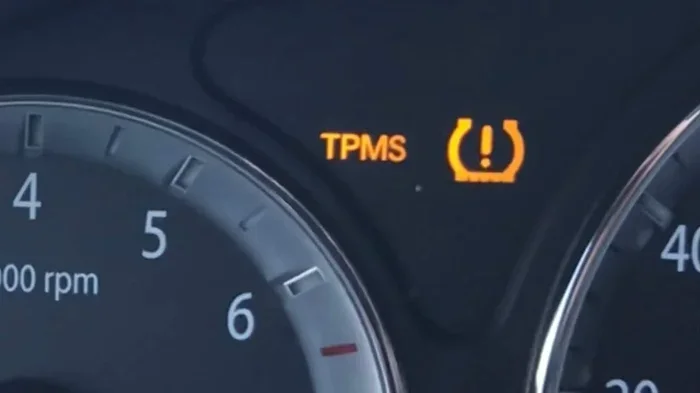
That little yellow horseshoe-shaped light on your dashboard can really stress you out. You are driving along, minding your own business, and suddenly the TPMS light pops up. Your first thought might be, “Do I need to see a mechanic?” The good news is, you probably do not.
How to get rid of TPMS light problems is something every car owner should know. In most cases, the fix is simple, fast, and costs little to nothing. This guide walks you through every step, from understanding what the light means to actually turning it off yourself. You will also learn why the light keeps coming back and how to stop it for good.
Let us be real for a second. Dashboard warning lights are scary. They make you think something is seriously wrong with your car. But the tire pressure monitoring system is one of the simplest systems in your vehicle. And once you understand how it works, you will feel confident handling it on your own.
Key Takeaways
- Easy DIY Fix: Most TPMS light issues can be resolved at home without a mechanic.
- Quick Reset Process: A simple TPMS reset takes only a few minutes in most vehicles.
- Check Tire Pressure First: Low tire pressure is the most common cause of the warning light.
- Battery Replacement: A dead TPMS sensor battery often triggers the light and is easy to replace.
- OBD2 Scanner Helps: Using a basic scanner can read and clear TPMS error codes quickly.
- Prevention Works: Regular tire checks and seasonal pressure adjustments stop the light from returning.
📑 Table of Contents
What Is a TPMS Light and Why Does It Come On?
The TPMS stands for Tire Pressure Monitoring System. It is a safety feature built into your car. Its job is to watch the air pressure inside your tires. When the pressure drops too low or rises too high, the system sends a signal to your dashboard. That signal shows up as the TPMS warning light.
The light usually looks like a horseshoe shape with an exclamation point in the middle. Sometimes it says “TPMS” in letters. It can appear as a solid yellow glow or a flashing red light. A solid yellow light means the pressure is off but not an emergency. A flashing red light often signals a bigger problem with the system itself.
Why the Tire Pressure Monitoring System Matters
Driving on underinflated tires is dangerous. It reduces fuel efficiency. It wears out your tires faster. It can even cause a blowout at high speeds. The TPMS sensor exists to catch these problems early. So when the light comes on, it is trying to tell you something. Listening to it is the smart thing to do.
Here is a quick look at what the different TPMS light behaviors mean:
- Solid yellow light: One or more tires have low pressure. This is the most common scenario.
- Flashing yellow light: There may be a problem with the TPMS system itself, like a faulty sensor.
- Solid red light: A serious sensor or system malfunction has been detected.
- Light comes on when cold: Cold weather naturally lowers tire pressure, triggering the warning.
Common Reasons Your TPMS Light Is On
Before you can fix the problem, you need to know what caused it. There are several reasons the tire pressure warning light might appear. Most of them are easy to address.
1. Low Tire Pressure
This is the number one reason. A slow leak, a puncture, or simply not topping off your air can cause the pressure to drop below the recommended level. Most cars need between 30 and 35 PSI, but check your owner manual for the exact number. Even a few PSI below the target can trigger the light.
2. Temperature Changes
Cold weather is a sneaky TPMS trigger. When the air temperature drops, the air inside your tires contracts. This lowers the pressure. You might notice the light coming on during fall and winter mornings. Once the tires warm up from driving, the pressure increases and the light may turn off on its own.
3. Dead TPMS Sensor Battery
Each TPMS sensor has a small battery inside. These batteries last about five to ten years. When the battery dies, the sensor cannot send data. This causes the light to come on. Replacing the battery is a simple fix, though it does require accessing the sensor.
4. Faulty or Damaged TPMS Sensor
Sensors can break. Road debris, corrosion, or normal wear and tear can damage them. If one sensor fails, the system cannot read that tire’s pressure. The light stays on until the problem is fixed.
5. Recent Tire or Wheel Changes
Have you recently rotated your tires, changed a flat, or installed new wheels? The TPMS reset may need to be done manually after these changes. The system sometimes loses its calibration and needs to be recalibrated.
6. Slow Leak in the Valve Stem
The valve stem is the small metal piece on your tire that you attach the air pump to. Over time, these can crack or corrode. A slow leak through the valve stem is hard to spot but will slowly drain air from the tire.
How to Get Rid of TPMS Light at Home
Now for the part you have been waiting for. How to get rid of TPMS light problems without spending money on a shop visit. The steps below work for most vehicles. Always check your owner manual for model-specific instructions.
Step 1: Check Your Tire Pressure
Start with the obvious. Get a tire pressure gauge and check each tire, including the spare. You can find the recommended PSI on the sticker inside your driver door frame. Compare the actual pressure to the recommended number.
If any tire is low, add air until it reaches the correct PSI. Use a gas station air pump or a portable tire inflator. After filling the tires, drive for a few miles. In many cars, the light will turn off automatically once the system detects correct pressure.
Quick Tip: Check tire pressure when the tires are cold. Driving heats up the air inside, which gives a false reading. Wait at least three hours after driving before checking.
Step 2: Find the TPMS Reset Button
Most vehicles have a TPMS reset button. It is usually located under the steering wheel. It might also be on the center console, the glove box door, or near the gear shift. Check your owner manual if you cannot find it.
Here is how to use it:
- Turn the ignition to the “ON” position. Do not start the engine.
- Press and hold the TPMS reset button until the light blinks three times.
- Release the button.
- Start the engine and drive for about 20 minutes.
- The light should turn off as the system recalibrates.
Step 3: Drive and Let the System Recalibrate
After resetting, the system needs time to relearn the correct pressure levels. Drive at a steady speed of 50 miles per hour or higher for about 10 to 20 minutes. This helps the TPMS sensor communicate with the car’s computer and update the readings.
If the light does not turn off after driving, do not panic. Move on to the next steps.
Step 4: Use an OBD2 Scanner
An OBD2 scanner is a handy tool for any car owner. You can buy one for under $30 at most auto parts stores. Plug it into the diagnostic port under your steering column. The scanner reads error codes from your car’s computer.
Look for codes that start with “C” for chassis-related issues or “B” for body-related issues. TPMS codes will tell you which specific sensor is causing the problem. Some scanners also let you clear the codes directly, which turns off the light.
Pro Tip: The Ancel VD700 and Innova 3160g are popular budget-friendly OBD2 scanners that work well for TPMS diagnostics.
Step 5: Replace a Dead TPMS Sensor Battery
If the scanner shows a sensor battery code, you need to replace the battery. Each sensor has a small coin-cell battery inside, similar to a watch battery. The process varies by vehicle:
- Some sensors: The battery is replaceable. You need a special tool to pop open the sensor housing and swap the battery.
- Other sensors: The entire sensor must be replaced. These are sealed units and cannot be opened.
Replacement sensors cost between $5 and $25 each. You can find them online or at auto parts stores. Make sure to match the sensor to your vehicle make and model.
Step 6: Reprogram the TPMS After Sensor Replacement
After replacing a sensor, the system needs to be reprogrammed. Some cars do this automatically after driving a few miles. Others require a manual reset using the TPMS button or an OBD2 scanner. Again, consult your owner manual for the exact process.
Tools You Need to Reset Your TPMS Light
You do not need fancy equipment to handle most TPMS light issues. Here is a simple list of tools that will cover almost every situation:
| Tool | Purpose | Cost Range |
|---|---|---|
| Tire pressure gauge | Check air pressure in each tire | $5 to $15 |
| Portable tire inflator | Add air to low tires at home | $20 to $50 |
| OBD2 scanner | Read and clear TPMS error codes | $25 to $80 |
| TPMS reset tool | Activate sensor relearn mode | $15 to $50 |
| Valve stem core tool | Replace valve stem cores if leaking | $5 to $10 |
| Tire pressure fill hose | Connect to air pump for precise filling | $5 to $10 |
With these basic tools in your garage, you can handle most TPMS light issues yourself. You will save time and money compared to a trip to the mechanic.
Quick Tips for TPMS Reset Success
- Always check tire pressure before resetting the light.
- Drive at highway speeds after resetting to help the system recalibrate.
- Keep a tire pressure gauge in your glove box for regular checks.
- Record the recommended PSI for each tire in your phone for quick reference.
- Replace all TPMS sensor batteries at the same time if they are over five years old.
When to See a Mechanic Instead
While most TPMS light issues are DIY-friendly, some situations need professional help. Here are signs that you should visit a mechanic:
- The light stays on after trying all the reset steps above.
- Multiple sensors are showing faults on your OBD2 scanner.
- You notice physical damage to the tire or wheel rim.
- The TPMS light comes on right after a tire service or rotation.
- You smell tire rot or see visible damage on the tire sidewall.
- The vehicle pulls to one side, suggesting a bigger tire or alignment issue.
In these cases, the problem might be deeper than a simple pressure issue. A mechanic can run a full diagnostic and check for hidden leaks, damaged wheel sensors, or wiring problems. It is always better to be safe than sorry when it comes to tire safety.
How Much Does a Mechanic Charge for TPMS Fixes?
If you do end up at a shop, here is what to expect cost-wise:
- TPMS reset service: $10 to $30
- Single sensor replacement: $50 to $100 per sensor
- Full sensor set replacement: $200 to $400 for all four sensors
- Valve stem replacement: $10 to $30 per stem
- System reprogramming: $20 to $50
Knowing these costs helps you decide whether a DIY fix makes sense or if a shop visit is worth it.
Preventing TPMS Light Problems in the Future
The best way to deal with the TPMS light is to prevent it from coming on in the first place. Here are simple habits that keep your tire pressure monitoring system working properly.
Check Tire Pressure Monthly
Get into the habit of checking your tire pressure once a month. Use a quality gauge and compare the readings to your vehicle’s recommended PSI. This takes only five minutes and catches slow leaks early before they trigger the warning light.
Check Pressure Before Long Trips
Before any road trip, check all four tires and the spare. Long drives put extra stress on tires, and proper pressure improves fuel economy and safety. This is one of the easiest things you can do to protect your tires and keep the TPMS light off.
Replace Valve Stem Cores Regularly
The valve stem cores are small rubber or metal pieces inside the valve stem. They can dry out and crack over time, causing slow air leaks. Replacing them every two to three years is a cheap and effective preventive measure.
Watch the Weather
Cold temperatures drop tire pressure. For every 10-degree drop in temperature, your tire pressure can decrease by about 1 PSI. During winter months, check your pressure more frequently and add air as needed.
Keep Your Tires Properly Maintained
Rotate your tires every 5,000 to 7,500 miles. This promotes even wear and keeps the tires in good shape. Uneven tire wear can affect how the TPMS sensors read pressure and may contribute to false warnings.
Know When to Replace TPMS Sensors
TPMS sensors have a limited lifespan. Most last between five and ten years. If your vehicle is getting older and the TPMS light keeps coming on for no clear reason, it might be time to replace the sensors. Proactive replacement saves you from unexpected warning lights down the road.
Key Takeaways
- Check tire pressure first: Most TPMS lights come on because of low pressure. A simple top-off often solves the problem.
- Use the reset button: Every car has one. Pressing it after fixing the pressure usually clears the light.
- An OBD2 scanner is your friend: It reads error codes and can clear them without a mechanic.
- Dead sensor batteries cause false warnings: Replacing the battery or sensor is inexpensive and easy.
- Prevention beats repair: Regular tire checks and seasonal adjustments keep the light off for good.
- Know when to call a pro: If the light persists after DIY attempts, a mechanic can diagnose deeper issues.
Dealing with the TPMS light does not have to be stressful or expensive. Most of the time, the fix is something you can do in your driveway with basic tools. By understanding what triggers the light and following the steps in this guide, you can handle the problem yourself and get back on the road with confidence.
Remember, the tire pressure monitoring system is there to keep you safe. When the light comes on, take it seriously. Check your tires, reset the system, and stay on top of your tire health. A little attention goes a long way toward preventing bigger problems and keeping your car running smoothly.
Now you know exactly how to get rid of TPMS light issues without visiting a mechanic. The next time that warning light appears, you will be ready. Grab your tire pressure gauge, check your tires, and follow the steps above. You have got this.
Frequently Asked Questions
Can I drive with the TPMS light on?
You can drive short distances with the TPMS light on, but it is not recommended. Low tire pressure affects handling and increases the risk of a blowout. Check your tire pressure as soon as possible and add air if needed. If the light is flashing, pull over safely and inspect the tires before continuing to drive.
How much does it cost to reset a TPMS light?
Resetting a TPMS light costs nothing if you do it yourself. You only need a tire pressure gauge and access to an air pump. If you visit a mechanic for a reset service, expect to pay between $10 and $30. Buying an OBD2 scanner for home use costs $25 to $80 but pays for itself over time.
Why does my TPMS light come back after I reset it?
The light usually comes back because the underlying issue was not fixed. Common reasons include a slow tire leak, a dead sensor battery, a faulty sensor, or temperature changes. Check your tire pressure again and look for visible damage. If the problem persists, use an OBD2 scanner to identify the specific sensor issue.
How do I know which TPMS sensor is bad?
An OBD2 scanner is the best way to identify a faulty sensor. It reads the specific error codes from each sensor and tells you which one is malfunctioning. Some advanced scanners also show live sensor data, so you can see which tire is not reporting pressure correctly.
How long does a TPMS sensor battery last?
Most TPMS sensor batteries last between five and ten years. The exact lifespan depends on driving conditions, temperature extremes, and how often the sensors transmit data. If your car is over five years old and the TPMS light keeps coming on, the sensor battery is a likely culprit.
Do I need to replace all TPMS sensors at once?
No, you only need to replace the sensor that is faulty. However, if your sensors are over five years old, it is a good idea to replace them all at the same time. This prevents multiple failures in a short period and saves you time and money on future repairs.
=== CONCLUSION ===
How to get rid of TPMS light problems is a skill every car owner should have. The process is simpler than most people think. You check the tire pressure, reset the system, and let the car recalibrate. In the majority of cases, the light turns off and you are back to normal driving within 30 minutes.
Understanding your tire pressure monitoring system gives you confidence and saves money. You do not need to rush to the mechanic every time a warning light appears. With the right tools and a little knowledge, you can handle it yourself at home.
Stay proactive with your tire maintenance. Check pressure monthly, watch for temperature changes, and replace aging sensors before they fail. These simple habits keep the TPMS light off and your tires in great shape. You will drive safer, save money, and avoid unnecessary trips to the repair shop.