Louisiana Window Tint Law Everything You Need To Know
Louisiana window tint law sets specific rules for how dark or reflective your car windows can be. The state regulates visible light transmission (VLT) percentages for sedans, SUVs, and vans differently. Understanding these rules helps you avoid fines, failed inspections, and tint tickets while keeping your vehicle legal and comfortable.
Driving a car with tinted windows in Louisiana feels great. The sun stays out of your eyes, your interior stays cooler, and your ride looks sleek. But here is the catch: Louisiana window tint law is strict, and getting it wrong can cost you money and headaches.
Whether you just bought a new tint job or are planning to get one, you need to know the rules. The state of Louisiana has clear guidelines on how dark your windows can be, what kind of tint is allowed, and what happens if you break the rules. This guide breaks it all down in simple terms.
We will cover everything from VLT percentages to medical exemptions. By the end, you will know exactly how to stay legal and keep your ride looking sharp. No confusing legal jargon. Just straight-up facts you can use.
Key Takeaways
- Front side windows must allow more than 40% of light through for most vehicles in Louisiana.
- Rear windows and rear windshield can be tinted darker, but specific rules apply based on vehicle type.
- Medical exemption options exist for drivers who need darker tint for health reasons.
- Reflective tint is restricted and must meet Louisiana state law requirements.
- Penalties for violations include fines and the requirement to remove non-compliant tint.
- Certified tint film and proper stickers help prove your tint is legal during inspections.
- Knowing your vehicle type matters because sedan, SUV, and van rules differ slightly.
📑 Table of Contents
What Is Louisiana Window Tint Law and Why Does It Matter?
Louisiana window tint law refers to the set of rules that govern how much tint you can put on your vehicle windows. These rules are part of the state vehicle code and are enforced during routine inspections and traffic stops. The main goal is to balance driver comfort with safety on the road.
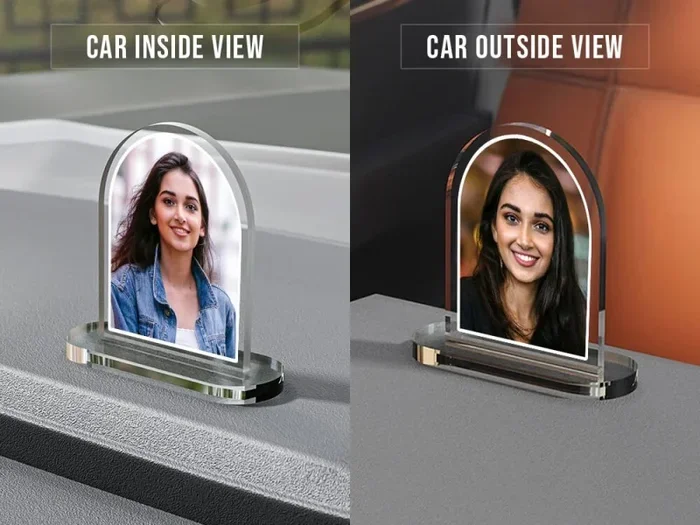
When you tint your windows, you reduce the amount of visible light that passes through the glass. This is measured as VLT, or visible light transmission. The lower the VLT percentage, the darker the tint. Louisiana sets specific VLT limits for different windows and vehicle types.
Why does this matter so much? Because tint tickets are real. Officers can pull you over if they suspect your tint is too dark. And during your annual safety inspection, your vehicle must pass a tint compliance check. Non-compliant tint means you fail the inspection, period.
How VLT Works in Louisiana
Visible light transmission is the key metric in Louisiana window tint law. It tells you what percentage of outside light gets through your window. A higher VLT means a lighter tint. A lower VLT means a darker tint.
For example, if your front side windows have a VLT of 40%, that means 40% of light passes through and 60% is blocked. Louisiana requires front side windows on most passenger vehicles to have a VLT of at least 40%. This keeps enough light coming in for safe driving, especially at night.
Legal Tint Darkness by Vehicle Type
Louisiana does not use one-size-fits-all rules. The legal tint darkness depends on what kind of vehicle you drive. Let us break it down by vehicle type so you know exactly where you stand.
Sedans
For sedans in Louisiana, the rules are clear and specific. The front windshield must allow more than 70% of light through. You can tint the top five inches of the windshield with a non-reflective tint strip, but nothing below that line.
The front side windows must have a VLT of 40% or higher. This is the strictest rule for sedans. The rear side windows and rear windshield can be tinted darker, with no specific VLT minimum. So you have more freedom back there.
SUVs and Vans
SUVs and vans follow a similar pattern but with a few differences. The front windshield rules are the same as sedans. The top five inches can have a non-reflective tint strip.
Front side windows on SUVs and vans must also have a VLT of 40% or higher. However, the rear side windows and rear windshield can be tinted to any darkness. This gives SUV and van owners more flexibility with their automotive tint choices.
Window Tint Percentage Limits Explained
Understanding window tint percentage limits is essential for compliance. Let us look at each window on your vehicle and what Louisiana allows.
- Front Windshield: Non-reflective tint allowed on the top 5 inches only. Must maintain over 70% VLT below that line.
- Front Side Windows: Must allow at least 40% of light in. This applies to all vehicle types.
- Rear Side Windows: No specific darkness limit for sedans, SUVs, and vans.
- Rear Windshield: No specific darkness limit for most vehicles.
The 40% rule for front side windows is the most important one to remember. Many people get tint tickets because they go too dark on the front windows. Always check your tint film certificate before installation to confirm the VLT rating.
What If You Have Factory Tinted Windows?
Some vehicles come with factory tint from the manufacturer. Louisiana recognizes factory tint, but you still need to meet the VLT requirements. If your factory tint on the front side windows is below 40% VLT, you may need to address it during inspection.
Check your vehicle owner manual or ask the dealer about the original tint specs. This helps you plan any additional tinting you want to do without running into compliance issues.
Reflective Tint and Special Restrictions
Not all tint is created equal. Louisiana window tint law also addresses reflective tint, which can create problems on the road. Reflective tint works like a mirror, bouncing light away from the vehicle. While it looks cool, it can blind other drivers.
Louisiana restricts the use of highly reflective tint on all windows. The tint film must not exceed a certain level of reflectivity. If your tint looks like a mirror from the outside, it is likely too reflective and not legal.
Color Restrictions
Louisiana also has rules about tint color. Red, blue, and other unusual tint colors are not allowed on vehicle windows. The tint must be a neutral shade. This rule exists because colored tints can interfere with emergency vehicle recognition and create confusion on the road.
Stick with standard tint colors like charcoal, gray, or bronze. These are widely accepted and will not cause problems during your vehicle inspection.
Quick Tips for Choosing Compliant Tint
- Always ask for the VLT rating of the tint film before you buy it.
- Choose a reputable installer who knows Louisiana tint regulations.
- Request a tint certificate and keep it in your vehicle.
- Avoid reflective or colored tint films.
- When in doubt, go lighter rather than darker on front windows.
Medical Exemption for Window Tint
Not everyone can tolerate standard tint darkness. Some people have medical conditions that make them extremely sensitive to sunlight or UV radiation. Louisiana window tint law provides a medical exemption for these individuals.
How to Get a Medical Exemption
To qualify for a medical exemption, you need a written statement from a licensed physician. The statement must explain your condition and why darker tint is medically necessary. You then submit this to the Louisiana Department of Public Safety.
If approved, you will receive a special permit that allows you to tint your front side windows darker than the standard 40% VLT limit. The permit must be displayed in your vehicle at all times.
Keep in mind that even with an exemption, your tint must still be non-reflective and free of prohibited colors. The exemption only applies to tint darkness, not to other restrictions.
Common Conditions That Qualify
- Lupus and other autoimmune disorders
- Severe photosensitivity
- Skin cancer or history of skin cancer
- Certain eye conditions that increase light sensitivity
Each case is reviewed individually. Having a condition does not automatically guarantee approval. The physician must provide detailed documentation supporting the need for darker tint.
Punishments and Penalties for Tint Violations
Breaking Louisiana window tint law comes with real consequences. The state takes tint violations seriously, and the penalties can add up quickly.
Fines and Fees
If you are caught driving with non-compliant tint, you can expect a fine. The exact amount varies depending on the severity of the violation and your county. First-time offenders typically face lower fines, but repeat violations can cost significantly more.
In addition to fines, you may be required to remove the illegal tint before your vehicle can pass inspection. This means paying for tint removal and then paying for new, compliant tint. The costs can stack up fast.
Failed Vehicle Inspection
Louisiana requires annual vehicle safety inspections. Tint compliance is part of the inspection process. If your tint does not meet the VLT requirements, your vehicle will fail inspection.
A failed inspection means you cannot legally register your vehicle until the issue is resolved. You will need to get the tint adjusted or removed and then return for a re-inspection. This can be a hassle, especially if you rely on your vehicle daily.
Common Mistakes That Lead to Tint Tickets
- Tinting front side windows darker than 40% VLT
- Using reflective tint that exceeds legal limits
- Applying tinted film to the bottom of the windshield below the 5-inch strip
- Using red, blue, or other prohibited tint colors
- Not displaying a medical exemption permit when required
- Installing aftermarket tint without checking the VLT rating first
Most of these mistakes are easy to avoid. Do your research before you tint your windows. Ask your installer questions. Read the tint film specifications. A little effort upfront saves you from costly problems later.
How to Ensure Your Tint Is Compliant
Staying on the right side of Louisiana window tint law is not hard if you follow a few simple steps. Here is what you need to do to make sure your tint passes inspection and keeps you out of trouble.
Step 1: Know Your Vehicle Type
Start by identifying whether you drive a sedan, SUV, or van. This determines which rules apply to your vehicle. Check the Louisiana state law guidelines for your specific vehicle category.
Step 2: Check Your Current Tint
If you already have tint installed, get it tested for VLT. Many auto shops and tint retailers offer free VLT testing. This tells you exactly how dark your current tint is and whether it meets the legal limits.
Step 3: Choose the Right Film
When buying new tint, look for films that meet or exceed the 40% VLT requirement for front side windows. Ask the installer for a written certificate that states the VLT rating of the film they used.
Step 4: Get Proper Documentation
Keep all tint-related documents in your vehicle. This includes the tint certificate, any medical exemption permits, and receipts from your installation. If you ever get pulled over or need to prove compliance, having these documents makes things much easier.
Step 5: Stay Updated on Law Changes
Tint laws can change over time. Louisiana periodically reviews and updates its vehicle regulations. Stay informed by checking the Louisiana state police website or asking your local DMV about any recent changes to the rules.
Expert Insights
According to automotive tint professionals, the most common reason people get tint tickets is simply not knowing the rules. Many drivers assume that if the tint looks fine, it must be legal. But appearance is not the standard. The VLT measurement is what matters, and only a proper meter can tell you if you are compliant.
Experts also recommend investing in quality tint film from reputable manufacturers. Cheap tint often fades, bubbles, and loses its VLT rating over time. Quality film maintains its legal darkness and performs better over the long run. It is worth the extra cost.
Key Takeaways
- Front side windows must stay at 40% VLT or higher for all vehicle types in Louisiana.
- Front windshield tint is limited to the top 5 inches with non-reflective film.
- Rear windows have more flexibility and can be tinted darker on most vehicles.
- Medical exemptions are available for those with documented health conditions.
- Reflective and colored tints are restricted and often not legal.
- Penalties include fines, failed inspections, and mandatory tint removal.
- Documentation and certification are your best friends when proving compliance.
Louisiana window tint law exists for good reasons. Safety on the road comes first, and the rules help ensure that all drivers have adequate visibility. At the same time, the state recognizes that tinting your windows offers real benefits like UV protection, heat reduction, and comfort.
The best approach is simple. Know the rules before you tint. Choose compliant film. Keep your documentation handy. And if you qualify for a medical exemption, get the proper permit. Doing these things means you enjoy all the benefits of tinted windows without the stress of violations.
Take a few minutes to review your current tint. Check the VLT ratings. Make sure everything is in order. Your wallet, your driving record, and your peace of mind will thank you. Staying compliant with Louisiana window tint law is easy when you know what to do.
Frequently Asked Questions
What is the legal tint darkness for front side windows in Louisiana?
Front side windows on all passenger vehicles must have a visible light transmission of at least 40%. This means the tint film must allow 40% or more of outside light to pass through the glass. Going darker than this on the front windows will result in a violation.
Can I tint my rear windshield in Louisiana?
Yes, you can tint your rear windshield in Louisiana. There is no specific VLT minimum for the rear windshield on most vehicles. However, the tint must be non-reflective and free of prohibited colors. Medical exemptions may apply different rules.
How much is a tint ticket in Louisiana?
Tint ticket fines in Louisiana vary by parish and the severity of the violation. First-time offenders typically face moderate fines, but costs can increase with repeat offenses. You may also be required to remove the illegal tint and pass a re-inspection.
Do I need a sticker or certificate for legal tint in Louisiana?
Louisiana does not require a specific sticker on the window to prove compliance. However, keeping your tint installation certificate and any medical exemption documentation in your vehicle is highly recommended. These documents help if you are ever questioned by law enforcement.
Can I get a darker tint if I have a medical condition?
Yes, Louisiana offers a medical exemption for darker window tint. You need a written statement from a licensed physician explaining your condition and why darker tint is necessary. Once approved by the Department of Public Safety, you can tint your front windows darker than the standard 40% limit.
Is reflective tint legal in Louisiana?
Reflective tint is heavily restricted in Louisiana. The tint film must not be highly reflective or mirror-like. Excessively reflective tint is not allowed on any vehicle window. Stick with matte or satin-finish tint films to stay compliant with state regulations.
=== CONCLUSION ===
Louisiana window tint law is clear once you understand the basics. The state sets specific VLT limits for front side windows, allows more flexibility for rear windows, and restricts reflective and colored tints. Whether you drive a sedan, SUV, or van, knowing these rules keeps you legal and safe.
Medical exemptions give you options if you have health conditions that require darker tint. And staying compliant is simple when you work with a reputable installer and keep your documentation in order. The key is to be proactive, not reactive.
Take the time to learn the rules before you tint your windows. Check your current tint for compliance. And if you ever have doubts, consult your local DMV or a licensed tint professional. Following Louisiana window tint law protects you from fines, failed inspections, and unnecessary hassle.
Your vehicle is an investment. Keeping it compliant with tint regulations is a small effort that pays off big. Drive safe, stay legal, and enjoy the benefits of properly tinted windows in the Pelican State.