What Controls Remote Start And How It Actually Works
What controls remote start? It is a combination of your vehicle’s control module, key fob, antenna, and ignition system working together. Understanding these components helps you troubleshoot issues and get the most from your remote start system. This guide breaks down every part of the process in simple, easy-to-follow terms.
Have you ever wondered what controls remote start in your car? It feels like magic. You press a button on your key fob, and your engine turns over from across the parking lot. But behind that simple action is a fascinating system of components working together.
Understanding how your remote start system works does more than satisfy curiosity. It helps you troubleshoot problems, make smarter buying decisions, and get the most out of your vehicle’s features. Whether you drive a truck with push button start or a classic sedan with a traditional key, the basics remain the same.
In this guide, we will break down every part of the remote engine control process. You will learn what each component does, how they communicate, and what to do when things go wrong. Let us dive in.
Key Takeaways
- The Control Module: Acts as the brain of your remote start system, managing all signals and commands.
- The Key Fob: Sends encrypted signals to your vehicle to trigger the engine start sequence.
- The Antenna: Receives the signal from your fob and passes it to the control module.
- Factory vs Aftermarket: Both systems work similarly, but installation and features differ significantly.
- Security Features: Modern systems include immobilizer bypass and rolling codes for safe operation.
- Common Issues: Weak fob batteries, faulty antennas, and wiring problems cause most remote start failures.
📑 Table of Contents
- What Is a Remote Start System?
- What Controls Remote Start? The Key Components
- How Does Remote Start Actually Work?
- Factory Remote Start vs Aftermarket Systems
- Common Remote Start Problems and Solutions
- Tips for Getting the Most From Your Remote Start
- Expert Insights on Remote Start Technology
- Key Takeaways
- Conclusion
What Is a Remote Start System?
A remote start system is an electronic feature that lets you start your car from a distance. You use a handheld device, usually a key fob, to send a signal to your vehicle. The vehicle then starts the engine, engages the heater or air conditioner, and prepares the cabin.
Most modern cars come with factory remote start built right in. Older vehicles or base models often need an aftermarket remote start kit. Either way, the goal is the same: comfort and convenience.
Why Do People Use Remote Start?
The reasons are simple and practical. In cold climates, a warmed-up car is a blessing. In hot weather, cooling down the interior before you drive makes a huge difference. But there is more to it than comfort.
- Engine warm-up: Letting your engine reach optimal temperature before driving reduces wear and tear.
- Security: A running car with locked doors is harder to steal.
- Defrosting: Clearing ice and fog from windows before you leave.
- Battery health: Modern engines benefit from a few minutes of idling before driving.
These benefits explain why car remote start has become so popular. It is not just a luxury anymore. It is a practical tool.
What Controls Remote Start? The Key Components
Several parts work together to make remote start happen. Each one plays a specific role in the chain of events that starts your engine from a distance. Let us look at each component closely.
The Control Module
The control module is the brain of the entire remote start system. It receives signals from your key fob, processes them, and sends commands to your vehicle’s ignition system. Think of it as the middleman between you and your engine.
In factory-installed systems, the control module is usually hidden under the dashboard. In aftermarket kits, it is a separate box that a professional installs near the vehicle’s engine control unit (ECU). This module communicates with multiple systems at once.
It checks that all doors are closed, the transmission is in park, and the security code from the fob is valid. Only then does it allow the engine start sequence to begin. This layered approach keeps your vehicle safe.
The Key Fob and Transceiver
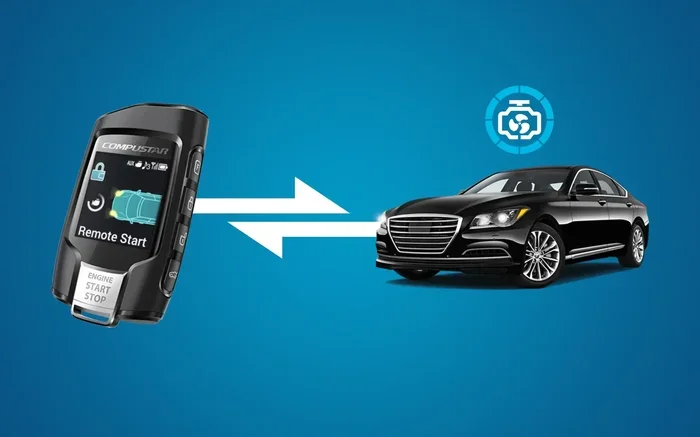
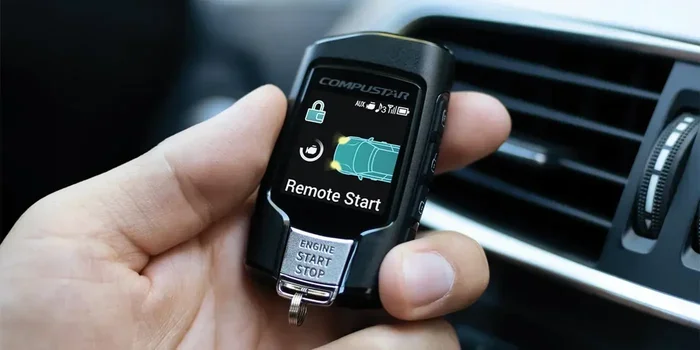
Your key fob is the handheld device you carry in your pocket or purse. It contains a small transmitter that sends a coded signal when you press the remote start button. This signal is the trigger for the entire process.
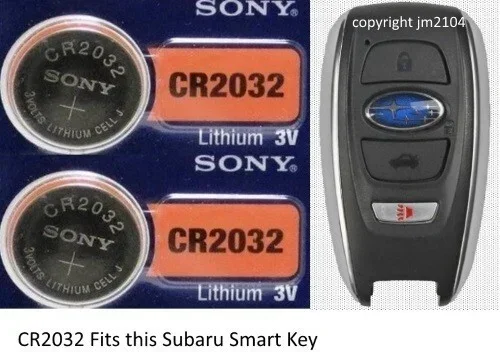
Inside the fob is a tiny battery, usually a CR2032 coin cell. When the battery weakens, your signal range drops. You may notice that your remote engine controls stop working from a distance. Replacing the battery often solves this problem instantly.
The fob communicates with a transceiver inside your vehicle. The transceiver acts as a receiver. It picks up the fob’s signal and passes it to the control module for processing. Without this pair, your remote start system would not function at all.
The Antenna
Every car remote start system needs an antenna. This component receives the radio frequency (RF) signal from your key fob. Most vehicles have the antenna built into the roof or the rear window area.
Aftermarket systems often include a separate antenna that professionals mount inside the car. The placement matters. An antenna placed near the vehicle’s center receives signals more reliably than one tucked in a corner.
Signal strength depends on several factors:
- Distance: Most systems work within 200 to 500 feet.
- Obstacles: Buildings, trees, and walls weaken the signal.
- Interference: Other electronic devices can disrupt the frequency.
- Battery power: A weak fob battery reduces range significantly.
Understanding these factors helps you troubleshoot range issues. If your remote start stops working at the usual distance, the antenna or fob battery is the first thing to check.
The Starter Motor and Ignition System
Once the control module receives a valid signal and verifies all safety conditions, it activates the starter motor. This is the same motor that cranks your engine when you turn the key or press the push button start.
In a remote engine start, the control module sends a signal to the starter relay. The relay engages the starter motor, which turns the engine over. Fuel is injected, spark plugs fire, and the engine comes to life.
Modern vehicles have an immobilizer system for security. This feature prevents the engine from starting unless the correct key is present. For remote start to work, the system must bypass this immobilizer temporarily. The control module handles this using a security code that matches the one stored in the vehicle’s computer.
The Vehicle’s Computer and Sensors
Your vehicle’s computer plays a big role in remote start operation. It monitors dozens of sensors before allowing the engine to run remotely. These sensors check things like coolant temperature, transmission position, and door status.
If any sensor reports a problem, the system will not start. This safety feature prevents damage to your engine and protects your vehicle. For example, if the transmission is not in park, the remote start system will refuse to engage.
The vehicle’s computer also manages the engine control unit during remote start. It adjusts the fuel mixture and idle speed based on current conditions. In cold weather, it enriches the fuel mixture to help the engine warm up faster.
How Does Remote Start Actually Work?
Now that you know the components, let us walk through the actual process step by step. Understanding the sequence helps you see how everything connects.
Step-by-Step Process
- You press the button: Your key fob sends an encrypted radio signal.
- The antenna receives it: The vehicle’s antenna picks up the signal.
- The control module processes it: The module checks the security code and verifies all safety conditions.
- The ignition system activates: The control module sends a signal to the starter motor and ignition system.
- The engine starts: Fuel flows, spark plugs fire, and the engine turns over.
- The system monitors: The vehicle’s computer keeps the engine running and manages idle speed.
- Timeout triggers: After a set time (usually 10 to 20 minutes), the engine shuts off automatically.
That entire process happens in seconds. You press one button, and your vehicle comes to life. It is a well-orchestrated sequence that relies on every component working correctly.
What Controls the Range?
The distance at which your remote start system works depends on the vehicle range setting. Factory systems typically work within 200 feet. Aftermarket systems can reach up to 1,000 feet or more with upgraded antennas.
Your range is affected by:
- Fob battery strength: A fresh battery gives maximum range.
- Antenna condition: A damaged antenna reduces reception.
- Environmental factors: Mountains, tall buildings, and dense forests block signals.
- System age: Older systems may have weaker transmitters.
If you find yourself standing closer to your car than you would like, check these factors first. A simple battery replacement often restores full range.
Factory Remote Start vs Aftermarket Systems
Not all remote start systems are created equal. Your vehicle may have a factory remote start built into its original design, or you may need to add an aftermarket remote start kit. Both approaches have pros and cons.
Factory Remote Start
Factory systems come integrated into your vehicle from the manufacturer. They are designed to work seamlessly with your car’s existing electronics. The control module is built into the vehicle’s architecture, and the key fob matches your original key design.
Benefits of factory systems include:
- Seamless integration: No visible wires or extra boxes.
- Warranty-friendly: The system is covered under your vehicle’s warranty.
- Reliability: Factory parts are tested for long-term durability.
- Simple operation: The controls match your vehicle’s existing interface.
The downside is that factory remote start is not available on every trim level. You may need to upgrade to a higher package to get it.
Aftermarket Remote Start
Aftermarket systems are added by a professional installer or as a DIY project. They offer more features and flexibility than factory setups. Popular brands include Compustar, Viper, and DroneMobile.
Advantages of aftermarket systems include:
- More features: Smartphone control, GPS tracking, and longer range.
- Works on any vehicle: You can add remote start to older cars without it.
- Customizable: You can adjust settings to match your preferences.
- Cost-effective: Often cheaper than upgrading to a factory-equipped trim.
The trade-off is installation complexity. A poorly installed aftermarket system can cause electrical problems. Always choose a certified professional for the best results.
Comparison Table
| Feature | Factory Remote Start | Aftermarket Remote Start |
|---|---|---|
| Installation | Built-in from factory | Added by installer |
| Range | 200-500 feet | 200-3,000+ feet |
| Smartphone Control | Sometimes included | Usually available |
| Warranty | Covered under vehicle | |
| Cost | Included in vehicle price | $200-$500+ |
| Customization | Limited | Highly customizable |
Common Remote Start Problems and Solutions
Even the best remote start system can have issues. Understanding common problems saves you time and money. Here are the most frequent issues drivers face.
The Fob Does Not Work
If pressing the button does nothing, start with the battery. A dead or weak fob battery is the number one cause of remote start failure. Replace it with a fresh CR2032 battery and test again.
If the battery is new and the fob still does not work, the transmitter inside may be damaged. You may need to reprogram the fob or replace it entirely.
The Engine Starts but Stalls Immediately
This happens when the immobilizer system does not recognize the security code from the fob. The engine turns over but shuts down because the vehicle does not trust the signal.
Common causes include:
- A fob that needs reprogramming
- A faulty control module
- Wiring issues in the remote start system
- A depleted fob battery
Start by replacing the fob battery. If that does not solve the problem, have a professional check the control module and wiring.
Short Range or No Signal
If your remote engine only works when you are standing right next to the car, the antenna or transmitter is likely weak. Check the fob battery first. Then inspect the vehicle’s antenna for damage or corrosion.
Weather can also affect signal strength. Cold temperatures reduce battery output in both the fob and the vehicle, which can shorten your effective range.
The System Does Not Work in Cold Weather
Cold weather is tough on remote start systems. Low temperatures reduce battery efficiency and can cause the engine to struggle starting. If your system works in summer but fails in winter, the fob battery is the likely culprit.
Keep a spare fob battery in your glove box during winter months. This simple habit prevents cold-weather surprises.
Tips for Getting the Most From Your Remote Start
Your remote start system is an investment. Taking care of it ensures years of reliable service. Here are practical tips that make a real difference.
Replace Fob Batteries Regularly
Do not wait for your fob to stop working. Replace the battery every 12 to 18 months. Set a calendar reminder if needed. A fresh battery ensures strong signal strength and reliable operation.
Keep Your Fob Away from Metal Objects
Metal blocks radio signals. Storing your fob in a metal wallet or pocket full of keys can weaken the signal. Keep it in a dedicated pouch or an interior pocket for best results.
Program Your System Correctly
Take the time to follow the programming instructions carefully. A remote start system that is not programmed correctly will cause frustration. If you are unsure, have a professional handle the setup.
Use the Vehicle-Specific Security Code
Modern systems use rolling codes that change with every press. This prevents thieves from copying your signal. Never share your security code or fob with anyone you do not trust completely.
Have the System Serviced Annually
Like any electronic system, your remote start system benefits from regular checkups. A professional can test the antenna, check wiring connections, and update firmware if needed. This preventive maintenance catches small problems before they become big ones.
Expert Insights on Remote Start Technology
Industry professionals emphasize that remote start technology has evolved dramatically in recent years. The systems are more secure, more reliable, and more feature-rich than ever before.
“The biggest misconception we hear is that remote start damages the engine,” says a certified automotive technician with over 15 years of experience. “In reality, modern engines are designed to handle extended idle periods. The control module manages everything safely.”
Another expert points to smartphone integration as the biggest trend. “Today’s aftermarket remote start systems let you start your car from anywhere with a phone signal. The vehicle range is essentially unlimited when you use a cellular connection.”
These insights highlight how far the technology has come. What once required a bulky aftermarket box now fits seamlessly into modern vehicles.
Key Takeaways
- The Control Module: Acts as the brain of your remote start system, managing all signals and commands.
- The Key Fob: Sends encrypted signals to your vehicle to trigger the engine start sequence.
- The Antenna: Receives the signal from your fob and passes it to the control module.
- Factory vs Aftermarket: Both systems work similarly, but installation and features differ significantly.
- Security Features: Modern systems include immobilizer bypass and rolling codes for safe operation.
- Common Issues: Weak fob batteries, faulty antennas, and wiring problems cause most remote start failures.
Conclusion
What controls remote start? The answer lies in a network of components working together seamlessly. From the key fob in your pocket to the control module under your dashboard, every part plays a vital role.
Understanding this system empowers you as a vehicle owner. You can troubleshoot problems with confidence, make informed decisions about factory vs aftermarket options, and maintain your system for long-term reliability.
The next time you press that button and hear your engine turn over from across the lot, you will know exactly what is happening behind the scenes. Your remote start system is a marvel of modern engineering, and now you understand how it all works.
Take care of your system, keep the batteries fresh, and enjoy the comfort and convenience that remote engine start provides. It is one of those features that you never want to live without once you are used to it.
Frequently Asked Questions
What is the main component that controls remote start?
The control module is the central component that manages all signals and commands in a remote start system. It receives signals from your key fob, verifies security codes, and activates the starter motor when all conditions are met.
Can I add remote start to any vehicle?
Yes, most vehicles can be fitted with an aftermarket remote start system. However, vehicles with push button start or advanced security features may require a more complex installation. Consult a professional installer for the best results.
Does remote start damage my engine?
No. Modern engines are designed to handle remote engine start without damage. The vehicle’s computer manages fuel delivery, idle speed, and warm-up time to protect the engine during remote operation.
How far can a remote start signal reach?
Most factory systems work within 200 to 500 feet. Aftermarket systems with upgraded antennas can reach up to 3,000 feet or more. Your vehicle range depends on the fob battery, antenna condition, and environmental factors.
Why does my remote start not work in cold weather?
Cold temperatures reduce battery efficiency in both the key fob and the vehicle. Replace your fob battery before winter and keep it in an interior pocket for best signal strength. This simple step often resolves cold-weather remote start issues.
Is remote start safe for my vehicle’s security?
Yes. Modern remote start systems use rolling codes and immobilizer bypass technology to keep your vehicle secure. The engine only starts when the correct security code is verified, preventing unauthorized access.