How Much Does It Cost to Fix an Overheating Car Today
The cost to fix an overheating car ranges from $100 for a simple coolant top-off to over $2,500 for serious engine damage. Most common repairs like thermostat or water pump replacement fall between $150 and $500. Acting fast when you notice overheating symptoms can save you hundreds of dollars in major engine repairs.
Key Takeaways
- Minor overheating fixes like coolant refills or thermostat replacement cost between $100 and $300.
- Major repairs such as head gasket or engine replacement can exceed $2,500.
- Driving while overheating causes severe engine damage and increases repair costs dramatically.
- Regular maintenance including coolant flushes helps prevent overheating problems before they start.
- Location matters — labor rates vary by region and dealership vs. independent shop.
- Early detection of overheating symptoms saves money and keeps your car running safely.
📑 Table of Contents
- How Much Does It Cost to Fix an Overheating Car Today
- Why Cars Overheat: The Main Causes
- Overheating Car Repair Cost Breakdown
- How Location Affects Overheating Repair Costs
- Overheating Symptoms You Should Never Ignore
- What Happens If You Keep Driving an Overheating Car
- How to Prevent Overheating and Save Money
- DIY vs. Professional Repair: Which Saves More?
- Common Mistakes That Cause Overheating
- How Long Can an Overheating Car Run Before Damage Occurs?
- Final Thoughts on Overheating Car Repair Costs
How Much Does It Cost to Fix an Overheating Car Today
Your car’s temperature gauge spikes into the red zone. Steam curls from under the hood. Panic sets in. You are not alone. Overheating is one of the most common car problems drivers face, and it can turn a simple fix into a costly repair if you ignore it. So how much does it actually cost to fix an overheating car? The answer depends on what caused the problem in the first place.
The good news is that many overheating issues are affordable to repair. A thermostat replacement might cost you around $150 to $300. A coolant flush could be even cheaper. But if you keep driving with an overheating engine, you risk blowing a head gasket or cracking the engine block. Those repairs can easily reach $2,000 or more. This guide breaks down every possible cost so you know exactly what to expect.
We will walk through the most common causes of overheating, the repair costs for each, and what you can do to prevent problems in the future. Whether you are dealing with a minor coolant leak or a serious engine malfunction, this article has the answers you need.
Why Cars Overheat: The Main Causes
Understanding why your car overheats helps you understand why the repair costs vary so much. Every car has a cooling system that keeps the engine at a safe operating temperature. When something goes wrong in that system, heat builds up fast.
Low Coolant Level
Coolant (also called antifreeze) absorbs heat from the engine and carries it away through the radiator. When coolant levels drop, the system cannot work properly. Low coolant is the number one cause of overheating. It usually happens because of a small leak somewhere in the system. A coolant top-off costs very little, but finding and fixing the leak adds to the bill.
Broken Thermostat
The thermostat regulates how much coolant flows through the engine. When it gets stuck closed, coolant cannot circulate. The engine heats up quickly. Replacing a thermostat is one of the more affordable overheating repairs, typically costing between $150 and $300 including parts and labor.
Water Pump Failure
The water pump pushes coolant through the engine block and radiator. When it fails, coolant stops moving. The engine overheats within minutes. A water pump replacement generally costs between $300 and $750 depending on your vehicle make and model. Some cars have water pumps that are harder to access, which drives up the labor cost.
Radiator Problems
The radiator releases heat from the coolant into the air. If the radiator gets clogged, damaged, or the fan stops working, heat cannot escape. A radiator flush costs around $100 to $200. A full radiator replacement ranges from $300 to $900. A broken radiator fan motor adds another $150 to $400 to the repair bill.
Head Gasket Leak
This is the worst-case scenario. The head gasket sits between the engine block and cylinder head. When it fails, coolant leaks into the combustion chambers. A head gasket repair is expensive, typically costing between $1,000 and $2,500. In some cases, the engine damage is so severe that a full engine replacement is needed. This can cost $4,000 or more.
Clogged Catalytic Converter
Surprisingly, a clogged catalytic converter can also cause your car to overheat. When exhaust flow is restricted, heat builds up in the engine and exhaust system. This is a less common cause but still worth checking if you cannot find any cooling system issues. Repairing or replacing a catalytic converter costs between $200 and $1,000 depending on the severity.
Bad Catalytic Converter
Similarly, a bad catalytic converter restricts exhaust flow and causes excess heat. A failing catalytic converter often triggers the check engine light and can lead to overheating. Replacement costs typically range from $300 to $1,200, depending on the vehicle and whether you choose an original or aftermarket part.
Overheating Car Repair Cost Breakdown
Now let us get into the numbers. The table below shows average repair costs for the most common overheating causes. Keep in mind that prices vary based on your location, the make and model of your car, and whether you go to a dealership or an independent mechanic.
| Repair | Parts Cost | Labor Cost | Total Cost Range |
|---|---|---|---|
| Coolant Top-Off | $10–$30 | $0–$20 | $10–$50 |
| Coolant Flush | $30–$60 | $50–$100 | $80–$160 |
| Thermostat Replacement | $30–$80 | $70–$200 | $150–$300 |
| Water Pump Replacement | $50–$150 | $200–$500 | $300–$750 |
| Radiator Flush | $30–$50 | $50–$100 | $80–$200 |
| Radiator Replacement | $150–$400 | $150–$500 | $300–$900 |
| Radiator Fan Motor | $50–$150 | $100–$250 | $150–$400 |
| Head Gasket Repair | $200–$500 | $800–$2,000 | $1,000–$2,500 |
| Engine Replacement | $1,500–$3,000 | $1,000–$2,000 | $2,500–$5,000 |
| Catalytic Converter Repair | $100–$400 | $100–$200 | $200–$1,000 |
As you can see, the cost difference between a minor fix and a major repair is enormous. This is why it is so important to act quickly when you notice overheating symptoms. A $150 thermostat replacement today could save you from a $2,500 head gasket job tomorrow.
How Location Affects Overheating Repair Costs
Where you live plays a big role in how much you will pay for repairs. Labor rates vary significantly from one area to another. Here are some factors that influence the final cost:
- Dealership vs. independent shop: Dealerships typically charge 20% to 40% more for labor. However, they have access to factory diagnostics and genuine parts.
- Urban vs. rural areas: Mechanics in large cities charge higher rates because of higher operating costs. A repair that costs $300 in a small town might cost $450 in a major city.
- Vehicle type: Luxury cars and European models cost more to repair. Parts are more expensive and many shops charge higher labor rates for complex engines.
- Seasonal demand: Overheating is more common in summer months. During peak season, some shops may charge slightly higher rates due to demand.
If you are wondering whether you can handle a repair yourself, keep in mind that some overheating fixes are DIY-friendly. A coolant top-off or thermostat replacement can be done at home with basic tools. However, more complex repairs like a head gasket or water pump replacement require specialized equipment and expertise.
Overheating Symptoms You Should Never Ignore
Catching overheating early is the best way to keep repair costs low. Here are the warning signs to watch for:
- Temperature gauge in the red zone: Your dashboard temperature gauge is the first indicator. If it climbs into the red, pull over safely and turn off the engine.
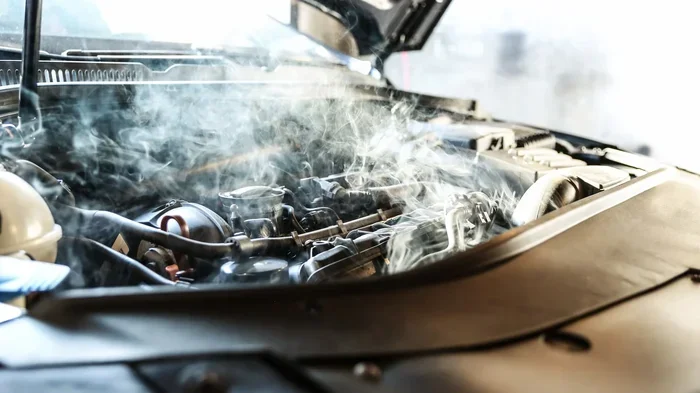
- Steam or smoke from the hood: This is a clear sign that coolant is boiling. Do not open the hood immediately. Wait a few minutes for the steam to subside.
- Coolant puddles under the car: Bright green, orange, or pink fluid under your car suggests a coolant leak. Get this checked right away.
- Unusual smells: A sweet smell from the engine bay often indicates a coolant leak. A burning smell could mean coolant is hitting hot engine parts.
- Engine malfunction warning light: If your dashboard shows an engine malfunction warning, do not ignore it. Continuing to drive with this light on can cause severe damage.
- Reduced heater output: If your car’s heater stops blowing hot air, the coolant level may be too low to circulate properly.
If you notice any of these symptoms, stop driving as soon as it is safe to do so. Continuing to drive an overheating car can turn a $200 repair into a $3,000 engine replacement. The damage happens fast, and every minute matters.
What Happens If You Keep Driving an Overheating Car
Some drivers try to tough it out and keep driving when the car overheats. This is a dangerous gamble. Here is what can happen when you ignore overheating warnings:
Warped Cylinder Head
Excessive heat causes the cylinder head to warp. Once warped, the head cannot seal properly against the engine block. This leads to compression loss, oil leaks, and eventually a blown head gasket. Repairing a warped cylinder head costs between $500 and $1,500.
Cracked Engine Block
In extreme cases, the engine block itself can crack from repeated overheating. A cracked engine block usually requires a full engine replacement. This is the most expensive overheating-related repair and can cost anywhere from $2,500 to $5,000 or more.
Damaged Catalytic Converter
Excessive heat from the engine can damage the catalytic converter over time. A damaged converter affects exhaust flow and emissions. This connects back to issues like a clogged catalytic converter or a bad catalytic converter, both of which can compound overheating problems.
Seized Engine
When the engine overheats severely, internal components can seize together. The pistons, connecting rods, and crankshaft can weld themselves in place. A seized engine means the car is completely dead and requires either a full rebuild or replacement. This is the most expensive outcome of ignoring overheating.
The bottom line is clear: do not keep driving an overheating car. Pull over, turn off the engine, and call for roadside assistance if needed. The cost of a tow is nothing compared to the cost of a destroyed engine.
How to Prevent Overheating and Save Money
Prevention is always cheaper than repair. Here are practical steps you can take to keep your car from overheating:
Check Coolant Levels Regularly
Make it a habit to check your coolant reservoir once a month. The coolant should be between the minimum and maximum marks. If it is low, top it off with the correct type of coolant for your vehicle. Using the wrong coolant can cause corrosion and reduce cooling efficiency.
Flush the Cooling System on Schedule
Most manufacturers recommend flushing the cooling system every 30,000 to 50,000 miles. Old coolant loses its effectiveness over time. A regular flush keeps the system clean and the coolant flowing properly. This simple maintenance step costs $80 to $160 and can prevent expensive overheating repairs.
Replace the Thermostat Before It Fails
Thermostats typically last about 10 years or 100,000 miles. If your car is approaching this age, consider replacing the thermostat proactively. A $200 preventative replacement is far cheaper than dealing with an overheating emergency on the highway.
Inspect Hoses and Belts
Coolant hoses and drive belts wear out over time. Cracked hoses can leak coolant silently. A loose or broken serpentine belt can stop the water pump from working. A quick visual inspection under the hood every few months can catch these issues early.
Watch the Temperature Gauge
Your temperature gauge is your best friend. Get in the habit of glancing at it during your daily drive. If you notice it climbing higher than normal, pull over and investigate. Many drivers ignore the gauge until it is too late.
Keep the Radiator Clean
Debris like leaves, dirt, and bugs can block airflow through the radiator. This reduces the radiator’s ability to cool the coolant. A simple rinse with a garden hose can keep the radiator working efficiently. This is especially important during hot summer months or if you frequently drive in dusty conditions.
Address Leaks Immediately
Even a small coolant leak can cause overheating over time. If you notice any coolant puddles, drops in coolant level, or sweet smells, get the leak diagnosed and repaired right away. Ignoring a small leak today can lead to a major repair tomorrow.
DIY vs. Professional Repair: Which Saves More?
Some overheating repairs are straightforward enough for a DIY approach. Others require professional tools and expertise. Here is a quick comparison:
- DIY-friendly repairs: Coolant top-off, radiator flush, thermostat replacement (on accessible models), and hose replacement. These save you money on labor costs.
- Professional repairs: Water pump replacement, head gasket repair, engine replacement, and catalytic converter work. These require specialized tools, diagnostic equipment, and advanced skills.
If you are not confident in your mechanical skills, it is always better to pay for professional help. A botched repair can cause more damage and end up costing more in the long run. However, if you have basic mechanical knowledge, tackling a thermostat or hose replacement yourself can save you $100 to $200 in labor costs.
Also keep in mind that some repairs might be covered by your warranty or extended service plan. Check with your dealership or warranty provider before committing to a repair. If you are wondering about insurance coverage, you might want to read about whether car insurance covers repairs for guidance on what your policy might include.
Common Mistakes That Cause Overheating
Many drivers accidentally contribute to their car’s overheating problems. Here are the most common mistakes:
- Ignoring the temperature gauge: Many drivers never look at their temperature gauge until something goes wrong. Make it a part of your daily driving routine.
- Using the wrong coolant: Different cars require different types of coolant. Mixing coolant types or using water instead of proper coolant can cause corrosion and overheating.
- Skipping coolant flushes: Old coolant becomes acidic and loses its cooling properties. Skipping scheduled flushes is a leading cause of cooling system failure.
- Driving with a low coolant level: Topping off once is not a permanent fix. If your coolant keeps dropping, you have a leak that needs professional attention.
- Neglecting the radiator fan: The radiator fan keeps air flowing through the radiator at low speeds. If the fan stops working, the car can overheat in traffic or at idle.
- Overloading the vehicle: Towing heavy loads or carrying excessive weight puts extra strain on the engine and cooling system. This is especially risky in hot weather.
How Long Can an Overheating Car Run Before Damage Occurs?
This is one of the most common questions drivers ask. The honest answer is it depends on the severity of the overheating and the outside temperature. In general, driving with an overheating engine for more than a few minutes can cause damage. Here is a rough timeline:
- 0 to 2 minutes: Minimal risk if you pull over immediately.
- 2 to 5 minutes: Risk of minor damage to gaskets and seals begins.
- 5 to 10 minutes: Serious risk of head gasket failure and warped components.
- 10+ minutes: High risk of catastrophic engine damage including cracked blocks and seized components.
The key takeaway is simple: do not keep driving. Even a few extra minutes of driving with an overheating engine can lead to thousands of dollars in repairs. If your car overheats, find a safe place to pull over, turn off the engine, and call for help.
While you are dealing with car troubles, you might also wonder about other common car concerns. For example, many drivers ask how long groceries can sit in a car without spoiling, or whether it is safe to drive with too much oil in the car. These everyday questions are just as important for keeping your vehicle in good shape.
Final Thoughts on Overheating Car Repair Costs
The cost to fix an overheating car can range dramatically depending on the root cause. Simple fixes like a coolant top-off or thermostat replacement cost under $300. But ignoring the problem can lead to head gasket repairs costing $1,000 to $2,500 or even engine replacement exceeding $3,000. The choice is clear: address overheating issues immediately and invest in regular preventive maintenance.
Your cooling system is the unsung hero of your engine. It works hard every time you drive, keeping temperatures safe and your engine running smoothly. Treat it well with regular checks, timely flushes, and prompt repairs, and it will serve you for years to come.
Remember that every dollar you spend on prevention today saves you from spending ten dollars on emergency repairs tomorrow. Keep an eye on that temperature gauge, check your coolant levels, and never ignore the warning signs. Your wallet and your car will thank you.
Frequently Asked Questions
What is the average cost to fix an overheating car?
The average cost ranges from $100 for a simple coolant top-off to $2,500 or more for serious engine damage. Most common repairs like thermostat or water pump replacement fall in the $150 to $750 range. The final cost depends on what caused the overheating and the type of vehicle you drive.
Can I drive my car if it is overheating?
No, you should not drive an overheating car. Continuing to drive can cause severe engine damage including warped cylinder heads, blown head gaskets, and cracked engine blocks. Pull over safely, turn off the engine, and call for roadside assistance if needed.
How do I know if my car is overheating?
The most obvious sign is the temperature gauge climbing into the red zone on your dashboard. Other signs include steam from the hood, coolant puddles under the car, unusual sweet smells, and reduced heater output. If you notice any of these, stop driving and investigate immediately.
Is it expensive to replace a water pump?
No, a water pump replacement is moderately priced, typically ranging from $300 to $750. The cost varies based on your vehicle’s make and model and the labor rates in your area. It is still much cheaper than repairing engine damage caused by prolonged overheating.
Can a clogged catalytic converter cause overheating?
Yes, a clogged catalytic converter can restrict exhaust flow and cause excess heat buildup in the engine. This is a less common cause of overheating but can contribute to the problem, especially when combined with other cooling system issues. Repair costs for a clogged catalytic converter typically range from $200 to $1,000.
How often should I flush my cooling system?
Most manufacturers recommend flushing the cooling system every 30,000 to 50,000 miles. Check your owner’s manual for the specific schedule for your vehicle. Regular flushes prevent old coolant from becoming acidic and losing its cooling effectiveness, which helps avoid overheating problems.