How Long Will a Toyota Camry Last and Why It Matters
The Toyota Camry is built to last, often reaching 200,000 to 300,000 miles with regular care. This iconic sedan has earned a reputation for reliability thanks to solid engineering and durable components. In this guide, we break down the Camry lifespan, what affects it, and how you can make yours last as long as possible.
Key Takeaways
- Long Lifespan: A well-maintained Toyota Camry can easily last 200,000 to 300,000 miles or more.
- Maintenance Matters: Regular oil changes, timing belt replacements, and fluid checks dramatically extend Camry life.
- Hybrid Advantage: Hybrid Camry models may offer even greater longevity due to less engine wear.
- Driving Habits Count: Gentle driving and avoiding extreme conditions help your Camry last longer.
- Repair Costs Stay Low: Camrys are affordable to maintain compared to many competitors.
- Resale Value Is Strong: A long-lasting Camry holds its value well over the years.
📑 Table of Contents
- How Long Will a Toyota Camry Last and What Makes It So Durable?
- Average Lifespan of a Toyota Camry
- What Affects How Long a Toyota Camry Will Last?
- Can You Make a Toyota Camry Last Even Longer?
- Common Toyota Camry Problems That Can Shorten Its Life
- How Much Does It Cost to Maintain a Toyota Camry Over Its Life?
- How Does the Camry Compare to Other Reliable Sedans?
- Final Thoughts on Toyota Camry Longevity
How Long Will a Toyota Camry Last and What Makes It So Durable?
If you are shopping for a reliable sedan, the Toyota Camry probably already sits at the top of your list. And for good reason. This car has been a household name for decades. People trust it. They buy it. They keep it for years. So the big question is simple. How long will a Toyota Camry last?
The short answer is impressive. Most Toyota Camrys can run well past 200,000 miles. Some owners push their Camrys to 300,000 miles or more. That kind of durability does not happen by accident. It comes from smart engineering, quality parts, and a design philosophy that prioritizes longevity. In this article, we will explore everything you need to know about the Toyota Camry lifespan. We will look at what affects how long it lasts, what maintenance steps matter most, and how you can get the most out of your investment.
Whether you already own a Camry or are thinking about buying one, this guide will give you real, practical answers. We will cover engine life, hybrid options, common issues, and simple tips that anyone can follow. Let us dive in.
Why the Toyota Camry Has Such a Strong Reputation
The Camry has been around since the 1980s. Over the decades, Toyota refined its design. They listened to owners. They fixed problems. The result is a car that just keeps going. Consumer Reports and J.D. Power consistently rank the Camry near the top for reliability. It is not unusual to see a 15-year-old Camry still cruising down the highway without major issues.
Part of the reason for this reputation is the car’s simplicity. Toyota did not overload the Camry with complicated technology. Instead, they focused on proven mechanics. The engines are straightforward. The transmissions are reliable. The body is solid. All of these factors add up to a vehicle that ages gracefully.
Average Lifespan of a Toyota Camry
So what is the real number when it comes to how many miles a Camry can last? Let us break it down by generation and driving conditions.
Typical Mileage Expectations
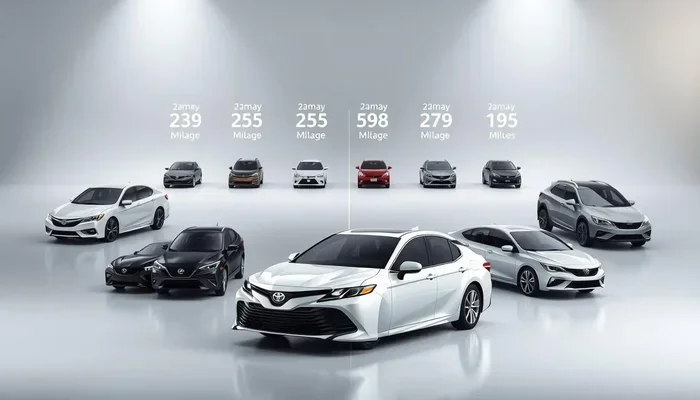
Most Toyota Camrys will last between 200,000 and 300,000 miles. With regular maintenance and careful driving, some models exceed that range. Here is a general breakdown:
- 100,000 miles: The Camry is just getting started. Major systems are still strong. Routine maintenance keeps everything running smoothly.
- 150,000 miles: Minor wear begins. You may need new brakes, tires, or suspension parts. The engine and transmission remain solid.
- 200,000 miles: This is a milestone many Camry owners reach. With proper care, the car feels nearly as good as day one.
- 250,000 to 300,000 miles: This is the territory of dedicated Camry owners who stayed on top of maintenance. The car is a true survivor.
For comparison, the average car on the road today lasts about 150,000 to 200,000 miles. The Camry clearly outperforms that average. If you want proof, search for stories of owners who have hit Can Toyota Camry Last 400 thousand miles. The results will inspire you.
How Long Does a Camry Engine Last?
The engine is the heart of any car. In a Toyota Camry, the engine is built to endure. Most Camry engines can last 250,000 miles or more before needing a major rebuild. The key factor is maintenance. Owners who change their oil regularly and follow the service schedule see the best results.
Toyota uses durable materials in the Camry engine block and internals. The 2.5-liter four-cylinder engine, which is the most common, is known for its longevity. The V6 engines found in older models also hold up well, though they may need more attention to fluid levels over time.
What Affects How Long a Toyota Camry Will Last?
Not every Camry lasts the same number of miles. Several factors play a role in determining how long your Camry will last. Understanding these factors helps you take control of your car’s future.
Maintenance Habits
This is the biggest factor. A Camry that gets regular oil changes, tire rotations, and fluid flushes will far outlast one that does not. Here are the maintenance items that matter most:
- Oil changes: Change your oil every 5,000 to 7,500 miles. Use the grade recommended in your owner’s manual.
- Timing belt replacement: This is critical. The timing belt should be replaced around 60,000 to 100,000 miles. Check At What Mileage Should A Timing Belt Be Replaced On A Toyota Camry for specific guidance.
- Transmission fluid: Flush and replace this fluid every 60,000 to 100,000 miles.
- Coolant system: Flush the coolant every 30,000 to 50,000 miles to prevent overheating.
- Brake service: Replace brake pads and rotors as needed. Do not let them wear down completely.
Skipping these services might save you a little money now. But it will cost you dearly later. A neglected Camry will break down far sooner than one that receives proper care.
Driving Conditions and Habits
How you drive your Camry matters more than you might think. Cars that spend most of their time on smooth highways tend to last longer than those used for stop-and-go city driving. Short trips are especially tough on engines because they do not reach full operating temperature.
Here are some driving habits that extend your Camry’s life:
- Avoid rapid acceleration and hard braking.
- Let the engine warm up for a minute before driving hard.
- Do not overload the vehicle beyond its recommended capacity.
- Store your Camry in a garage or covered area when possible.
- Avoid extreme heat or cold exposure when the car sits unused.
These habits reduce wear on the engine, transmission, and body. Over hundreds of thousands of miles, they add up to a significant difference.
Model Year and Generation
Not all Camrys are created equal. Some generations have better track records than others. The 2007 model year, for example, has had some recall notices. It is worth checking if there are Are There Any Recalls On A 2007 Toyota Camry before buying a used one from that era. Newer generations generally benefit from improved engineering and better materials.
That said, even older Camrys can last a very long time. The 1990s and early 2000s Camrys are known for their bulletproof reliability. The key is to buy a well-maintained example, regardless of the year.
Can You Make a Toyota Camry Last Even Longer?
Absolutely. The Toyota Camry is a forgiving car. It responds well to good care. And there are steps you can take to push its lifespan beyond the average.
Follow the Manufacturer’s Service Schedule
Toyota provides a detailed maintenance schedule in every owner’s manual. Follow it. Do not skip services just because the car seems fine. Many serious problems start small and grow silently. Regular inspections catch these issues early.
Use Quality Parts and Fluids
Cheap parts might save a few dollars upfront. But they often wear out faster and can cause damage to other components. Stick with OEM (Original Equipment Manufacturer) parts or high-quality aftermarket alternatives. Use the recommended grade of motor oil and coolant. This is especially important for the Toyota Camry because the engines are tuned for specific fluid specifications.
Address Issues Promptly
Do not ignore warning lights. Do not put off strange noises or vibrations. A small problem today can become a big repair next month. The longer you drive with an unresolved issue, the more damage it can cause. Fix things early and your Camry will thank you.
Keep the Car Clean
This might sound unrelated to engine life, but it is not. Road salt, dirt, and moisture cause rust and corrosion. Wash your Camry regularly. Wax the paint to protect the body. Clean the interior to prevent wear on seats and surfaces. A clean car is a cared-for car, and cared-for cars last longer.
Consider a Hybrid Camry
The Toyota Camry Hybrid is a great option for owners who want maximum longevity. Hybrid systems reduce engine wear because the electric motor handles some of the load. The brakes last longer thanks to regenerative braking. And the battery system is designed to last the life of the vehicle. If you are considering a new Camry, the hybrid version is worth a serious look.
One common question hybrid owners have is whether the hybrid battery can be jumped. If you own or are considering a Camry Hybrid, you might want to check Can You Jump Start A Toyota Hybrid Car for helpful information on this topic.
Common Toyota Camry Problems That Can Shorten Its Life
Even the most reliable car can develop issues. Knowing what to watch for helps you stay ahead of problems. Here are the most common issues that Camry owners face:
- Oil consumption: Some Camry models, particularly older V6 engines, consume more oil than expected. Check your oil level regularly and top it off as needed.
- Transmission hesitation: Older Camrys with automatic transmissions may hesitate when shifting. A fluid change or flush often fixes this.
- Check engine light: This can be triggered by many things, from a loose gas cap to a faulty sensor. If the light comes on, address it promptly.
- Rust on older models: Camrys from the 1990s and early 2000s are prone to rust on the wheel wells and rocker panels. Inspect these areas regularly.
- Suspension wear: Control arms, ball joints, and shocks wear out over time. Replace them to maintain a smooth and safe ride.
The good news is that none of these issues are deal-breakers. They are all manageable with regular attention. And fixing them early prevents cascading damage that could shorten your Toyota Camry lifespan.
How Much Does It Cost to Maintain a Toyota Camry Over Its Life?
One of the reasons the Camry lasts so long is that it is affordable to maintain. Compared to luxury brands or even some other mainstream competitors, the Camry keeps repair costs reasonable.
Here is a rough estimate of annual maintenance costs for a Camry:
- Routine maintenance (oil, filters, fluids): $200 to $400 per year
- Brake service: $150 to $300 every 30,000 to 50,000 miles
- Timing belt replacement: $500 to $1,000 (done once around 60,000 to 100,000 miles)
- Major repairs (transmission, engine): Rare before 150,000 miles. Budget $1,500 to $4,000 if needed.
Over a 15-year lifespan, total maintenance costs for a Camry are typically lower than the cost of a single major repair on many other vehicles. This is part of why the Camry is such a smart buy. The Toyota Camry reliability translates directly into lower ownership costs over time.
How Does the Camry Compare to Other Reliable Sedans?
The Camry does not stand alone in the reliability department. Several other sedans are known for longevity. Here is how the Camry stacks up against a few popular competitors:
- Honda Accord: Similar lifespan of 200,000 to 300,000 miles. Also very reliable but may have slightly higher repair costs as it ages.
- Hyundai Sonata: A good value with a solid warranty. Lifespan is slightly shorter on average, around 150,000 to 250,000 miles.
- Nissan Altima: Reliable but tends to need more repairs after 100,000 miles compared to the Camry.
- Honda Civic: A compact option with similar reliability. Slightly shorter lifespan due to smaller components working harder.
The Camry consistently comes out ahead in long-term ownership surveys. Its combination of durability, low repair costs, and strong resale value makes it a top choice for buyers who want a car that lasts.
Final Thoughts on Toyota Camry Longevity
The Toyota Camry is one of the most dependable cars you can buy. With a potential lifespan of 200,000 to 300,000 miles or more, it offers incredible value for the money. The key to unlocking that longevity is straightforward. Maintain the car properly. Drive it gently. Address issues quickly. Use quality parts.
Whether you drive a gas-powered Camry or a hybrid model, the principles are the same. Take care of your car, and it will take care of you for years to come. The Camry has proven itself over decades. It is a car that rewards owners who invest a little time and attention into its upkeep.
If you are currently shopping for a Camry, look for well-documented service history. If you already own one, keep following the maintenance schedule and enjoy the miles ahead. The Toyota Camry is not just a car. It is a long-term partner on the road.
For more tips on making your vehicle last, check out our guide on How To Make A Car Last 500 thousand miles for strategies that apply to any vehicle, including the Camry.
Frequently Asked Questions
How many miles can a Toyota Camry last?
A well-maintained Toyota Camry can last between 200,000 and 300,000 miles. Some owners have even pushed their Camrys past 300,000 miles with diligent care and regular maintenance. The engine and transmission are built to handle high mileage, which is a big part of the Camry’s reputation for durability.
What is the most important maintenance task for a Toyota Camry?
Regular oil changes are the single most important maintenance task. Clean oil keeps the engine lubricated and prevents premature wear. Beyond that, timing belt replacement and transmission fluid flushes are critical for long-term Camry health. Staying on top of these services makes a huge difference.
Is the Toyota Camry hybrid more reliable than the gas version?
The hybrid Camry benefits from reduced engine wear because the electric motor shares the workload. The regenerative braking system also reduces stress on brake components. Overall, the hybrid Camry can offer slightly better longevity, though both versions are highly reliable and built to last.
At what mileage does a Toyota Camry start having problems?
Most Camrys remain trouble-free well past 100,000 miles. Some owners report minor issues like oil consumption or suspension wear starting around the 100,000 to 150,000-mile mark. Regular maintenance helps prevent these issues from becoming serious problems.
Can a Toyota Camry last 400,000 miles?
Yes, it is possible. While 200,000 to 300,000 miles is more typical, some dedicated owners have reached 400,000 miles or more. This requires exceptional maintenance habits, gentle driving, and prompt attention to any issues that arise. The Camry’s strong engineering makes this level of longevity achievable.
How does the Toyota Camry’s lifespan compare to other Toyota models?
The Camry is among the longest-lasting Toyota models, alongside the Corolla and Tacoma. Toyota builds all of its vehicles with durability in mind, but the Camry’s combination of a refined engine, comfortable ride, and affordable maintenance makes it a standout choice for long-term ownership.