How to Test a BMW Oil Level Sensor and Get It Right
Testing your BMW oil level sensor is easier than you think, and it can save you hundreds in dealership diagnostics. This guide walks you through the symptoms of a failing sensor, the tools you need, and the exact testing steps for BMW models. You will learn how to reset the sensor, interpret warning lights, and decide whether to replace or repair the unit.
If you own a BMW, you know how frustrating it can be when a warning light pops up on your dashboard for no obvious reason. One of the most common culprits behind mysterious oil warnings is the BMW oil level sensor. This small but important component monitors your engine oil and sends data to your car’s computer. When it malfunctions, it can give you false readings, unnecessary anxiety, and even costly trips to the dealer.
The good news is that testing a BMW oil level sensor does not require a mechanical engineering degree. With the right tools and a little patience, you can diagnose the problem yourself. In this guide, we walk you through every step of the process. Whether you drive a BMW 3 Series, 5 Series, X5, or another model, the principles remain the same. We will cover symptoms, testing methods, reset procedures, and replacement tips.
So grab your toolbox and let us get into it. By the end of this article, you will feel confident tackling this BMW maintenance task on your own.
Key Takeaways
- BMW oil level sensors use a float or electronic probe: understanding which type your car has is the first step.
- Common symptoms include false low oil warnings: the dashboard light may flash even when oil levels are fine.
- You only need basic tools to test the sensor: a multimeter, OBD-II scanner, and clean rags are enough.
- Resetting the sensor after testing is critical: skipping this step can cause persistent error codes.
- DIY testing can prevent costly trips to the dealer: many BMW owners overpay for simple sensor diagnostics.
- Low oil can trigger the same warning as a bad sensor: always check your actual oil level first.
- Replacing the sensor costs between $100 and $300: doing it yourself saves significant labor charges.
📑 Table of Contents
- Understanding the BMW Oil Level Sensor
- Common Symptoms of a Failing BMW Oil Level Sensor
- Tools You Will Need to Test the Sensor
- Step-by-Step: How to Test a BMW Oil Level Sensor
- Resetting the BMW Oil Level Sensor After Testing
- When to Replace the BMW Oil Level Sensor
- Common Mistakes to Avoid When Testing
- How Does a Bad Oil Level Sensor Affect Your BMW?
- Expert Tips for Accurate Oil Level Sensor Testing
- Conclusion
Understanding the BMW Oil Level Sensor
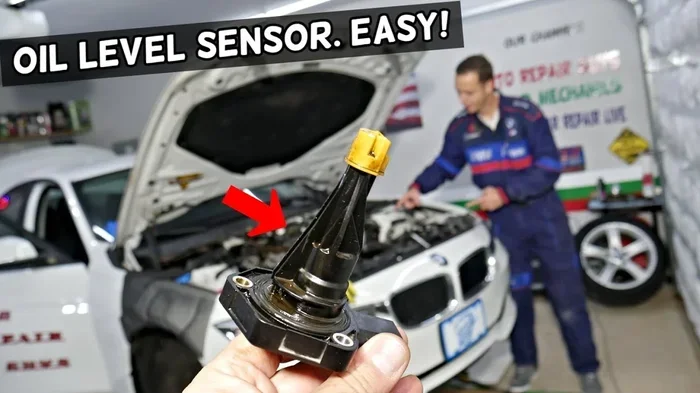
Before you start testing anything, it helps to understand what the sensor does and how it works. The BMW oil level sensor measures the amount of oil inside your engine’s oil pan. It sends this information to the iDrive system or the instrument cluster, so you always know your oil status.
Most BMWs use one of two types of oil level sensors. The first type is a float-style sensor. It uses a small buoyant arm that moves up and down with the oil surface. The second type is an electronic probe sensor. This one uses electrical resistance to measure oil levels. Newer BMW models tend to use electronic sensors because they offer more precise readings.
Where Is the Oil Level Sensor Located?
On most BMW engines, the oil level sensor sits on the side of the oil pan. You will usually find it near the front of the engine bay, close to the oil drain plug. The exact location varies slightly depending on your engine type. For example, the N55 engine in the 335i and 535i places the sensor in a slightly different spot than the N20 engine found in the 328i and 528i.
Accessing the sensor is usually straightforward. In most cases, you do not need to remove any major components. A basic under-hood inspection is often enough to locate it. However, some BMW models with engine covers may require removing a plastic cover first.
Common Symptoms of a Failing BMW Oil Level Sensor
How do you know if your oil level sensor is going bad? There are several telltale signs that point to a malfunction. Recognizing these symptoms early can prevent bigger problems down the road.
1. False Low Oil Warnings
The most obvious symptom is a false low oil warning on your dashboard. You just checked your oil and it is at the perfect level, but the warning light keeps coming on. This is a classic sign that the sensor is sending incorrect data to the BMW iDrive system. The light may flicker, stay on constantly, or appear and disappear randomly.
2. Inaccurate Oil Level Readings
Some BMW models display a digital oil level reading in the vehicle information menu. If the reading jumps around or does not change after adding oil, the sensor is likely faulty. A healthy sensor should show a stable reading that adjusts when you add or remove oil.
3. Oil Warning Light Stays On After Service
After an oil change, the warning light should turn off within a few minutes or after a reset. If it stays on, the sensor may not be registering the new oil correctly. This can also happen if the sensor connector is corroded or loose.
4. Intermittent Dashboard Warnings
A failing sensor often causes intermittent warnings. You might see the oil light come on when the engine is cold and disappear once it warms up. Or it might only appear on bumpy roads. These inconsistent patterns are strong indicators of a sensor issue rather than an actual oil problem.
5. Check Engine Light with Oil-Related Codes
Sometimes the problem shows up as a check engine light with a specific diagnostic trouble code. Common codes related to oil level include P0520 through P0524, which reference oil pressure or oil level sensor circuit issues. Using an OBD-II scanner can help you pull these codes and confirm the sensor is the problem.
It is worth noting that some of these symptoms overlap with real oil problems. Before assuming the sensor is bad, always verify your actual oil level using the dipstick or the electronic oil check procedure. Low oil can cause the same warnings as a faulty sensor, and running your engine with low oil can cause serious damage.
Tools You Will Need to Test the Sensor
Testing a BMW oil level sensor does not require expensive professional equipment. Here is a simple list of what you need:
- Digital multimeter: This is essential for testing the sensor’s electrical resistance and voltage output.
- OBD-II scanner: A quality scanner lets you read and clear diagnostic trouble codes from your BMW’s computer.
- Basic hand tools: A 10mm or 12mm socket, a ratchet, and a torque wrench will help you access and remove the sensor.
- Clean rags or paper towels: You will need these to clean the sensor area and check for oil leaks.
- Safety gloves and glasses: Always protect yourself when working around hot engines and oil.
- BMW-specific diagnostic software (optional): Tools like ISTA or INPA can provide deeper sensor data, but they are not required for basic testing.
Having these tools ready before you start makes the whole process much smoother. You do not want to be halfway through the test and realize you are missing something.
Step-by-Step: How to Test a BMW Oil Level Sensor
Now for the part you have been waiting for. Here is the complete testing process broken down into clear, manageable steps. Follow them in order for the most accurate results.
Step 1: Check the Actual Oil Level First
Before you test the sensor, confirm that your oil level is actually correct. Low oil can trick the sensor into giving false readings. Pull the dipstick or use the electronic oil level check procedure for your specific BMW model. Top off the oil if needed and then proceed to the next step.
Step 2: Locate and Inspect the Sensor
Pop the hood and find the oil level sensor on the oil pan. Visually inspect it for any signs of damage, corrosion, or oil leaks around the connector. A corroded connector can cause intermittent problems that look like a bad sensor. Clean the connector with electrical contact cleaner if you see any green or white buildup.
Step 3: Disconnect the Sensor Connector
Carefully unplug the electrical connector from the sensor. Press the locking tab and pull gently. Do not yank on the wires. Inspect the pins inside the connector for bending, corrosion, or moisture.
Step 4: Test the Sensor with a Multimeter
Set your digital multimeter to measure resistance (ohms). Touch the probes to the sensor terminals. Compare your reading to the specifications in your BMW service manual. Most BMW oil level sensors should read between 100 and 180 ohms at room temperature when the oil level is at the minimum mark. As oil rises, the resistance should change smoothly.
If the reading is open (infinite resistance) or zero, the sensor is likely faulty. If the reading fluctuates wildly when you move the float, the internal components are worn out.
Step 5: Test the Wiring and Connector
With the sensor disconnected, check the wiring harness for continuity. You want to make sure there are no broken wires between the sensor connector and the BMW’s engine control module. A break in the wiring can mimic a bad sensor and cause the same warning lights.
Step 6: Use an OBD-II Scanner for Confirmation
Plug your OBD-II scanner into the diagnostic port under the dashboard. Read any stored codes related to the oil level sensor. Clear the codes, then start the engine and see if they return. If the same code comes back immediately, you have confirmed a sensor or wiring problem.
For a more thorough diagnosis, you can monitor the live sensor data through the scanner. Watch how the readings change as you add small amounts of oil. The values should move smoothly and predictably.
Resetting the BMW Oil Level Sensor After Testing
Once you have tested and confirmed the sensor is working correctly, the next step is to reset it. This is a crucial step that many BMW owners overlook. A reset tells the car’s computer that the oil level has been verified and that the system is functioning normally.
To reset the oil level sensor on most BMW models, follow these steps:
- Start the engine and let it idle for about 30 seconds.
- Turn the engine off and wait 10 seconds.
- Use the iDrive system to navigate to the vehicle status menu.
- Select the oil level reset option and confirm.
- Turn the ignition off and then back on to verify the warning light is gone.
If you do not have the iDrive reset option available, you can also use an OBD-II scanner to reset the oil level adaptation values. This method works on all BMW models and clears any stored sensor-related codes permanently.
After resetting, take your BMW for a short drive and monitor the dashboard. The oil warning should stay off, and the digital oil level reading should remain stable. If the light comes back on, you may need to repeat the testing process or consider a sensor replacement.
When to Replace the BMW Oil Level Sensor
Testing the sensor gives you the information you need to decide whether to replace it. Here are the situations where replacement is the right call:
- The multimeter shows open or zero resistance: This means the internal sensor element has failed and cannot be repaired.
- The sensor connector is physically damaged: If the housing is cracked or the pins are badly corroded, replacement is safer than repair.
- You have confirmed the wiring is good but readings are still erratic: This points directly to a faulty sensor unit.
- The warning light returns after a reset: Persistent false warnings even after proper reset indicate a sensor that needs replacing.
A new BMW oil level sensor typically costs between $50 and $150 for the part itself. If you go to a dealership, labor charges can add another $100 to $200. But if you do the replacement yourself, you save on labor and can have the job done in under 30 minutes. This is one of the easiest BMW DIY repairs you can do.
Before purchasing a replacement sensor, make sure you get the correct part number for your specific BMW model and engine. Using the wrong sensor can lead to continued problems and wasted money. Check your owner’s manual or consult a BMW parts catalog to find the right match.
Common Mistakes to Avoid When Testing
Even experienced DIYers can make mistakes when testing a BMW oil level sensor. Here are the most common errors and how to avoid them:
- Skipping the actual oil level check: Always verify oil level first. A true low oil condition will trigger the same warnings as a bad sensor.
- Ignoring corroded connectors: Cleaning the connector often solves problems that look like sensor failures. Do not replace the sensor until you have ruled out a simple wiring issue.
- Not resetting the sensor after service: Failing to reset after an oil change or sensor test can leave error codes active and warning lights on.
- Using the wrong multimeter settings: Always set your multimeter to the correct mode before testing. Using the wrong setting can give false readings and lead you down the wrong path.
- Relying solely on the dashboard warning: The oil light is a general warning that can be triggered by multiple issues. Always perform a full diagnosis before assuming the sensor is the problem.
Avoiding these mistakes saves time, money, and frustration. A methodical approach to testing will always give you better results than guesswork.
How Does a Bad Oil Level Sensor Affect Your BMW?
You might wonder, what happens if you just ignore a bad oil level sensor? The short answer is: it can lead to bigger problems. A sensor that consistently gives false readings can mask a real oil issue. If your oil is actually low and the sensor fails to warn you, your engine could suffer damage from inadequate lubrication.
On the other hand, a sensor that constantly triggers false warnings can cause unnecessary stress and lead to unnecessary trips to the shop. Some BMW owners have reported spending hundreds of dollars at the dealership for diagnostics that turned out to be a simple sensor issue. Testing the sensor yourself eliminates this guesswork and puts you in control of your BMW maintenance.
Additionally, a persistent oil warning can cause your vehicle to fail emissions inspections in some states. The check engine light triggered by a faulty sensor can set off a chain of diagnostic failures that are easy to avoid with proper sensor maintenance.
Expert Tips for Accurate Oil Level Sensor Testing
Here are some pro tips that experienced BMW technicians use when testing oil level sensors:
- Always test with the engine at operating temperature: Cold readings can differ significantly from warm readings and give you inaccurate data.
- Document your readings: Write down the multimeter values and any OBD-II codes you find. This creates a reference point for future diagnostics.
- Check the sensor ground wire: A bad ground can cause all sorts of erratic sensor behavior. Make sure the ground connection is clean and secure.
- Compare readings between similar BMW models: Online BMW forums are a great resource for finding expected sensor values for your specific model and year.
- Do not ignore software updates: Some BMW oil level sensor issues are caused by software bugs that can be fixed with an update from the dealer.
These small tips can make a big difference in the accuracy of your testing and help you avoid misdiagnoses.
Conclusion
Testing your BMW oil level sensor is a straightforward process that any BMW owner can do at home with basic tools. By following the steps in this guide, you can accurately diagnose whether your sensor is working properly or needs replacement. You will save money on dealership diagnostics, gain confidence in your BMW maintenance skills, and keep your car running smoothly.
Remember to always check your actual oil level first, inspect the sensor connector, use a multimeter for resistance testing, and reset the system after completing the test. If the sensor is faulty, replacing it is a quick and affordable fix that takes less than an hour. Your BMW deserves accurate oil monitoring, and now you have the knowledge to make sure it gets it.
Take the time to test your sensor today. A small investment of your time now can prevent big headaches and expensive repairs down the road. Your BMW and your wallet will thank you.
Frequently Asked Questions
What are the symptoms of a bad BMW oil level sensor?
Common symptoms include false low oil warnings, inaccurate digital oil readings, an oil light that stays on after an oil change, and intermittent dashboard warnings. These signs often point to a sensor that is sending incorrect data to your BMW’s computer system.
Can I drive my BMW with a faulty oil level sensor?
You can drive short distances, but it is not recommended for extended periods. A faulty sensor may fail to warn you about actual low oil, which can cause serious engine damage. Always verify your oil level manually if you suspect the sensor is not working correctly.
How much does it cost to replace a BMW oil level sensor?
The part itself typically costs between $50 and $150. If you go to a dealership, labor charges can add another $100 to $200. However, this is a simple DIY repair that most BMW owners can complete in under 30 minutes, saving significant money on labor.
Do I need special tools to test the BMW oil level sensor?
No special tools are required. A digital multimeter, an OBD-II scanner, basic hand tools, and a clean rag are all you need. These are common items that most car owners already have in their garage or toolbox.
Can low oil cause the same warning as a bad oil level sensor?
Yes, absolutely. Low oil and a faulty sensor can trigger the same dashboard warning. Always check your actual oil level with the dipstick or electronic check procedure before assuming the sensor is the problem. This simple step can save you from replacing a perfectly good sensor.
How often should I test my BMW oil level sensor?
There is no set schedule for testing the oil level sensor. However, it is a good idea to test it whenever you notice warning lights, after an oil change if the light does not turn off, or during routine BMW maintenance checks. Proactive testing can catch problems before they lead to bigger issues.
=== INTERNAL LINKS ===
Before you dive into testing, it is worth noting that low oil levels can cause serious engine problems. If you have been concerned about whether your car can overheat due to low oil, check out our detailed guide on can a car overheat with low oil. Understanding the relationship between oil levels and engine temperature helps you better interpret your BMW’s warning signals.
Once you have tested your sensor and resolved any issues, you may want to understand the broader picture of BMW maintenance costs. Many owners wonder whether dealer diagnostics are worth the expense. Learn more about do dealers charge a diagnostic fee and how to avoid unnecessary charges.
Finally, if your testing reveals that the oil level sensor is working fine but you are still getting warnings, the issue might be related to your cooling system. A clogged catalytic converter can sometimes cause overheating symptoms that mimic oil problems. Read our article on can a clogged catalytic converter cause a car to overheat to rule out this possibility.