How Long Can Groceries Sit in a Car Before They Spoil
Groceries should never sit in a car longer than 30 minutes in warm weather and no more than 2 hours in mild conditions. Perishable foods like dairy, meat, and fresh produce enter the temperature danger zone quickly, putting you at risk for foodborne illness. This guide covers safe time limits, storage tips, and how to protect your grocery shopping haul from spoilage.
Key Takeaways
- 2-Hour Rule: Perishable groceries should not sit in a car for more than 2 hours, or 1 hour if the temperature is above 90°F.
- Temperature Danger Zone: Bacteria multiply rapidly between 40°F and 140°F, making your car a risky spot for fresh food.
- Insulated Bags Help: Using insulated grocery bags or coolers can extend safe storage time significantly.
- Frozen Foods Thaw Fast: Frozen items can start thawing within 30 minutes in a warm car, affecting quality and safety.
- Summer Heat Is a Killer: Car interiors can reach 140°F+ in summer, making even short trips risky for perishables.
- Plan Your Errands: Making the grocery store your last stop helps minimize the time food spends in the car.
📑 Table of Contents
- How Long Can Groceries Sit in a Car Before They Spoil
- Understanding the Temperature Danger Zone
- How Long Different Grocery Items Can Stay in the Car
- How Weather and Season Affect Grocery Safety
- Tips to Keep Your Groceries Fresh in the Car
- Common Mistakes People Make With Grocery Storage
- Health Risks of Consuming Spoiled Groceries
- Expert Insights on Grocery Food Safety
- Quick Tips for Safe Grocery Transport
- Frequently Asked Questions
- Conclusion
How Long Can Groceries Sit in a Car Before They Spoil
You just finished grocery shopping. The bags are heavy. Your phone is buzzing with messages. And you think, “I’ll just leave them in the car for a few minutes.”
That “few minutes” can turn into a problem fast. How long can groceries sit in a car before they spoil? The answer depends on several factors, but the short version is: not long. Not at all if it’s hot outside.
Food safety is no joke. The United States Department of Agriculture (USDA) has clear guidelines. Perishable foods should not stay in the temperature danger zone for more than two hours. If it’s above 90 degrees Fahrenheit, that window shrinks to just one hour.
In this article, we will walk you through everything you need to know. You will learn about safe time limits, which foods are most at risk, and simple tips to keep your grocery haul fresh. Let us get into it.
Understanding the Temperature Danger Zone
The temperature danger zone is the range where bacteria grow the fastest. This range sits between 40 degrees Fahrenheit and 140 degrees Fahrenheit. Inside this zone, harmful germs like Salmonella, E. coli, and Listeria can double in number every 20 minutes.
Now think about your car. On a mild day of 75 degrees, your car interior can climb to 100 degrees in under 10 minutes. On a hot summer day of 90 degrees, the inside of your car can hit 130 degrees in just 30 minutes. That is deep in the danger zone.
Why Bacteria Love Your Car
Your car creates a perfect storm for bacterial growth. It is a closed space with limited airflow. Sunlight pours through the windows and acts like a greenhouse. The temperature rises fast and stays high.
Here is what makes it worse:
- Enclosed space: Heat has nowhere to escape.
- Dark surfaces: Dark grocery bags absorb heat quickly.
- No air circulation: Unlike a refrigerator, your car does not have a cooling system running.
- Rapid temperature swings: Even opening a door briefly can trap heat inside.
The cold chain is the process of keeping food at safe temperatures from store to home. Every minute your groceries spend in a hot car breaks that chain. Once the chain breaks, you cannot always tell by looking or smelling.
How Long Different Grocery Items Can Stay in the Car
Not all groceries are equal when it comes to food storage safety. Some items can handle a little time. Others are extremely sensitive. Here is a closer look at how long different types of groceries can safely sit in your vehicle.
Dairy Products
Milk, cheese, yogurt, and butter are highly perishable. They need to stay cold. In warm weather, dairy products can start spoiling within 30 minutes of being left in a car. Even in mild weather, two hours is the absolute maximum.
Signs of spoiled dairy include a sour smell, curdling, or an off color. But here is the scary part: harmful bacteria may be present even before you can smell anything.
Meat and Poultry
Raw meat and poultry are among the most dangerous items to leave in a car. Bacterial contamination from meat can cause serious foodborne illness. The USDA warns that raw meat should never sit above 40 degrees for more than two hours.
In summer, raw chicken or ground beef can enter the danger zone in less than 15 minutes. Always place meat in the coolest part of your car or in a cooler with ice packs.
Fresh Produce
Fresh fruits and vegetables are a bit more forgiving than dairy or meat. However, heat still damages them. Leafy greens wilt. Berries get mushy. Tomatoes lose their flavor.
Some produce items handle heat better than others:
- Tough vegetables like carrots and bell peppers can last a bit longer.
- Soft fruits like bananas and berries spoil faster in heat.
- Citrus fruits are relatively resilient but still lose quality over time.
Frozen Foods
Frozen items are the most vulnerable. Ice cream, frozen dinners, and frozen vegetables start thawing quickly. Once they thaw and refreeze, the texture and safety change.
A frozen item left in a car for 30 minutes in summer may already be partially thawed. That thawing creates an environment where bacteria can thrive once the food warms up.
How Weather and Season Affect Grocery Safety
The outside temperature plays a huge role in how fast your groceries spoil. Let us break it down by season and conditions.
Summer Heat
Summer is the most dangerous time to leave groceries in a car. A parked car in direct sunlight can reach 150 degrees Fahrenheit or more. In this heat, perishable items can spoil in under 30 minutes.
Even a “quick” trip into the store can turn risky. If you run into a friend or forget your wallet, those extra minutes add up fast. Always treat summer grocery trips with extra urgency.
Winter Cold
You might think cold weather is safer for groceries left in a car. And it is true that freezing temperatures slow bacterial growth. But there is a catch.
If temperatures drop below 32 degrees, some items can freeze. Freezing damages the texture of fresh produce, dairy, and certain beverages. Milk can burst its carton. Eggs can crack. Canned goods can split.
Winter is safer than summer, but you still should not leave groceries in the car overnight.
Rainy or Humid Conditions
Humidity adds another layer of risk. Moisture encourages mold growth. In humid conditions, even items that seem dry can develop mold and spoilage faster. Wet grocery bags create a breeding ground for bacteria.
Tips to Keep Your Groceries Fresh in the Car
Good news: you can take simple steps to protect your food. These tips will help you keep your grocery shopping safe and fresh.
Use Insulated Grocery Bags
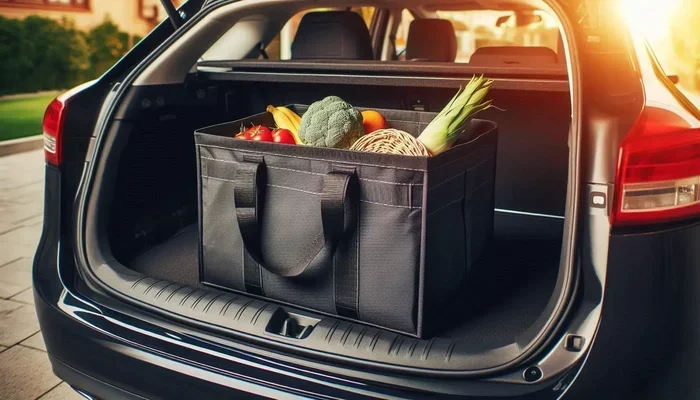
Insulated bags are a game changer. They help maintain a cooler temperature inside the bag. You can find them at most grocery stores for just a few dollars.
For even better protection, use an insulated cooler bag with a freezer pack. This combo can keep perishables at safe temperatures for several hours.
Make the Grocery Store Your Last Stop
Plan your errands wisely. Always make the grocery store your final stop before heading home. Every stop you make adds time that your groceries spend in the car.
If you need to run other errands first, consider using a grocery delivery service instead. Many delivery apps now offer same-day options.
Keep Perishables in the Passenger Cabin
Your car trunk can be 20 to 30 degrees hotter than the passenger area. If possible, place perishable items on the seat or floor of the passenger cabin. The air conditioning will help keep them cool.
Get Home Fast
Once you leave the store, head straight home. Do not linger. The faster you get your groceries inside, the better. Set a goal of being home within 30 minutes of leaving the store.
Use Your Car’s Air Conditioning
If you need to keep groceries in the car for a short time, turn on the air conditioning. Set the temperature to around 40 degrees. This is not a long-term solution, but it helps in a pinch.
Shop Smart for Seasonal Items
In summer, buy frozen and refrigerated items last. In winter, wrap sensitive items in extra layers. Smart shopping habits go a long way toward preventing spoilage.
Common Mistakes People Make With Grocery Storage
Many of us make mistakes without realizing it. Here are the most common ones and how to fix them.
Leaving Bags in the Trunk Overnight
This is one of the worst things you can do. Overnight temperatures in a car can swing wildly. In summer, the trunk becomes an oven. In winter, it becomes a freezer. Either extreme damages food quality and safety.
Ignoring the Two-Hour Rule
The two-hour rule is simple: perishable food should not sit out of refrigeration for more than two hours. In hot weather, that rule becomes the one-hour rule. Many people ignore this and end up with spoiled food or, worse, food poisoning.
Not Checking the Fridge Temperature
Even if you store groceries properly at home, your refrigerator might not be cold enough. Use a refrigerator thermometer to make sure your fridge stays at or below 40 degrees Fahrenheit.
Overloading the Fridge After a Trip
When you come home with a big haul, it is tempting to shove everything in quickly. But proper food storage matters. Give cold items space to cool evenly. Do not block air vents inside the fridge.
Health Risks of Consuming Spoiled Groceries
Eating food that has been left out too long can lead to foodborne illness. The symptoms can range from mild discomfort to a hospital visit.
Common signs of food poisoning include nausea, vomiting, diarrhea, stomach cramps, and fever. These symptoms can appear within hours or days after eating contaminated food.
Certain groups face higher risks:
- Children under 5
- Pregnant women
- Older adults
- People with weakened immune systems
For these groups, even a small amount of contaminated food can cause serious health problems. When in doubt, throw it out.
Expert Insights on Grocery Food Safety
Food safety experts agree on a few key points when it comes to grocery storage and car safety:
Dr. Benjamin Chapman, a food safety specialist at North Carolina State University, emphasizes the importance of the two-hour rule. He notes that people often underestimate how fast car temperatures rise.
The FDA also recommends using a cooler with ice packs for any trip longer than 30 minutes. They stress that cold storage is the single most important factor in preventing food spoilage.
According to the CDC, approximately 48 million people get food poisoning each year in the United States. Many of these cases could be prevented with better food handling practices, including proper grocery storage.
One expert tip from food safety professionals: if you are ever unsure whether a food is safe, use your senses. Check the color, smell, and texture. But remember that not all dangerous bacteria change how food looks or smells. When in doubt, it is better to be safe than sorry.
Quick Tips for Safe Grocery Transport
Here is a quick checklist you can follow every time you bring groceries home:
- Bring insulated bags or a cooler to every shopping trip.
- Place raw meat in a separate bag to prevent cross-contamination.
- Make the grocery store your last stop of the day.
- Head straight home after shopping.
- Put away cold items within 30 minutes of arriving home.
- Check your refrigerator temperature regularly.
- When in doubt, throw it out.
Frequently Asked Questions
Can groceries be left in a car overnight?
No, groceries should never be left in a car overnight. Overnight temperatures can swing to dangerous levels, especially in summer. Bacteria can grow rapidly on perishable items, making them unsafe to eat. Always bring groceries inside as soon as possible.
What is the two-hour rule for groceries?
The two-hour rule states that perishable food should not be left out of refrigeration for more than two hours. If the outside temperature is above 90 degrees Fahrenheit, the window shrinks to just one hour. This rule applies to groceries left in a car, on a counter, or anywhere outside a cold environment.
How hot does a car get in the summer?
A parked car can reach 130 to 150 degrees Fahrenheit on a hot summer day. Even on a mild 75-degree day, the interior can climb to 100 degrees within 10 minutes. These temperatures put groceries deep into the temperature danger zone where bacteria multiply rapidly.
Are insulated grocery bags effective?
Yes, insulated grocery bags are very effective at slowing down temperature changes. They can keep perishables at safe temperatures for several hours. For maximum protection, pair insulated bags with freezer packs or ice blocks.
What groceries are most at risk of spoiling in a car?
Raw meat, poultry, dairy products, eggs, and frozen foods are the most at risk. These items need consistent cold temperatures to stay safe. Fresh produce is more resilient but still suffers quality loss when left in heat.
Can you get sick from eating groceries left in a warm car?
Yes, consuming food that has been left in a warm car can cause foodborne illness. Harmful bacteria like Salmonella and E. coli grow quickly in warm conditions. Symptoms include nausea, vomiting, diarrhea, and stomach cramps. When in doubt, it is safest to discard the food.
Conclusion
The answer to how long groceries can sit in a car is shorter than most people think. The safe window is just two hours in mild weather and only one hour in hot conditions. Your car is not a refrigerator, and treating it like one can lead to wasted food, money loss, and serious health risks.
Food safety starts at the grocery store and continues all the way to your kitchen. By following the tips in this guide, you can protect your family and reduce food waste. Use insulated bags, plan your errands, and always get your groceries inside quickly.
Remember, when it comes to perishable foods, time and temperature are everything. A little planning goes a long way. Next time you finish grocery shopping, make a beeline for home. Your food and your health will thank you.