How Toyota Uses Total Quality Management for Success
Toyota uses total quality management through the Toyota Way, Kaizen continuous improvement, and lean manufacturing principles. Their system focuses on defect prevention, employee involvement, and customer satisfaction at every production stage. This approach has made Toyota one of the most reliable car manufacturers in the world.
Toyota is more than a car company. It is a masterclass in quality. For decades, Toyota has built some of the most reliable vehicles on the road. People trust Toyota because the cars just work. But how does Toyota do it? The answer lies in a powerful system called total quality management.
Total quality management is not just a buzzword at Toyota. It is the heartbeat of everything they do. From the factory floor to the design table, quality is built into every single step. Toyota does not inspect its way to good cars. Instead, they prevent defects before they ever happen.
This approach has made Toyota one of the most respected names in the auto industry. Other companies study Toyota’s methods. Manufacturers around the world try to copy what Toyota does. But it is more than a set of tools. It is a philosophy. It is a way of thinking about work, people, and quality.
In this article, we will break down exactly how Toyota uses total quality management. We will look at the systems, the people, and the processes that make it all work. Whether you are a car enthusiast, a business student, or just curious about Toyota’s success, you will find something valuable here.
Key Takeaways
- Toyota’s Total Quality Management: A system built on the Toyota Way that prioritizes continuous improvement and defect prevention.
- Kaizen Drives Excellence: Small, daily improvements by every employee lead to massive quality gains over time.
- Lean Manufacturing Principles: Toyota eliminates waste and optimizes every step of the production process.
- Employee Involvement: Quality is everyone’s responsibility, from factory workers to engineers.
- Customer-First Focus: Every decision starts with understanding and exceeding customer expectations.
- Root Cause Analysis: Toyota doesn’t just fix symptoms — they find and solve the real problems.
📑 Table of Contents
- The Foundation: The Toyota Way
- Kaizen: The Art of Continuous Improvement
- Lean Manufacturing: Eliminating Waste
- Root Cause Analysis: Solving the Real Problem
- Building Quality Into Every Process
- The Human Element: People Over Machines
- Customer Satisfaction: The Ultimate Goal
- Lessons for Other Companies
- Final Thoughts
The Foundation: The Toyota Way
Everything starts with the Toyota Way. This is the philosophy that guides every decision Toyota makes. The Toyota Way is not a manual. It is a mindset. It shapes how employees think about their work and how leaders make choices.
Four Core Principles of the Toyota Way
Toyota organizes its approach around four main principles:
- Long-Term Philosophy: Toyota thinks in decades, not quarters. They make decisions that benefit the company and customers over the long run.
- The Right Process Will Produce the Right Results: Toyota believes that if you build the right process, good results follow naturally.
- Add Value by Developing Your People: Employees are the most important asset. Toyota invests heavily in training and development.
- Continuous Problem-Solving Drives Organizational Learning: Problems are not mistakes to hide. They are opportunities to learn and improve.
These principles are simple but powerful. They create a culture where quality is not an afterthought. It is part of the DNA. When every employee understands these principles, quality becomes second nature.
Kaizen: The Art of Continuous Improvement
Kaizen is a Japanese word that means “change for the better.” At Toyota, Kaizen is not a project with a start and end date. It is a daily habit. Every worker, no matter their role, is encouraged to find ways to improve.
How Kaizen Works in Practice
Toyota employees are trained to look for small inefficiencies every day. Maybe a tool is placed in an awkward spot. Maybe a step in the assembly process takes too long. These small issues might seem minor on their own. But over time, fixing them adds up to huge gains.
Here is how Kaizen works on the factory floor:
- Identify the problem: A worker notices something that could be done better.
- Propose a solution: The worker suggests a small change.
- Test the change: The team tries the improvement on a small scale.
- Standardize the fix: If it works, it becomes the new standard process.
- Repeat: The cycle never ends. There is always room for improvement.
This is why Toyota vehicles are so reliable. Quality is not a one-time achievement. It is an ongoing journey. Kaizen ensures that every day, Toyota gets a little bit better.
Quality Circles and Employee Involvement
Toyota uses something called quality circles. These are small groups of employees who meet regularly to discuss quality issues. They brainstorm solutions together. This group approach brings diverse perspectives to the table.
When workers feel empowered to speak up, amazing things happen. Toyota trusts its employees to know their jobs better than anyone else. This level of trust is rare in manufacturing. But it is a key reason why Toyota’s quality control system works so well.
Lean Manufacturing: Eliminating Waste
Lean manufacturing is at the heart of Toyota’s process optimization strategy. The goal is simple: do more with less. Remove anything that does not add value to the final product.
The Seven Types of Waste
Toyota identifies seven types of waste in production:
- Overproduction: Making more than the customer needs.
- Waiting: Time spent idle when work should be flowing.
- Transport: Unnecessary movement of materials.
- Overprocessing: Doing more work than the customer values.
- Inventory: Storing more materials than needed.
- Motion: Unnecessary movement by workers.
- Defects: Products that need rework or are scrapped.
By targeting these wastes, Toyota streamlines its operations. Every step in the production process must add value. If it does not, it gets eliminated. This keeps the manufacturing process lean and efficient.
Just-in-Time Production
Toyota pioneered just-in-time manufacturing. This means producing only what is needed, when it is needed, in the exact quantity needed. It reduces inventory costs dramatically. It also forces every part of the process to work correctly because there is no stockpile to fall back on.
Just-in-time is closely tied to defect prevention. If a defect is found, the whole line stops. This might sound extreme, but it ensures problems are fixed immediately. Toyota does not let defects slip through to the next stage.
Root Cause Analysis: Solving the Real Problem
Toyota does not treat symptoms. They go after the root cause. This is a fundamental part of their continuous improvement mindset. When something goes wrong, Toyota asks “why?” five times.
The Five Whys Technique
The Five Whys is a simple but powerful tool. Here is an example:
- Problem: A car engine overheats.
- Why 1: The coolant level is low.
- Why 2: There is a leak in the radiator hose.
- Why 3: The hose was not properly clamped during assembly.
- Why 4: The assembly worker did not have a torque guide at their station.
- Why 5: The workstation setup was not standardized across all lines.
By the fifth why, Toyota has found the real problem. Now they can fix the system, not just the symptom. This prevents the same problem from happening again.
Statistical Process Control
Toyota uses statistical methods to monitor quality. They track data on every part of the production process. If a measurement goes outside normal limits, the team investigates. This is called statistical process control.
These tools help Toyota catch problems early. They use data to make decisions instead of guesses. This scientific approach to quality is a big reason Toyota leads the industry in reliability.
Building Quality Into Every Process
Toyota believes quality should be built in, not inspected in. This is a crucial distinction. Many companies build a product and then check it for defects. Toyota builds quality into every single step from the start.
Poka-Yoke: Mistake-Proofing
Poka-Yoke is a Japanese term that means “mistake-proofing.” Toyota uses poka-yoke devices to prevent errors. For example, a connector might only fit one way. This makes it impossible to install it incorrectly.
These simple devices save countless hours of rework. They protect the customer experience by ensuring every car leaves the factory right. Poka-yoke is a perfect example of how Toyota uses process optimization to achieve quality.
Supplier Quality Management
Toyota’s commitment to quality extends beyond its own factories. They work closely with suppliers to ensure every part meets their standards. Toyota does not just accept parts and check them later. They help suppliers improve their processes.
This partnership approach means supply chain quality is built into the system from the beginning. Toyota even audits suppliers regularly. They share best practices and help suppliers adopt the same quality methods Toyota uses internally.
The Human Element: People Over Machines
Technology plays a role in Toyota’s quality system. But the real engine is people. Toyota believes that employees are the key to quality. They invest in training, empowerment, and engagement.
The Andon Cord
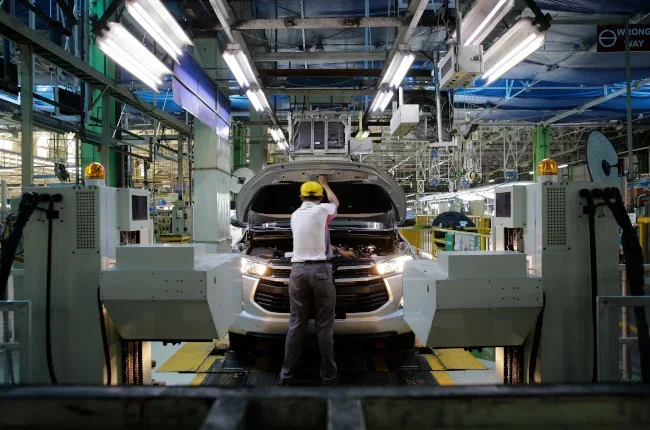
One of the most famous Toyota practices is the andon cord. Any worker on the assembly line can pull this cord to stop production. If they notice a quality problem, they stop everything. This might sound costly, but it sends a powerful message.
Quality matters more than speed. Every worker has the authority and responsibility to protect quality. This culture of empowerment is central to Toyota’s employee involvement strategy. It shows that Toyota truly believes quality is everyone’s job.
Training and Development
Toyota spends significant time and resources training employees. New workers learn not just how to do their tasks, but why those tasks matter. They understand the bigger picture of quality.
Experienced workers mentor newer team members. This knowledge sharing keeps quality standards high across all shifts and locations. Toyota also sends employees to other plants around the world to learn new techniques. This global knowledge sharing strengthens their manufacturing excellence culture.
Toyota’s approach to quality management shows that tools and systems matter. But people matter more. When you invest in your team, they invest in your quality.
Customer Satisfaction: The Ultimate Goal
All of Toyota’s quality efforts point to one goal: customer satisfaction. Toyota measures success by how happy customers are with their vehicles. They track reliability ratings, customer reviews, and complaint data.
Toyota uses this feedback to drive improvement. If customers report issues, Toyota investigates. They use that information to make better cars in the future. This feedback loop is essential to their continuous improvement process.
Toyota also focuses on building long-term relationships with customers. They want owners to come back for their next vehicle. A satisfied customer becomes a loyal customer. This customer-first mindset is woven into every Toyota quality initiative.
For example, Toyota’s maintenance indicator system helps owners stay on top of service schedules. This proactive approach to vehicle care reflects Toyota’s commitment to long-term quality and customer satisfaction.
Toyota also ensures that even routine maintenance tasks are easy and straightforward for owners. Whether it is checking tire pressure or understanding warning lights, Toyota makes it simple. Their focus on the owner experience extends beyond the dealership and into the garage.
Lessons for Other Companies
Toyota’s total quality management system has inspired businesses worldwide. Companies in healthcare, software, and even food service study Toyota’s methods. The principles are universal. They apply to any industry that values quality.
Here are the lessons other companies can learn from Toyota:
- Start with philosophy: Quality must be a core value, not a department.
- Empower employees: Give everyone the tools and authority to improve.
- Focus on processes: Fix the system, not just the symptoms.
- Eliminate waste: Every wasted step is a chance for improvement.
- Solve root causes: Use data and the Five Whys to find real answers.
- Build in quality: Do not rely on inspection to catch problems.
- Partner with suppliers: Quality is a shared responsibility.
Toyota proves that total quality management is not just theory. It is a practical, proven system that delivers results. Companies that adopt these principles see better products, happier customers, and stronger teams.
Final Thoughts
Toyota’s success with total quality management is not an accident. It is the result of decades of disciplined effort. They built a system where quality is everyone’s responsibility. From the CEO to the assembly line worker, every person plays a role.
The Toyota Way, Kaizen, lean manufacturing, and root cause analysis all work together. They create a powerful framework for manufacturing excellence. Toyota does not just make cars. They make cars right, every time.
If you own a Toyota, you can trust that it was built with this level of care. And if you run a business, there is much to learn from Toyota’s approach. Total quality management is not just for car companies. It is a path to excellence for any organization.
Toyota’s journey shows that quality is not a destination. It is a continuous process. And that process starts with a simple belief: every person matters, and every step counts.
Even something as simple as maintaining your Toyota’s engine air filter reflects the philosophy behind Toyota quality. Regular care and attention prevent bigger problems down the road. Toyota designs systems that make ownership straightforward and reliable.
Toyota also makes it easy for owners to stay connected with their vehicles. The Toyota app lets owners manage maintenance, check tire pressure, and more. This digital experience extends the quality mindset beyond the factory and into everyday ownership.
Toyota’s commitment to quality never stops. It evolves with new technologies and new challenges. Whether it is hybrid battery health or fuel efficiency, Toyota applies the same total quality management principles. The result is a brand that people trust around the world.
When you understand how Toyota uses total quality management, you see why their cars last. It is not luck. It is not magic. It is a system built on respect, continuous improvement, and an unwavering focus on doing things right.
Frequently Asked Questions
What is total quality management at Toyota?
Total quality management at Toyota is a system where every employee is responsible for quality. It combines continuous improvement, defect prevention, and customer focus into one unified approach. Toyota builds quality into every step of production rather than relying on final inspections.
How does Kaizen improve Toyota’s quality?
Kaizen encourages small, daily improvements from every worker. These incremental changes add up to massive quality gains over time. Toyota’s Kaizen culture ensures that problems are addressed immediately and processes get better every day.
What role do employees play in Toyota’s quality system?
Employees are the backbone of Toyota’s quality system. Every worker can stop production if they spot a problem. Toyota empowers its team members to identify issues, propose solutions, and drive continuous improvement.
How does Toyota prevent defects in manufacturing?
Toyota uses poka-yoke, or mistake-proofing, to prevent errors at the source. They also use the Five Whys technique to find root causes of problems. Statistical process control and just-in-time production further reduce the chance of defects reaching customers.
Why is customer satisfaction so important to Toyota’s quality approach?
Customer satisfaction is the ultimate measure of quality for Toyota. They use customer feedback to drive improvement and innovation. Every quality initiative is designed to deliver a better ownership experience and build long-term trust.
Can Toyota’s quality management principles be applied outside the auto industry?
Yes, absolutely. Toyota’s total quality management principles apply to any industry. Healthcare, software development, food service, and many other fields use Toyota-inspired methods. The focus on process, people, and continuous improvement is universal.
=== CONCLUSION ===
Toyota’s total quality management system is a masterclass in manufacturing excellence. It combines philosophy, process, and people into a powerful framework. From the Toyota Way to Kaizen, every element works together to create vehicles that people trust.
The key to Toyota’s success is simple but profound. Quality is not a department. It is a culture. It lives in every decision, every process, and every person at Toyota. This commitment to doing things right is why Toyota remains one of the most respected brands in the world.
If you want to improve quality in your own organization, start with the basics. Empower your people. Optimize your processes. Solve root causes. And never stop improving. Toyota proves that these principles work. They have worked for decades. And they will continue to work for decades to come.
Toyota’s approach to total quality management is not just for car makers. It is a blueprint for anyone who wants to deliver excellence. The lessons are clear. The results speak for themselves. Toyota is living proof that quality, when built into everything, creates something truly extraordinary.