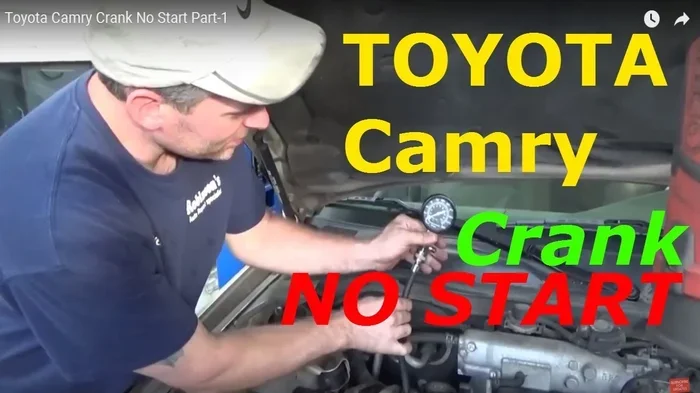
Why Wont My Toyota Camry Start Here Is What You Need
When your Toyota Camry won’t start, it can be frustrating and confusing. This guide walks you through the most common reasons for a no-start condition, from a dead battery to a faulty fuel pump. You’ll learn how to diagnose the problem yourself and know exactly when to call a mechanic.
There are few moments worse than sliding into your Toyota Camry, turning the key, and hearing nothing but silence. You expect this car to fire up every time. When it doesn’t, the worry sets in fast. Is it something simple like a dead battery, or is it a deeper engine problem? This guide answers that question directly.
We will walk through every major system that can cause a no-start condition. You will learn how to check your battery, test the fuel pump, and spot bad ignition switches. I will also share quick tips that can save you time and money. By the end, you will know exactly what to do when your Toyota Camry won’t start.
Whether you are dealing with a slow crank, a fast click, or complete silence, the fix is often simpler than you think. Let’s break it down step by step.
Key Takeaways
- Dead battery: The #1 reason a Toyota Camry won’t start. Look for dim lights and a slow crank.
- Fuel pump failure: A humming noise from the back seat or no fuel pressure means your pump may be dead.
- Ignition switch wear: If the dash lights flicker when you turn the key, the switch could be the culprit.
- Wrong oil weight: Using 5W-30 instead of 5W-20 in cold weather can make starting very hard.
- Timing belt break: A broken timing belt stops the engine completely and requires professional repair.
- Key fob battery: A weak key fob battery can trick the anti-theft system into preventing a start.
📑 Table of Contents
Why Your Toyota Camry Won’t Start: The Usual Suspects
When a Toyota Camry won’t start, the problem almost always lives in one of three systems: the battery, the fuel system, or the ignition system. Understanding how these systems work together helps you narrow the cause quickly. A car needs three things to start: spark, fuel, and compression. If any one of those is missing, the engine will not turn over.
The Battery Connection
The battery provides the initial electrical burst to crank the engine. When the battery dies, you get nothing. The lights may be dim, and the starter will turn very slowly or not at all. A weak battery often shows itself on cold mornings first. Corroded terminals can also block the electrical current, even if the battery itself is good. Look for a white or blue powdery build-up on the battery posts.
Quick Tip: Keep a set of jumper cables in your trunk. You can jump-start your Camry with another vehicle or a portable jump pack. If you own a hybrid model, you can even use your Camry to jump-start another car in an emergency.
The Starter Motor and Solenoid
The starter motor is the electric motor that cranks the engine. When you turn the key, the solenoid pushes the starter gear into the flywheel. If the solenoid fails, you will hear a single loud click but the engine will not turn. A bad starter motor often sounds like grinding or whirring without any cranking. Starter motors wear out over time, especially in high-mileage Toyotas.
Corroded Terminals and Loose Cables
Corrosion on battery terminals is a sneaky cause of no-start conditions. The acid fumes from the battery eat away at the metal connections. Even a thin layer of corrosion can block the current. You can clean terminals with a wire brush and a baking soda solution. Always check that the cables are tight. A loose negative cable is a common reason for intermittent starting problems.
Fuel System Failures That Stop Your Camry
The fuel system delivers gasoline from the tank to the engine. If any part of this system fails, your Toyota Camry won’t start even if the battery is strong. Fuel problems are the second most common cause of a no-start condition.
Empty Tank and Clogged Fuel Filter
It sounds obvious, but an empty tank happens to everyone. The fuel gauge can sometimes give false readings, especially in older models. A clogged fuel filter can also starve the engine of gas. The filter catches rust and debris from the tank over time. When it gets blocked, fuel cannot reach the injectors. You should replace your fuel filter every 30,000 to 40,000 miles as part of regular maintenance.
Failing Fuel Pump
The fuel pump sits inside the tank and pushes gas toward the engine. When it fails, you get no fuel pressure. A dying fuel pump often makes a quiet humming sound from the rear seat area before it stops working completely. You can test fuel pressure with a gauge attached to the fuel rail. Low pressure means the pump is weak or dead. Replacing a fuel pump requires dropping the tank, so it is best left to a professional.
Common Mistake: Many drivers assume a no-start condition means a bad battery. They ignore the fuel pump. If you hear the fuel pump hum for two seconds when you turn the key to the ON position, the pump is working. No hum means you should check the fuel pump relay and fuse first.
Ignition and Sensor Problems That Prevent Starting
The ignition system creates the spark that ignites the fuel-air mixture. Modern Toyotas rely heavily on sensors to time that spark perfectly. When a sensor fails, the engine may crank but never fire.
Worn Ignition Switch
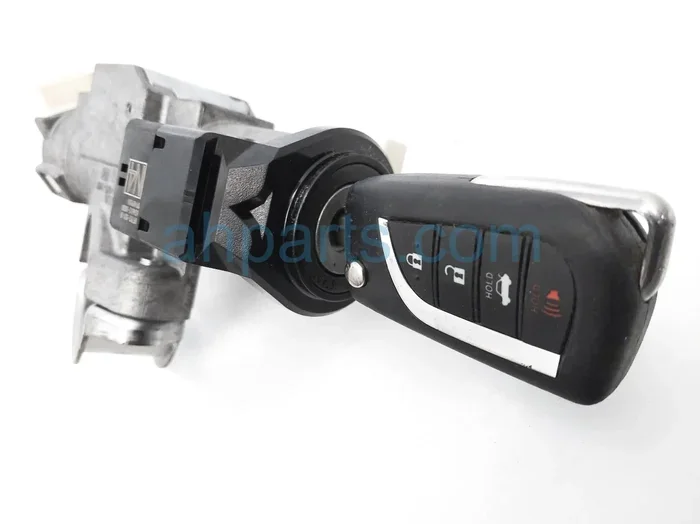
The ignition switch is the mechanical lock cylinder you turn with your key. Over years of use, the internal contacts wear down. A worn ignition switch may cause the dash lights to flicker or go completely dark when you turn the key. In some cases, the switch breaks entirely and the steering wheel locks in place. This is a common high-mileage issue on older Camry models.
Crankshaft Position Sensor Failure
The crankshaft position sensor tells the engine computer when to fire the spark plugs. Without this signal, the engine will crank but never start. You might see the check engine light come on before the sensor fails completely. A mechanic can read the fault code with a scan tool to confirm this diagnosis. Replacing the sensor is usually inexpensive and straightforward.
Expert Insight: Do not ignore the check engine light. Even if the car still runs sometimes, a pending code can point to a sensor that is about to fail completely. Early detection saves you from a surprise no-start situation.
Security System and Immobilizer Issues
Toyota Camrys come with a factory anti-theft system designed to prevent unauthorized starting. While this system keeps your car safe, it can also prevent you from starting the car if something goes wrong.
Key Fob Battery and Passive Entry
If your Camry has a push-button start or smart key system, it relies on the key fob to communicate with the car. A weak key fob battery can cause the system to reject the fob entirely. You might notice that the dash does not light up when you press the start button, or the security light flashes rapidly. Replacing the small CR2032 battery inside the fob usually fixes this instantly.
Quick Tip: Keep a spare key fob battery in your glove box. You can also start the car by placing the fob directly against the start button, even with a dead battery. This bypass trick works on most Toyota models.
Anti-Theft System Lockout
Sometimes the immobilizer gets confused after a battery disconnect or a jump start. The system may think the car is being stolen and disable the fuel injectors. In this case, you need to let the car sit with the key in the ON position for at least ten minutes. This allows the system to relearn the key’s security code. If the problem persists, a dealer may need to reprogram the key.
Maintenance Mistakes That Lead to a No-Start Condition
Many no-start problems come from simple maintenance oversights. Regular care keeps your Toyota Camry starting reliably for years. Ignoring small details can lead to big headaches on a cold morning.
Wrong Oil Weight and Viscosity
Using the wrong oil weight makes the engine work harder during startup. Toyota recommends 5W-20 for most Camry models. Switching to a heavier 5W-30 or 10W-30 can cause sluggish cranking in cold weather. The thicker oil does not flow as quickly through the engine, which delays the lubrication needed for a smooth start. Always check your owner’s manual before changing oil weight.
Important: If you are unsure about which oil to use, you can read our guide on using 5W-30 instead of 5W-20 in your Toyota Camry to understand the risks.
Timing Belt Failure
The timing belt synchronizes the crankshaft and camshaft. If it breaks, the engine will not turn over at all. On many Camry models, the timing belt should be replaced around 60,000 to 100,000 miles. A broken timing belt can also bend the intake and exhaust valves, leading to expensive engine repairs. Following the maintenance schedule in your owner’s manual is the best way to prevent this failure.
Expert Insight: If your Camry has high mileage and you have never replaced the timing belt, have a mechanic inspect it immediately. A visual check can reveal cracks or fraying before it snaps. You can find the recommended replacement interval in our article on timing belt replacement for Toyota Camry.
Ignoring the Maintenance Required Light
The maintenance required light is not just a suggestion. It reminds you to service the engine, change the oil, and inspect critical components. Ignoring this light can lead to a buildup of sludge or worn parts that eventually cause a no-start condition. Always reset the light after each service and address any recommended maintenance promptly.
When to Call a Professional Mechanic
Some starting problems are easy to fix yourself, but others need special tools and expertise. Knowing the difference saves you time and prevents costly mistakes.
If your Toyota Camry cranks normally but will not fire, the problem is likely fuel or spark related. You can check the fuel pump hum and the spark plugs yourself. But if the engine does not crank at all, the issue is electrical. A dead battery, bad starter, or faulty ignition switch usually causes this. A mechanic can test the battery load, check the starter draw, and diagnose wiring issues with a multimeter.
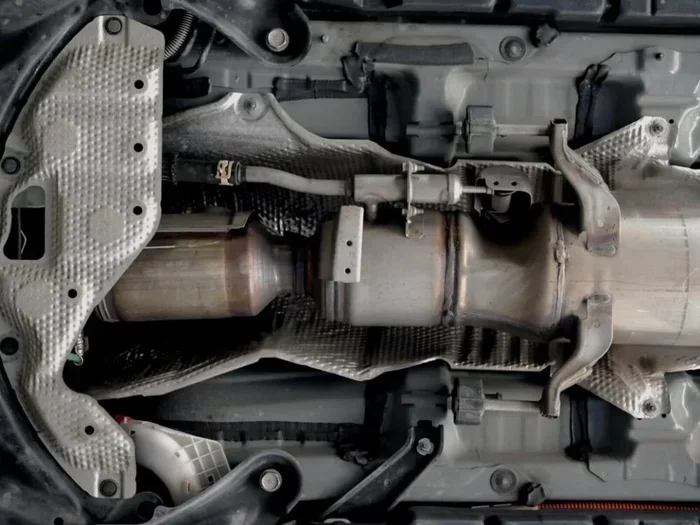
You should also seek professional help if you smell gasoline or notice a fuel leak. Fuel system repairs require careful handling to avoid fire risks. Similarly, if the check engine light is flashing and the car will not start, stop driving and get a tow. A flashing light often indicates a severe misfire that can damage the catalytic converter.
Key Takeaway: Even with all these potential problems, the Toyota Camry remains one of the most dependable sedans on the road. Regular maintenance and prompt attention to small issues keep this car running strong for hundreds of thousands of miles. The data on Toyota Camry reliability consistently ranks it among the top long-term performers in its class.
Final Thoughts
A Toyota Camry that will not start is always a stressful moment, but it is rarely a catastrophic one. In most cases, the cause is a simple fix like a dead battery, a weak fuel pump, or a worn ignition switch. By following the diagnostic steps in this guide, you can often solve the problem yourself and get back on the road quickly.
Remember to check the basics first. Look at the battery terminals, listen for the fuel pump hum, and make sure your key fob has a fresh battery. These small checks take only a few minutes and can prevent a long wait for a tow truck. Keep your maintenance schedule up to date, use the correct oil weight, and replace the timing belt on time. These habits will help your Camry start reliably every single morning.
Next time you turn the key and hear that healthy crank, you will know exactly what is happening under the hood. And if the car does not start, you will have the knowledge to fix it or explain the problem to your mechanic. Stay proactive, stay informed, and your Toyota Camry will keep getting you where you need to go.
Frequently Asked Questions
What are the first signs that my Toyota Camry won’t start?
The first signs are usually a slow crank, a clicking sound without turning over, or complete silence when you turn the key. Dim headlights and a dashboard that flickers also point to a battery or electrical issue.
Can a dead key fob battery prevent a Toyota Camry from starting?
Yes, a weak key fob battery can block the anti-theft system and prevent the car from recognizing the key. Try placing the fob directly against the push-button start or replace the CR2032 battery inside the fob.
How do I know if my fuel pump is bad in a Toyota Camry?
You will hear no humming sound from the rear seat area when you turn the key to the ON position. The engine will crank normally but never fire because it is not getting fuel. A fuel pressure gauge test confirms the diagnosis.
Is it safe to drive a Toyota Camry with a flashing check engine light and a no-start condition?
No, a flashing check engine light often signals a severe misfire that can damage the catalytic converter. Stop driving immediately and have the car towed to a repair shop.
What maintenance can prevent my Toyota Camry from not starting?
Regular oil changes with the correct 5W-20 weight, timely timing belt replacement, and cleaning battery terminals are the top preventive steps. Also replace the key fob battery every two years to avoid immobilizer lockouts.
Can extreme cold weather cause a Toyota Camry not to start?
Yes, cold weather thickens the engine oil and reduces battery power. Using the correct oil weight and keeping the battery fully charged helps ensure reliable starts in freezing temperatures.