Car AC Blower Fan Not Working Here Is How to Fix It
A car AC blower fan not working can turn a comfortable drive into a sweaty nightmare. This guide covers the most common reasons your blower motor fails, how to diagnose the problem yourself, and the exact steps to fix it. Whether it is a blown fuse, a bad resistor, or a worn-out motor, you will find the solution here.
There is nothing worse than climbing into your car on a hot day, cranking the air conditioning, and hearing… silence. Your car AC blower fan is the little motor that does the heavy lifting of pushing cool air through your vents. When it stops working, your entire car air conditioning system becomes useless, no matter how well the compressor is running.
You might be tempted to call a mechanic right away. But here is the good news. Most ac blower fan problems are simple to diagnose and fix. In many cases, you can solve the issue in your driveway with a few basic tools and about an hour of your time. This guide walks you through every common cause, from a blown fuse to a failed blower motor resistor, and gives you clear steps to get your car cooling system back up and running.
We will also cover preventive car AC maintenance tips so you can avoid this problem in the future. Whether you are a DIY beginner or a seasoned gearhead, you will find practical advice here to tackle your car AC issues head-on.
Key Takeaways
- Blown Fuse or Bad Relay: The most common and easiest fix for a car ac blower fan that will not turn on.
- Worn Blower Motor Resistor: Causes the fan to work on some speeds but not others, a very common car ac issue.
- Dirty Cabin Air Filter: A clogged filter restricts air flow and can strain the blower motor over time.
- Electrical Connection Problems: Corroded wiring or a loose connector often causes intermittent fan failure.
- Replacement is Simple: Most car ac blower fan motors can be swapped out in under an hour with basic tools.
- Regular Maintenance: Changing your cabin filter and checking electrical connections keeps your car cooling system running strong.
📑 Table of Contents
- Why Your Car AC Blower Fan Stops Working
- Common Signs Your Blower Fan Is Failing
- Step-by-Step Diagnosis and Fix
- Blower Motor Resistor and Relay: Deep Dive
- How to Replace Your Car AC Blower Fan Motor
- Preventive Maintenance Tips for Your Car AC Blower Fan
- When to Call a Professional Mechanic
- Key Takeaways
Why Your Car AC Blower Fan Stops Working
Your ac blower motor is a small electric motor located behind your dashboard. It spins a fan that pushes air through the vents. When something interrupts its power supply or the motor itself fails, the fan stops. Understanding the root cause is the first step toward a fix.
Here are the most common reasons a car ac blower fan quits on you:
- Blown Fuse: A fuse protects the electrical circuit. If too much current flows, the fuse blows and cuts power to the motor.
- Bad Blower Motor Resistor: This component controls fan speed. When it fails, the fan may only work on one speed or not at all.
- Failed Relay: The relay acts as a switch that sends power to the motor. A bad relay means no electricity reaches the fan.
- Worn-Out Motor: Over time, the motor brushes wear down, and the motor simply burns out from age and use.
- Loose or Corroded Wiring: Vibrations and moisture can loosen connections or cause corrosion that breaks the electrical path.
- Clogged Cabin Air Filter: A dirty filter restricts air flow, forcing the motor to work harder and eventually overheat.
Each of these problems has a distinct symptom pattern. Learning to recognize them saves you time and money. Let us break them down one by one.
Blown Fuse: The Simplest Culprit
A blown fuse is the number one reason a car ac blower fan stops working. Every car has a fuse box, usually located under the dashboard on the driver side or under the hood. The blower motor fuse is labeled in your owner manual.
To check the fuse, pull it out and look at the metal strip inside. If the strip is broken or melted, the fuse is blown. Replacing it costs pennies. But if the new fuse blows again right away, you have a deeper electrical problem that needs attention.
Blower Motor Resistor Failure
The blower motor resistor controls the different speed settings of your fan. When it goes bad, you might notice the fan only works on its highest setting. This happens because the resistor bypasses the speed controls at full power, so the motor still gets electricity even when the resistor is fried.
This is one of the most frequent car AC issues mechanics see. The good news is that replacing a resistor is inexpensive and straightforward. Parts typically cost between $15 and $50, depending on your vehicle make and model.
Relay Problems
The blower motor relay is a small switch that delivers power from your battery to the motor. When the relay fails, the motor receives no signal to start. You might hear a clicking sound when you turn the fan on, or you might hear absolutely nothing.
Testing a relay is easy. You can swap it with a similar relay in the fuse box to see if the fan starts working. If it does, the relay was the problem. Replacing it is a quick and affordable fix.
Motor Wear and Tear
Like any motor, the ac blower motor has a lifespan. The internal brushes wear down over thousands of miles. Eventually, the motor can no longer spin. You might hear a grinding or whining noise before it completely dies. At that point, the entire motor needs replacement.
Common Signs Your Blower Fan Is Failing
Your car gives you warning signs before a car ac blower fan completely fails. Catching these early signs can save you from a sudden loss of cooling on a hot day.
Watch for these symptoms:
- Fan Only Works on One Speed: This almost always points to a bad blower motor resistor. The resistor controls the lower speeds, so when it fails, only the highest speed remains.
- Fan Makes Grinding or Rattling Noises: A worn bearing or debris inside the fan assembly causes unusual sounds. Ignoring this can lead to a complete motor failure.
- Weak Air Flow From Vents: If the air coming out feels weak even on high, your cabin air filter may be clogged, or the motor is losing power.
- Fan Works Intermittently: If the fan stops and starts on its own, you likely have a loose wiring connection or a failing relay.
- No Air At All: Complete silence when you turn on the fan means a power delivery problem. Check the fuse, relay, and wiring first.
- Burning Smell: A burning odor from the vents signals an overheating motor or a melting electrical component. Turn off the fan immediately and investigate.
Addressing these signs early prevents more expensive repairs down the road. A small fix today can save you from a full motor replacement tomorrow.
Step-by-Step Diagnosis and Fix
Now let us get your car AC blower fan working again. Follow these steps in order to narrow down the problem. Each step builds on the last, so do not skip ahead.
Step One: Check the Fuse
Start with the simplest thing. Locate your fuse box and find the blower motor fuse. Your owner manual will show you the exact location and fuse number. Pull the fuse out and inspect it visually. A broken metal strip means the fuse is blown.
Replace it with a new fuse of the same amperage. If the new fuse blows immediately, do not keep replacing it. You have a short circuit somewhere that needs professional diagnosis.
Step Two: Test the Relay
If the fuse is fine, move to the relay. Find the blower motor relay in the fuse box. Use a multimeter to test it, or simply swap it with a relay of the same type. Turn the fan on and see if the motor engages.
If swapping the relay fixes the problem, buy a new one. Relays are cheap and easy to swap. This is one of those car ac repair tasks that takes five minutes.
Step Three: Inspect the Wiring and Connectors
Unplug the electrical connector at the blower motor. Look for corrosion, burn marks, or loose pins. Clean any corrosion with electrical contact cleaner. Reconnect firmly and test the fan.
Also check the wiring harness between the connector and the motor for frayed or damaged wires. A broken wire in the harness will prevent electricity from reaching the motor.
Step Four: Test the Blower Motor Resistor
If the fan works on high but not on lower speeds, the blower motor resistor is likely the culprit. Locate the resistor, which is usually near the motor under the dashboard. Use a multimeter to check for continuity. No continuity means the resistor needs replacement.
Replacing the resistor involves removing a few screws, unplugting the old unit, and installing the new one. This is a very manageable DIY job for most car owners.
Step Five: Test the Motor Directly
If all the above checks pass, the motor itself may be dead. Disconnect the motor connector and apply direct 12-volt power from your battery using jumper wires. If the motor does not spin, it needs replacement. If it spins freely, the problem lies elsewhere in the electrical path.
Blower Motor Resistor and Relay: Deep Dive
The blower motor resistor and blower motor relay work together to control your car air flow. Understanding how they function helps you diagnose problems faster and communicate better with mechanics if you need professional help.
The resistor sits between the fan switch and the motor. When you select a lower fan speed, the resistor introduces resistance into the circuit, which reduces the voltage reaching the motor. At full speed, the resistor is completely bypassed, and the motor gets full voltage.
The relay is an electromagnetic switch. When you turn the fan on, the switch sends a small current to the relay coil. This energizes the relay and closes a contact that sends the full battery voltage to the motor. The relay protects the fan switch from carrying high current, which would cause the switch to wear out quickly.
Both components are relatively inexpensive. A blower motor resistor costs $15 to $50. A blower motor relay costs $10 to $30. Replacing either one is a beginner-friendly repair that can save you significant labor costs compared to visiting a shop.
| Component | Symptom When Failed | Average Cost | DIY Difficulty |
|---|---|---|---|
| Blower Motor Resistor | Fan only works on high speed or does not work on lower speeds | $15 – $50 | Easy |
| Blower Motor Relay | Fan does not work at all or works intermittently | $10 – $30 | Very Easy |
| Blower Motor Fuse | Fan does not work at all | $1 – $5 | Very Easy |
| Blower Motor | Fan does not work at any speed, grinding noise | $150 – $400 | Moderate |
This table shows why it is smart to check the simple and cheap parts first. A $2 fuse fix is much better than a $300 motor replacement. Always work from simple to complex when troubleshooting your car AC blower fan.
How to Replace Your Car AC Blower Fan Motor
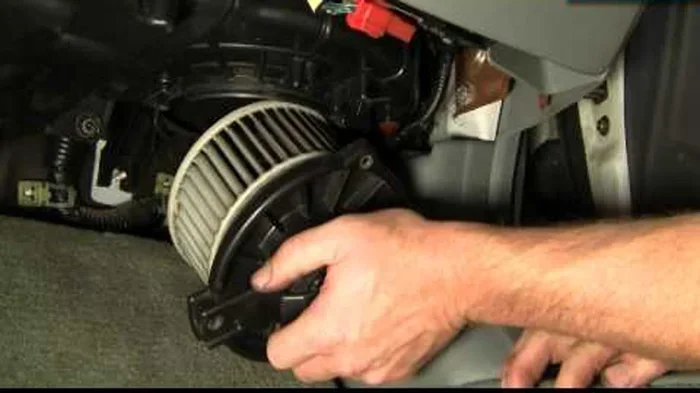
If diagnosis confirms the motor itself is dead, it is time for a replacement. The good news is that swapping out a car ac blower fan motor is one of the more satisfying DIY repairs you can do. Most vehicles make the motor accessible from the passenger side, under the dashboard.
What You Will Need
- New blower motor (match your vehicle year, make, and model)
- Socket set and screwdrivers
- Multimeter for testing
- Electrical contact cleaner
- Safety glasses and gloves
Replacement Steps
- Disconnect the Battery: Always start by disconnecting the negative battery terminal. This prevents electrical shorts and keeps you safe.
- Locate the Motor: The blower motor is typically found behind the glove box or under the dashboard on the passenger side. You may need to remove the glove box to access it.
- Remove the Old Motor: Unplug the electrical connector. Remove the mounting screws or bolts holding the motor in place. Carefully pull the motor out.
- Compare the Old and New Motors: Make sure the new motor matches the old one in terms of connector type and mounting points. This avoids compatibility issues.
- Install the New Motor: Push the new motor into position. Secure it with the mounting screws. Reconnect the electrical connector firmly.
- Reconnect the Battery and Test: Reconnect the negative battery terminal. Turn on the car and test the fan at all speed settings.
Take your time with this job. Do not force any connectors or clips. If something does not fit easily, double-check your work before applying more force. A careful approach prevents broken clips and additional repairs.
After installation, listen for any unusual noises. The motor should run smoothly and quietly. If you hear grinding or rattling, stop and check that the fan blade is properly seated and not touching anything.
Preventive Maintenance Tips for Your Car AC Blower Fan
Keeping your car AC blower fan in good shape does not require a lot of effort. A few simple habits can extend the life of your entire car cooling system and keep you comfortable year after year.
Change Your Cabin Air Filter Regularly
Your cabin air filter catches dust, pollen, and debris before they enter the car interior. A clogged filter restricts air flow and forces the blower motor to work harder. Most manufacturers recommend changing this filter every 12,000 to 15,000 miles, or once a year. Check your owner manual for the exact schedule.
Keep Electrical Connections Clean
Moisture and road grime can cause corrosion on electrical connectors. Periodically inspect the connector at the blower motor and clean it with electrical contact cleaner. This simple step prevents intermittent electrical failures that can be frustrating to diagnose.
Run Your AC in Winter
This might sound counterintuitive, but running your car air conditioning for 10 to 15 minutes during winter keeps the system lubricated. The compressor seals stay moist and flexible, which prevents leaks and keeps the entire system healthy.
Address Unusual Noises Early
If you hear rattling, grinding, or squealing from the vent area, do not ignore it. These sounds often indicate a failing bearing or debris in the fan assembly. Early intervention prevents a small problem from becoming a motor failure.
Check Fuses During Routine Maintenance
Make it a habit to inspect your fuse box once or twice a year. A visual check can reveal a slightly melted fuse or a loose fuse that is on its way out. Catching these early prevents sudden fan failures.
When to Call a Professional Mechanic
Most ac blower motor repairs are DIY-friendly. But some situations call for a professional. If you have checked the fuse, relay, resistor, and wiring, and the fan still does not work, you may have a deeper electrical issue in the wiring harness or the dashboard control module.
Additionally, if you are uncomfortable working with electrical components or do not have the right tools, there is no shame in visiting a trusted mechanic. A qualified technician can diagnose complex electrical problems with specialized equipment and ensure the repair is done safely.
The average labor cost for a professional car AC repair involving blower motor replacement ranges from $150 to $300. While this costs more than a DIY fix, it gives you peace of mind and a warranty on the work.
Key Takeaways
- Start Simple: Always check the fuse and relay first. These are the cheapest and easiest fixes for a car ac blower fan that will not work.
- Speed Problems Mean the Resistor: If your fan only works on one speed, the blower motor resistor is almost certainly the culprit.
- Regular Filter Changes Matter: A clean cabin air filter protects your blower motor and keeps air flow strong.
- DIY Saves Money: Replacing a resistor, relay, or even the motor yourself can save you $100 or more in labor charges.
- Electrical Safety First: Always disconnect the battery before working on any electrical component in your vehicle.
- Preventive Care Pays Off: Simple habits like running your AC in winter and keeping connections clean extend the life of your entire car cooling system.
Dealing with a car AC blower fan that stops working is frustrating, but it is almost always a solvable problem. By working through the diagnosis steps in this guide, you can identify the exact cause and apply the right fix. Most of the time, the solution is inexpensive and quick. Even if you need to replace the motor, the process is straightforward enough for most DIYers to handle confidently.
Keep this guide bookmarked for future reference. Your car air conditioning system depends on that little blower fan to deliver cool air to your cabin. Take care of it, and it will take care of you. Stay cool out there.
Frequently Asked Questions
Why does my car AC blower fan only work on high speed?
This almost always means your blower motor resistor has failed. The resistor controls the lower fan speeds by reducing voltage to the motor. When it goes bad, the motor only receives full voltage on the high setting. Replacing the resistor is a quick and inexpensive fix that most car owners can do themselves.
How much does it cost to replace a car AC blower fan motor?
The motor itself costs between $50 and $200 for most vehicles. If you take it to a shop, labor adds another $100 to $300. Doing the replacement yourself saves the labor cost entirely. The total car AC repair cost for a DIY blower motor swap is usually under $150.
Can a clogged cabin air filter cause the blower fan to stop working?
Yes, a severely clogged cabin air filter restricts air flow and forces the blower motor to work much harder. Over time, this extra strain can cause the motor to overheat and fail. Regularly changing your cabin filter is one of the easiest ways to protect your car AC blower fan and maintain strong air flow.
How long does a blower motor resistor last?
Most blower motor resistors last between 50,000 and 100,000 miles. However, they can fail earlier if the fan is used frequently or if moisture enters the motor housing. Signs of a failing resistor include the fan working only on certain speeds or not working at lower speeds.
Is it safe to drive with a broken AC blower fan?
Yes, it is safe from a mechanical standpoint. Your engine will still run normally. However, without a working car air conditioning blower fan, you will have no cool air in the cabin. In hot weather, this can be uncomfortable and even unsafe if you become drowsy from the heat. It is best to fix the issue promptly.
What should I do if my blower fan makes a grinding noise?
A grinding noise usually means the motor bearings are worn or there is debris caught in the fan blade. Turn off the fan and inspect the motor area. If the noise persists, the motor likely needs replacement. Continuing to run a grinding blower motor can cause further damage to the ac blower motor and surrounding components.