How Do You Reprogram a Toyota TPMS Sensor Step by Step
Reprogramming your Toyota TPMS sensor is easier than you think. This step-by-step guide walks you through the entire process, from gathering tools to completing the reset. You will learn how to fix common TPMS warnings and keep your tire pressure monitoring system running accurately.
Key Takeaways
- TPMS reprogramming is a DIY-friendly task that can save you time and money at the repair shop.
- You need a TPMS reset tool or OBD-II scanner to properly recalibrate the system on most Toyota models.
- Checking your tire pressure first is the most important step before any reprogramming attempt.
- Common issues like dead sensor batteries can prevent successful reprogramming and may require sensor replacement.
- Resetting the TPMS after tire rotation or replacement keeps your dashboard warning light off and your ride safe.
- Understanding the difference between direct and indirect TPMS helps you choose the right reprogramming method.
- Regular TPMS maintenance extends the life of your sensors and improves fuel efficiency.
📑 Table of Contents
- How Do You Reprogram a Toyota TPMS Sensor Step by Step?
- Understanding Your Toyota TPMS System
- Tools and Equipment You Will Need
- Step-by-Step TPMS Reprogramming Process
- Common TPMS Problems and How to Fix Them
- How to Replace a Toyota TPMS Sensor
- Expert Tips for Maintaining Your TPMS
- When to Seek Professional Help
- Key Takeaways
- Frequently Asked Questions
- Final Thoughts
How Do You Reprogram a Toyota TPMS Sensor Step by Step?
If you have ever seen that little horseshoe-shaped light with an exclamation mark pop up on your Toyota dashboard, you know the panic it can cause. That is your tire pressure monitoring system, also known as TPMS, telling you something needs attention. The good news is that reprogramming your Toyota TPMS sensor is a task you can handle at home with the right guidance.
Whether you just rotated your tires, replaced a sensor, or the warning light refuses to go away, this guide will walk you through every step. We will cover the tools you need, the different methods for different Toyota models, and how to troubleshoot when things do not go as planned. By the end, you will feel confident tackling your Toyota TPMS reprogramming without visiting a mechanic.
Let us start with the basics so you understand exactly what you are working with before diving into the process.
Understanding Your Toyota TPMS System
Before you reprogram anything, it helps to understand what the TPMS actually does. The tire pressure monitoring system uses sensors inside each tire to measure the air pressure in real time. When pressure drops below the recommended level, the system triggers a warning light on your dashboard.
Toyota uses two types of TPMS across its lineup. Let us break them down so you know which one your vehicle has.
Direct TPMS vs. Indirect TPMS
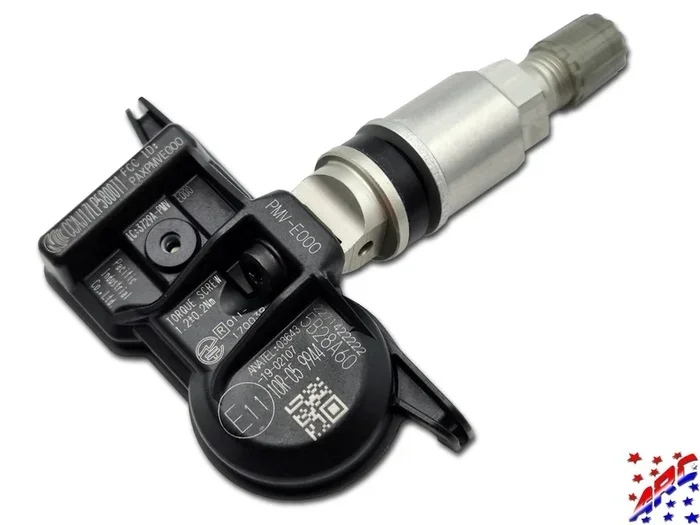
Direct TPMS uses a small sensor mounted inside each tire, usually attached to the valve stem. These sensors send wireless signals to your car’s computer with the exact pressure reading. Most newer Toyota models like the Camry, RAV4, and Highlander use direct TPMS.
Indirect TPMS does not use physical sensors inside the tire. Instead, it relies on the vehicle’s anti-lock braking system (ABS) to detect differences in wheel rotation speed. A tire with low pressure has a smaller rolling radius, which changes how fast the wheel spins. This method is less precise but requires no battery replacement.
Knowing which system your Toyota uses is important because the reprogramming method differs. You can usually find this information in your owner’s manual or by checking the tire valve stems for small electronic components.
Tools and Equipment You Will Need
Having the right tools makes the reprogramming process smooth and frustration-free. Here is what you should gather before you start.
- A TPMS reset tool compatible with Toyota vehicles. These range from basic button-type tools to advanced OBD-II scanners.
- A reliable tire pressure gauge to check and set the correct pressure in each tire.
- An OBD-II scanner with TPMS capability if your Toyota model requires it. Some scanners can both read codes and reprogram sensors.
- The correct tire pressure specifications for your Toyota model. You can find these on the driver’s side door jamb sticker.
- A fully charged 12-volt battery or a battery maintainer to ensure your electrical system stays stable during the process.
- A clean cloth to wipe down the valve stems and sensor areas before working.
Investing in a quality TPMS reset tool pays off quickly, especially if you rotate your tires regularly or own multiple Toyotas. Many universal tools work across Toyota models and even other brands, making them a versatile addition to your garage.
Step-by-Step TPMS Reprogramming Process
Now for the part you have been waiting for. Follow these steps carefully, and your Toyota TPMS sensor will be reprogrammed in no time.
Step 1: Check and Set Tire Pressure
Start by checking the pressure in all four tires plus the spare if applicable. Use your tire pressure gauge and compare the readings to the recommended PSI listed on the driver’s door jamb. Inflate or deflate each tire to match the specification exactly.
This step is critical because the TPMS system needs accurate baseline readings to reprogram correctly. Skipping this step is the most common mistake people make when trying to reset their tire pressure warning light.
Step 2: Locate the TPMS Reset Button
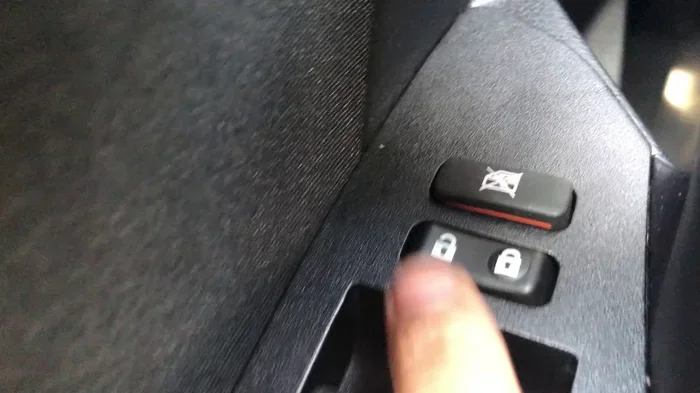
On most Toyota models, the TPMS reset button is located beneath the steering column or on the left side of the dashboard. It is usually a small button labeled “TPMS” or marked with a tire icon. Press and hold this button until the TPMS warning light on the dashboard blinks three times.
If your Toyota does not have a reset button, do not worry. Some models require you to use the OBD-II scanner method instead. Check your owner’s manual to confirm which approach your specific year and trim level needs.
Step 3: Start the Engine and Drive
With the reset button pressed, start the engine and let it idle for about two to three minutes. Then, drive the vehicle at a steady speed of 30 to 50 miles per hour for approximately 20 minutes. This allows the system to relearn the sensor IDs and calibrate the pressure readings.
You should notice the TPMS warning light turn off during this process. If the light stays on or comes back after a few days, you may need to repeat the process or try a different method.
Step 4: Use the TPMS Reset Tool
If the button method did not work or your model requires it, connect your TPMS reset tool to the OBD-II port under the dashboard. Turn the ignition to the “on” position without starting the engine. Follow the tool’s on-screen instructions to initiate the TPMS sensor reprogramming sequence.
Most tools will guide you through selecting your vehicle model, year, and trim level. The tool then sends a signal to each sensor to teach the car’s computer their unique IDs. This process typically takes five to ten minutes. Once complete, disconnect the tool and start the engine to verify the warning light has turned off.
Step 5: Verify the Reprogramming Was Successful
After completing the reprogramming, take your Toyota for a short test drive. Watch the dashboard for any TPMS warnings. Also, check the tire pressure reading on your instrument cluster if your model displays real-time pressure data.
If the warning light stays off and the pressure readings look accurate, congratulations, you have successfully reprogrammed your Toyota TPMS sensor. If the light returns, move on to the troubleshooting section below.
Common TPMS Problems and How to Fix Them
Sometimes the reprogramming process does not go smoothly. Here are the most common issues you might encounter and how to resolve them.
TPMS Light Stays On After Reset
This usually happens when one or more sensors have a weak or dead battery. Each TPMS sensor contains a small battery that typically lasts five to ten years. When the battery dies, the sensor cannot communicate with the car’s computer, and the warning light remains on.
In this case, you will need to replace the sensor battery or the entire sensor unit. You can check the sensor battery status using an OBD-II scanner that supports TPMS diagnostics. If you are unsure about the electrical health of your vehicle during this process, how do I check my car battery to make sure the electrical system is providing stable power.
TPMS Light Comes Back After a Few Days
A recurring warning light often points to a slow leak in one of the tires. Even a tiny puncture can cause enough pressure loss to trigger the TPMS again. Inspect each tire carefully, including the valve stems, for any signs of air escaping.
Another cause could be a sensor that was not properly seated during reprogramming. Remove the sensor and reseat it firmly on the valve stem. Sometimes simply reinserting the sensor and repeating the reset process solves the issue.
TPMS Light Flashes Before Staying On
A flashing TPMS light followed by a solid light indicates a system malfunction rather than a simple pressure issue. This could mean a faulty sensor, a wiring problem, or a communication error between the sensors and the car’s computer.
In this situation, using an OBD-II scanner to read the diagnostic trouble codes is the best next step. The codes will tell you exactly which sensor or component is causing the problem. If you also notice other warning lights like the check engine light, how do I get rid of the engine management light might be a helpful resource to address related electrical issues.
How to Replace a Toyota TPMS Sensor
Sometimes reprogramming is not enough, and the sensor itself needs to be replaced. Here is a quick overview of the replacement process.
- Identify the faulty sensor using an OBD-II scanner or by visually inspecting each sensor for damage.
- Remove the old sensor by unscrewing it from the valve stem using a TPMS sensor removal tool.
- Install the new sensor by threading it onto the valve stem and tightening it to the manufacturer’s torque specification.
- Reprogram the new sensor using your TPMS reset tool or OBD-II scanner to teach the car’s computer the new sensor ID.
- Reset the TPMS system following the steps outlined earlier in this guide.
Replacing a TPMS sensor is more involved than a simple reprogram, but it is still very doable at home with the right tools. Just make sure to match the replacement sensor to your Toyota model and year for compatibility.
Expert Tips for Maintaining Your TPMS
Keeping your tire pressure monitoring system in top shape does not stop after reprogramming. Here are some expert tips to help you avoid future issues.
- Check your tire pressure monthly. Regular checks catch slow leaks before they trigger the TPMS warning light.
- Replace TPMS sensor batteries proactively. If your sensors are more than five years old, consider replacing the batteries before they die unexpectedly.
- Always reprogram after tire rotation. Moving tires to different positions can change the sensor IDs the car recognizes, requiring a fresh reprogram.
- Keep your valve stems clean and capped. Dirt and moisture can damage both the valve stem and the sensor over time.
- Use OEM or quality aftermarket sensors. Cheap sensors may not communicate properly with your Toyota’s computer and can cause recurring issues.
These small habits go a long way in ensuring your tire pressure monitoring system stays accurate and reliable for years to come.
When to Seek Professional Help
While reprogramming a Toyota TPMS sensor is a manageable DIY task, there are times when professional help is the right call. If you have tried the steps in this guide multiple times and the warning light keeps coming back, a certified Toyota technician can run deeper diagnostics. They have access to specialized software and factory-level tools that can identify issues a standard OBD-II scanner might miss.
Additionally, if you notice multiple sensors failing at the same time, there could be an underlying electrical issue with your vehicle. In that case, checking the health of your alternator and charging system is a smart move. You can learn how do I know if my alternator is still good to rule out electrical problems that might be affecting your TPMS sensors.
Do not hesitate to visit a trusted mechanic if you feel unsure about any part of the process. Your safety on the road always comes first.
Key Takeaways
- Reprogramming your Toyota TPMS sensor is a straightforward DIY process that can save you time and money.
- Always check tire pressure first before attempting any reprogramming steps.
- Use the correct tools for your specific Toyota model and TPMS type.
- Dead sensor batteries are the most common cause of persistent TPMS warning lights.
- Regular maintenance keeps your TPMS accurate and prevents unexpected warnings.
- Seek professional help if you encounter recurring issues or multiple sensor failures.
Frequently Asked Questions
How long does it take to reprogram a Toyota TPMS sensor?
The entire process typically takes about 15 to 30 minutes. Checking tire pressure takes a few minutes, the reset procedure itself takes around 10 minutes, and driving the vehicle to complete the relearn cycle adds another 20 minutes or so. If you are using an OBD-II scanner, the reprogramming portion can be even faster.
Can I reprogram a Toyota TPMS sensor without a reset tool?
On some Toyota models, you can use the built-in reset button method without any additional tools. However, many newer models require a TPMS reset tool or OBD-II scanner for proper reprogramming. Investing in a compatible tool gives you the most flexibility and ensures accurate results across different Toyota vehicles.
How much does it cost to replace a Toyota TPMS sensor?
A single Toyota TPMS sensor replacement typically costs between 50 and 100 for the part, plus labor if you have a shop do it. DIY replacement saves you the labor charge, which can range from 20 to 50 per sensor depending on your location and the complexity of the access. Always check your specific model for the exact sensor part number before purchasing.
Why does my TPMS light come on after getting new tires?
New tires can trigger the TPMS light because the tire pressure changes during the mounting and inflation process. Additionally, if the tire service technician did not properly reseat the TPMS sensors, they may not communicate correctly with the car’s computer. Reprogramming the system after new tire installation usually resolves this issue quickly.
How often should I reprogram my Toyota TPMS sensor?
You should reprogram your TPMS sensor whenever you rotate your tires, replace a sensor, or change tire pressure significantly. Most Toyota owners reprogram their sensors once or twice a year as part of regular tire maintenance. The system also benefits from a fresh reprogram after any battery disconnect or electrical work on the vehicle.
Can cold weather cause the TPMS light to come on?
Yes, cold weather can cause a temporary TPMS warning. When temperatures drop, tire pressure decreases, which can trigger the sensor. This does not necessarily mean you have a leak. Check your tire pressure when the tires are cold and inflate to the recommended PSI. The warning light should turn off after a few days of driving if temperature was the only cause.
Final Thoughts
Reprogramming your Toyota TPMS sensor is one of those maintenance tasks that seems intimidating at first but becomes second nature once you have done it a couple of times. The step-by-step process we covered in this guide gives you everything you need to handle the job confidently at home.
Remember to always start with accurate tire pressure readings, use the right tools for your specific Toyota model, and take your time with each step. If something does not feel right or the warning light keeps returning, there is no shame in seeking professional help. A properly functioning tire pressure monitoring system keeps you safe on the road and helps you get the best fuel economy from your Toyota.
Now that you know how to reprogram your Toyota TPMS sensor, you have one more maintenance skill in your toolbox. Keep this guide bookmarked for future reference, and share it with fellow Toyota owners who might be dealing with that annoying dashboard warning light. Happy driving and safe travels.