How Do I Get My Toyota Out of Anti-Theft Mode Fast
Getting your Toyota out of anti-theft mode is easier than you think. This guide walks you through proven fixes for the Toyota anti-theft system, including resetting the immobilizer, replacing the key fob battery, and clearing security codes. Whether your Toyota won’t start or the security light is flashing, you will find the solution here.
You walk up to your Toyota, press the button, and nothing happens. The security light on the dash is flashing like a disco show, and your heart sinks. Your Toyota is in anti-theft mode, and you have somewhere to be. Don’t panic. This is a common issue, and in most cases, you can fix it yourself without calling a mechanic.
Toyota vehicles come equipped with a sophisticated anti-theft system designed to protect your car from theft. The system uses a transponder key, a key fob, and an immobilizer to make sure only the right key can start the engine. But sometimes, this system gets triggered when it shouldn’t be. A dead key fob battery, a glitch in the Toyota security module, or even a low car battery can all cause your Toyota to lock itself down.
In this guide, you will learn exactly how to get your Toyota out of anti-theft mode fast. We cover every method, from the simplest quick fix to more advanced troubleshooting steps. Whether you drive a Toyota Camry, Toyota Corolla, RAV4, or any other model, this article has you covered.
The Toyota anti-theft system is a theft deterrent feature built into modern Toyota vehicles. It works by communicating between your key fob and the car’s immobilizer module. When you turn the key or press the start button, the car checks if the signal from your key matches the one it expects. If it does not match, the car enters anti-theft mode and prevents the engine from starting.
This is a great security feature. But it can become a real headache when it activates incorrectly. The Toyota theft deterrent system may trigger because of a worn-out key fob, a dead battery in the fob, a faulty door lock sensor, or even a recent battery disconnect. Understanding how the system works is the first step toward fixing it.
Key Takeaways
- Know the Signs: A flashing security light and a car that won’t start are the most common symptoms of Toyota anti-theft mode.
- Quick Fixes Work: Often, simply waiting 10 minutes or replacing the key fob battery resolves the issue.
- Reset the Immobilizer: A proper reset procedure can kick your Toyota out of anti-theft mode in minutes.
- Check the Key Fob: A dead key fob battery is the number one cause of false anti-theft triggers.
- When to See a Pro: If basic fixes don’t work, a mechanic or dealership can diagnose deeper electrical issues.
- Prevent Future Triggers: Regular maintenance of your key fob and battery helps avoid repeat incidents.
📑 Table of Contents
- Signs Your Toyota Is in Anti-Theft Mode
- Why Does Toyota Anti-Theft Mode Get Activated?
- How to Get Your Toyota Out of Anti-Theft Mode Fast
- How to Prevent Toyota Anti-Theft Mode from Returning
- When to See a Professional Mechanic
- Quick Tips for Common Toyota Models
- Understanding the Toyota Immobilizer System
- Common Mistakes People Make When Dealing with Toyota Anti-Theft Mode
- Final Thoughts
Signs Your Toyota Is in Anti-Theft Mode
Before you can fix the problem, you need to know if your Toyota is actually in anti-theft mode. The symptoms are pretty obvious once you know what to look for.
Flashing Security Light on the Dashboard
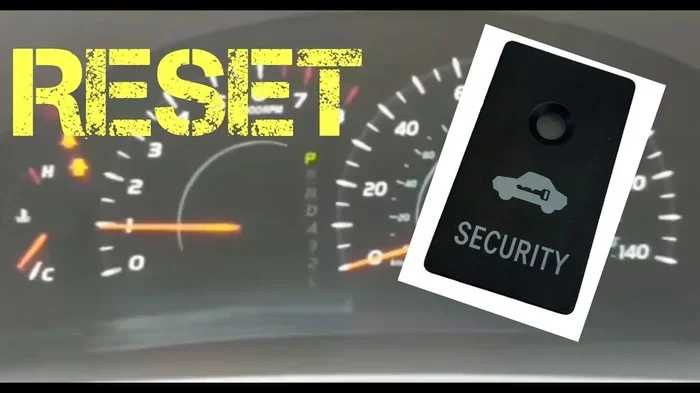
The most telltale sign is a flashing security warning light on your dashboard. This light usually looks like a car with a key inside it. If it is blinking steadily or rapidly after you try to start the car, your Toyota has engaged its theft protection mode.
Engine Cranks but Won’t Start
You turn the key or press the start button. The engine turns over, but it refuses to fire up. This happens because the Toyota immobilizer has disabled the fuel injection system or the ignition spark. The car physically cannot start without the correct key signal.
Key Fob Doesn’t Respond
If your Toyota key fob stops working entirely, the car may not recognize it as a valid key. This triggers the anti-theft mode even if the key fob is perfectly functional. A dead key fob battery is the most common reason for this.
Dashboard Displays a Security Warning Message
Some newer Toyota models display a text message on the instrument cluster. It might say something like “Security System Malfunction” or “Anti-Theft System Active.” This is your car telling you that the Toyota security system has been triggered.
Why Does Toyota Anti-Theft Mode Get Activated?
Understanding the root cause helps you pick the right fix. Here are the most common reasons your Toyota enters anti-theft mode.
Dead Key Fob Battery
This is the number one culprit. When the battery inside your Toyota key fob dies, the fob can no longer send the correct signal to the car. The car thinks someone is trying to steal it and locks down the engine. Replacing the battery is quick, cheap, and solves the problem in most cases.
Faulty Door Lock or Hood Sensor
If a door lock sensor or the hood latch sensor malfunctions, the car’s theft deterrent system may think someone is tampering with the vehicle. This can happen after a car wash, during a storm, or simply from wear and tear over time.
Recent Battery Disconnect or Jump Start
When you disconnect the car battery or jump-start your Toyota, the Toyota immobilizer sometimes loses its memory. The system needs to relearn the key fob signal. Until it does, the car stays in anti-theft mode.
Worn-Out or Damaged Transponder Key
The chip inside your transponder key can wear out over time. If the chip is damaged, the car cannot read the correct identification code. This causes the anti-theft system to activate even when you are using the correct key.
Electrical Gremlins and Wiring Issues
In rare cases, damaged wiring or a faulty Toyota security module can cause false anti-theft triggers. This is more common in older Toyotas or vehicles that have been in accidents.
How to Get Your Toyota Out of Anti-Theft Mode Fast
Now for the part you have been waiting for. Here are the most effective methods to get your Toyota out of anti-theft mode. Try them in order, starting with the simplest fix.
Method 1: Wait It Out (The 10-Minute Reset)
This is the easiest and most overlooked fix. When your Toyota enters anti-theft mode, the immobilizer locks the engine for a set period. In many cases, simply waiting 10 to 15 minutes allows the system to reset on its own.
Here is what to do:
- Turn the ignition off and remove the key.
- Get out of the car and close all doors.
- Wait at least 10 minutes.
- Get back in and try starting the car again.
In many cases, the Toyota security light will stop flashing after the waiting period, and the car will start normally. This method works because the Toyota anti-theft timer resets itself after a cooldown period.
Method 2: Replace the Key Fob Battery
If waiting does not work, your next step is to replace the battery in your key fob. A dead key fob battery is the leading cause of false anti-theft activation. Most Toyota key fobs use a CR2032 battery, which you can buy at any grocery store or pharmacy for a couple of dollars.
Follow these steps:
- Slide the metal key out of the fob.
- Use the key or a small flathead screwdriver to pry open the fob casing.
- Remove the old battery and note the orientation.
- Insert a new CR2032 battery with the positive side facing up.
- Snap the fob back together.
- Try starting your Toyota again.
After replacing the battery, the Toyota key fob should communicate properly with the car’s immobilizer, and the anti-theft mode should release.
For more details on key fob batteries and which type to use, check out our article Can I Use a CR2032 in a Toyota Key. It covers everything you need to know about replacing batteries in Toyota key fobs.
Method 3: Try the Spare Key
If your primary key fob is the problem, try using your spare key. Sometimes the chip inside one key fob fails while the other works perfectly. Using the spare key can immediately get you back on the road while you fix or replace the faulty fob.
Method 4: Reset the Toyota Immobilizer
If the above methods do not work, you may need to manually reset the Toyota immobilizer. Here is the general procedure:
- Turn the ignition to the ON position without starting the engine.
- Wait for the security light to stop flashing.
- Turn the ignition OFF.
- Wait 5 seconds.
- Turn the ignition back to ON.
- Wait for the security light to go off completely.
- Start the engine.
This process tells the Toyota security system to recheck the key fob signal. If the fob is working properly, the car should exit anti-theft mode and start normally.
Method 5: Disconnect and Reconnect the Car Battery
Sometimes the Toyota anti-theft system needs a full electrical reset. Disconnecting the car battery for 15 to 30 minutes can clear the error and reset the immobilizer.
Here is how to do it safely:
- Turn off the engine and all electronics.
- Open the hood and locate the negative (black) battery terminal.
- Use a wrench to loosen the cable and remove it from the terminal.
- Wait at least 15 minutes.
- Reconnect the cable and tighten it securely.
- Try starting the car.
Keep in mind that disconnecting the battery may reset other settings in your Toyota, such as the clock, radio presets, and power window calibration. You may need to reprogram some of these after reconnecting.
For more help with battery-related issues, read our guide on How Do I Check My Car Battery. It covers how to test your battery and avoid unexpected electrical problems.
Method 6: Clear the Check Engine or Security Code
When the anti-theft system triggers, it often stores a trouble code in the car’s computer. Clearing this code can sometimes release the anti-theft lockout. You can use an OBD-II scanner to read and clear the code yourself, or visit a mechanic or auto parts store that offers free code reading.
For more information on clearing codes, see our article How Can I Clear A Check Engine Code.
How to Prevent Toyota Anti-Theft Mode from Returning
Once you have your Toyota back, you probably want to make sure this does not happen again. Here are some simple steps to prevent future anti-theft mode activations.
Replace the Key Fob Battery Regularly
Do not wait until the fob stops working completely. Replace the battery every 1 to 2 years. This keeps the signal strong and prevents false triggers from a weak battery.
Keep Your Key Fob Away from Metal Objects
Placing your key fob near metal objects, other electronic devices, or multiple key fobs can interfere with the signal. Store your fob in a dedicated spot, like a console tray or a bag pocket, to avoid signal interference.
Address Door Lock Sensor Issues Promptly
If a door lock sensor goes bad, it can trigger the Toyota theft deterrent system even when nothing is wrong. If you notice a door not locking or unlocking properly, get it checked right away.
Avoid Jump-Start Mishaps
When jump-starting your Toyota, connect the cables in the correct order. Incorrect cable placement can send voltage spikes through the electrical system and confuse the immobilizer. Always connect positive to positive, negative to a ground point on the engine block, and never connect cables directly to the battery terminals in the wrong order.
Keep Software Updated
Newer Toyota models receive software updates that can improve the reliability of the anti-theft system. Visit your dealership or check for updates through the Toyota app if your vehicle supports it.
When to See a Professional Mechanic
Most of the time, you can resolve the anti-theft issue at home using the methods above. But there are situations where you should seek professional help.
If none of the DIY fixes work after trying all of the methods, the problem may be deeper than a dead battery or a simple reset. A faulty Toyota immobilizer, a damaged security module, or wiring issues require professional diagnostic equipment and expertise.
Also, if your Toyota is still under warranty, contact your dealership before attempting any fixes. Some DIY methods, like disconnecting the battery, may void certain warranty coverage. A dealer can run a proper diagnostic and often resolve the issue at no cost to you.
For questions about where to get your Toyota serviced, check out our article Can I Get My Mazda Serviced Anywhere for insights on dealership vs. independent shop service options that also apply to Toyota owners.
If your Toyota’s check engine light or engine management light is on along with the security light, there may be a related electrical issue. Our article How Do I Get Rid Of The Engine Management Light covers how to address these warning lights effectively.
Quick Tips for Common Toyota Models
Different Toyota models have slight variations in their anti-theft systems. Here are some quick tips for popular models.
- Toyota Camry: The Camry’s Toyota Smart Key System is prone to false triggers if the key fob is in your pocket and you lean against a metal surface. Keep the fob in a dedicated pocket away from metal.
- Toyota Corolla: Corolla owners report that the immobilizer sometimes locks up after a dead car battery. Always try the 10-minute reset first.
- Toyota RAV4: The RAV4’s keyless entry system can malfunction in cold weather. Keeping a spare battery in the fob and replacing it before winter helps prevent issues.
- Toyota Highlander: Highlanders with the smart key push-button start may show a “Key Not Detected” message. Try holding the fob directly against the start button to bypass the antenna issue temporarily.
- Toyota Prius: Prius owners should check the 12-volt auxiliary battery in the engine bay. A weak auxiliary battery can cause the anti-theft system to activate even when the main hybrid battery is fine.
Understanding the Toyota Immobilizer System
The Toyota immobilizer is the brain behind the anti-theft system. It is a small electronic module that communicates with your key fob’s transponder chip. When you insert the key or press the start button, the immobilizer sends a request for identification. The transponder chip in the key responds with a unique code. If the code matches, the immobilizer allows the engine to start. If it does not match, the immobilizer blocks the fuel system and ignition.
This system has been a standard feature in Toyota vehicles since the 1990s. It has dramatically reduced Toyota theft rates and is one of the reasons Toyotas hold their value so well. However, the system is not perfect. Electrical glitches, worn-out chips, and dead batteries can all cause the immobilizer to activate when it should not.
The good news is that the immobilizer is designed to be user-friendly. In most cases, a simple battery replacement or a short reset period is all it takes to get things working again. You do not need specialized tools or technical knowledge to handle the most common anti-theft mode issues.
Common Mistakes People Make When Dealing with Toyota Anti-Theft Mode
Avoid these common mistakes that can make the problem worse or waste your time.
- Trying to start the car repeatedly: This drains your car battery further and can confuse the immobilizer even more. Walk away and try again after a 10-minute break.
- Ignoring the key fob battery: Many people assume the car has a bigger electrical problem when the real issue is a $3 battery in the fob. Always check the fob battery first.
- Using the wrong key: If you have multiple keys for your Toyota, make sure you are using the correct programmed key. An unprogrammed or duplicate key will trigger the anti-theft system.
- Disconnecting the battery incorrectly: Always remove the negative terminal first and reconnect it last. Reversing this order can cause electrical shorts.
- Panicking and calling a locksmith immediately: Most anti-theft mode issues are simple fixes you can do yourself. Try the methods in this guide before spending money on a locksmith.
Final Thoughts
Dealing with your Toyota in anti-theft mode can be frustrating, but it is almost always fixable at home. The most common causes are a dead key fob battery, a simple immobilizer reset, or a brief cooldown period. By following the steps in this guide, you can get your Toyota back on the road quickly and safely.
Remember to maintain your key fob battery, keep your sensors clean and functional, and address any warning lights promptly. These simple habits go a long way in preventing future anti-theft mode activations. Your Toyota’s theft deterrent system is there to protect you, and with a little knowledge, you can keep it working properly without the headaches.
If you ever find yourself stuck and none of these fixes work, do not hesitate to visit a trusted mechanic or your local Toyota dealership. They have the tools and expertise to diagnose deeper issues with your Toyota security system and get you back on the road with confidence.
Frequently Asked Questions
How long does Toyota anti-theft mode last?
In most cases, the anti-theft mode lasts for 10 to 15 minutes before it resets automatically. However, if the underlying issue is not resolved, such as a dead key fob battery or a faulty sensor, the mode may return after the reset. Fixing the root cause is the best way to prevent it from coming back.
Can a dead key fob battery cause my Toyota to enter anti-theft mode?
Yes, a dead key fob battery is the most common reason Toyota vehicles enter anti-theft mode. Without a working battery, the fob cannot send the identification signal the car needs to start the engine. Replacing the battery with a new CR2032 usually fixes the problem immediately.
Do I need a special tool to reset the Toyota immobilizer?
No, you do not need any special tools to reset the Toyota immobilizer. Most resets can be done by simply waiting 10 minutes, replacing the key fob battery, or disconnecting the car battery for 15 to 30 minutes. These are simple procedures anyone can do at home.
Will disconnecting the car battery damage my Toyota?
Disconnecting the car battery will not damage your Toyota. However, it may reset some settings like the clock, radio presets, and power window calibration. You will need to reprogram those settings after reconnecting the battery. Always disconnect the negative terminal first to avoid electrical shorts.
Can I drive my Toyota with the anti-theft light flashing?
No, you should not drive your Toyota while the anti-theft light is flashing. The flashing light means the immobilizer has disabled the engine, and the car may stall or refuse to start. Address the issue using the methods in this guide before attempting to drive.
How much does it cost to fix Toyota anti-theft mode at a dealership?
If the basic fixes do not work, a dealership visit may cost between $50 and $150 for diagnostic labor. In most cases, the fix is simple and does not require expensive parts. However, if the immobilizer module itself needs replacement, the cost could be higher, ranging from $200 to $500 depending on the Toyota model and year.