Does the Toyota 4Runner Have Third Row Seating Options
The Toyota 4Runner does not offer third row seating in any generation or trim. It is a two-row SUV designed for five passengers. However, the 4Runner still delivers excellent cargo space and seating comfort. If you need third row seating, Toyota models like the Highlander or Sienna may be a better fit.
The Toyota 4Runner has been a staple in the SUV world for decades. It’s tough, reliable, and built to last. But one question keeps popping up among buyers: does the Toyota 4Runner have third row seating? The short answer is no. But there is a lot more to know about the 4Runner’s seating setup, cargo capacity, and how it compares to other Toyota SUVs that do offer a third row.
If you are shopping for a Toyota SUV and need seating for more than five people, this guide will help you understand what the 4Runner offers and what your options are. We will dive deep into every generation, every trim, and every seating detail so you can make a confident buying decision.
Key Takeaways
- No Third Row: The Toyota 4Runner is a two-row SUV with seating for five passengers only.
- Spacious Cargo Area: Despite lacking a third row, the 4Runner offers generous rear cargo space for a midsize SUV.
- Multiple Trims Available: Each 4Runner trim maintains the same five-passenger seating layout.
- Seat Folding Options: The rear seats fold down to create a flat cargo floor for larger items.
- Competitors Offer Third Row: If third row seating is essential, consider Toyota alternatives like the Highlander or Sienna.
- Strong Resale Value: The 4Runner remains one of the most sought-after Toyota SUVs despite the two-row design.
- Family-Friendly: Five-passenger seating with ample room makes the 4Runner a solid family vehicle for most households.
📑 Table of Contents
- The Toyota 4Runner Seating Layout
- Why the 4Runner Does Not Have a Third Row
- 4Runner Cargo Space: Making Up for the Missing Third Row
- 4Runner Trims and Seating Features
- Comparing the 4Runner to Other Toyota SUVs
- Can You Modify a 4Runner to Add a Third Row?
- Who Is the Toyota 4Runner Best Suited For?
- The 4Runner’s Legacy: Why Two Rows Worked
- Common Mistakes Buyers Make
- Final Thoughts
The Toyota 4Runner Seating Layout
Every generation of the Toyota 4Runner has been a two-row SUV. That means it seats five passengers: two in the front and three in the back. There has never been a factory-installed third row in any model year of the 4Runner. This is a defining characteristic of the vehicle and something buyers need to know before they start shopping.
The 4Runner’s seating capacity is five passengers across all trims. Whether you are looking at the base SR5, the TRD Off-Road, the TRD Pro, or the Limited trim, the seating configuration stays the same. Toyota has kept the 4Runner focused on ruggedness and off-road capability rather than maximizing passenger count.
Front Seating
The front seats in the 4Runner are comfortable and supportive. They offer plenty of legroom and headroom for taller drivers. The driver’s seat is adjustable in multiple directions, and the passenger seat follows suit. In higher trims like the Limited, you get upgraded materials and additional comfort features.
Rear Seating
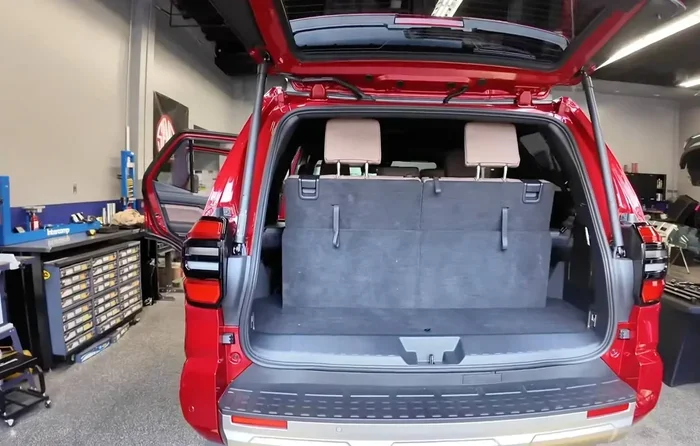
The rear bench seat comfortably fits three adults, though it is tighter than what you would find in a full-size SUV. The rear seat folds down to create a flat cargo surface, which is a huge advantage for hauling gear, luggage, or outdoor equipment. 4Runner rear seats are built tough and can handle a lot of wear and tear, which is perfect for families who use their SUV for adventures.
Why the 4Runner Does Not Have a Third Row
Toyota designed the 4Runner with a specific purpose in mind. It is a midsize body-on-frame SUV built for off-road performance, durability, and towing. Adding a third row would change the vehicle’s structure, weight distribution, and overall character. Here is why Toyota has stuck with a two-row design:
- Off-Road Focus: The 4Runner’s short rear overhang helps with approach and departure angles, making it better on trails.
- Body-On-Frame Design: A third row would add weight and complexity to an already robust frame.
- Target Audience: Most 4Runner buyers prioritize capability over passenger capacity.
- Size Constraints: The 4Runner’s dimensions are optimized for five passengers and cargo, not seven.
Toyota also keeps the 4Runner’s 4Runner dimensions manageable. A longer wheelbase to accommodate a third row would make the vehicle harder to park and maneuver in tight spaces. The current size strikes a great balance between usability and capability.
4Runner Cargo Space: Making Up for the Missing Third Row
Even though the 4Runner does not have a third row, it makes up for it with excellent cargo space. The rear cargo area behind the second row is one of the largest in its class. You can easily fit multiple suitcases, camping gear, or grocery bags back there.
Cargo Capacity With Seats Up
With the rear seats upright, the 4Runner provides approximately 47 cubic feet of cargo space. That is plenty for a weekend trip or everyday errands. The cargo area is deep and wide, which makes loading and unloading straightforward.
Cargo Capacity With Seats Folded
When you fold down the rear seats, the cargo area expands significantly. You get roughly 89.7 cubic feet of space, which is enough to haul furniture, large coolers, or even a small tent setup. The flat floor makes it easy to organize and secure your belongings.
For comparison, if you need to carry more passengers, you might want to look at vehicles that offer seating for seven or eight. But if your priority is cargo versatility, the 4Runner delivers strong results.
Real-World Cargo Examples
Here are some practical examples of what you can fit in a 4Runner’s cargo area:
- Four large suitcases with room to spare
- Two camping tents, sleeping bags, and coolers
- A set of golf clubs plus personal bags
- Grocery bags for a week of shopping
- Small outdoor furniture or patio equipment
So while the 4Runner does not have a third row for passengers, its cargo area more than makes up for it when you need to carry gear.
4Runner Trims and Seating Features
All 4Runner trims share the same five-passenger seating layout, but they differ in materials, comfort features, and convenience options. Here is a quick look at what each trim offers for seating:
- SR5: Basic cloth seating, manual adjustments, and rear seatback pockets.
- TRD Off-Road: Enhanced bolstering for off-road comfort, tri-zone climate control, and SofTex-trimmed options.
- TRD Pro: Front bucket seats with unique embroidery, upgraded materials, and extra comfort features.
- Limited: Leather-trimmed seats, heated and ventilated front seats, power-adjustable driver seat, and premium finishes.
No matter which trim you choose, the seating configuration remains the same: two rows, five passengers. Toyota does not vary the seating layout across trims because the 4Runner’s identity is built around its two-row design.
Comparing the 4Runner to Other Toyota SUVs
If you need third row seating but love the Toyota brand, there are other options to consider. Toyota makes several SUVs that offer seating for more than five passengers. Here is how the 4Runner compares:
Toyota 4Runner vs. Toyota Highlander
The Toyota Highlander is a three-row SUV that seats up to eight passengers. It is a more family-friendly option if you need extra seating. The Highlander offers a comfortable ride, modern technology, and a more refined interior. However, it does not match the 4Runner’s off-road prowess or rugged reputation.
If you are considering the Highlander, you might also want to check if there are any recalls on the 2020 Toyota Highlander to stay informed about safety updates.
Toyota 4Runner vs. Toyota Sienna
The Toyota Sienna is a minivan that seats up to eight passengers. It is the ultimate family hauler among Toyota vehicles. You can even turn a Toyota Sienna into a camper with the seats folded down, creating a sleeping area for road trips. The Sienna offers sliding doors, tons of cargo space, and a hybrid powertrain for excellent fuel economy.
However, the Sienna lacks the 4Runner’s rugged off-road capability and towing strength. It is a different vehicle for a different purpose.
Toyota 4Runner vs. Toyota Sequoia
The Toyota Sequoia is a full-size SUV with a third row and seating for up to eight passengers. It is larger and more powerful than the 4Runner. The Sequoia offers a V8 engine, towing capacity, and three-row seating. But it comes at a higher price point and is less nimble than the 4Runner.
| Feature | Toyota 4Runner | Toyota Highlander | Toyota Sienna | Toyota Sequoia |
|---|---|---|---|---|
| Seating Capacity | 5 passengers | 8 passengers | 8 passengers | 8 passengers |
| Third Row | No | Yes | Yes | Yes |
| Off-Road Capability | Excellent | Moderate | Limited | Good |
| Cargo Space (Seats Up) | 47 cu ft | 16.4 cu ft | 34.4 cu ft | 18.9 cu ft |
| Fuel Type | Gasoline | Hybrid/Gas | Hybrid | Gasoline |
| Starting Price Range | Mid-range | Mid-range | Mid-to-high | Higher |
This comparison shows that the 4Runner stands out for off-road ability and cargo space but falls short on passenger capacity. If you need a third row SUV from Toyota, the Highlander, Sienna, or Sequoia are your best bets.
Can You Modify a 4Runner to Add a Third Row?
Some owners wonder if they can add a third row to their 4Runner through aftermarket modifications. The short answer is yes, but with significant caveats. Aftermarket third row seats are available from specialty manufacturers, but they require professional installation and may void your warranty.
Here are some things to consider before adding a third row:
- Warranty Issues: You can take your Toyota to any dealership for warranty work, but modifications may complicate warranty claims.
- Safety Concerns: Aftermarket seats may not meet the same safety standards as factory-installed seating.
- Space Limitations: The 4Runner’s rear cabin is not designed for a third row, so headroom and legroom for third-row passengers would be very limited.
- Cost: Aftermarket third row conversions can be expensive and may not be worth the investment.
Most experts recommend choosing a different Toyota model if third row seating is a must-have. The 4Runner’s strengths lie in its ruggedness, reliability, and off-road capability, not in passenger capacity.
Who Is the Toyota 4Runner Best Suited For?
The 4Runner is an excellent vehicle for a specific type of buyer. Here is who benefits most from the 4Runner’s two-row seating setup:
- Couples and Small Families: Five passengers is plenty for a couple with children or a small family.
- Outdoor Enthusiasts: The 4Runner’s cargo space and off-road capability make it perfect for camping, hiking, and overlanding trips.
- Adventurers: If you prioritize capability over passenger count, the 4Runner delivers in spades.
- Buyers Who Value Resale: The 4Runner holds its value incredibly well, making it a smart long-term investment.
On the other hand, if you regularly need to transport more than five people, the 4Runner is not the right choice. In that case, look at the Highlander, Sienna, or Sequoia instead.
The 4Runner’s Legacy: Why Two Rows Worked
The Toyota 4Runner has been around since the 1980s, and its two-row design has contributed to its enduring popularity. Buyers love the 4Runner because it is simple, capable, and dependable. The five-passenger layout keeps the vehicle compact, agile, and focused on what it does best: going off the beaten path.
Toyota has resisted the trend toward larger, three-row SUVs in the 4Runner lineup. This decision has kept the 4Runner true to its roots and appealing to buyers who value substance over size. The 4Runner’s seating arrangements have remained consistent across generations, and that consistency is part of what makes it so beloved.
Common Mistakes Buyers Make
Before you buy a 4Runner, avoid these common mistakes:
- Assuming It Has a Third Row: Always confirm the seating layout before purchasing. No 4Runner model year offers a third row.
- Overlooking Cargo Space: The 4Runner’s cargo area is excellent, so do not let the lack of a third row discourage you if you need hauling capacity.
- Ignoring Competitors: If you need seven or eight seats, compare the 4Runner to the Highlander or Sequoia before making a decision.
- Not Test-Driving: Sit in the rear seats and assess comfort. Five passengers may be comfortable for your family, but always verify.
Final Thoughts
The Toyota 4Runner does not have third row seating, and it never has. It is a five-passenger, two-row SUV built for adventure, durability, and capability. If you need seating for more than five people, Toyota offers other models that will serve you better. But if you want a rugged, reliable SUV that excels off the road and handles daily driving with ease, the 4Runner is hard to beat.
The 4Runner’s seating capacity of five passengers is more than enough for most families and adventurers. Combined with its impressive cargo space and legendary reliability, it remains one of the best Toyota SUVs on the market. Know what you are getting, and you will love the 4Runner for what it is.
Frequently Asked Questions
Does any year of the Toyota 4Runner have a third row?
No. Every generation and every trim of the Toyota 4Runner has been a two-row SUV with seating for five passengers. Toyota has never offered a factory third row in the 4Runner.
Can you add a third row to a Toyota 4Runner aftermarket?
Yes, aftermarket third row seat kits exist, but they require professional installation and may affect your warranty. The rear cabin is not designed for a third row, so space and comfort for rear passengers would be very limited.
How many people can the Toyota 4Runner seat?
The Toyota 4Runner seats five passengers: two in the front and three in the rear. This is consistent across all trims and model years.
Is the Toyota 4Runner a good family car?
Yes, the 4Runner is a great family car for small to medium-sized families. With five-passenger seating and excellent cargo space, it handles daily commutes, road trips, and outdoor adventures with ease.
Which Toyota SUV has third row seating?
Toyota offers third row seating in the Highlander, Sienna, and Sequoia. Each of these vehicles seats up to eight passengers and offers different strengths compared to the 4Runner.
What is the cargo space of the Toyota 4Runner with seats folded?
With the rear seats folded down, the 4Runner provides approximately 89.7 cubic feet of cargo space, making it one of the most versatile cargo haulers in its class.