Does the Throttle Position Sensor Really Need Recalibration
The throttle position sensor plays a big role in how your engine runs. Many car owners wonder if recalibrating this sensor is really necessary after replacement or cleaning. The short answer is yes, in most cases it does need recalibration to ensure accurate readings. This guide covers everything you need to know about TPS recalibration, including signs of failure, step-by-step instructions, and common mistakes to avoid. You will learn how a properly calibrated sensor improves engine performance and fuel efficiency.
Your car has many small parts that work together to keep it running smoothly. One of those parts is the throttle position sensor. It might be tiny, but it has a huge job. This sensor watches how far you press the accelerator pedal and tells the engine what to do next. Without it working right, your car can feel sluggish, rough, or even dangerous to drive.
So, does the throttle position sensor need recalibration? That is the question many car owners ask after they clean or replace this part. The answer is not always a simple yes or no. It depends on your vehicle, the type of sensor you have, and what work was done. In this article, we will walk you through everything you need to know. You will learn what the sensor does, when it needs recalibration, and how to do it yourself at home.
Key Takeaways
- The TPS tells your engine how far the throttle is open: It sends voltage signals to the ECU to control fuel and air flow.
- Recalibration is often needed after cleaning or replacing the sensor: Without it, your engine may run poorly or throw error codes.
- Common signs of a bad TPS include rough idle, hesitation, and stalling: These symptoms are easy to spot while driving.
- You can recalibrate at home with basic tools: No expensive shop visits are required in most cases.
- Skipping recalibration can lead to bigger problems: Poor fuel economy, misfires, and drivability issues may follow.
- Some vehicles reset the TPS automatically: Check your owner manual before assuming you need to do it manually.
📑 Table of Contents
- What Does the Throttle Position Sensor Do?
- Signs Your Throttle Position Sensor Needs Attention
- Does the Throttle Position Sensor Really Need Recalibration?
- How to Recalibrate a Throttle Position Sensor at Home
- Common Mistakes When Recalibrating a Throttle Position Sensor
- When to See a Professional Mechanic
- Benefits of Proper TPS Recalibration
- How Often Should You Check Your TPS?
- Conclusion
What Does the Throttle Position Sensor Do?
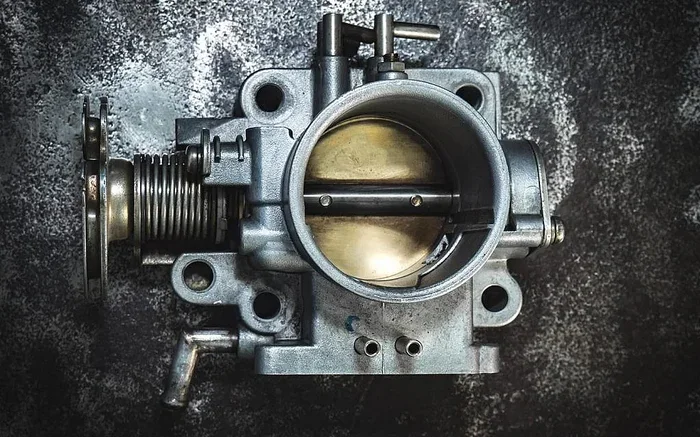
The throttle position sensor is also called the TPS. It sits on the throttle body, which is the part that controls air flowing into your engine. When you press the gas pedal, the throttle plate opens wider. The TPS reads this movement and sends a voltage signal to the engine control unit, or ECU. The ECU then decides how much fuel to inject and when to spark the plugs.
Think of the TPS as the brain’s messenger. It tells the engine exactly how much air is coming in. If the message is wrong, the engine gets the wrong amount of fuel. This can cause all kinds of problems. That is why keeping the sensor properly calibrated matters so much for engine performance and fuel efficiency.
How the TPS Works With the ECU
The ECU is like the boss of your engine. It makes thousands of decisions every second. The TPS gives it key information about throttle angle and accelerator pedal position. The ECU uses this data along with inputs from other sensors like the mass airflow sensor and oxygen sensor. Together, all these parts create the right air-fuel mix for smooth running.
Modern cars use something called electronic throttle control. This system replaces the old cable-connected throttle with electronic sensors and motors. The TPS is a vital part of this setup. If the sensor drifts out of range, the whole system suffers. You may notice poor accelerator response or jerky movements when you press the gas.
Signs Your Throttle Position Sensor Needs Attention
A failing TPS does not always give you a clear warning. But there are several signs you can watch for. Catching these early can save you from bigger repairs down the road. Here are the most common symptoms of a throttle position sensor that is out of calibration.
- Rough idle: The engine shakes or sounds uneven when you are stopped at a light. This happens because the ECU is getting wrong throttle position data.
- Hesitation or stumbling: When you press the gas, the car pauses before responding. This is a classic sign of a TPS calibration problem.
- Stalling at idle: The engine dies when you come to a stop. A miscalibrated sensor can cause the ECU to cut fuel incorrectly.
- Check engine light: Your dashboard warning light comes on. The ECU stores a trouble code related to the TPS circuit or signal range.
- Poor fuel economy: You fill up more often than usual. An uncalibrated sensor can cause the engine to run rich, wasting fuel.
- Uneven power: The car feels weak or struggles to accelerate on hills. The throttle plate may not be getting the right commands.
Why These Symptoms Happen
The TPS uses a sliding contact on a resistor track. Over time, this contact wears down or gets dirty. The voltage signal it sends becomes inconsistent. The ECU then receives erratic data, which leads to drivability issues. Sometimes the sensor simply fails due to age or heat damage. Other times, it just needs a good sensor calibration to get back to normal.
It is important not to ignore these signs. A bad TPS can affect your idle speed and overall engine performance. In worst cases, it can even cause a misfire or make the car unsafe to drive. If you notice any of these symptoms, get the sensor checked right away.
Does the Throttle Position Sensor Really Need Recalibration?
This is the big question, and the answer depends on your situation. In most cases, yes, the throttle position sensor does need recalibration after you clean it or install a new one. But some vehicles handle this process automatically. Let us look at when recalibration is needed and when it is not.
When Recalibration Is Necessary
You should recalibrate the TPS in these situations:
- You have replaced the throttle position sensor with a new part.
- You cleaned the throttle body and the TPS was removed during the process.
- You cleared a TPS-related trouble code from the ECU.
- Your car shows symptoms of a miscalibrated sensor, such as rough idle or hesitation.
- You have performed a throttle body replacement or repair.
In each of these cases, the ECU needs to relearn the throttle plate range and the sensor’s voltage output. Without recalibration, the ECU may not trust the new sensor readings. This leads to poor engine performance, rough idle speed, and reduced fuel economy.
When Recalibration Is Not Needed
Some newer vehicles use a self-learning ECU that resets the TPS automatically. After you clear a code or replace the sensor, the ECU relearns the values during normal driving. You may need to drive the car for a few days under various conditions for it to fully recalibrate. Check your owner manual to see if your vehicle has this feature.
Also, if the TPS is simply dirty but still in place, a thorough cleaning might restore proper function without any recalibration. However, if the sensor is physically removed from the throttle body, recalibration is almost always required.
How to Recalibrate a Throttle Position Sensor at Home
Good news: you do not need to visit a mechanic to recalibrate your TPS in most cases. With a few basic tools and about 15 to 30 minutes, you can do it yourself. Here is a simple step-by-step guide to help you through the process.
Tools You Will Need
- A basic OBD2 scanner or code reader
- A multimeter
- A clean cloth and throttle body cleaner
- Your vehicle owner manual
- A flathead screwdriver or wrench (depending on your car)
Step-by-Step Recalibration Process
Step 1: Turn off the ignition. Make sure the engine is completely off and the key is removed. Wait a few minutes for the ECU to fully power down.
Step 2: Locate the throttle position sensor. Open the hood and find the throttle body. The TPS is mounted on the side of the throttle body with a bolt or screw. Refer to your owner manual for the exact location.
Step 3: Inspect the sensor and wiring. Look for any visible damage, corrosion, or loose connectors. Clean any dirt or carbon buildup around the sensor with a soft cloth and throttle body cleaner.
Step 4: Use the OBD2 scanner to clear codes. Plug the scanner into the diagnostic port, usually under the dashboard. Turn the ignition on and clear any stored trouble codes related to the TPS.
Step 5: Perform the calibration procedure. The exact steps vary by vehicle. In most cases, you will need to cycle the ignition on and off a specific number of times. Some cars require you to turn the key to the ON position without starting the engine, wait 3 seconds, then press and release the accelerator pedal five times within 5 seconds, then wait 7 seconds, and hold the pedal down for 20 seconds.
Step 6: Start the engine and let it idle. Allow the engine to run for a few minutes. The ECU should relearn the throttle position sensor range during this idle period. Do not rev the engine or press the gas pedal.
Step 7: Test drive the vehicle. Take a short drive at various speeds. Pay attention to how the car responds to the accelerator. If the hesitation or rough idle is gone, the recalibration worked.
Step 8: Rescan for codes. Use the OBD2 scanner again to check if any TPS codes have returned. If the codes are gone and the car runs smoothly, you are all set.
Quick Tips for a Successful Recalibration
- Always refer to your vehicle-specific service manual for the exact recalibration steps.
- Make sure the battery is fully charged before starting. A low battery can interfere with the ECU relearning process.
- Do not rush the idle period. Let the engine idle for at least 5 to 10 minutes after recalibration.
- If the first attempt does not work, try repeating the process. Sometimes the ECU needs two cycles to fully relearn.
Common Mistakes When Recalibrating a Throttle Position Sensor
Even when you follow the steps carefully, mistakes can happen. These errors can waste your time or even cause more problems. Here are the most common mistakes people make when recalibrating a throttle position sensor.
- Skipping the idle relearn step: Many people clear the codes and immediately drive off. The ECU needs time to relearn the idle position. Skipping this step often leads to the same symptoms returning.
- Using the wrong recalibration procedure: Every car brand has its own process. Using generic steps from the internet can fail. Always look up the procedure for your specific make and model.
- Ignoring a weak battery: A low or dying battery can prevent the ECU from storing the new calibration values. Replace the battery if it is more than three years old.
- Not cleaning the throttle body first: If carbon buildup is restricting the throttle plate movement, the new calibration will not hold. Always clean the throttle body before recalibrating.
- Replacing the sensor without recalibrating: Installing a new TPS and driving off without resetting it is one of the biggest mistakes. The ECU will not recognize the new sensor without proper calibration.
Expert Insights on TPS Calibration
Experienced mechanics often say that the throttle position sensor is one of the most overlooked parts during maintenance. Many people focus on spark plugs, air filters, and oil changes. But a miscalibrated TPS can undo all the benefits of those other services. A well-calibrated sensor ensures the right air-fuel mixture, smooth idle speed, and crisp accelerator response.
Some experts also point out that using aftermarket or non-OEM TPS parts can cause calibration issues. These sensors may have slightly different voltage ranges than the original part. If you use an aftermarket sensor, double-check the specifications and follow any special recalibration steps required.
When to See a Professional Mechanic
There is no shame in calling a professional. Some TPS problems are too complex for a DIY fix. Here are situations where you should take your car to a trusted mechanic.
- The recalibration process does not resolve the symptoms after two attempts.
- The check engine light stays on even after clearing codes and recalibrating.
- You notice wiring damage or corroded connectors at the sensor.
- Your vehicle has a complex drive-by-wire system that requires specialized tools for recalibration.
- You are not comfortable working with electrical components or diagnostic equipment.
A professional mechanic has access to advanced diagnostic tools and manufacturer-specific software. They can perform a throttle body adaptation or electronic throttle reset with precision. In some cases, the problem may not be the TPS at all. It could be a faulty ECU, a vacuum leak, or a problem with the air intake system. A trained eye can spot these issues quickly.
Keep in mind that a professional TPS recalibration service typically costs between $75 and $200, depending on your vehicle and location. This is a reasonable price for peace of mind, especially if the DIY route has not worked.
Benefits of Proper TPS Recalibration
Once you recalibrate your throttle position sensor correctly, you will notice several benefits. These improvements make the extra effort well worth it.
| Benefit | What You Will Notice |
|---|---|
| Smoother idle | The engine runs quietly and evenly at stops |
| Better throttle response | The car accelerates smoothly without hesitation |
| Improved fuel economy | You get more miles per gallon over time |
| Reduced emissions | The engine runs cleaner with the right air-fuel mix |
| Fewer check engine lights | TPS-related codes stay cleared |
| Longer sensor life | Proper calibration reduces wear on the sensor and throttle body |
These benefits all come from one simple thing: making sure the throttle position sensor sends accurate data to the ECU. When the ECU gets the right information, it can make the right decisions about fuel delivery, spark timing, and idle speed control. The result is a car that runs better, feels better, and lasts longer.
How Often Should You Check Your TPS?
There is no set schedule for checking the throttle position sensor. Unlike oil changes or tire rotations, the TPS does not have a maintenance interval listed in most owner manuals. However, it is a good idea to inspect the sensor and throttle body every 30,000 to 60,000 miles. This is especially true if you notice any of the symptoms we discussed earlier.
Regular throttle body cleaning can also help keep the TPS in good shape. Carbon buildup is the number one enemy of the throttle body and sensor. A simple cleaning every couple of years can prevent many drivability issues and extend the life of the sensor.
Conclusion
So, does the throttle position sensor need recalibration? The answer is yes, in most cases it does. Whether you have replaced the sensor, cleaned the throttle body, or cleared a TPS-related code, recalibration helps the ECU relearn the correct values. A properly calibrated sensor leads to smoother idle, better acceleration, improved fuel economy, and fewer check engine lights.
The good news is that recalibrating a throttle position sensor is something you can do at home with basic tools. Just follow the steps for your specific vehicle, take your time, and do not skip the idle relearn period. If the DIY route does not work, a professional mechanic can help with advanced TPS recalibration tools and expertise.
Take care of your throttle position sensor, and it will take care of your engine. A small calibration job today can save you from big headaches tomorrow. Your car will thank you with every smooth, responsive drive.
Frequently Asked Questions
What happens if you do not recalibrate the throttle position sensor?
Without recalibration, the ECU may not receive accurate throttle data. This can lead to rough idle, hesitation, stalling, poor fuel economy, and a check engine light. The engine may run rich or lean, causing long-term damage to components like the catalytic converter.
Can a dirty throttle position sensor cause drivability issues?
Yes, a dirty TPS can cause all kinds of drivability issues. Carbon buildup on the sensor contact can make the voltage signal erratic. This leads to jerky acceleration, rough idle, and inconsistent throttle response. Cleaning the sensor and throttle body often fixes these problems.
How long does it take to recalibrate a throttle position sensor?
The process usually takes 15 to 30 minutes for most vehicles. This includes clearing codes, performing the calibration procedure, and letting the engine idle for the relearn period. Some vehicles may require a short test drive to complete the process.
Do all vehicles need manual TPS recalibration?
No, not all vehicles need manual recalibration. Many newer cars have self-learning ECUs that automatically reset the TPS values during normal driving. Check your owner manual to see if your vehicle requires a manual procedure or handles it on its own.
Can a bad throttle position sensor cause a misfire?
Yes, a miscalibrated or failing TPS can cause a misfire. When the sensor sends incorrect throttle angle data, the ECU may inject the wrong amount of fuel. This creates an imbalance in the air-fuel mixture, which can lead to misfires, rough running, and reduced engine power.
Is it safe to drive with a faulty throttle position sensor?
It is not recommended to drive with a faulty TPS for long periods. A bad sensor can cause sudden loss of power, stalling, or erratic throttle response. These issues can be dangerous, especially at highway speeds or in heavy traffic. Have the sensor checked and recalibrated as soon as possible.
=== CONCLUSION ===
Recalibrating your throttle position sensor is an important step after any throttle body work or sensor replacement. It ensures your engine gets the right data for smooth, efficient operation. Whether you do it yourself at home or visit a mechanic, the benefits are clear: better idle, improved acceleration, and fewer engine problems. Do not skip this step. Your car will run better, and you will enjoy a more reliable driving experience every time you hit the road.