Does Sequoia Hold Its Value or Will It Lose Value Over Time
The Toyota Sequoia is a full-size SUV known for strong value retention, but its resale trajectory depends on trim level, mileage, and market demand. Unlike many SUVs that shed value quickly, the Sequoia benefits from Toyota’s legendary reliability and a loyal buyer base. Understanding how much the Sequoia depreciates helps you make a smarter buying or selling decision.
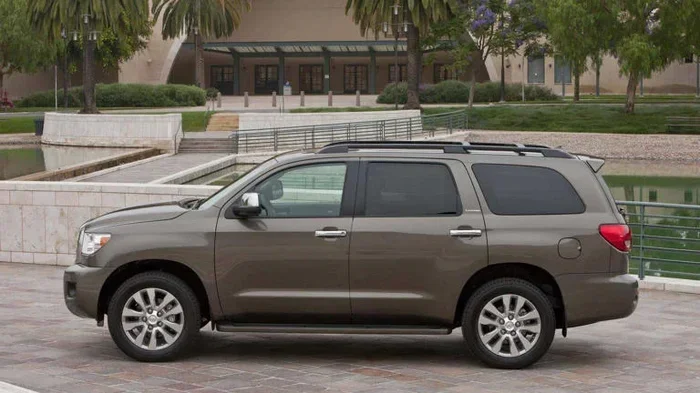
When you drop serious money on a big SUV, you want to know one thing: will it hold its value? The Toyota Sequoia has been a staple in the full-size SUV world for years. It seats up to eight people, tows heavy loads, and handles rough roads with ease. But here is the real question most buyers ask before signing on the dotted line: does Sequoia hold its value over time?
The short answer is yes, and it holds up better than many competitors. Toyota has built a reputation for building vehicles that last. The Sequoia benefits from that trust. Buyers know they are getting a truck-based SUV that will keep running long after the warranty expires. That confidence keeps demand steady, which is the single biggest factor in vehicle depreciation.
In this article, we will break down the Sequoia’s depreciation rate, compare it to rival SUVs, and share practical tips to help you get the most money back when it is time to sell. Whether you are buying new or shopping for a used model, understanding how the Sequoia holds its value will save you real money.
Key Takeaways
- Strong Value Retention: The Toyota Sequoia depreciates slower than most full-size SUVs thanks to Toyota’s reputation for reliability.
- Depreciation Rate: On average, a new Sequoia loses about 15-20% of its value in the first year and roughly 40-50% over five years.
- Trim Level Matters: Higher trims like the Platinum and 1794 Edition tend to hold value better than base models.
- Market Demand Drives Pricing: The used Sequoia market remains strong due to its towing capacity, seating, and off-road capability.
- Maintenance Plays a Role: Keeping up with scheduled service and preserving the vehicle’s condition boosts resale value significantly.
- Comparison to Competitors: The Sequoia often outperforms rivals like the Ford Expedition and Chevrolet Tahoe in long-term value retention.
- Toyota Brand Loyalty Helps: Buyers trust Toyota, which keeps demand steady and supports higher resale prices.
📑 Table of Contents
- Understanding SUV Depreciation and Why It Matters
- How the Toyota Sequoia Depreciates Over Time
- Factors That Help the Sequoia Hold Its Value
- Sequoia Trim Levels and Their Impact on Value
- Tips to Maximize Your Sequoia’s Resale Value
- How the Sequoia Compares to Competitors in Value Retention
- Is the Sequoia Worth Buying for Value? Final Thoughts
Understanding SUV Depreciation and Why It Matters
Every new car loses value the moment you drive it off the lot. This is called depreciation, and it affects every vehicle on the road. But not all vehicles depreciate at the same rate. Some SUVs drop in value fast, while others hold steady for years.
Vehicle depreciation is the difference between what you paid and what the car is worth today. Most cars lose about 15-25% of their value in the first year. Over five years, the average vehicle loses 50-60% of its original price. The Sequoia tends to fall on the better end of that range.
What Causes a Vehicle to Lose Value?
Several factors determine how fast a vehicle depreciates. Understanding these can help you make a smarter purchase decision.
- Brand Reputation: Toyota consistently ranks at the top for reliability. That reputation keeps buyers coming back, which supports strong Toyota resale value.
- Vehicle Condition: A well-maintained Sequoia with low mileage will always fetch more than one that has been neglected.
- Market Demand: Full-size SUVs remain popular for families and adventure seekers. High demand keeps prices stable.
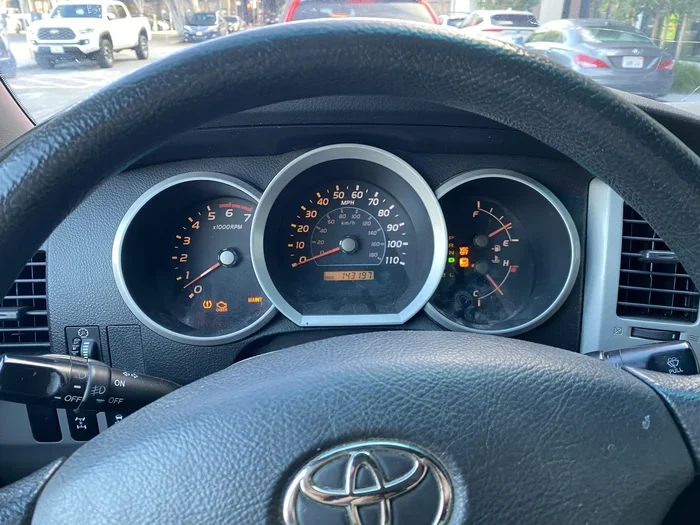
- Mileage: The more miles on the odometer, the lower the resale price. Keeping mileage reasonable helps preserve value.
- Trim Level: Higher-end trims with more features tend to depreciate slower because buyers want those extras.
- Fuel Economy: While the Sequoia is not a fuel-sipper, its V8 engine and towing capability attract buyers who need those features.
If you want a deeper look at how to calculate what your car is truly worth, check out our guide on How To Determine The Actual Cash Value Of A Car. It covers the tools and methods you can use to get an accurate estimate.
How the Toyota Sequoia Depreciates Over Time
Now let us get into the numbers. The Sequoia depreciation rate is something many potential buyers want to understand before committing to a purchase. Here is a realistic breakdown of how the Sequoia loses value over time.
Year-by-Year Depreciation Breakdown
The Toyota Sequoia follows a predictable depreciation curve. Most vehicles lose value fastest in the first few years. Here is what you can expect:
- Year 1: A new Sequoia loses roughly 15-20% of its value. A model priced at $55,000 might be worth around $44,000 after one year.
- Year 2: Depreciation slows down. You can expect another 10-15% drop, bringing the value to around $37,000-$39,000.
- Year 3: The value stabilizes further. At the three-year mark, expect the Sequoia to be worth about 55-60% of its original price.
- Year 5: After five years, the Sequoia typically retains 50-55% of its original value. This is excellent for a full-size SUV.
- Year 7-10: The depreciation curve flattens out. Older Sequoias hold value surprisingly well, especially if they have been properly maintained.
Compared to many competitors, the Sequoia stands out. The Ford Expedition, for example, often depreciates faster in the first three years. The Chevrolet Tahoe follows a similar trend but tends to lose a bit more value over the long haul. The Sequoia’s Toyota reliability rating gives it a clear edge.
How the Sequoia Compares to Other Toyota Models
Toyota vehicles are known for holding value, and the Sequoia is no exception. If you are curious how it stacks up against other Toyota models, consider the Toyota 4Runner. The 4Runner is famous for its incredible value retention, and the Sequoia follows a similar path. Both vehicles share Toyota’s rugged DNA and loyal fan base.
If you are also considering how other Toyota models hold value, you might want to read our article on Are Toyota 4Runners Losing Value for a direct comparison of value retention across Toyota’s SUV lineup.
Factors That Help the Sequoia Hold Its Value
Several specific reasons explain why the Toyota Sequoia holds its value better than most SUVs. Let us look at the key factors that work in favor of Sequoia owners.
Toyota’s Legendary Reliability
Toyota builds vehicles that last. The Sequoia shares its platform with the Tundra pickup truck, which is known for durability. Owners trust that their Sequoia will keep running for hundreds of thousands of miles with proper care. That trust translates directly into stronger resale prices.
When buyers shop the used market, they look for vehicles with a proven track record. The Sequoia delivers that. Its reputation for reliability is one of the biggest assets in the used SUV market.
Strong Towing and Utility Features
The Sequoia is not just a family hauler. It is a workhorse. With towing capacity that rivals many pickups, the Sequoia attracts buyers who need serious utility. Whether you are hauling a boat, a trailer, or gear for outdoor adventures, the Sequoia delivers.
This utility factor keeps demand high, even as the vehicle ages. Buyers in the used market are willing to pay a premium for a Sequoia that can still handle heavy loads. That demand supports better Toyota truck value retention compared to less capable SUVs.
Toyota Brand Loyalty and Demand
Toyota has one of the most loyal customer bases in the automotive industry. Buyers who purchase a Toyota often return for their next vehicle. This loyalty creates a consistent demand pool for used Toyotas, including the Sequoia.
When demand stays strong, prices stay higher. Even during economic downturns, Toyota vehicles tend to hold their value better than brands with weaker followings. The Sequoia benefits from this brand effect every single day.
Sequoia Trim Levels and Their Impact on Value
Not all Sequoias are created equal when it comes to holding value. The trim level you choose can make a big difference in long-term resale.
Base SR5 Trim
The SR5 is the entry-level Sequoia trim. It comes well-equipped for the price but lacks the premium features of higher trims. In terms of Sequoia resale value, the SR5 holds up reasonably well. However, it does not retain value as strongly as the upper trims.
Buyers looking for a budget-friendly Sequoia often target the SR5 used market. The depreciation curve is steeper here because more buyers opt for the fancier trims when buying new.
Limited and Platinum Trims
The Limited and Platinum trims are where the Sequoia really shines in value retention. These higher-end models come with leather seats, advanced infotainment, and premium audio systems. Buyers who want a luxury feel in a full-size SUV gravitate toward these trims.
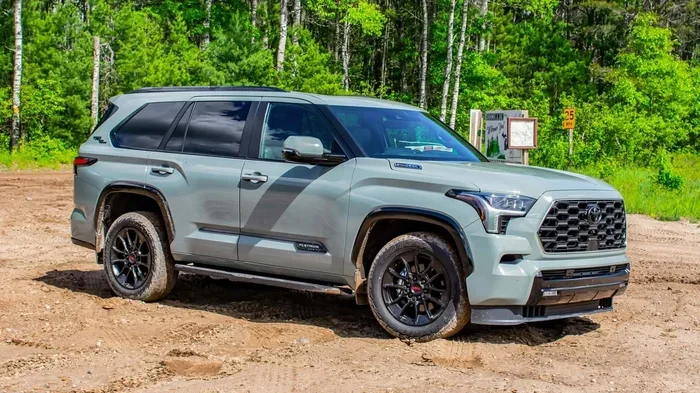
The Platinum trim, in particular, holds value impressively. Its premium features make it more desirable on the used market. If you are deciding between trims, the Limited or Platinum may offer better long-term value despite a higher upfront cost.
The 1794 Edition and TRD Pro
The 1794 Edition and TRD Pro trims add off-road capability and unique styling to the Sequoia lineup. These trims attract enthusiasts who value both luxury and ruggedness. The 1794 Edition, named after Toyota’s original ranch, carries a premium that holds well on the resale market.
The TRD Pro adds performance upgrades like upgraded suspension and all-terrain tires. These features make the TRD Pro a favorite among adventure seekers, which helps it retain value better than the base model.
Tips to Maximize Your Sequoia’s Resale Value
If you own a Sequoia or are planning to buy one, there are concrete steps you can take to maximize its resale value. These tips apply whether you plan to sell in two years or ten.
Keep Up with Regular Maintenance
Follow the recommended service schedule to the letter. Change the oil on time, rotate the tires, and address any issues before they become major problems. A full service history gives buyers confidence and supports a higher asking price.
Keeping up with maintenance also prevents costly repairs down the road. A well-documented service record is one of the strongest selling points when you list your Sequoia for sale.
Protect the Exterior and Interior
Use a quality car cover when parking outdoors. Wash and wax the paint regularly to prevent rust and oxidation. Inside, use seat covers and floor mats to keep the cabin looking fresh.
Buyers judge a used vehicle by its appearance first. A Sequoia that looks cared for will always sell faster and for more money than one that shows neglect.
Keep Mileage Reasonable
High mileage is the enemy of resale value. If you can, keep your annual mileage under 10,000-12,000 miles. The lower the odometer reading when you sell, the more money you will get back.
If you use your Sequoia for work or towing, consider keeping a second daily driver to reduce miles on the big SUV. This simple strategy can pay off significantly at resale time.
Sell at the Right Time
Timing matters in the used vehicle market. Spring and early summer tend to be the best seasons to sell SUVs. Buyers are shopping for road trips and outdoor adventures during these months.
Also, watch for demand spikes. If a new model year is about to launch, buyers may rush to purchase the outgoing model, which can drive up used prices temporarily.
How the Sequoia Compares to Competitors in Value Retention
To really understand where the Sequoia stands, it helps to compare it directly to its main competitors in the full-size SUV segment.
| Vehicle | 5-Year Depreciation | Reliability Rating | Used Market Demand |
|---|---|---|---|
| Toyota Sequoia | 45-50% | Excellent | High |
| Ford Expedition | 50-55% | Good | Moderate |
| Chevrolet Tahoe | 50-58% | Good | Moderate |
| GMC Yukon | 52-58% | Good | Moderate |
| Nissan Armada | 55-60% | Average | Lower |
As you can see, the Toyota Sequoia depreciates less than most of its competitors. The Ford Expedition and Chevrolet Tahoe are close contenders, but neither matches Toyota’s long-term value retention. The Nissan Armada lags behind in both reliability perception and resale performance.
For another perspective on how a popular Toyota model holds value over time, you might enjoy our article on Do Honda Civics Hold Their Value, which explores value retention in Honda’s lineup.
If you are curious about how other Toyota models compare in terms of value, check out our piece on How Much Mileage Does A Fortuner Give for insights into another Toyota SUV’s long-term ownership picture.
Is the Sequoia Worth Buying for Value? Final Thoughts
So, does the Sequoia hold its value? The evidence is clear: yes, it does. The Toyota Sequoia ranks among the best full-size SUVs for long-term value retention. Its combination of reliability, utility, and brand trust gives it a distinct advantage in the used market.
If you are buying new, you can feel confident that your Sequoia will not shed value as quickly as many competitors. If you are buying used, the Sequoia offers excellent bang for your buck. A three-year-old model still has plenty of life left and will continue to hold value for years to come.
The key to maximizing your investment is simple: maintain it well, keep the mileage reasonable, and sell at the right time. Follow these principles, and your Sequoia will reward you with strong resale value every step of the way.
Whether you are a first-time Sequoia buyer or a longtime Toyota fan, the Sequoia proves that big SUVs can still be smart financial choices. The Toyota Sequoia holds its value better than most vehicles in its class, and that makes it a standout option in a crowded SUV market.
Frequently Asked Questions
Does the Toyota Sequoia hold its value well compared to other SUVs?
Yes, the Sequoia holds its value better than most full-size SUVs. On average, it retains about 50-55% of its original value after five years, which is above the industry average. Its Toyota reliability reputation and strong used market demand are the main reasons for this advantage.
What is the average depreciation rate for a Toyota Sequoia?
A new Sequoia typically loses about 15-20% of its value in the first year. Over five years, total depreciation ranges from 45-50%. After that, the depreciation curve flattens significantly, meaning older Sequoias lose value at a much slower rate.
Which Sequoia trim holds its value the best?
The Platinum and 1794 Edition trims tend to hold value the best. These higher-end trims come with premium features that remain desirable on the used market. The Limited trim also performs well in resale comparisons.
Can I improve my Sequoia’s resale value?
Absolutely. Regular maintenance, keeping mileage low, and protecting the interior and exterior all help. A complete service history and a clean Carfax report make a big difference when it is time to sell your Sequoia.
Is buying a used Sequoia a good financial decision?
Yes, buying a used Sequoia is a smart financial move. The steepest depreciation happens in the first three years, so a used model lets you avoid that initial value drop. You get a well-equipped vehicle that will continue to hold value for years.
How does the Sequoia’s value retention compare to the Toyota 4Runner?
The 4Runner is famous for holding value, and the Sequoia follows closely behind. While the 4Runner may edge out the Sequoia slightly in some years, both Toyota SUVs outperform most competitors in the full-size and mid-size SUV segments.
=== CONCLUSION ===
The Toyota Sequoia proves that big, capable SUVs do not have to fall apart in value. With its strong reliability, loyal fan base, and excellent utility features, the Sequoia stands out as one of the best full-size SUVs for long-term value retention. Whether you are buying new or shopping the used market, the Sequoia delivers a smart combination of performance, comfort, and financial sense.
If you are still on the fence, remember this: the Toyota Sequoia holds its value better than most vehicles in its segment. Keep it maintained, drive it responsibly, and you will be rewarded with a strong resale price when the time comes to move on. The Sequoia is not just a great SUV to drive, it is a great SUV to own for the long haul.