How Soon Can You Refinance a Car Loan After Purchase
You can typically refinance a car loan after 30 to 90 days, but some lenders allow it as early as 60 days. Your credit score, the actual cash value of your vehicle, and existing loan terms all play a role. This guide walks you through the exact timeline, requirements, and proven strategies to refinance quickly and save money.
Key Takeaways
- Minimum Waiting Period: Most lenders require at least 30 to 90 days before you can refinance your car loan.
- Credit Score Matters: A strong credit score of 660 or higher can unlock better rates and faster approval.
- Actual Cash Value Is Key: Lenders assess the actual cash value of your vehicle to determine your loan-to-value ratio.
- Two Car Loans Are Possible: You can still refinance if you already have two car loans, but lenders will evaluate your total debt.
- Early Refinancing Saves Money: Reducing your interest rate can lower your monthly payment and total loan cost significantly.
- Avoid Common Pitfalls: Watch out for early payoff penalties and negative equity traps.
📑 Table of Contents
- How Soon Can You Refinance a Car Loan After Purchase?
- Factors That Determine When You Can Refinance
- Can You Refinance If You Already Have Two Car Loans?
- How Refinancing Works Like a Loan Against Your Car
- Steps to Refinance Your Car Loan Quickly
- Common Mistakes to Avoid When Refinancing Too Early
- Expert Insights on Car Loan Refinancing Timing
- Conclusion
How Soon Can You Refinance a Car Loan After Purchase?
You bought a car and now you are wondering if you can refinance the loan to get a better deal. The short answer is yes, but timing matters. Most lenders set a minimum waiting period before they will consider a refinance car loan application. Understanding this timeline helps you avoid wasted credit inquiries and unnecessary delays.
The typical waiting period ranges from 30 to 90 days after your original loan closes. However, some lenders may approve a refinance as early as 60 days if you meet strict criteria. Your credit history, income stability, and the current value of your vehicle all factor into the decision. This article breaks down the exact process so you can plan your move with confidence.
The Standard Waiting Period
Lenders do not want you to refinance the moment you drive off the lot. They need time to see that you can manage your payments responsibly. A 30-day minimum is common, but many institutions prefer a 60- to 90-day track record. During this period, make every payment on time. Even one missed payment can lower your chances of approval.
If you are eager to refinance, start by checking your credit report for errors. A clean report and a history of on-time payments signal to lenders that you are a low-risk borrower. The waiting period also gives the lender time to verify your income and employment status. This is a standard part of the car loan refinancing process.
Why Lenders Impose a Waiting Period
Waiting periods protect both the lender and you. For the lender, it reduces the risk of loan churning. Churning happens when borrowers repeatedly refinance to access cash, which can lead to higher default rates. For you, a waiting period ensures you have built some equity in the vehicle and established a reliable payment history.
Additionally, lenders want to confirm that your original loan is performing well. If you have already missed payments or defaulted, refinancing becomes much harder. The waiting period acts as a natural filter. It also prevents you from refinancing into a new loan with unfavorable terms simply because you acted impulsively.
Factors That Determine When You Can Refinance
Not every borrower qualifies at the same time. Several factors influence how soon you can refinance your auto loan. Let us look at the most important ones.
Your Credit Score and Payment History
Your credit score is the single biggest factor in refinancing approval. Most lenders want a score of at least 660 for a standard refinance. If your score is above 700, you may qualify for the best interest rates. Even if your score is lower, some lenders specialize in subprime auto refinancing.
Beyond the score, lenders review your payment history. They want to see at least six months of consistent, on-time payments. If you have a history of late payments, you may need to wait longer. Building a strong payment record before you apply will dramatically improve your chances.
Loan-to-Value Ratio and Actual Cash Value
The loan-to-value ratio compares what you still owe on the car to its current market value. Lenders prefer a ratio below 100 percent, meaning you owe less than the car is worth. To determine this, they rely on the actual cash value of your vehicle, which is based on depreciation and market conditions.
If you are underwater on your loan, refinancing may still be possible but more challenging. Some lenders offer gap refinancing programs, but these often come with higher rates. The best strategy is to wait until you have built enough equity. Making extra payments can help you reach positive equity faster.
Proof of Income and Employment
Lenders need to know you can afford the new loan. You will typically need to provide recent pay stubs, tax returns, or bank statements. If you have changed jobs recently, wait until you have a stable income history. A consistent employment record reassures the lender that you can handle the new monthly payment.
Can You Refinance If You Already Have Two Car Loans?
Many people wonder if they can refinance when they already carry two car loans. The answer is yes, but it adds complexity. Lenders will look at your total debt-to-income ratio. They want to see that your combined monthly payments do not exceed a certain percentage of your gross income.
If you have two loans and strong credit, you may qualify to refinance one or both. Some borrowers refinance a single loan to free up cash flow, then tackle the second loan later. The key is to keep your total debt manageable. Lenders also consider the age and mileage of both vehicles. Older cars with high mileage may not qualify for a refinance.
The Impact of Multiple Loans on Refinancing
Having two car loans can actually work in your favor if you handle them responsibly. It shows lenders you can manage multiple debts. However, it also means more scrutiny. You will need to provide detailed documentation for both loans. Late payments on either loan can hurt your application.
Some borrowers choose to pay off the smaller loan first, then refinance the remaining one. This strategy simplifies the process and can improve your debt-to-income ratio. Always check with your lender about their specific policies on multiple auto loans before applying.
How Refinancing Works Like a Loan Against Your Car
Refinancing a car loan is structurally similar to taking a loan against your car. In both cases, the vehicle serves as collateral for the new loan. The lender places a lien on the title until the loan is fully repaid. This gives the lender security, which is why they carefully evaluate the car’s value.
When you refinance, the new lender pays off your original loan and issues a new loan with different terms. You then make monthly payments to the new lender. The process is straightforward, but the timing and requirements differ from a standard personal loan. Because the car secures the debt, lenders are often more flexible with credit scores than they would be for an unsecured loan.
Secured Loan Basics
A secured loan means the lender can repossess the vehicle if you default. This risk gives the lender the right to set specific terms. They will require comprehensive and collision insurance on the car. They may also impose mileage limits or require regular maintenance. Understanding these terms helps you avoid surprises during the refinance process.
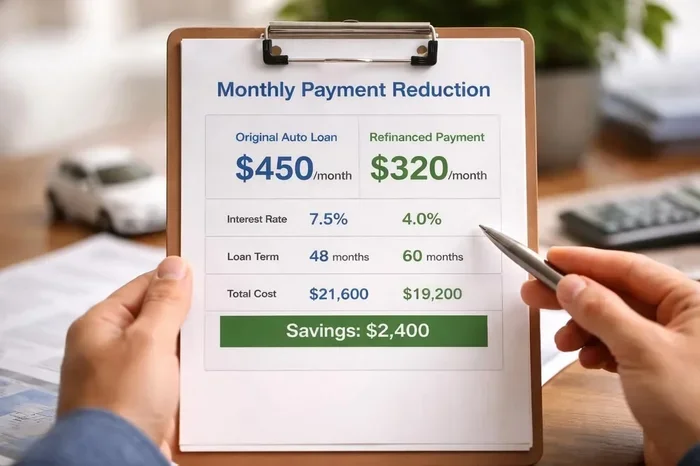
The secured nature of the loan also works in your favor. Because the lender has a claim on the vehicle, they may offer lower interest rates than unsecured loans. This is one of the main benefits of refinancing an auto loan. You can often reduce your interest rate by several percentage points, which adds up to significant savings over the life of the loan.
Steps to Refinance Your Car Loan Quickly
If you want to refinance as soon as possible, follow these practical steps. Preparation is the key to a fast and smooth process.
Gather Essential Documents
Before you apply, collect all necessary paperwork. Most lenders require the following:
- Current loan statement showing your balance and payment history
- Proof of income, such as recent pay stubs or tax returns
- Vehicle title and registration
- Proof of insurance
- Personal identification, such as a driver’s license
Having these documents ready prevents delays. Some lenders offer online applications, which can speed up the process even further. Submit complete applications to avoid back-and-forth requests for missing information.
Compare Refinance Offers
Do not accept the first offer you receive. Shop around and compare rates from at least three lenders. Online lenders, credit unions, and banks all compete for auto refinance business. Use a prequalification tool to see your estimated rate without affecting your credit score.
Pay attention to more than just the interest rate. Look at the loan term, any fees, and the total cost of the loan. A shorter term may have a higher monthly payment but save you money in interest over time. A longer term reduces the monthly payment but may cost more overall. Choose the option that fits your budget and goals.
Submit Your Application
Once you have chosen a lender, submit your full application. The lender will verify your information and appraise the vehicle. Most refinance approvals take between one and three business days. If approved, you will sign the new loan agreement. The new lender then pays off your original loan, and you begin making payments on the new terms.
Common Mistakes to Avoid When Refinancing Too Early
Refinancing can save you money, but doing it too soon or without preparation can backfire. Avoid these common pitfalls.
Ignoring Early Payoff Penalties
Some original loans include a prepayment penalty. This fee applies if you pay off the loan early, including through refinancing. Before you apply for a refinance, check your original loan contract for any such penalties. If a penalty exists, calculate whether the savings from refinancing outweigh the cost. In some cases, waiting until the penalty period ends makes more sense.
Falling into Negative Equity
Negative equity means you owe more than the car is worth. Refinancing a negative equity loan is difficult and expensive. Lenders may roll the negative balance into the new loan, increasing your total debt. This puts you deeper underwater and can lead to a cycle of debt. Focus on building equity first by making extra payments or waiting for the car to depreciate less rapidly.
Overlooking Fees and Costs
Refinancing is not always free. Some lenders charge origination fees, title transfer fees, or early payoff fees. These costs can eat into your savings. Always ask for a complete breakdown of fees before signing. Compare the total cost of refinancing versus staying with your current loan to ensure it is a true win.
Expert Insights on Car Loan Refinancing Timing
Industry experts agree that the best time to refinance is when your financial situation has improved since you took out the original loan. This could mean a higher credit score, a lower interest rate environment, or a raise at work. Timing your refinance to coincide with these improvements maximizes your savings.
Another expert tip is to monitor your credit report for errors before applying. A single incorrect late payment can lower your score and cost you a better rate. Dispute any inaccuracies at least 30 days before you plan to apply. This gives the credit bureaus time to investigate and correct the issue.
Finally, consider the total cost of ownership. If you are planning to sell the car soon, refinancing may not be worth the effort. But if you plan to keep the vehicle for several more years, even a small reduction in interest can save hundreds or thousands of dollars. Use an online auto refinance calculator to estimate your potential savings before you commit.
Conclusion
How soon can you refinance a car loan after purchase? The answer is typically 30 to 90 days, but your individual timeline depends on your credit score, loan-to-value ratio, and lender policies. By waiting the required period, building equity, and preparing your documents, you can refinance quickly and start saving money. Avoid common mistakes like ignoring early payoff penalties and falling into negative equity. With the right preparation, refinancing your car loan can be a smart financial move that lowers your monthly payment and reduces your total interest cost.
Frequently Asked Questions
Can I refinance my car loan after 30 days?
Some lenders allow refinancing after 30 days, but most prefer a 60- to 90-day payment history. Your credit score and income stability play a big role in early approval. Check with your lender to see if they have a specific minimum waiting period.
Does refinancing a car loan hurt your credit?
A single refinance inquiry may cause a small, temporary dip in your credit score. However, making on-time payments on the new loan can improve your score over time. The impact is usually minimal compared to the long-term savings from a lower interest rate.
What is the best credit score to refinance a car loan?
A credit score of 660 or higher is generally considered good for refinancing. Scores above 700 qualify for the best rates. Even if your score is lower, some lenders specialize in refinancing for borrowers with fair or poor credit.
Can I refinance a car loan with negative equity?
Refinancing with negative equity is difficult but not impossible. Some lenders offer programs that roll the negative balance into the new loan, but this increases your total debt. It is usually better to wait until you have positive equity before refinancing.
Are there fees for refinancing a car loan?
Yes, some lenders charge origination fees, title transfer fees, or early payoff penalties. Always ask for a full fee breakdown before signing. Compare the total cost of refinancing versus your current loan to ensure it is financially beneficial.
How long does the car loan refinancing process take?
Most refinance applications are approved within one to three business days. The entire process, from application to payoff of the original loan, can take about a week. Having all documents ready can speed things up significantly.