Why Dodge Journey Wont Start with Hard Brake Pedal
A Dodge Journey wont start with hard brake pedal is a frustrating problem that many owners face. The most common causes include a faulty brake light switch, a failing brake booster, or issues with the push button start system. In this guide, we walk you through every possible reason and show you how to fix it yourself or when to call a pro. Understanding the root cause saves you time, money, and a lot of stress on the road.
There is nothing worse than stepping into your Dodge Journey, pressing the brake pedal, and feeling it refuse to move. Then you push the start button and nothing happens. Your Dodge Journey wont start with hard brake pedal, and you are stuck wondering what went wrong. This problem is more common than you might think, especially among older Journey models and those with higher mileage. The good news is that most causes are easy to diagnose and fix. In this article, we break down every reason this happens and give you clear steps to get back on the road.
Whether you are a seasoned car owner or someone who just wants to understand what is going on under the hood, this guide has you covered. We will look at the brake system, the ignition system, and everything in between. You will learn how these two systems work together, why they sometimes fail, and what you can do about it. Let us dive right in.
Key Takeaways
- Brake Booster Failure: A vacuum leak or worn brake booster is the top reason your brake pedal feels hard and your Dodge Journey wont start.
- Brake Light Switch Issues: A bad brake light switch can block the ignition signal and make the pedal feel stiff.
- Push Button Start Problems: Faulty key fob batteries or an anti-theft lockout can prevent starting with a hard brake pedal.
- Electrical and Sensor Faults: ABS module errors, blown fuses, and weak batteries all contribute to this starting problem.
- DIY Fixes Work: Many causes are simple to check at home with basic tools and a little patience.
- Know When to Call a Pro: Internal brake system failures need professional diagnosis and repair for safety.
- Prevention Saves Money: Regular brake maintenance and key fob care can help you avoid this issue altogether.
📑 Table of Contents
- Common Reasons Your Dodge Journey Wont Start with Hard Brake Pedal
- How the Brake System and Ignition System Work Together
- Step-by-Step Troubleshooting When Brake Pedal Is Hard and Car Wont Start
- Brake Booster and Vacuum System Failures
- Electrical and Sensor Issues That Cause Starting and Brake Problems
- Common Mistakes to Avoid When Diagnosing This Problem
- When to See a Professional Mechanic
- Prevention Tips to Avoid Future Starting and Brake Problems
- Quick Tips for Immediate Relief
- Conclusion
Common Reasons Your Dodge Journey Wont Start with Hard Brake Pedal
When your Dodge Journey wont start with hard brake pedal, the root cause usually falls into one of a few categories. Understanding these categories helps you narrow down the problem fast. Below are the most common reasons drivers run into this issue.
1. Brake Booster Vacuum Leak
The brake booster uses vacuum pressure to give you that easy, smooth brake feel. When the engine is off, the booster stores a bit of vacuum. When you press the pedal, it uses that stored pressure to multiply your foot force. If the booster diaphragm gets a hole or the vacuum hose cracks, you lose that assistance. The result is a brake pedal that feels rock hard. At the same time, the engine might not get the vacuum signal it needs to start properly.
This is the number one cause of a hard brake pedal combined with a no-start condition. The good news is that checking the brake booster is straightforward. You can listen for a hissing sound near the booster when you press the pedal. If you hear air leaking, the booster likely needs replacement.
2. Faulty Brake Light Switch
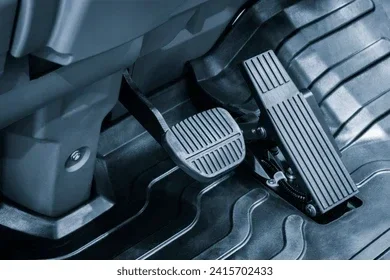
The brake light switch is a small but important part. It does two jobs. First, it turns on your brake lights when you press the pedal. Second, it sends a signal to the ignition system that tells the car you are pressing the brake. Without that signal, the push button start will not engage.
When the brake light switch goes bad, the pedal can feel stiff because the switch is stuck in the wrong position. The car also will not recognize that you are pressing the brake, so it blocks the start command. Replacing the switch is usually cheap and easy. Most drivers can do it in under 30 minutes.
3. Dead or Weak Key Fob Battery
If your Dodge Journey has a push button start, the key fob plays a big role. The car needs to detect the fob inside the cabin before it will start. When the fob battery dies, the car might not recognize it. Some models will still let you start the car by pressing the fob against the start button, but others will completely refuse.
A weak fob battery can also cause the brake pedal to feel different. This happens because the car’s electrical system is not fully powered when it cannot communicate with the fob. Swapping out the fob battery is one of the easiest fixes you can do. A CR2032 battery costs just a few dollars and takes seconds to replace.
4. Anti-Theft System Lockout
The Dodge Journey comes with an engine immobilizer system. This system prevents the car from starting unless it recognizes the correct key or fob. Sometimes, the system gets confused and locks out the engine. When this happens, you might notice the dashboard warning lights flashing and the brake pedal feeling unusually hard.
The anti-theft lockout can happen after a battery replacement, a fuse change, or even after a recent service. The system needs to relearn the key. In most cases, cycling the key or fob a few times resets the system. If that does not work, a trip to the dealer might be needed to reprogram the immobilizer.
5. Low Brake Fluid or Air in the Lines
Brake fluid is the lifeblood of your braking system. It creates the hydraulic pressure that makes your brakes work. When the fluid level drops too low, or when air gets into the lines, the pedal feels hard and unresponsive. In some cases, low brake fluid can also trigger sensor warnings that prevent the car from starting.
Check your brake fluid reservoir under the hood. If the fluid is dark or below the minimum line, you need to top it off. However, low fluid often means your brake pads are worn or there is a leak somewhere in the system. Those issues need professional attention right away.
6. ABS Module or Sensor Failure
The ABS module controls your anti-lock braking system. It also communicates with the car’s main computer. When the ABS module fails or a sensor stops working, it can cause a cascade of problems. The brake pedal might feel hard, the dashboard lights might flash, and the car might refuse to start.
ABS issues are trickier than the other causes on this list. A mechanic needs to run a diagnostic scan to read the error codes. Once the codes are identified, the fix can range from a simple sensor replacement to a full module reprogramming.
How the Brake System and Ignition System Work Together
To understand why your Dodge Journey wont start with hard brake pedal, it helps to know how the brake and ignition systems are connected. These two systems are not as separate as they seem. They share sensors, signals, and safety interlocks that work together.
When you press the brake pedal, you activate the brake light switch. That switch sends a signal to the car’s computer. The computer then checks a few things. It confirms the gear is in Park or Neutral. It checks that the key fob is present. It also verifies that the engine immobilizer is satisfied. Only after all these checks pass does the computer allow the engine to crank.
If any part of this chain breaks, the car will not start. And in many cases, the brake pedal will feel different because the signal is not being sent correctly. This is why a hard brake pedal and a no-start condition often happen together. They share the same root cause in the signal chain.
The vacuum system adds another layer of connection. The engine creates vacuum that powers the brake booster. When the engine is not running, that vacuum is not being generated. This is why you often feel the pedal get harder after turning the engine off. But if the pedal is hard even right after you press it with the engine running, something is wrong with the booster or the vacuum lines.
Step-by-Step Troubleshooting When Brake Pedal Is Hard and Car Wont Start
Now that you know the common causes, let us walk through how to troubleshoot the problem step by step. You do not need to be a mechanic to do most of these checks. A basic toolkit and a little patience will take you far.
Step 1: Check the Brake Light Switch
Start by locating the brake light switch. It is usually mounted near the top of the brake pedal arm. Unplug the connector and use a multimeter to test for continuity. If there is no continuity when the pedal is pressed, the switch is bad. Replace it with a new one. This is one of the cheapest and easiest fixes you can do.
Step 2: Test the Brake Booster
Turn the engine off and press the brake pedal several times. Hold the pedal down and start the engine. The pedal should drop slightly as the booster fills with vacuum. If it does not move at all, the booster is not holding vacuum. You likely have a booster failure or a vacuum hose leak.
Step 3: Check the Key Fob Battery
Replace the battery in your key fob. Use a CR2032 battery for most Dodge models. After replacing it, hold the fob close to the start button and try starting the car. If it starts, the fob battery was the problem.
Step 4: Look for Dashboard Warning Lights
Turn the ignition to the ON position without starting the engine. Watch the dashboard lights. If you see the ABS light, the brake warning light, or the security light flashing, those are clues. Write down which lights are on and share that information with your mechanic.
Step 5: Check Brake Fluid Level
Open the hood and locate the brake fluid reservoir. The fluid should be between the minimum and maximum lines. If it is low, top it off with the correct DOT fluid for your Journey model. Do not ignore a low fluid level because it often signals a bigger problem.
Step 6: Run a Diagnostic Scan
If none of the above steps solve the problem, it is time for a diagnostic scan. You can buy an OBD-II scanner for under $30 or take the car to any auto parts store. The scanner will read error codes from the car’s computer and point you toward the real issue.
Brake Booster and Vacuum System Failures
The brake booster is one of the most important safety components in your Dodge Journey. It uses engine vacuum to multiply the force you apply to the brake pedal. Without it, you would need enormous foot strength to stop the car, especially at highway speeds.
Brake boosters fail over time. The internal diaphragm can crack or rupture. The vacuum check valve can get stuck. The vacuum hose can become brittle and crack. Any of these problems will cause the pedal to feel hard and can interfere with the starting process.
Here are some signs that your brake booster is failing:
- The brake pedal feels very hard, especially right after the engine is turned off
- You need to press the pedal much harder than usual to stop the car
- There is a hissing sound coming from under the dashboard when you press the brake
- The pedal stays hard even when the engine is running
- The car takes longer to stop than it used to
If you notice any of these signs, do not ignore them. A failing brake booster is a serious safety issue. Get it checked and replaced as soon as possible. The cost of a new brake booster ranges from $200 to $600 depending on your model year and whether you go with OEM or aftermarket parts.
Replacing the booster is a job that a skilled DIYer can handle. It involves removing the master cylinder, disconnecting the vacuum hose, and unbolting the booster from the firewall. If you are not comfortable doing it yourself, a mechanic can do the job in about an hour.
Electrical and Sensor Issues That Cause Starting and Brake Problems
Modern Dodge Journeys are packed with sensors and electronic components. When one of these parts fails, it can cause a chain reaction of problems. The brake pedal and the starting system are more connected than most people realize.
The Role of the Brake Sensor
The brake sensor tells the car’s computer that you are pressing the brake. This signal is required for the push button start to work. If the sensor is dirty, misaligned, or broken, the computer will not get the signal. The car will not start, and the pedal feel might change because the system is not functioning as designed.
Blown Fuses and Relays
A blown fuse can block the signal between the brake light switch and the ignition system. Check your fuse box for any blown fuses related to the brake lights or the ignition system. The owner’s manual will show you exactly which fuses to check. Replacing a fuse is quick and costs almost nothing.
ABS Module Communication Errors
The ABS module communicates with the car’s main computer through a data network. When this communication breaks down, it can trigger starting problems and brake pedal issues. A diagnostic scan will reveal communication error codes. In some cases, resetting the module by disconnecting the battery for 15 minutes can fix the issue.
Power Brake Assist Failure
The power brake assist system relies on the engine’s vacuum supply. When the engine is not running or when there is a vacuum leak, the power assist fails. This makes the brake pedal extremely hard to press. It also means the car might not start because the computer detects that the brake system is not functioning normally.
Common Mistakes to Avoid When Diagnosing This Problem
When your Dodge Journey wont start with hard brake pedal, it is easy to jump to conclusions. Here are some common mistakes that drivers make during diagnosis. Avoiding these will save you time and prevent unnecessary repairs.
- Assuming the battery is dead: A dead battery can cause a no-start condition, but it will not make the brake pedal hard. If both problems exist together, look for a shared cause.
- Ignoring the brake light switch: This small and cheap part is the most common cause of a hard brake pedal combined with a no-start issue. Check it first.
- Skipping the diagnostic scan: Modern cars store error codes for a reason. Skipping the scan means you might miss the real problem and waste money on unnecessary parts.
- Driving with a hard brake pedal: This is dangerous. If your brake pedal is hard, do not drive the car until the problem is fixed. Your stopping distance will be much longer.
- Topping off brake fluid without finding the leak: Low brake fluid usually means there is a leak somewhere. Just adding fluid without finding the leak is a temporary fix at best.
- Replacing parts without testing first: Do not replace the brake booster, the switch, or the fob without testing them first. You might end up paying for parts you do not need.
When to See a Professional Mechanic
Some problems are safe to diagnose and fix at home. Others need the expertise and equipment of a professional. Here is a quick guide to help you decide.
You should call a mechanic if:
- The brake pedal stays hard even after you have checked the switch and the booster
- You smell brake fluid or notice a leak under the car
- The dashboard shows multiple warning lights at the same time
- The car starts sometimes but not consistently
- You hear grinding or clicking noises when you press the brake
- The ABS light stays on after you have cleared the codes
Brake system problems are safety-critical. If you are not confident in your diagnosis, it is always better to get a professional opinion. A qualified mechanic can run a full brake system inspection and check the starting system at the same time. This gives you peace of mind and ensures the repair is done right.
The average cost of professional diagnosis ranges from $80 to $150 per hour. Most shops will diagnose the problem in under an hour. If the fix is simple, like replacing a brake light switch, the total cost will be very low. If it is a brake booster replacement, expect to pay between $300 and $700 including parts and labor.
Prevention Tips to Avoid Future Starting and Brake Problems
The best way to deal with a Dodge Journey wont start with hard brake pedal problem is to prevent it from happening in the first place. Here are some simple maintenance tips that can help.
- Replace your key fob battery every two years. This prevents sudden battery death and keeps the push button start system working smoothly.
- Check your brake fluid level monthly. A quick glance at the reservoir can catch low fluid before it causes bigger problems.
- Listen for unusual sounds. A hissing noise from the brake area or a clicking sound when you press the pedal are early warning signs.
- Keep up with regular brake inspections. Have your brake system checked at every oil change. This includes the booster, the lines, and the fluid.
- Do not ignore dashboard warning lights. If a light comes on, get it checked promptly. Early detection prevents expensive repairs.
- Avoid letting the battery die completely. A dead battery can confuse the car’s computer and trigger the anti-theft system. Keep your battery in good condition.
Quick Tips for Immediate Relief
If you are dealing with a hard brake pedal and your Dodge Journey wont start right now, try these quick tips before you call for help:
- Try starting the car with the fob pressed against the start button. This bypasses the fob battery issue in most models.
- Cycle the ignition key or fob to the ON position three times, then try starting. This can reset the anti-theft system.
- Press the brake pedal hard and hold it while pressing the start button. Some models require firm pressure to register the brake signal.
- Check that the gear shifter is fully in Park. A slightly loose shifter might not register as Park, which blocks the start command.
- Turn the steering wheel back and forth while pressing the start button. This can release a steering wheel lock that might be interfering with the ignition.
These tips are not permanent fixes, but they can get you going in an emergency. Once the car is running, drive it to a mechanic or auto parts store for a proper diagnosis.
Conclusion
A Dodge Journey wont start with hard brake pedal is a problem that can have several different causes. From a simple brake light switch to a complex ABS module failure, the issue can range from easy to fix to something that needs professional help. The key is to work through the possibilities systematically and not skip any steps.
Start with the simplest and cheapest fixes. Check the brake light switch, test the key fob battery, and inspect the brake fluid level. If those do not solve the problem, move on to the brake booster and the electrical system. And when in doubt, trust a professional mechanic to get to the bottom of it.
Your safety depends on a properly functioning brake system. Do not ignore a hard brake pedal or a starting problem. Address the issue quickly and correctly, and your Dodge Journey will be back to normal in no time. Keep this guide handy for future reference, and share it with fellow Journey owners who might be dealing with the same frustrating problem.
Frequently Asked Questions
Why is my brake pedal hard and the Dodge Journey wont start?
The most common reason is a faulty brake light switch or a failing brake booster. The brake light switch sends a signal to the ignition system that tells the car you are pressing the brake. When it fails, the car will not start and the pedal can feel stiff. A brake booster that has lost vacuum will also make the pedal hard and can interfere with the starting process.
Can a dead key fob battery cause a hard brake pedal on a Dodge Journey?
A dead key fob battery will not directly make the brake pedal hard. However, when the car cannot detect the fob, the push button start system will not engage. This can cause the car to feel unresponsive. In some cases, the electrical system behaves differently when the fob is not recognized, which can change how the pedal feels.
How much does it cost to fix a brake booster on a Dodge Journey?
The cost to replace a brake booster on a Dodge Journey typically ranges from $200 to $600 for parts alone. Labor costs add another $100 to $200 depending on your location and the mechanic’s rates. The total repair cost usually falls between $300 and $700. Getting quotes from multiple shops is always a smart move.
Is it safe to drive a Dodge Journey with a hard brake pedal?
No, it is not safe. A hard brake pedal means your power brake assist is not working properly. You will need much more foot pressure to stop the car, which increases your stopping distance significantly. This is especially dangerous in emergency situations or at highway speeds. Have the car towed to a repair shop if the pedal remains hard.
What should I do if my Dodge Journey starts but the brake pedal is still hard?
If the car starts but the brake pedal stays hard, the brake booster is likely the problem. Check the vacuum hose connected to the booster for cracks or leaks. If the hose looks good, the booster diaphragm may be damaged. Have the car inspected by a mechanic as soon as possible because driving with a failed brake booster is unsafe.
How can I prevent my Dodge Journey from having a hard brake pedal and starting problem in the future?
Regular maintenance is the best prevention. Replace your key fob battery every two years, check brake fluid monthly, and have the brake system inspected at every oil change. Listen for unusual hissing sounds near the dashboard and never ignore dashboard warning lights. These simple habits will keep your Dodge Journey running smoothly and safely for years to come.