Do Teslas Need Oil Changes Everything You Should Know
Do Teslas need oil changes? The short answer is no. Because Teslas run on electric motors instead of combustion engines, they don’t have the moving parts that require traditional engine oil. This is one of the biggest advantages of owning an electric vehicle. In this guide, we will cover everything Tesla owners need to know about maintenance, fluids, and long-term care. You will learn what fluids Teslas actually use, what maintenance tasks are required, and how much money you can save over time.
Do Teslas need oil changes? If you are considering buying a Tesla or you already own one, this question probably crosses your mind. The answer might surprise you. Teslas do not need oil changes, and that is one of the most exciting benefits of owning an electric vehicle. In this article, we will walk you through everything you need to know about Tesla maintenance. We will explain why electric cars skip oil changes, what fluids they actually use, and how the Tesla maintenance schedule works. You will also learn about real cost savings and common myths that trip up new EV owners.
Electric vehicles like the Tesla Model S, Tesla Model 3, Tesla Model X, and Tesla Model Y have completely changed how we think about car care. The traditional routine of visiting a shop every few months for an oil change is a thing of the past. Instead, Tesla maintenance is simpler, faster, and far less expensive. Whether you are a current Tesla owner or just curious about the electric vehicle lifestyle, this guide covers it all.
Key Takeaways
- No Oil Changes Needed: Teslas use electric motors that do not require engine oil or traditional oil change services.
- Reduced Maintenance Costs: Without a combustion engine, Tesla owners save hundreds of dollars on routine maintenance each year.
- Tesla Still Needs Some Fluids: Teslas use brake fluid, coolant, and windshield washer fluid, but these are checked far less often than oil.
- Regenerative Braking Reduces Wear: Tesla’s regenerative braking system extends brake pad life significantly compared to gas cars.
- Annual Service Is Minimal: Most Tesla maintenance involves simple inspections, tire rotations, and cabin air filter replacements.
- Long-Term Savings Are Significant: Over the life of the vehicle, Tesla maintenance costs are dramatically lower than traditional vehicles.
📑 Table of Contents
- Why Teslas Do Not Need Oil Changes
- What Fluids Do Teslas Actually Use?
- Tesla Maintenance Schedule: What You Actually Need to Do
- Common Myths About Tesla Maintenance
- Cost Savings: How Owning a Tesla Saves You Money
- Overlanding and Long-Distance Driving With a Tesla
- How Tesla Maintenance Compares to Gas Cars
- Expert Tips for Tesla Owners
- Key Takeaways
- Final Thoughts: Do Teslas Need Oil Changes?
Why Teslas Do Not Need Oil Changes
The Electric Motor Difference
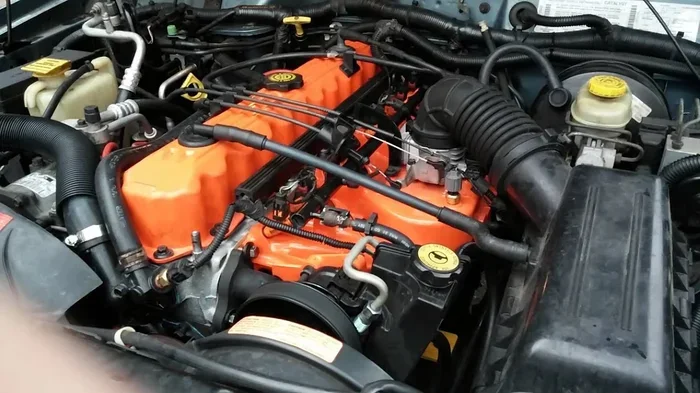
To understand why Teslas do not need oil changes, you need to understand how an electric motor works. A traditional gas car has an internal combustion engine with hundreds of moving metal parts. These parts rub against each other at high speeds. That friction creates heat and wear. Engine oil lubricates those parts, reduces heat, and keeps the engine running smoothly. Over time, that oil breaks down and becomes contaminated. That is why gas cars need regular oil changes.
An electric motor has far fewer moving parts. In fact, the Tesla electric motor contains just a handful of components. There are no pistons, no valves, no camshafts, and no complex gear systems that require heavy lubrication. The electric motor uses a simple gear reduction unit, sometimes called a single-speed transmission, to transfer power to the wheels. This gear reduction system uses a small amount of oil, but it is sealed and does not need regular replacement.
So when you ask, do Teslas need oil changes, the answer is a clear no. The electric drivetrain simply does not create the same conditions that make oil changes necessary in a combustion engine. This is a huge win for Tesla owners who want to spend less time and money on car maintenance.
What the Tesla Drivetrain Looks Like
The Tesla drivetrain is beautifully simple compared to a traditional powertrain. Here is a quick look at what is inside an electric vehicle drivetrain:
- Electric motor: Converts electrical energy from the battery into mechanical motion.
- Gear reduction unit: A single-speed gearbox that transfers power to the wheels.
- Power electronics module: Controls the flow of electricity from the battery to the motor.
- Battery pack: Stores the electrical energy that powers the car.
Notice what is missing. There is no engine block, no oil pan, no oil filter, and no complex lubrication system. This simplicity is exactly why Tesla maintenance is so much easier and cheaper than maintaining a gas-powered car.
What Fluids Do Teslas Actually Use?
Even though Teslas do not need engine oil, they are not completely fluid-free. There are a few important fluids that Tesla vehicles use. Let us break down each one so you know exactly what your Tesla needs.
Brake Fluid
Teslas use brake fluid, just like any other car. Brake fluid is a hydraulic fluid that transfers force from the brake pedal to the brake calipers. Tesla recommends checking the brake fluid every two years. In most cases, the brake fluid does not need to be replaced unless there is moisture contamination or the fluid has degraded. Tesla’s regenerative braking system helps reduce wear on the brake pads and rotors, which means you will replace brake components far less often than in a gas car.
Coolant
Teslas use a liquid coolant system to manage battery temperature. The battery pack generates heat during fast charging and during intense driving. The coolant system keeps the battery at the optimal temperature range, which protects battery health and extends battery life. Tesla uses a special coolant fluid that is different from the coolant used in traditional gas cars. You should have the coolant system checked during your annual Tesla service appointment.
Windshield Washer Fluid
This one is pretty straightforward. Teslas use windshield washer fluid, just like any other car. You will need to refill it periodically, especially if you drive in rainy or snowy conditions. This is one of the simplest maintenance tasks for any Tesla owner.
Transmission Fluid
Here is something interesting. Teslas have a gear reduction unit, not a traditional multi-speed transmission. Tesla uses a single-speed gearbox that is sealed for life. The internal fluid in the gear reduction unit does not need to be replaced under normal driving conditions. Tesla does not include a transmission fluid change in the maintenance schedule. This is another reason why Tesla maintenance is so minimal compared to gas vehicles.
Air Conditioning Refrigerant
Teslas have an air conditioning system that uses refrigerant to cool the cabin. The AC compressor in a Tesla is electrically powered, unlike the belt-driven compressor in a gas car. If the AC system loses refrigerant, it will need to be recharged. This is not a routine maintenance task, but it is something to be aware of over the life of the vehicle.
Tesla Maintenance Schedule: What You Actually Need to Do
Now that you know Teslas do not need oil changes, let us talk about what maintenance Tesla owners actually need to perform. The Tesla maintenance schedule is much simpler than what gas car owners are used to. Here is a breakdown of the recommended maintenance tasks.
Annual Service Inspection
Tesla recommends an annual service inspection for all Model S, Model 3, Model X, and Model Y vehicles. During this inspection, a Tesla technician will check the following:
- Tire condition and tire pressure
- Brake components and brake fluid
- Coolant system and battery health
- Wiper blades and windshield condition
- Cabin air filter
- Exterior lights and charging port
- Suspension components and wheel alignment
Most of these checks are visual inspections. There are no oil changes, no spark plug replacements, and no timing belt inspections. The annual service is quick and affordable compared to a traditional gas car service.
Cabin Air Filter Replacement
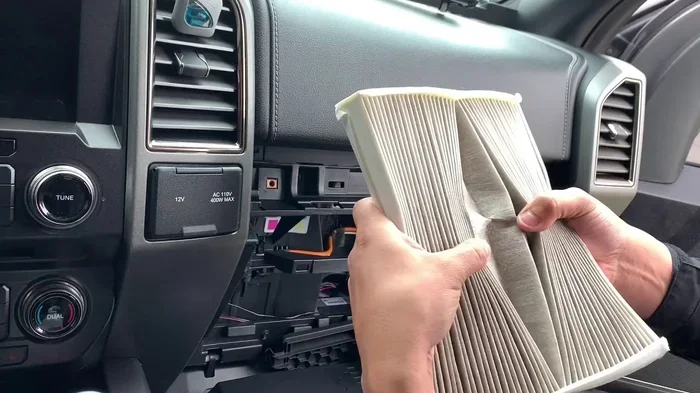
The cabin air filter keeps the air inside your Tesla clean and free of dust, pollen, and allergens. Tesla recommends replacing the cabin air filter every two years. This is a simple task that you can do yourself or have a Tesla service center handle. Some Tesla owners upgrade to a HEPA cabin air filter, which provides even better air filtration inside the cabin.
Tire Rotation and Alignment
Tire maintenance is important for any car, and Teslas are no exception. Tesla recommends rotating the tires every 6,250 miles or whenever tread depth varies by 2/32 of an inch. Because Teslas are heavy vehicles with instant torque, tires can wear faster than you might expect. Regular tire rotation helps ensure even wear and extends tire life. Wheel alignment should be checked if you notice the car pulling to one side or if you hit a pothole or curb.
Brake Fluid Replacement
Tesla recommends testing the brake fluid for moisture content every two years. If the moisture level exceeds the acceptable threshold, the brake fluid should be replaced. In most climates, brake fluid lasts longer than two years, but it is a good practice to have it tested regularly. This is a simple and inexpensive maintenance task.
Battery and Drive Unit Maintenance
The Tesla battery and drive unit are designed to last the lifetime of the vehicle. Tesla does not recommend any routine maintenance for the battery or drive unit under normal driving conditions. The battery thermal management system handles cooling and heating automatically. Tesla also provides an 8-year or 120,000-mile battery warranty on most models, giving owners peace of mind.
Common Myths About Tesla Maintenance
There are a lot of misconceptions about Tesla maintenance floating around online. Let us clear up some of the most common ones.
Myth 1: Teslas Need Special Oil for the Motor
This is not true. The Tesla electric motor does not use oil in the way a gas engine does. There is no oil reservoir, no oil filter, and no oil change interval. Some people confuse the gear reduction fluid with engine oil, but they are completely different systems.
Myth 2: Electric Vehicles Require More Maintenance Than Gas Cars
The opposite is actually true. Electric vehicles have fewer moving parts, which means fewer things can break or wear out. Studies show that EV maintenance costs are significantly lower than gas car maintenance costs over the life of the vehicle. Tesla owners report spending a fraction of what gas car owners spend on routine maintenance.
Myth 3: You Still Need to Visit a Mechanic Every Few Months
With a Tesla, you do not need to visit a mechanic every few months. Most Tesla maintenance is handled through the Tesla mobile app or at a Tesla service center during your annual inspection. Many Tesla owners go years without needing any service beyond tire rotations and cabin air filter replacements.
Myth 4: Tesla Maintenance Is Expensive
While Tesla service center visits can sometimes be pricier than independent shops, the overall maintenance cost is still much lower than a gas car. There are no oil changes, no transmission services, no spark plug replacements, and no timing belt replacements. Over a 5-year period, Tesla owners save thousands of dollars on maintenance compared to gas vehicle owners.
Cost Savings: How Owning a Tesla Saves You Money
One of the biggest advantages of owning a Tesla is the lower cost of ownership. Let us look at some real numbers to put this into perspective.
For a traditional gas car, the average annual maintenance cost ranges from $500 to $1,000 depending on the vehicle. This includes oil changes, tire rotations, brake services, fluid flushes, and various inspections. Over five years, that adds up to $2,500 to $5,000 in maintenance costs.
For a Tesla, the annual maintenance cost is typically between $100 and $300. This is mostly for tire rotations, cabin air filters, brake fluid testing, and annual inspections. Over five years, Tesla maintenance costs come in at roughly $500 to $1,500. That is a potential savings of $2,000 to $3,500 over the life of the vehicle.
And remember, these numbers do not include the cost of fuel or charging. Charging a Tesla at home is significantly cheaper than filling up a gas tank. When you combine lower maintenance costs with lower energy costs, the total cost of ownership for a Tesla is much lower than for a comparable gas car.
Of course, the upfront cost of a Tesla is higher than most gas cars. But when you factor in the savings on maintenance and fuel over time, the total cost of ownership becomes much more competitive. Many Tesla owners find that the break-even point happens within 3 to 5 years of ownership.
Overlanding and Long-Distance Driving With a Tesla
Some potential Tesla owners worry about maintenance during long road trips or overlanding adventures. The good news is that Tesla maintenance needs do not increase significantly during heavy use. The electric drivetrain is inherently durable and reliable. The main things to keep in mind during long trips are:
- Keep the battery charged between 20% and 80% for daily driving to preserve battery health.
- Use Superchargers for fast charging on long trips, but avoid frequent 100% charges.
- Check tire pressure before long trips, as proper pressure improves range and safety.
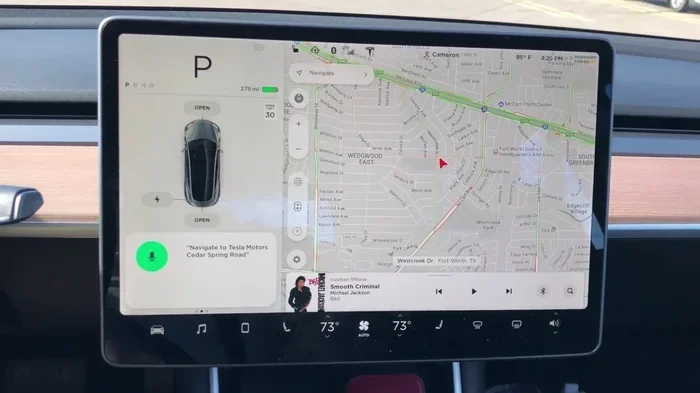
- Plan charging stops in advance using the Tesla navigation system.
Overlanding with a Tesla is becoming increasingly popular. The low maintenance requirements make long-distance travel more convenient and affordable. You do not need to stop at gas stations every few hours, and you do not need to worry about oil changes during your trip. Just keep the tires inflated, check the coolant level, and enjoy the ride.
How Tesla Maintenance Compares to Gas Cars
Let us put the comparison in a clear, easy-to-read format. This table shows the key differences between Tesla maintenance and traditional gas car maintenance.
| Maintenance Task | Tesla (Electric) | Gas Car (Traditional) |
|---|---|---|
| Oil Changes | Not needed | Every 5,000 to 7,500 miles |
| Transmission Service | Not needed | Every 30,000 to 60,000 miles |
| Spark Plugs | Not needed | Every 30,000 to 100,000 miles |
| Timing Belt | Not needed | Every 60,000 to 100,000 miles |
| Brake Pad Replacement | Every 100,000+ miles | Every 25,000 to 70,000 miles |
| Annual Inspection | Required | Required (emissions check) |
| Coolant System | Battery coolant, minimal | Engine coolant, regular flush |
| Brake Fluid | Every 2 years | Every 2 years |
| Annual Maintenance Cost | $100 to $300 | $500 to $1,000 |
The comparison speaks for itself. Teslas require dramatically less maintenance than gas cars. This is one of the biggest selling points of electric vehicles, and it is a major reason why more drivers are making the switch every year.
Expert Tips for Tesla Owners
If you already own a Tesla or you are planning to buy one, here are some expert tips to keep your vehicle running smoothly for years to come.
- Use the Tesla mobile app to track maintenance reminders. The app will notify you when it is time for your annual service or when a fluid check is due.
- Keep your tires properly inflated. Underinflated tires reduce range and cause uneven wear. Check tire pressure at least once a month.
- Replace the cabin air filter on schedule. A clean cabin air filter keeps the air inside your Tesla fresh and helps the HVAC system work efficiently.
- Avoid frequent 100% charges. Charging to 100% every day can accelerate battery degradation over time. For daily driving, charge to 80% or 90%.
- Use regenerative braking to reduce brake wear. Tesla’s regenerative braking system captures energy when you slow down, which reduces the need to use the physical brakes.
- Keep your Tesla software up to date. Tesla frequently releases over-the-air updates that improve performance, efficiency, and even add new features.
Following these simple tips will help you get the most out of your Tesla while keeping maintenance costs as low as possible. The beauty of owning a Tesla is that the car basically takes care of itself.
Key Takeaways
- No Oil Changes Needed: Teslas use electric motors that do not require engine oil or traditional oil change services.
- Reduced Maintenance Costs: Without a combustion engine, Tesla owners save hundreds of dollars on routine maintenance each year.
- Tesla Still Needs Some Fluids: Teslas use brake fluid, coolant, and windshield washer fluid, but these are checked far less often than oil.
- Regenerative Braking Reduces Wear: Tesla’s regenerative braking system extends brake pad life significantly compared to gas cars.
- Annual Service Is Minimal: Most Tesla maintenance involves simple inspections, tire rotations, and cabin air filter replacements.
- Long-Term Savings Are Significant: Over the life of the vehicle, Tesla maintenance costs are dramatically lower than traditional vehicles.
Final Thoughts: Do Teslas Need Oil Changes?
The answer is clear and simple. Do Teslas need oil changes? No, they do not. Teslas are electric vehicles that use an electric motor instead of a combustion engine. This means no engine oil, no oil filter, no oil changes, and all the maintenance headaches that come with them. The Tesla drivetrain is simple, reliable, and built to last.
Tesla maintenance is one of the biggest advantages of owning an electric vehicle. You will spend less time at the service center, less money on routine maintenance, and more time enjoying the driving experience. The annual service is quick and affordable, and most maintenance tasks are simple inspections that you can even handle yourself.
If you are on the fence about buying a Tesla, the low maintenance requirements should be a big selling point. When you factor in the savings on oil changes, transmission services, spark plugs, and all the other routine maintenance tasks that gas cars require, the financial case for a Tesla becomes even stronger.
Owning a Tesla is not just about the driving experience, it is also about the lifestyle. Less time in the shop, less money spent on maintenance, and more time on the road. That is a win for any driver, whether you are a first-time EV buyer or a seasoned car enthusiast. So the next time someone asks you, do Teslas need oil changes, you can confidently say no and explain exactly why.
Frequently Asked Questions
How often does a Tesla need service?
Tesla recommends an annual service inspection for all models. Most Tesla owners only need to visit a service center once a year for a basic check-up. Some owners go even longer between service visits because the electric drivetrain requires so little maintenance.
What is the cost of a Tesla annual service?
The cost of a Tesla annual service varies depending on the model and what needs to be done. On average, Tesla owners spend between $100 and $300 per year on maintenance. This is significantly less than the $500 to $1,000 that gas car owners typically spend annually.
Do Teslas need any type of oil at all?
Teslas do not use engine oil. The gear reduction unit in the drivetrain contains a small amount of lubricant, but it is sealed for life and does not need to be replaced under normal driving conditions. There is no oil to check, no oil to change, and no oil filter to replace.
Can I do Tesla maintenance myself?
Some Tesla maintenance tasks are simple enough to do yourself, such as checking tire pressure, replacing the cabin air filter, and adding windshield washer fluid. However, most Tesla service tasks require specialized equipment and should be performed by a certified Tesla technician at a Tesla service center.
How long do Tesla brakes last?
Tesla brakes last significantly longer than brakes on gas cars, thanks to regenerative braking. Many Tesla owners report getting over 100,000 miles out of a set of brake pads. The regenerative braking system does most of the slowing down, which means the physical brake pads and rotors wear much more slowly.
Is Tesla maintenance covered by warranty?
Tesla provides a basic warranty of 4 years or 50,000 miles and a battery and drive unit warranty of 8 years or 120,000 miles (varies by model). Routine maintenance such as tire rotations and cabin air filter replacements are not covered by the warranty, but major drivetrain repairs are protected.