How Many Catalytic Converters Are in a Ford F-150 Truck
The Ford F-150 typically has two catalytic converters in its stock exhaust system, though some models and engine configurations may include more. The exact number depends on the engine type, model year, and exhaust setup. Understanding your truck’s catalytic converter count helps with maintenance, replacement costs, and avoiding emissions issues.
If you own a Ford F-150 or are thinking about buying one, you might wonder about the catalytic converter setup. This small but mighty part plays a huge role in keeping your truck running clean and legal on the road. So, how many catalytic converters are actually in a Ford F-150?
The answer is not always a simple number. It depends on several factors like the engine type, the model year, and the exhaust configuration. In this guide, we will walk you through everything you need to know. Whether you are a truck enthusiast, a DIY mechanic, or just someone who wants to understand their vehicle better, this article has you covered.
We will look at different engine options, explore why the number of converters matters, and discuss common issues like theft and replacement costs. By the end, you will have a clear picture of what is under your Ford F-150. Let us dive right in.
Key Takeaways
- Standard Setup: Most Ford F-150 trucks come with two catalytic converters from the factory.
- Engine Matters: The number of converters can vary depending on whether you have a V6, V8, or EcoBoost engine.
- Exhaust Configuration: Dual exhaust systems may add extra catalytic converters compared to single exhaust setups.
- Model Year Differences: Newer F-150 models often have more advanced emissions systems that include additional converters.
- Replacement Cost: Knowing how many converters your truck has helps estimate repair and replacement expenses.
- Theft Risk: Ford F-150s are common targets for catalytic converter theft due to their high precious metal content.
- Emissions Compliance: Removing or modifying converters can cause your truck to fail emissions testing.
📑 Table of Contents
- Understanding the Catalytic Converter in a Ford F-150
- How Many Catalytic Converters Are in a Ford F-150?
- Why the Number of Catalytic Converters Matters
- Common Catalytic Converter Problems in Ford F-150 Trucks
- Ford F-150 Catalytic Converter Replacement Cost
- How to Protect Your Ford F-150 Catalytic Converter
- Comparing Ford F-150 Models by Catalytic Converter Count
- Frequently Asked Questions
- Final Thoughts
Understanding the Catalytic Converter in a Ford F-150
The catalytic converter is part of your truck’s exhaust system. Its main job is to reduce harmful emissions before they leave the tailpipe. Inside the converter, chemical reactions convert toxic gases like carbon monoxide and nitrogen oxides into less harmful substances like carbon dioxide and nitrogen.
Without a working catalytic converter, your Ford F-150 would release much more pollution. It would also likely fail any emissions test required in your state. That is why keeping this component in good shape is so important.
How Does a Catalytic Converter Work?
Here is a simple way to think about it. Exhaust gases flow from the engine into the catalytic converter. Inside, a honeycomb structure coated with precious metals like platinum, palladium, and rhodium triggers chemical reactions. These reactions clean up the exhaust before it exits the tailpipe.
The process happens incredibly fast. Every time your engine fires, the converter is working to clean the exhaust. Over time, these converters can wear out or get clogged. That is when problems start to appear.
How Many Catalytic Converters Are in a Ford F-150?
Now for the big question. Most Ford F-150 trucks come with two catalytic converters from the factory. But the exact number can change based on a few key factors.
Single Exhaust vs. Dual Exhaust Systems
Older Ford F-150 models and base trim levels often use a single exhaust system. These trucks usually have two catalytic converters. The exhaust exits through one pipe at the back of the truck.
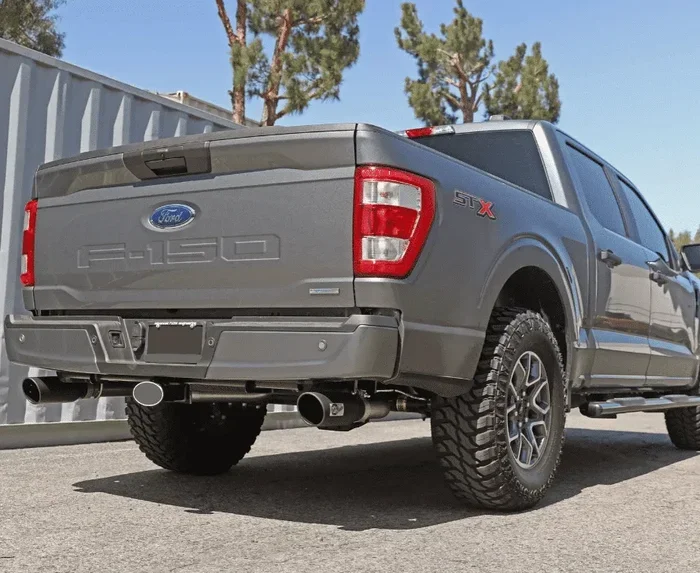
Newer models and higher trims, especially those with the dual exhaust setup, may have more. A dual exhaust system means two sets of pipes running underneath the truck. Each side can have its own catalytic converter. This brings the total count to three or even four in some cases.
Engine Type and Converter Count
The engine under the hood also matters. Here is a quick breakdown:
- 3.3L V6 Engine: Most standard F-150s with this engine have two catalytic converters.
- 5.0L V8 Engine: The traditional V8 setup typically includes two converters in a single exhaust system.
- 3.5L EcoBoost V6: The twin-turbo EcoBoost engine often comes with a more advanced exhaust system that may include three or four converters.
- Hybrid Models: Some newer hybrid F-150s, like the PowerBoost, may have additional converters to meet stricter emissions standards.
So when someone asks how many catalytic converters are in a Ford F-150, the honest answer is it depends on the specific truck. Always check your owner’s manual or consult a trusted mechanic for the exact count.
Why the Number of Catalytic Converters Matters
You might be thinking, does it really matter how many converters your truck has? The answer is absolutely yes. Here is why the number matters for your daily driving experience.
Emissions Compliance
Every state has different rules about vehicle emissions. If your Ford F-150 is missing a catalytic converter or has a faulty one, you could fail an emissions inspection. This is especially true in states like California, which have strict emissions control regulations.
Keeping all the factory converters in place ensures your truck stays compliant. If you plan to modify your exhaust system, make sure you understand the legal implications first.
Engine Performance
Catalytic converters create backpressure in the exhaust system. This backpressure is actually necessary for proper engine performance. Removing too many converters can cause your engine to run poorly.
You might notice a loss of power, reduced fuel economy, or rough idling. The oxygen sensor readings can also be thrown off, which affects how the engine manages fuel delivery.
Fuel Economy Considerations
A clogged or damaged catalytic converter can hurt your gas mileage. If the exhaust cannot flow properly, the engine works harder. This means you burn more fuel at the pump.
On the flip side, having the right number of working converters keeps the exhaust system flowing smoothly. Your Ford F-150 runs better and uses less fuel when everything is in good condition.
Common Catalytic Converter Problems in Ford F-150 Trucks
Ford F-150s are reliable trucks, but the catalytic converters are not immune to issues. Here are some of the most common problems owners face.
Catalytic Converter Theft
This is a huge issue right now. Ford F-150s are among the most targeted trucks for catalytic converter theft. The reason is simple, these converters contain precious metals that thieves can sell for good money at recycling centers.
The theft can happen in minutes. A thief slides under the truck, cuts out the converter, and drives away. The damage to your exhaust system can be extensive, and the replacement cost is steep.
Some ways to protect your truck include installing an anti-theft shield, parking in well-lit areas, and engraving your vehicle identification number on the converter.
Clogging and Overheating
Over time, carbon buildup can clog the catalytic converter. When this happens, exhaust gases cannot escape properly. The converter overheats, and you might notice a rotten egg smell coming from the exhaust.
A clogged converter is a serious problem. It can cause the check engine light to come on, reduce engine power, and even damage other parts of the Ford F-150 exhaust system if left unchecked.
Oxygen Sensor Failures
The oxygen sensors in your truck work closely with the catalytic converter. These sensors measure how much oxygen is in the exhaust. If a sensor fails, it can cause the converter to work harder than it should.
Using an OBD-II scanner can help you catch oxygen sensor problems early. Many auto parts stores will scan your truck for free. Catching these issues early can save you from a more expensive converter replacement down the road.
Ford F-150 Catalytic Converter Replacement Cost
One of the biggest concerns for F-150 owners is the cost of replacing a catalytic converter. And unfortunately, these parts are not cheap.
Average Replacement Costs
On average, replacing one catalytic converter on a Ford F-150 can cost between $1,000 and $2,500. This includes both the part and labor. If your truck has multiple converters that need replacement, the cost goes up accordingly.
Here are some factors that affect the price:
- Model Year: Newer trucks often have more expensive converters because of advanced technology.
- Engine Type: V8 and EcoBoost engines may have pricier converters than the base V6.
- OEM vs. Aftermarket: Original Ford parts cost more but tend to last longer. Aftermarket options are cheaper but may not meet the same quality standards.
- Labor Costs: Depending on where you live, labor rates can vary significantly.
Aftermarket vs. OEM Converters
When it is time to replace a converter, you have two main options. OEM (original equipment manufacturer) converters are made by the same company that supplied the part for the factory. They fit perfectly and meet all emissions standards.
Aftermarket converters are made by third-party companies. They are usually less expensive. However, some aftermarket options may not be as durable or may not pass emissions tests. Always check local regulations before choosing an aftermarket part.
How to Protect Your Ford F-150 Catalytic Converter
Given the rising number of thefts and the high replacement costs, protecting your converter is a smart move. Here are some practical steps you can take.
Install an Anti-Theft Device
There are several products designed specifically to protect catalytic converters. Steel shields that wrap around the converter make it much harder for thieves to cut it out. Some of these devices are welded in place, adding a layer of security.
You can also have your converter engraved with your vehicle identification number. Many recycling centers will check for this and refuse to buy a marked converter.
Parking Tips
Where you park matters more than you might think. Park in well-lit areas whenever possible. If you have a garage, use it. When parking on the street, try to park near walls or curbs that make it harder for someone to slide under your truck.
These simple habits can go a long way in keeping your Ford F-150 safe.
Regular Maintenance Checks
Keeping up with regular maintenance helps your catalytic converter last longer. Change your engine oil on schedule, use the recommended fuel, and address any engine misfires promptly. A misfiring engine sends unburned fuel into the exhaust, which can damage the converter over time.
Having your exhaust system inspected during routine service appointments is also a great idea. A mechanic can spot early warning signs before a small issue becomes a big expense.
Comparing Ford F-150 Models by Catalytic Converter Count
To make things clearer, here is a general comparison of how many converters different F-150 setups typically have.
| Engine Type | Exhaust Setup | Approximate Converter Count |
|---|---|---|
| 3.3L V6 | Single Exhaust | 2 |
| 5.0L V8 | Single Exhaust | 2 |
| 3.5L EcoBoost V6 | Dual Exhaust | 3-4 |
| 5.0L V8 (High Output) | Dual Exhaust | 4 |
| PowerBoost Hybrid | Dual Exhaust | 3-4 |
Keep in mind that these numbers are general estimates. Always verify the exact count for your specific truck year and trim. The Ford F-150 years and model changes can affect the exhaust system design significantly.
Frequently Asked Questions
Can I drive my Ford F-150 without a catalytic converter?
Technically, yes, you can drive short distances without a catalytic converter. However, it is not legal in most states and will likely cause your truck to fail an emissions test. You may also notice a loud exhaust noise and reduced fuel efficiency.
How do I know if my Ford F-150 catalytic converter is failing?
Common signs include a check engine light, reduced engine power, a rotten egg smell from the exhaust, and rattling noises underneath the truck. If you notice any of these symptoms, have your truck inspected by a mechanic right away.
Why are Ford F-150 catalytic converters targeted by thieves?
Ford F-150 catalytic converters contain high amounts of precious metals like platinum, palladium, and rhodium. These metals are valuable on the recycling market, making F-150 converters a prime target for thieves looking for a quick profit.
What is the lifespan of a Ford F-150 catalytic converter?
A factory catalytic converter typically lasts between 100,000 and 150,000 miles. However, this can vary based on driving habits, fuel quality, and how well you maintain your truck. Regular maintenance can help extend the life of your converter.
Can I replace just one catalytic converter instead of all of them?
Yes, you can replace a single converter if only one is damaged. However, if multiple converters are failing, it is often better to replace all of them at once. This ensures your exhaust system works properly and keeps your truck emissions-compliant.
Does removing a catalytic converter void the Ford F-150 warranty?
Yes, removing or modifying the catalytic converter will likely void the emissions-related parts of your warranty. Ford and most other manufacturers consider tampering with emissions equipment a violation of the warranty terms.
Final Thoughts
So, how many catalytic converters are in a Ford F-150 truck? The short answer is usually two, but the real answer depends on your specific engine, exhaust setup, and model year. Whether your truck has two, three, or four converters, each one plays a vital role in keeping your emissions clean and your engine running smoothly.
Taking care of your catalytic converters means taking care of your Ford F-150. Regular maintenance, smart parking habits, and knowing the signs of a failing converter can save you time, money, and headaches. The Ford F-150 exhaust system is designed to work as a whole, and every component contributes to the overall performance of your truck.
If you ever suspect a problem with your catalytic converter, do not ignore it. Addressing issues early can prevent more expensive repairs down the road. Your truck is a significant investment, and understanding its emissions control system is one of the best ways to protect that investment for years to come.