Do TPMS Sensors Need to Be Programmed Before Installing
TPMS sensors often need programming before installation to ensure accurate tire pressure readings. Whether you have direct or indirect TPMS, proper setup prevents warning lights and sensor errors. This guide covers everything you need to know about TPMS programming before replacing or installing new sensors.
This is a comprehensive guide about Do TPMS Sensors Need to Be Programmed Before Installing.
Key Takeaways
- Programming is usually required: Most TPMS sensors need to be programmed or activated before they can communicate with your vehicle.
- Direct and indirect systems differ: Direct TPMS sensors need individual programming, while indirect TPMS relies on ABS data and may need a relearn procedure.
- Using the wrong tool causes problems: A proper TPMS tool is essential for programming and relearning sensors correctly.
- Aftermarket sensors work too: Aftermarket TPMS sensors can be programmed to match your vehicle, but compatibility matters.
- Skipping programming triggers warning lights: If you don’t program sensors properly, your TPMS warning light will likely stay on.
- Battery life affects performance: Old or dying sensor batteries can cause programming failures even with new sensors.
- Professional help is sometimes needed: Complex vehicles or luxury models may require a TPMS service at a dealership or shop.
[FEATURED_IMAGE_PLACEHOLDER]
Do TPMS Sensors Need to Be Programmed Before Installing?
If you are replacing or installing TPMS sensors on your car, you have probably wondered whether you need to program them first. The short answer is yes, in most cases. TPMS sensors need to be programmed or activated before they can send accurate tire pressure readings to your vehicle’s computer. Skipping this step can lead to a lit TPMS warning light, error codes, and inaccurate data on your dashboard.
However, the exact process depends on your vehicle, the type of tire pressure monitoring system you have, and whether you are using OEM or aftermarket TPMS sensors. This guide will walk you through everything you need to know. You will learn why programming matters, how the process works, and what mistakes to avoid.
Let us break it down in simple terms so you can handle your next sensor replacement with confidence.
What Is a TPMS and Why Does It Matter?
A tire pressure monitoring system keeps track of the air pressure inside your tires. It alerts you when pressure drops to a dangerous level. This system helps prevent blowouts, improves fuel economy, and keeps your tires wearing evenly. There are two main types of TPMS found in modern vehicles.
Direct TPMS
Direct TPMS uses a small sensor mounted inside each tire, usually on the valve stem. These sensors measure the actual air pressure and send a wireless signal to your car’s vehicle ECU. When pressure drops below the recommended level, a warning light appears on your dashboard. Each direct TPMS sensor has a unique identification number. This number must be registered to your vehicle for the system to work correctly.
Indirect TPMS
Indirect TPMS does not use physical pressure sensors inside the tire. Instead, it relies on your car’s anti-lock braking system (ABS) to detect differences in wheel rotation speed. A tire with low pressure has a smaller rolling radius, which causes it to spin faster. The system interprets this change and triggers the warning light. Indirect TPMS does not require individual sensor programming in the same way, but it still needs a relearn procedure after tire rotations or sensor replacements.
Do TPMS Sensors Need to Be Programmed Before Installing?
The answer depends on the type of system your vehicle uses. But for most cars built after 2007, TPMS sensors do need some form of programming or activation before installation. Let us look at both scenarios closely.
When Programming Is Required Before Installation
For vehicles with direct TPMS, programming is almost always required before you install new sensors. Here is why. Each sensor has a unique ID and a specific frequency. Your vehicle’s vehicle ECU must recognize this ID to associate it with the correct wheel position. If you install a new sensor without programming it first, the system will not know which tire it belongs to. The result is a persistent TPMS warning light and inaccurate pressure readings.
Some newer sensors come pre-programmed or auto-activate when installed. But many still require a TPMS programming tool to teach the vehicle about the new sensor. This is especially true for OEM TPMS sensors from brands like Schrader, Allied, or Pacific.
When Programming May Not Be Needed
In some cases, aftermarket TPMS sensors are designed to auto-learn or auto-program. These sensors use a universal protocol that many vehicles can recognize without extra steps. However, even with auto-programming sensors, you will usually still need to run a TPMS relearn procedure after installation. This tells the vehicle to scan for active sensors and register them.
For indirect TPMS systems, you typically do not program individual sensors because there are no pressure sensors inside the tires. But you do need to perform a relearn or reset procedure after installing new sensors or rotating tires.
Quick Comparison: Programming Requirements by System Type
- Direct TPMS with OEM sensors: Programming required before installation using a TPMS tool.
- Direct TPMS with aftermarket sensors: Programming or auto-activation required, followed by a relearn procedure.
- Indirect TPMS: No individual sensor programming, but a relearn procedure is still needed.
- Hybrid systems: Some vehicles use both direct and indirect methods. These require careful attention to the service manual.
How TPMS Sensors Get Programmed
Programming TPMS sensors involves teaching your vehicle’s computer to recognize new or replaced sensors. The process varies depending on your vehicle make, model, and year. Let us explore the most common methods.
Using a TPMS Programming Tool
A TPMS programming tool is the most common way to program sensors before installation. These tools connect to your vehicle’s OBD-II port or communicate with the sensor directly. Popular tools include the Autel MX series, Launch TPMS tools, and ATEQ devices. Here is how the process typically works.
- Connect the TPMS tool to the OBD-II port under your dashboard.
- Select your vehicle make, model, and year from the tool’s database.
- Choose the TPMS relearn or programming mode.
- Follow the on-screen prompts to activate each sensor one by one.
- Once all sensors are recognized, the tool saves the new IDs to the vehicle ECU.
- Install the programmed sensors onto the tires.
This method ensures that each sensor is properly registered before it goes on the wheel. It is the most reliable approach for direct TPMS systems.
Auto-Activation and Self-Learning Sensors
Some modern TPMS sensors feature auto-activation technology. When you install these sensors and drive the vehicle, they automatically broadcast their ID to the vehicle ECU. The system then learns and stores the new sensor information. This eliminates the need for a separate programming step before installation. However, you still need to complete a relearn procedure to ensure the system recognizes all four sensors correctly.
Using a Magnet or Signal Tool
Certain TPMS sensors can be activated by placing a strong magnet near the valve stem. This wakes up the sensor and triggers it to broadcast its signal. A technician can then use a TPMS tool to capture and register the ID. This method is common for sensors that do not have a built-in activation button.
Step-by-Step: Programming TPMS Sensors Before Installation
If you are replacing TPMS sensors yourself, following the right steps is crucial. Here is a practical walkthrough to help you get it right.
Step 1: Gather Your Tools and Information
Before you start, make sure you have the following items ready.
- A compatible TPMS programming tool
- The new TPMS sensors (OEM or aftermarket)
- Your vehicle owner’s manual or service manual
- A reliable tire pressure gauge
- A laptop or tablet if your tool requires it
Check the sensor part number against your vehicle specifications. Not all sensors fit all cars. Using the wrong sensor can cause programming failures even if you manage to install it.
Step 2: Activate or Program the Sensors
Connect your TPMS tool to the vehicle. Follow the manufacturer’s instructions to enter programming mode. For each sensor, activate it using the tool, a magnet, or by pressing the built-in button. The tool should display the sensor ID and confirm successful registration. Repeat this for all four sensors.
Expert Tip: Always program sensors one at a time. Trying to activate multiple sensors at once can cause confusion and duplicate ID errors in the vehicle ECU.
Step 3: Install the Sensors
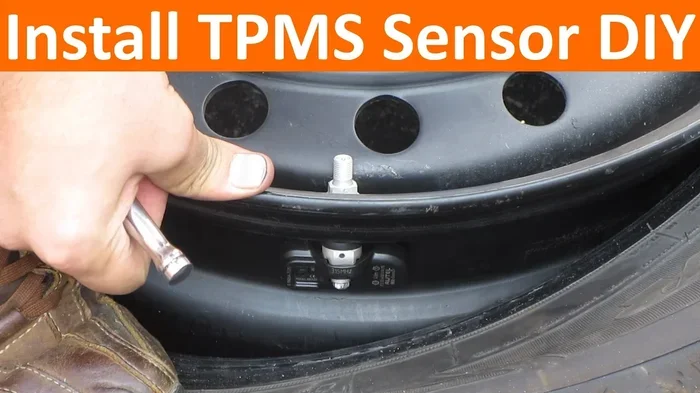
Once all sensors are programmed, mount them onto the tires. Use a TPMS service kit with new seals, valve cores, and nuts for each sensor. This ensures a proper seal and prevents slow air leaks. Tighten the sensor nut to the manufacturer’s recommended torque to avoid damaging the sensor or valve stem.
Step 4: Run the Relearn Procedure
After installation, drive the vehicle at a steady speed for a few minutes. Some systems automatically recognize the new sensors. Others require you to manually initiate the TPMS relearn procedure using the TPMS tool or a dashboard button sequence. Check your owner’s manual for the exact steps.
Step 5: Verify the System
Once the relearn is complete, check your dashboard. The TPMS warning light should turn off within a few minutes of driving. Use a tire pressure gauge to confirm that all four tires show accurate readings. If the light stays on or readings seem off, you may need to repeat the programming or relearn process.
Common Mistakes When Installing TPMS Sensors
Even experienced DIYers can make mistakes when installing TPMS sensors. Here are the most common errors and how to avoid them.
Skipping the Programming Step Entirely
This is the number one mistake. Many people assume that a new sensor will work right out of the box. In reality, most sensors need to be programmed or activated first. Skipping this step almost always results in a persistent TPMS warning light.
Using Incompatible Sensors
Not all TPMS sensors are created equal. Using a sensor that is not compatible with your vehicle can lead to programming failures. Always verify the sensor part number and protocol against your vehicle requirements before purchasing.
Forgetting to Replace the Valve Stem Seal
When you remove an old sensor, the valve stem seal is often damaged. Reusing old seals or skipping new ones can cause slow air leaks. Always include a TPMS service kit with every sensor replacement. These kits are inexpensive and prevent costly tire repairs later.
Not Completing the Relearn Procedure
Programming the sensor is only half the battle. You must also run the TPMS relearn procedure so the vehicle knows which sensor is on which wheel. Without this step, the system may display incorrect pressure readings or keep the warning light on.
Using the Wrong TPMS Tool
Not all TPMS tools support every vehicle or sensor type. Using an outdated or incompatible tool can lead to failed programming attempts. Invest in a quality tool that updates regularly and supports a wide range of vehicles and sensor protocols.
TPMS Sensor Battery Life and Programming Considerations
TPMS sensors run on small batteries that typically last between five and ten years. When the battery dies, the sensor stops transmitting, and your TPMS warning light will illuminate. At that point, you need to replace the entire sensor, not just the battery.
When you replace a sensor with a dead battery, you still need to program the new sensor before installation. The new sensor will have a different ID than the old one, so the vehicle ECU must be updated. This is another situation where programming before installation becomes essential.
Quick Tip: If you are replacing multiple sensors at once, program and install them all in the same session. Mixing programmed and unprogrammed sensors on the same vehicle can confuse the system and trigger error codes.
Can Aftermarket TPMS Sensors Be Programmed?
Yes, most aftermarket TPMS sensors can be programmed to work with your vehicle. Many aftermarket sensors offer universal compatibility and support multiple programming methods. Popular brands like TireMinder, ACC, and Schrader EZ-sense sensors include auto-programming features that simplify the process.
However, aftermarket sensors may not always match the exact fit and finish of OEM sensors. Some vehicles, especially luxury brands like BMW, Mercedes, or Audi, can be picky about sensor compatibility. Always check compatibility charts before purchasing aftermarket TPMS sensors.
The good news is that aftermarket sensors are often more affordable than OEM options. They also tend to come with universal programming tools, which saves you money on equipment. Just make sure you follow the programming steps carefully to avoid issues with your tire pressure monitoring system.
When to Seek Professional Help for TPMS Programming
While many car owners can handle TPMS sensor programming at home, some situations call for professional help. If your vehicle uses a complex or proprietary TPMS system, a dealership or certified shop may be your best option. Luxury vehicles, European cars, and newer models often require specialized tools and software updates that are not available in consumer-grade TPMS tools.
Additionally, if you have tried programming your sensors and the TPMS warning light stays on, it is time to see a pro. Persistent errors can indicate deeper issues with the vehicle ECU, wiring, or sensor compatibility. A professional technician can diagnose the problem and complete the TPMS service correctly.
Many tire shops and auto parts stores offer TPMS programming services for a reasonable fee. This can save you time and frustration, especially if you are not comfortable working with diagnostic tools.
Key Takeaways
- TPMS sensors usually need programming before installation to ensure proper communication with your vehicle.
- Direct TPMS systems require individual sensor programming, while indirect TPMS needs a relearn procedure.
- Use a compatible TPMS tool and follow the correct programming steps for your vehicle.
- Always include a TPMS service kit when replacing sensors to prevent air leaks.
- Aftermarket sensors can be programmed but must be compatible with your vehicle.
- Skipping programming or relearn procedures is the most common mistake and leads to persistent warning lights.
- When in doubt, seek professional TPMS service to avoid costly errors.
Conclusion
So, do TPMS sensors need to be programmed before installing? In the vast majority of cases, yes. Proper programming ensures that your tire pressure monitoring system recognizes each sensor and displays accurate tire pressure readings. Whether you are replacing a dead sensor or upgrading to aftermarket TPMS sensors, taking the time to program and relearn the system pays off in safety and reliability.
Follow the steps outlined in this guide, avoid common mistakes, and use the right tools for the job. Your TPMS warning light should stay off, and your tires will last longer. If you ever feel unsure, do not hesitate to consult a professional. A properly functioning tire pressure monitoring system is one of the simplest ways to keep your vehicle safe on the road.
FAQs
Can I install TPMS sensors without programming them first?
In most cases, no. Installing unprogrammed TPMS sensors will likely trigger your TPMS warning light and result in inaccurate readings. Always program or activate the sensor before mounting it on the tire to ensure the vehicle ECU recognizes it properly.
How long does it take to program TPMS sensors before installation?
The programming process typically takes about 10 to 20 minutes for all four sensors, depending on your TPMS tool and vehicle model. Adding the relearn procedure may extend the total time to 30 minutes or more. It is a straightforward process once you are familiar with the steps.
Do aftermarket TPMS sensors need programming too?
Yes, most aftermarket TPMS sensors need to be programmed or activated before installation. Many aftermarket sensors feature auto-learning capabilities that simplify the process, but you will still need to run a relearn procedure so your vehicle recognizes the new sensors.
What happens if I don’t program my TPMS sensors correctly?
If you do not program your TPMS sensors correctly, your vehicle will not recognize them. This leads to a persistent TPMS warning light, inaccurate pressure readings, and potential safety risks. The system may also store error codes that require a diagnostic tool to clear.
Can a tire shop program TPMS sensors for me?
Yes, most tire shops and auto repair stores offer TPMS programming services. They have professional-grade TPMS tools and trained technicians who can program and relearn sensors quickly. This is a great option if you prefer not to handle the process yourself.
How often do TPMS sensor batteries need to be replaced?
TPMS sensor batteries typically last between five and ten years. Since the battery is built into the sensor, replacing it means replacing the entire sensor unit. When you replace a sensor, always program it before installation and complete the relearn procedure to keep your system working correctly.
Frequently Asked Questions
What is Do TPMS Sensors Need to Be Programmed Before Installing?
Do TPMS Sensors Need to Be Programmed Before Installing is an important topic with many practical applications.