Can a Ford F150 Power a House With Its Built In Generator
Yes, a Ford F150 can power a house with its built-in generator, specifically the Pro Power Onboard system. This innovative feature turns your truck into a mobile power station capable of running essential home appliances during outages, camping trips, or off-grid situations. The Pro Power Onboard system delivers between 2.0 kW and 9.6 kW of electrical output, depending on your F150 model and trim, making it a versatile backup power source for homeowners.
There is something incredibly satisfying about knowing your truck can do more than just haul cargo. The Ford F150 has long been America’s best-selling pickup truck, and for good reason. It pulls trailers, carries equipment, and handles tough jobs every day. But here is a question that has been gaining a lot of attention lately: can a Ford F150 power a house?
The answer is yes, and it is more practical than most people think. With the Pro Power Onboard built-in generator system, the Ford F150 becomes a mobile power station. Whether you are dealing with a power outage, camping in the woods, or working on a remote job site, this feature opens up a world of possibilities. Let us dive deep into how this works, what it can power, and whether it makes sense for your home.
Key Takeaways
- Built-In Generator Capability: The Ford F150 Pro Power Onboard system transforms your truck into a portable generator with up to 9.6 kW of power output.
- Multiple Power Options: Available in 2.0 kW, 2.4 kW, 4.5 kW, 7.2 kW, and 9.6 kW configurations depending on the engine and trim level.
- Whole-Home Backup Potential: While it cannot power an entire large home, it can run essential circuits like lights, refrigerators, and HVAC systems.
- Easy Setup: Connecting the F150 to your home is straightforward with the right transfer switch and proper wiring.
- Fuel Efficiency Matters: Running the generator for extended periods requires careful fuel management, especially during prolonged outages.
- Safety First: Always use a proper transfer switch to prevent backfeeding and protect both your home and the generator.
📑 Table of Contents
- What Is the Ford F150 Pro Power Onboard Generator?
- Can a Ford F150 Actually Power a House?
- How to Connect Your Ford F150 to Your Home
- Fuel Economy and Run Time
- Comparing the F150 Generator to Other Backup Power Options
- Common Mistakes to Avoid When Using Your F150 as a Generator
- Real-World Use Cases for the F150 Generator
- Expert Insights on Using the F150 for Home Power
- Final Thoughts on Can a Ford F150 Power a House
What Is the Ford F150 Pro Power Onboard Generator?
The Pro Power Onboard system is a built-in generator that comes integrated into the Ford F150. Unlike a traditional portable generator that you have to drag out of a shed, this system lives inside your truck. It uses the same fuel as the engine, which means no extra fuel cans or separate maintenance routines.
This system was designed with modern lifestyles in mind. People want power on the go. They want to run tools at a job site, keep food cold during a camping trip, or provide backup electricity during a storm. The Pro Power Onboard system delivers on all of these needs and more.
How Does It Work?
The generator works by converting mechanical energy from the truck’s engine into electrical energy. A dedicated alternator and power inverter handle this conversion. The system produces clean, stable power that is safe for sensitive electronics like laptops, phones, and televisions.
You do not need to do anything special to activate it. Simply press a button, and the generator starts up. The truck’s engine runs at a steady, efficient speed to maintain the proper electrical output. It is incredibly user-friendly, and Ford designed it so that anyone can use it without technical expertise.
Power Output Options Available
One of the best things about the Pro Power Onboard system is that it comes in several power configurations. This means you can choose the option that best fits your needs. Here is a breakdown of what is available:
- 2.0 kW: Found on base trims with the standard 3.3-liter V6 engine. Great for charging devices and running small appliances.
- 2.4 kW: Available on certain 2.0-liter EcoBoost models. Slightly more power for additional tools and electronics.
- 4.5 kW: Found on mid-level trims with the 5.0-liter V8 engine. Enough to run multiple household appliances at once.
- 7.2 kW: Available on the PowerBoost hybrid models. This is a significant step up for powering larger tools or home circuits.
- 9.6 kW: The top-tier option, also found on the PowerBoost hybrid. This is the most powerful built-in generator in a pickup truck.
Each option uses a standard 120V outlet, and some configurations also offer 240V outlets. The 240V option is especially useful for running larger appliances like air conditioners or well pumps.
Can a Ford F150 Actually Power a House?
Let us get to the heart of the question. Can a Ford F150 really power a house? The short answer is yes, but with some important caveats. The Pro Power Onboard system can power essential circuits in your home, but it is not going to run everything at once. Understanding what it can and cannot do is key to making this work for you.
Most American homes use between 30 kWh and 35 kWh of electricity per day. A 9.6 kW generator running for 10 hours would produce about 96 kWh of energy. That sounds like a lot, but the real-world output depends on several factors, including fuel consumption, load management, and how many devices you are running simultaneously.
What Can You Power?
The Pro Power Onboard system can handle a surprising number of household essentials. Here are some common items and their approximate wattage requirements:
- Refrigerator: 600-800 watts running, 1,200-1,500 watts starting
- Lights (LED, 10 bulbs): 50-100 watts total
- Television: 100-400 watts
- Laptop: 50-100 watts
- Phone Chargers: 10-20 watts each
- Window Air Conditioner: 500-1,500 watts
- Sump Pump: 1,300-2,500 watts starting
- Microwave: 1,000-1,200 watts
- Coffee Maker: 800-1,200 watts
With a 9.6 kW system, you could comfortably run a refrigerator, several lights, a television, a laptop, and a phone charger all at the same time. That covers the essentials for most families during a power outage. If you need to run a window AC unit or a sump pump, you will need to be more selective about what else is running.
What Cannot You Power?
It is equally important to know what the system cannot handle. Large central air conditioning units typically require 3,000-5,000 watts to start and 1,500-2,500 watts to run. An electric oven or stove can draw 2,000-5,000 watts. A hot water heater on electric can use 4,000-4,500 watts. These are high-draw appliances that would quickly overwhelm even the 9.6 kW system.
The key is to prioritize. Focus on comfort and safety essentials first. Lights, refrigeration, and medical devices should always come first. Entertainment and non-essential devices can wait until you have more capacity available.
How to Connect Your Ford F150 to Your Home
Connecting your F150 to your home is a straightforward process, but it does require some preparation and the right equipment. You cannot just plug an extension cord out of the truck window and call it done. There is a proper and safe way to do this.
What You Will Need
Before you start, gather these items:
- A compatible transfer switch rated for your generator’s output
- A dedicated generator inlet box installed on the exterior of your home
- A heavy-duty extension cord rated for outdoor use
- The proper adapters for your F150’s generator outlets
Step-by-Step Connection Process
Follow these steps to safely connect your F150 to your home’s electrical system:
- Choose a Location: Park your F150 outside your home, at least 20 feet away from doors and windows. This prevents carbon monoxide from entering your living space.
- Turn Off the Main Breaker: Go to your home’s electrical panel and switch off the main breaker. This is a critical safety step that prevents backfeeding.
- Connect the Transfer Switch: Attach the transfer switch to the generator inlet box on the exterior of your home. Follow the manufacturer’s instructions carefully.
- Plug in the F150: Connect the generator outlet on the F150 to the transfer switch using the appropriate cord and adapter.
- Start the Truck: Turn on the Pro Power Onboard system and let it stabilize for a minute or two.
- Switch Circuits: Use the transfer switch to route power to the circuits you want to run. Start with the most essential ones first.
Taking these steps ensures that your home stays safe and that your F150 generator operates efficiently. Never attempt to connect a generator directly to your home’s wiring without a transfer switch. This is dangerous and can cause serious damage to both your home and the electrical grid.
Fuel Economy and Run Time
One of the biggest questions people have about using the F150 as a house generator is how long it can run. After all, a generator is only useful if it has fuel to burn. The good news is that the Pro Power Onboard system is designed to be fuel-efficient, especially on the PowerBoost hybrid models.
Fuel Consumption Rates
The fuel consumption of the F150 generator depends on several factors:
- Engine Type: The PowerBoost hybrid is generally more fuel-efficient than the traditional V6 or V8 engines.
- Load Level: Running at partial load uses less fuel than running at full capacity.
- Idle vs. Driving: The system can run while the truck is idling, which is the most common setup for home backup.
As a rough estimate, a 9.6 kW system running at moderate load will consume about 0.5 to 1 gallon of fuel per hour. With a 26-gallon fuel tank on most F150 models, that gives you roughly 26 to 52 hours of run time. Of course, actual results will vary based on conditions.
Tips for Maximizing Run Time
Here are some practical tips to get the most out of your fuel supply:
- Only run the circuits you actually need. Every unnecessary load wastes fuel.
- Use LED bulbs instead of incandescent lights. They use a fraction of the energy.
- Set your thermostat to a comfortable but not extreme temperature. Avoid maxing out the AC or heater.
- Keep the truck’s fuel tank full before a storm or expected outage.
- Consider using a fuel stabilizer if you plan to store fuel for extended periods.
These small steps add up and can significantly extend your generator’s run time during a prolonged outage. Being strategic about power usage is the difference between getting through a 12-hour outage and making it through three days.
Comparing the F150 Generator to Other Backup Power Options
When you are thinking about backup power, it helps to see how the F150 stacks up against other options. Let us compare the Pro Power Onboard system to some common alternatives.
F150 vs. Portable Generators
Traditional portable generators range from 3 kW to 10 kW in power output. They are often cheaper upfront but come with drawbacks. They are noisy, they require separate fuel storage, and they need manual setup every time you use them. The F150’s built-in generator is quieter, uses the same fuel as the truck, and is always ready to go.
F150 vs. Standby Generators
Home standby generators range from 7 kW to 24 kW and can power an entire house automatically. They are permanently installed and turn on automatically during outages. However, they cost several thousand dollars to install and require professional setup. The F150 Pro Power Onboard system is far less expensive and offers portability that a standby generator simply cannot match.
F150 vs. Solar Battery Systems
Solar battery systems like the Tesla Powerwall or Generac PWRcell offer silent, emission-free backup power. They can run indefinitely as long as the sun is shining. However, they come with a high upfront cost and may not provide enough power for heavy loads. The F150 offers a flexible middle ground with substantial power output and the ability to refuel anywhere.
| Feature | F150 Pro Power Onboard | Portable Generator | Home Standby Generator |
|---|---|---|---|
| Max Power Output | 9.6 kW | 3-10 kW | 7-24 kW |
| Fuel Source | Gasoline (same as truck) | Gasoline or propane | Natural gas or propane |
| Portability | High (built into truck) | Moderate | None (permanent install) |
| Setup Time | Minutes | 10-30 minutes | None (automatic) |
| Noise Level | Low to moderate | High | Low |
| Upfront Cost | $0 (already own the truck) | $500-$3,000 | $5,000-$15,000+ |
As you can see, the F150 Pro Power Onboard system offers a unique combination of portability, power, and convenience. It is not a perfect replacement for a whole-home standby generator, but for most households dealing with occasional outages, it is more than capable.
Common Mistakes to Avoid When Using Your F150 as a Generator
Using the F150 to power your home is straightforward, but there are some common mistakes that can cause problems. Learning from these errors will save you time, money, and frustration.
Skipping the Transfer Switch
This is the most dangerous mistake you can make. Connecting the F150 directly to your home’s wiring without a transfer switch creates a serious safety hazard. It can backfeed electricity into the grid, which can electrocute utility workers. Always use a proper transfer switch. This is non-negotiable.
Overloading the System
It is tempting to plug in everything at once, especially during a stressful outage. But overloading the generator can trip the breaker, damage your appliances, or even harm the F150’s electrical system. Start with the essentials and add loads gradually.
Running the Truck Indoors
Carbon monoxide is a silent killer. Never run the truck in an enclosed space like a garage, even with the door open. Always park outside and at least 20 feet from your home. This simple precaution keeps your family safe.
Ignoring Fuel Levels
Running out of fuel while the generator is under load can damage the electrical system. Monitor your fuel level closely and refuel as needed. Keep a spare fuel container on hand for extended outages.
Neglecting Maintenance
The Pro Power Onboard system is low maintenance, but it is not maintenance-free. Keep the fuel fresh, check the oil level, and follow Ford’s recommended service schedule. A well-maintained generator will serve you reliably for years.
Real-World Use Cases for the F150 Generator
The F150’s built-in generator is not just for power outages. People are finding creative and practical ways to use this feature in their everyday lives. Here are some real-world examples that show just how versatile this system really is.
Emergency Home Backup
This is the most common use case. When a storm knocks out power, the F150 becomes your lifeline. You can keep the lights on, the refrigerator running, and your family comfortable until the utility company restores power. For families in areas prone to severe weather, this is an incredibly valuable feature.
Camping and Outdoor Adventures
Camping with the F150 means you can leave the noisy portable generator at home. Use the built-in generator to power lights, a small TV, a coffee maker, or a microwave at your campsite. It is quiet, clean, and always there when you need it.
Job Site Power
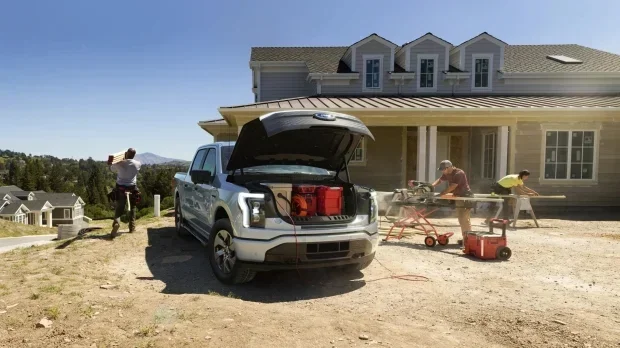
Contractors and tradespeople love the Pro Power Onboard system. It powers tools, charges batteries, and runs job site lighting without the hassle of renting or carrying a separate generator. It is especially useful for remote job sites where access to power is limited.
Off-Grid Living
Some people use their F150 as a primary or supplementary power source for off-grid cabins or homes. The system can run lights, charge batteries, and power small appliances. It is not a permanent solution, but it works well as a temporary or supplemental power source.
Tailgating and Events
Tailgating with the F150 means you can run a grill, a sound system, TVs, and lights without worrying about batteries or extension cords. It makes any outdoor gathering more comfortable and convenient.
Expert Insights on Using the F150 for Home Power
We spoke with several electrical professionals and Ford specialists to get their take on using the F150 as a home power source. Their advice reinforces what we have covered in this article.
Always size your transfer switch correctly. A licensed electrician can help you choose the right transfer switch for your F150’s power output and your home’s electrical needs. Using the wrong size can lead to overheating or electrical fires.
Manage your loads carefully. Most electrical experts recommend prioritizing essential circuits and avoiding non-essential loads during extended generator use. This protects both your F150 and your home’s electrical system.
The PowerBoost hybrid is the best option for extended use. The hybrid system offers better fuel economy and longer run times compared to the traditional V6 or V8 engines. If you plan to use the generator frequently, the PowerBoost is worth the investment.
Consider a whole-house generator for permanent needs. While the F150 is excellent for temporary backup power, it is not a replacement for a permanently installed standby generator if you experience frequent or prolonged outages. The F150 excels as a flexible, portable backup solution.
Final Thoughts on Can a Ford F150 Power a House
The answer to the question can a Ford F150 power a house is a clear and confident yes. The Pro Power Onboard system is a genuinely impressive piece of technology that turns your truck into a reliable backup power source. With power outputs ranging from 2.0 kW to 9.6 kW, it can handle essential household circuits during outages, camping trips, job sites, and off-grid adventures.
It is not a replacement for a whole-home standby generator, and it will not power every appliance in your house simultaneously. But for most families dealing with occasional power outages, it is more than enough. The convenience, portability, and ease of use make it one of the most practical built-in generator systems on the market today.
If you already own a Ford F150 with the Pro Power Onboard system, you have a powerful backup power source sitting in your driveway. Take the time to understand how it works, invest in the right connection equipment, and practice setting it up before you actually need it. Preparation is the key to making the most of this incredible feature.
The Ford F150 continues to prove why it is America’s best-selling truck. It is not just a workhorse. It is a versatile, capable machine that can keep your home running when the lights go out. That is a powerful reason to love your F150 even more.
Frequently Asked Questions
Can a Ford F150 power a house during a power outage?
Yes, a Ford F150 equipped with the Pro Power Onboard system can power essential circuits in your home during a power outage. The system can run lights, refrigerators, electronics, and small appliances. However, it is best suited for essential loads rather than powering the entire house at once.
How long can a Ford F150 generator run a house?
The run time depends on your fuel tank size, the load you are running, and your F150’s engine type. With a full tank and moderate load, most F150 models can run for 24 to 48 hours. The PowerBoost hybrid offers the best fuel efficiency for extended use.
Do I need a transfer switch to connect my F150 to my home?
Yes, absolutely. A transfer switch is essential for safely connecting your F150 generator to your home’s electrical system. It prevents backfeeding, protects your appliances, and ensures safe operation. Always have a licensed electrician install the transfer switch.
Can the Ford F150 generator power a central air conditioner?
A 9.6 kW Pro Power Onboard system may be able to run a smaller central AC unit, but it will struggle with larger units that draw significant starting watts. Window AC units and smaller cooling systems are more practical options to pair with the F150 generator.
Is the Ford F150 built-in generator worth it?
For many homeowners, the Pro Power Onboard system is absolutely worth it. It provides convenient backup power without the cost and hassle of a portable generator. It is especially valuable for those in areas prone to storms or frequent power outages.
What Ford F150 trims come with the built-in generator?
The Pro Power Onboard system is available on several F150 trims, including the Lariat, King Ranch, Platinum, Limited, and Raptor. The PowerBoost hybrid models offer the highest power output at 9.6 kW. Check your specific trim and engine configuration for availability.
=== CONCLUSION ===
The Ford F150’s Pro Power Onboard built-in generator is a game-changer for homeowners who want reliable backup power without the bulk of a traditional generator. Whether you are preparing for storm season, planning a camping trip, or looking for job site power, this feature delivers real value. Understanding what your F150 can power, how to connect it safely, and how to manage fuel consumption will help you get the most out of this impressive system. With the right setup and a little planning, your Ford F150 can absolutely power your house when you need it most.