Connecticut Window Tint Law Everything You Need To Know
Connecticut window tint law sets specific limits on how dark you can tint your car windows. The state regulates visible light transmission (VLT) percentages for front, side, and rear windows. Understanding these rules helps you stay legal, avoid costly tickets, and keep your vehicle passing inspection.
Connecticut Window Tint Law: Everything You Need To Know Before You Tint
Planning to tint your windows in Connecticut? You are not alone. Thousands of car owners tint their vehicles every year for comfort, style, and UV protection. But before you roll down your window and head to the shop, you need to know the rules. Connecticut has specific window tint laws that can trip you up if you are not careful. A single tint ticket can cost you money and hassle. More importantly, tinting your windows too dark can put you and your passengers at risk. This guide breaks down everything you need to know about Connecticut window tint law in plain, simple language. Let us get into it.
Why Connecticut Window Tint Law Matters
You might wonder why the state cares so much about window tint. The answer is simple: safety. Dark windows reduce visibility for drivers, especially at night and in bad weather. Law enforcement officers need to see inside vehicles during traffic stops. Too-dark tint can also hide illegal activity inside a car. Connecticut window tint law balances personal freedom with public safety. When you understand the rules, you can make smart choices. You can enjoy the benefits of tinted windows without breaking the law. Ignorance of the law is not an excuse, and a tint ticket is no fun to deal with.
Connecticut Window Tint Darkness Rules
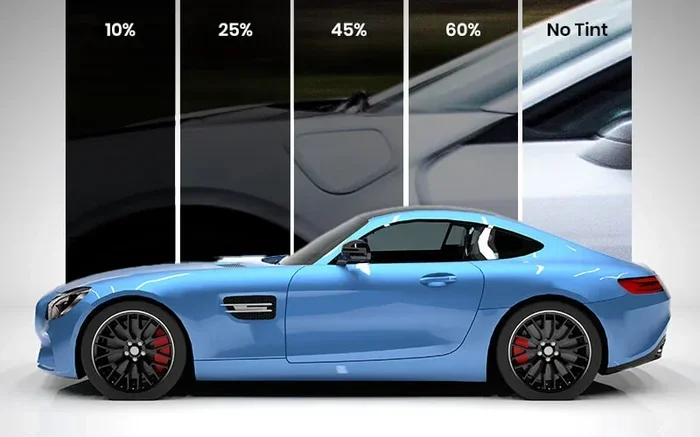
Connecticut uses Visible Light Transmission (VLT) to measure how much light passes through your window tint. VLT is the percentage of light allowed through the glass and film combined. The lower the VLT number, the darker the tint. For example, a 5% VLT tint lets in only 5% of light. A 70% VLT tint lets in 70% of light. Connecticut sets different VLT limits depending on which window you are tinting and what type of vehicle you drive.
Legal Tint Limits for Sedans
For passenger sedans in Connecticut, the rules are clear and specific. The front side windows must allow more than 35% of light to pass through. This means you cannot go darker than 35% VLT on the driver and passenger front windows. The windshield can have a non-reflective tint, but only on the top strip above the AS-1 line. This line is usually marked on the windshield by the manufacturer. The AS-1 line typically sits about five inches below the top of the windshield.
The rear side windows and the rear windshield can be tinted to any darkness. You have more freedom with these windows. However, if you tint the rear window, you must have dual side mirrors. This rule exists because a dark rear window blocks your view behind the car. The mirrors compensate for that lost visibility.
Legal Tint Limits for SUVs and Vans
SUVs and vans follow similar rules but with a small difference. The front side windows on SUVs and vans must also allow more than 35% VLT. The windshield tint rule is the same, limited to the top strip above the AS-1 line. The rear side windows and rear windshield can be tinted as dark as you want. You do not need dual side mirrors for SUVs and vans even with a tinted rear window, because they already have larger side mirrors or additional mirrors.
What About Reflective Tint?
Here is something many people do not know. Connecticut window tint law prohibits reflective tint on any window. Reflective tint has a mirror-like finish that bounces light away. It looks cool, but it creates serious visibility problems. Other drivers cannot see through reflective tint easily. It also blinds oncoming traffic during certain lighting conditions. Connecticut law specifically bans metallic or mirrored appearances on window film. If you want a sleek look, stick with a matte or satin finish that is non-reflective.
Tint Colors That Are Allowed and Restricted
Connecticut does not restrict specific tint colors like red, blue, or amber. You can choose from a wide range of tint shades and colors. However, the tint must not be red, amber, or blue if it impairs the driver’s view. Most standard tint colors like charcoal, gray, bronze, and green are perfectly legal. Always ask your installer about the specific film they use. A good installer will know which films meet Connecticut standards.
Medical Exemptions for Window Tint in Connecticut
Some people need darker window tint for medical reasons. Certain skin conditions make individuals extremely sensitive to sunlight. Ultraviolet exposure through car windows can cause severe health problems for these people. Connecticut allows medical exemptions for window tint that exceeds the legal darkness limits. To get an exemption, you need a licensed physician to provide documentation. The physician must explain your condition and why darker tint is medically necessary. You then submit this documentation to the Connecticut Department of Motor Vehicles. The DMV reviews the request and may issue an exemption certificate. Keep this certificate in your vehicle at all times. If you get pulled over, showing the exemption helps you avoid a tint ticket. The exemption does not give you unlimited freedom. It still requires you to use reasonable and safe tint levels.
Connecticut Window Tint Law and Vehicle Inspection
Your tinted windows must pass the Connecticut vehicle safety inspection. During inspection, inspectors use a tint meter to measure the VLT of each window. If any window fails to meet the legal VLT requirement, your vehicle will not pass inspection. You will need to remove or replace the tint before you can register your vehicle. This is a common problem for people who tint their windows before checking the current law. Always verify the latest regulations before getting your windows tinted. Connecticut updates its tint laws from time to time, and staying informed saves you money and stress.
Common Mistakes People Make With Window Tint in Connecticut
Many car owners make avoidable mistakes when tinting their windows. One of the biggest errors is assuming all states have the same rules. Tint laws vary widely from state to state. What is legal in New York might be illegal in Connecticut, and vice versa. Another mistake is choosing the cheapest tint film available. Low-quality film bubbles, peels, and fades quickly. It also may not meet the VLT requirements set by Connecticut law. Some people tint all their windows the same darkness without checking which windows have different rules. This leads to violations on the front side windows. Finally, some drivers forget about the rearview mirror requirement. If your rear window is tinted and you do not have dual side mirrors, you are breaking the law.
How to Choose a Tint Installer in Connecticut
Choosing the right installer is just as important as choosing the right film. A professional installer knows Connecticut window tint law inside and out. They understand VLT requirements and will select films that keep you compliant. Licensed installers also use high-quality materials that last longer and look better. Ask friends, family, or coworkers for recommendations. Read online reviews before making a decision. Get quotes from at least three different shops. Compare not just prices but also the types of film they offer. A reputable shop will provide a warranty on their work. They will also give you documentation proving your tint meets state standards. Never go to an unlicensed shop just to save a few dollars. The risks are not worth it.
What Happens If You Get a Tint Ticket in Connecticut
Getting caught with illegal window tint in Connecticut is not cheap. A first-time tint violation can result in a fine of up to $100. Repeat offenses can lead to higher fines, sometimes reaching $300 or more. Beyond the fine, you may be required to remove the illegal tint before your vehicle can pass inspection. In some cases, law enforcement may pull you over specifically for a suspected tint violation. This can lead to additional stops and even vehicle searches if the officer has concerns. A tint ticket also goes on your driving record. Too many violations can increase your insurance rates. The best way to avoid all of this is to simply follow the law from the start.
Quick Tips for Staying Compliant With Connecticut Tint Law
Staying compliant with Connecticut window tint law is easy when you follow a few simple tips. First, always ask your installer about the VLT of the film they plan to use. Make sure it meets the 35% minimum for front side windows. Second, keep your receipts and documentation from the tint shop. You may need to show proof of compliance if questioned by law enforcement. Third, get your vehicle inspected soon after tinting. This ensures any issues are caught early. Fourth, avoid aftermarket tint that changes the appearance of your windows too dramatically. Stick with professional-grade films that are designed to meet state regulations. Finally, stay updated on any changes to Connecticut tint laws. Laws can change, and what was legal last year may not be legal today.
The Benefits of Legal Window Tint in Connecticut
When you follow Connecticut window tint law, you still get all the great benefits of tinted windows. Legal tint reduces glare from the sun, making driving more comfortable and safer. It blocks harmful UV rays that can cause skin damage and fade your car’s interior. Tinted windows also add a layer of privacy to your vehicle. They keep prying eyes out when you park in public spaces. In the summer, tint helps keep your car cooler by blocking solar heat. This means less reliance on your air conditioning, which can improve fuel efficiency. All of these benefits are available within the legal tint limits. You do not need to break the law to enjoy them.
How Connecticut Tint Law Compares to Neighboring States
Connecticut’s tint laws are stricter than some neighboring states but more lenient than others. New York, for example, requires front side windows to have a VLT of 70% or higher. That is much stricter than Connecticut’s 35% limit. On the other hand, Massachusetts allows front side windows to have a VLT of 35%, which is the same as Connecticut. Rhode Island requires a VLT of 35% on front side windows as well. If you frequently drive across state lines, it is worth understanding the differences. A tint that is legal in Connecticut may not be legal in New York, and vice versa. Always check the laws of any state you plan to drive through regularly.
The Future of Connecticut Window Tint Law
Window tint laws evolve over time as new materials and technologies emerge. Some states are considering changes to allow slightly darker tints on front windows. Others are tightening restrictions on certain types of film. Connecticut has not made major changes to its tint laws in recent years, but that could change. Lawmakers occasionally review window tint regulations to balance safety with consumer demand. Stay informed about any proposed changes by checking the Connecticut General Assembly website or following local news. If you are planning to tint your windows soon, it is best to follow the current law rather than waiting for potential changes.
Final Thoughts on Connecticut Window Tint Law
Connecticut window tint law is straightforward once you understand the basics. The key rules are the 35% VLT requirement for front side windows, the non-reflective windshield tint limit, and the dual mirror requirement for tinted rear windows. Medical exemptions provide relief for those with genuine health needs. Professional installation and quality film keep you compliant and looking great. Following these rules protects you from fines, keeps you safe on the road, and ensures your vehicle passes inspection. When in doubt, consult a licensed tint professional or contact the Connecticut DMV directly. They can provide the most current information and guidance. Enjoy your tinted windows the right way, and drive with confidence knowing you are within the law.
Key Takeaways
- Front side windows must allow more than 35% of light in: This is the strict VLT rule for sedans and most passenger vehicles in Connecticut.
- The windshield can only have tint on the top strip: Connecticut law allows a non-reflective tint above the AS-1 line on the windshield.
- Rear windows have more flexibility: You can tint rear side and rear windows darker, but dual side mirrors are required if the rear window is tinted.
- Reflective tint is not allowed: Connecticut prohibits mirror-like or metallic tint finishes on any window.
- Medical exemptions exist: People with certain skin conditions can apply for a tint exemption through the DMV.
- Tint violations carry real fines: Fines can range from $100 to $300, and your vehicle may fail inspection.
- Professional installation matters: Using a licensed installer ensures your tint meets Connecticut standards and comes with proper certification.
Frequently Asked Questions
What is the legal VLT limit for front side windows in Connecticut?
The legal VLT limit for front side windows on sedans, SUVs, and vans in Connecticut is more than 35%. This means the tint must allow at least 35% of visible light to pass through the glass and film combined.
Can I tint my windshield in Connecticut?
Yes, but only the top strip above the AS-1 line. Connecticut law allows a non-reflective tint on the upper portion of the windshield. The AS-1 line is typically about five inches from the top of the windshield.
Do I need dual side mirrors if I tint my rear window in Connecticut?
Yes, for passenger sedans, you must have dual side mirrors if the rear window is tinted. This rule does not apply to SUVs and vans, which typically have larger or additional mirrors already.
Can I get a medical exemption for darker window tint in Connecticut?
Yes, Connecticut allows medical exemptions for individuals with skin conditions that require protection from sunlight. You need a licensed physician to provide documentation, which you then submit to the Connecticut DMV for approval.
How much is a tint ticket in Connecticut?
A tint violation in Connecticut can result in fines of up to $100 for a first offense. Repeat violations can lead to higher fines, sometimes reaching $300 or more. You may also be required to remove the illegal tint before your vehicle can pass inspection.
Is reflective tint allowed on any windows in Connecticut?
No, Connecticut law prohibits reflective or metallic tint on all windows. The tint must have a non-reflective finish. This rule exists to maintain visibility for both the driver and other motorists on the road.
=== CONCLUSION ===
Connecticut window tint law is not complicated once you know the basics. The 35% VLT rule for front side windows, the non-reflective windshield limit, and the dual mirror requirement for tinted rear windows form the core of the regulations. Whether you drive a sedan, SUV, or van, these rules apply to you. Always choose quality film and a licensed installer to ensure compliance. If you have a medical need for darker tint, apply for an exemption through the DMV. Staying informed and following the law lets you enjoy the benefits of tinted windows without the stress of fines or inspection failures. When you have questions, reach out to the Connecticut DMV or a trusted local tint professional. Knowledge is your best defense against a tint violation. Drive safe, stay legal, and enjoy the ride.