Car Wont Turn Off Here Are the Most Common Reasons Why
A car that won’t turn off is a serious issue that can drain your battery, damage the engine, or even cause dangerous situations. The most common culprits include a faulty ignition switch, a stuck key, a bad relay, or problems with the steering column lock. In this guide, we walk you through each cause, explain what to do, and help you decide when to call a mechanic.
You turn the key or press the button, but your engine just keeps running. That sinking feeling hits fast. A car won’t turn off situation is scary, frustrating, and potentially dangerous. Whether you’re parked in your driveway or stuck at a red light, this problem demands immediate attention.
In this guide, we break down every common reason your engine might refuse to shut down. We also give you clear, step-by-step advice on what to do next. No jargon. No fluff. Just straight talk to help you get back in control.
Key Takeaways
- Faulty ignition switch: This is the #1 reason a car won’t turn off and often needs replacement.
- Stuck key or ignition cylinder: Wear and debris can jam your key in the “on” position.
- Bad relay or electrical short: A stuck relay keeps power flowing to the engine even when you turn the key off.
- Push-button start issues: Modern cars have unique electronic gremlins that can prevent shutdown.
- Steering wheel lock interference: A locked steering column can physically block the key from turning off.
- Fuel system problems: A failing fuel pump or sensor can keep the engine running unexpectedly.
- Know when to call a pro: Some causes are simple DIY fixes, but others require a trained technician.
📑 Table of Contents
Why Your Car Won’t Turn Off
A vehicle that stays running after you remove the key or press the stop button has an underlying issue. The problem usually lives somewhere in the ignition system, electrical wiring, or engine control module. Understanding the root cause is the first step toward a fix.
Let’s look at the most common reasons this happens. Some are simple and cheap to repair. Others need a professional’s touch. Either way, knowing the cause saves you time, money, and stress.
The Ignition Switch Is Worn Out
The ignition switch is the part that sends power to your engine when you turn the key. Over time, the internal contacts wear down. When this happens, the switch may stay in the “on” position even after you turn the key off.
This is one of the most frequent reasons a car won’t turn off. You might notice other signs too. Dashboard lights flicker. The stereo stays on after you remove the key. Your engine keeps running despite the key being in the off position.
A worn ignition switch is more than an annoyance. It can drain your battery overnight. It can also leave your vehicle running while you’re parked, which creates a fire risk in extreme cases.
The Key or Ignition Cylinder Is Stuck
Sometimes the problem isn’t the switch itself but the key or cylinder. Debris, hardened grease, or simple wear can cause the key to jam inside the ignition cylinder. When this happens, you can’t turn it all the way to the “off” position.
This issue is especially common in older vehicles. Cars that sit unused for long periods are also prone to this problem. Rust and dust build up inside the cylinder, making it hard for the key to move freely.
A stuck key doesn’t just prevent shutdown. It can also leave you stranded if the key breaks off inside the lock. That’s a scenario nobody wants to deal with.
A Faulty Relay Keeps Power Flowing
Relays are small electrical switches that control power to different parts of your car. The main engine relay sends power to the fuel pump and ignition system. When a relay gets stuck in the “closed” position, it keeps sending power even when the engine should be off.
A bad relay is a sneaky cause of a car won’t turn off problem. Your key works fine. The switch feels normal. But the engine keeps cranking because the relay bypasses the normal shutdown sequence.
Replacing a relay is usually inexpensive. The part costs between $10 and $50 in most cases. However, finding the exact relay that’s stuck can take some detective work. A mechanic with a wiring diagram will save you a lot of trial and error.
Push-Button Start Systems Have Unique Problems
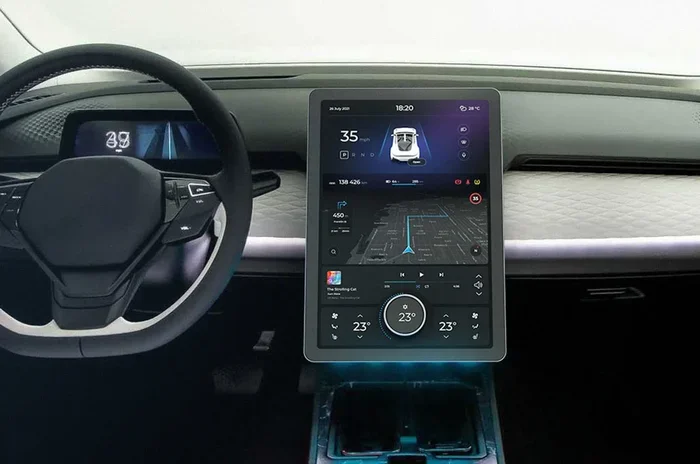
Modern cars with push-button start are convenient, but they bring new challenges. These systems rely on a smart key fob and multiple sensors to start and stop the engine. When something goes wrong with the electronics, the car may not respond to the shutdown command.
Common push-button start issues include:
- A dead or weak key fob battery that confuses the system
- A faulty brake light switch that prevents the engine from recognizing the stop command
- A corrupted signal between the fob and the car’s computer
- A problem with the powertrain control module (PCM)
If your push button start car won’t turn off, try pressing the brake pedal firmly and holding the start/stop button for several seconds. This forces an emergency shutdown in most vehicles. If that doesn’t work, consult your owner’s manual for the specific procedure.
The Steering Wheel Lock Is Interfering
Your car has a steering wheel lock that engages when you turn off the ignition and remove the key. This is an anti-theft feature. But sometimes, the lock binds up and prevents the key from turning to the “off” position.
When the steering wheel locks, it creates physical pressure on the ignition cylinder. The key can’t move freely. You might feel resistance or hear grinding when you try to turn it off.
The fix is usually simple. Gently wiggle the steering wheel left and right while turning the key. This releases the lock and lets the key move into the off position. Never force the key. You risk breaking it inside the cylinder.
Fuel System or Sensor Malfunctions
Your engine needs fuel and spark to run. When a fuel system component fails, the engine might not respond to the normal shutdown signal. A faulty fuel pump, a clogged fuel filter, or a bad crankshaft position sensor can all cause this issue.
The powertrain control module (PCM) controls the shutdown sequence. If the PCM receives incorrect signals from a sensor, it might not know when to cut fuel delivery. This keeps the engine running even after you turn the key off.
Dashboard warning lights often accompany fuel system problems. Check for the check engine light, oil pressure warning, or any other unusual indicators on your dash. These clues help narrow down the cause.
What To Do When Your Car Won’t Turn Off
Dealing with a car that won’t shut down can feel overwhelming. But staying calm and following a clear plan makes a big difference. Here’s exactly what you should do, step by step.
Step 1: Try the Emergency Shutdown
Most vehicles have an emergency shutdown procedure. For key ignition cars, try turning the key to the “accessories” position first, then back to “off.” For push-button start cars, press and hold the start/stop button for 10 seconds while pressing the brake.
This simple step resolves the issue more often than you’d think. Electrical glitches happen. A forced reset can clear them up quickly.
Step 2: Disconnect the Battery
If the emergency shutdown doesn’t work, disconnect the negative battery terminal. Use a wrench to loosen the cable clamp and pull it off the battery post. This cuts all power to the electrical system and forces the engine to stop.
Safety tip: Always disconnect the negative terminal first. This prevents electrical shorts. Wear gloves and eye protection. A battery that’s still connected can deliver a dangerous shock.
Keep in mind that disconnecting the battery will reset your radio presets, clock, and in some cases, your car’s computer settings. You’ll need to reset these after the problem is fixed.
Step 3: Check for Warning Signs
While the engine is still running, look and listen carefully. Do you see smoke or smell burning? Is there a strange vibration? Are any dashboard lights flashing?
These warning signs tell you how urgent the situation is. Smoke or burning smells mean you should stop driving immediately and call for help. A rough idle without smoke is less urgent but still needs attention soon.
Step 4: Call a Professional
If none of the above steps work, it’s time to call a mechanic. A car that won’t turn off is not something to ignore. Continued running can overheat the engine, drain the battery completely, or cause other serious damage.
Choose a trusted mechanic or towing service. Describe the problem clearly. Mention what you’ve already tried. This helps the technician diagnose the issue faster and saves you money on diagnostic fees.
Common Mistakes People Make With This Problem
When panic sets in, people make mistakes that make things worse. Here are the most common errors to avoid.
Panic and Forced Key Removal
Forcing the key out of the ignition is the number one mistake people make. If the key is stuck, pulling hard can break it inside the cylinder. A broken key is much harder to remove and requires specialized tools to extract.
Instead of forcing anything, apply gentle pressure and work the key slowly. If it doesn’t move after a few attempts, stop and seek professional help.
Ignoring Warning Lights
Dashboard warning lights exist for a reason. They tell you something is wrong before it becomes a bigger problem. Ignoring the check engine light or oil pressure warning while your car keeps running can lead to costly repairs.
Take a moment to scan your dashboard every time you notice a shutdown problem. Write down any warning lights you see. This information is gold for your mechanic.
Delaying the Fix
Some people think a car that won’t turn off is a minor issue. It’s not. A continuously running engine stresses every component. It wastes fuel. It can overheat the engine block. And in the worst case, it can cause a fire.
Address the problem as soon as you notice it. Even if you manage to stop the engine temporarily, the underlying issue will keep coming back until it’s properly fixed.
How To Prevent Ignition Problems in the Future
Prevention is always better than repair. A few simple habits can keep your ignition system healthy and prevent a car won’t turn off situation from happening again.
- Use the right key: Always use the key that came with your vehicle. Duplicate keys wear out faster and may not fit the ignition cylinder properly.
- Don’t carry heavy keychains: A heavy keychain puts stress on the ignition switch. The weight can wear out the internal contacts faster than normal.
- Turn the key gently: Forceful turning accelerates wear on the ignition cylinder. Use a smooth, steady motion every time.
- Replace the battery in your key fob: For push-button start cars, change the fob battery every two years. A weak battery causes communication errors between the fob and the car.
- Schedule regular maintenance: Have a mechanic inspect your ignition system during routine service appointments. Catching wear early prevents bigger problems down the road.
Quick Tips for Key Ignition Care
Your ignition system works hard every time you start the car. A little maintenance goes a long way. Here are some quick tips to keep everything running smoothly.
- Spray a small amount of electrical contact cleaner into the ignition cylinder once a year. This removes dust and debris that cause sticking.
- Apply a tiny bit of graphite lubricant to the key shaft. Do not use oil-based lubricants. They attract dirt and make things worse.
- Check the ignition switch wiring every 30,000 miles. Loose or corroded wires cause intermittent electrical problems.
- Keep the key slot clean. Use a soft brush to remove dust and debris from around the cylinder.
When To See a Mechanic vs. DIY Fix
Not every ignition problem requires a trip to the shop. Some fixes are simple enough for a home mechanic with basic tools. But knowing the line between a DIY job and a professional repair is important.
Try a DIY fix if: The key feels stiff but moves. The steering wheel lock seems to be the issue. The problem happens once and doesn’t return. These are often simple fixes that don’t require special tools or training.
See a mechanic if: The key won’t move at all. The engine keeps running after you disconnect the battery. You see warning lights or smell burning. The problem comes back repeatedly. These symptoms point to deeper electrical or mechanical issues that need professional diagnosis.
A mechanic has specialized tools like multimeters, diagnostic scanners, and wiring diagrams. They can pinpoint the exact cause quickly and accurately. For complex electrical problems, their expertise saves you time and prevents costly mistakes.
Cost of Repairing a Car That Won’t Turn Off
The cost to fix a car that won’t turn off varies widely depending on the cause. Here’s a rough breakdown of common repairs and their price ranges.
| Repair | Average Cost | Difficulty |
|---|---|---|
| Ignition switch replacement | $100 – $350 | Moderate |
| Ignition cylinder replacement | $200 – $500 | Moderate to Hard |
| Relay replacement | $10 – $80 | Easy |
| Key fob battery replacement | $5 – $20 | Very Easy |
| Brake light switch replacement | $50 – $150 | Easy |
| PCM or sensor replacement | $200 – $800 | Hard |
| Steering lock repair | $100 – $300 | Moderate |
These costs include parts and labor. Actual prices vary based on your car’s make and model, your location, and the mechanic’s hourly rate. Always get a quote before authorizing any repair work.
How Mechanics Diagnose This Problem
When you take your car to a shop, the mechanic follows a systematic diagnostic process. Understanding this process helps you feel more confident and informed.
First, the technician asks about your symptoms. When does the problem happen? Does the key feel stuck? Are there any warning lights? This initial conversation narrows down the possibilities.
Next, they connect a diagnostic scanner to your car’s onboard computer. The scanner reads error codes stored in the system. These codes point to specific components or circuits that are malfunctioning.
Then comes hands-on testing. The mechanic checks the ignition switch for continuity using a multimeter. They test the relays to see if any are stuck. They inspect the wiring harness for damaged or corroded connections. Each test rules out potential causes one by one until they find the real problem.
This thorough process ensures the right fix the first time. It also prevents unnecessary part replacements, which saves you money.
Key Takeaways
- A faulty ignition switch is the most common reason a car won’t turn off. Worn contacts inside the switch prevent the normal shutdown sequence.
- A stuck key or jammed ignition cylinder can physically prevent the key from reaching the off position.
- A bad relay or electrical short keeps power flowing to the engine even after you turn the key off.
- Push-button start cars have unique electronic issues that can interfere with the shutdown command.
- Always try the emergency shutdown and battery disconnect first. These simple steps resolve many cases quickly.
- Don’t force the key or ignore warning lights. Both actions can make the problem worse and more expensive to fix.
- Regular maintenance prevents most ignition problems. A little care goes a long way toward keeping your car reliable.
A car won’t turn off is a problem you should take seriously. It can drain your battery, damage your engine, or create safety hazards. But with the right knowledge and a calm approach, you can handle it effectively. Start with the simple fixes. Move to a professional if needed. And take steps to prevent the problem from returning.
Your car is a big investment. Keeping it running properly means taking care of issues quickly, even when they’re inconvenient. Use the tips in this guide to stay ahead of ignition problems and keep your vehicle safe and reliable for years to come.
Frequently Asked Questions
Can a dead key fob battery cause a push-button start car not to turn off?
Yes, a weak or dead key fob battery can confuse the car’s system. The vehicle may not recognize the shutdown command because it can’t detect the fob nearby. Replacing the fob battery usually fixes this problem quickly and cheaply.
Is it dangerous to drive a car that won’t turn off?
Yes, it can be dangerous. A car that keeps running when you try to stop it may overheat or stall unexpectedly at a bad time. It also drains your battery and wastes fuel. If this happens while driving, pull over safely and turn the key to accessories or disconnect the battery if needed.
How much does it cost to replace an ignition switch?
The average cost ranges from $100 to $350 including parts and labor. The exact price depends on your car’s make and model. Some vehicles have ignition switches that are easy to access, while others require more disassembly, which increases the labor cost.
Can I drive my car with a stuck ignition key?
It’s not recommended. A stuck key can break off inside the cylinder, leaving you unable to start or stop the car. It can also damage the ignition cylinder further. Have the issue looked at as soon as possible to avoid getting stranded.
What should I do if my car keeps running after I turn the key off?
First, try turning the key to accessories and back to off. If that doesn’t work, press and hold the start/stop button for 10 seconds. As a last resort, disconnect the negative battery terminal. Then schedule a visit with a mechanic to diagnose the root cause.
How can I prevent my car from having ignition problems?
Use the correct key, avoid heavy keychains, turn the key gently, replace your fob battery every two years, and schedule regular maintenance. These simple habits keep your ignition system healthy and prevent most common problems before they start.
=== META TITLE ===
Car Won’t Turn Off? Top Common Reasons & Fixes
=== URL SLUG ===
car-wont-turn-off-common-reasons
=== SEO TITLE ===
Car Wont Turn Off Here Are the Most Common Reasons Why