Car Alignment and Balancing Secrets for a Smoother Ride
Car alignment and balancing are essential maintenance tasks that most drivers overlook. Poor alignment causes uneven tire wear, steering pull, and a shaky steering wheel. Balancing eliminates vibrations at high speeds and extends tire life. In this guide, you will learn the telltale signs your car needs service, what to expect at the shop, and how to keep your wheels perfectly aligned and balanced for years.
Key Takeaways
- Car alignment and balancing are two distinct services that work together for a smooth, safe ride.
- Warning signs include steering pull, vibration, off-center wheel, and uneven tire wear patterns.
- Alignment adjusts caster, camber, and toe angles; balancing adds weights to correct weight distribution.
- Get an alignment check every 6,000 miles or twice a year, and balance tires when installing new ones.
- Avoid common mistakes like ignoring early symptoms or skipping balancing after a flat repair.
- Proper wheel care extends tire life, saves money, and improves safety.
📑 Table of Contents
- What Exactly Is Car Alignment and Balancing?
- Warning Signs Your Car Needs Alignment and Balancing
- How the Alignment and Balancing Process Works
- Alignment vs. Balancing: What’s the Difference?
- How Often Should You Get Your Wheels Checked?
- Quick Tips for Car Alignment and Balancing
- DIY Tips and Professional Advice
- Common Mistakes to Avoid
- Expert Insights and Long-Term Benefits
- Key Takeaways
- Conclusion
What Exactly Is Car Alignment and Balancing?
Have you ever driven down a straight road and felt your car drift to the left? Or maybe you notice a vibration in the steering wheel at highway speeds. These are clear signs that your car alignment and balancing need attention. Many drivers ignore these symptoms until they cause bigger problems. But a little preventive care can save you hundreds of dollars and keep you safe on the road.
Car alignment and balancing are two different services that work together to give you a smooth, stable ride. Alignment adjusts the angles of your wheels so they sit straight and true. Balancing ensures the weight of your tire and wheel assembly is evenly distributed. When both are done correctly, your tires wear evenly, your steering feels crisp, and your car drives straight without pulling.
In this guide, I will walk you through everything you need to know about car alignment and balancing. You will learn how to spot the warning signs, what happens during the service, and how often you should get it done. I will also share some quick tips and common mistakes to avoid. By the end, you will feel confident about keeping your wheels in perfect shape.
Understanding Wheel Alignment
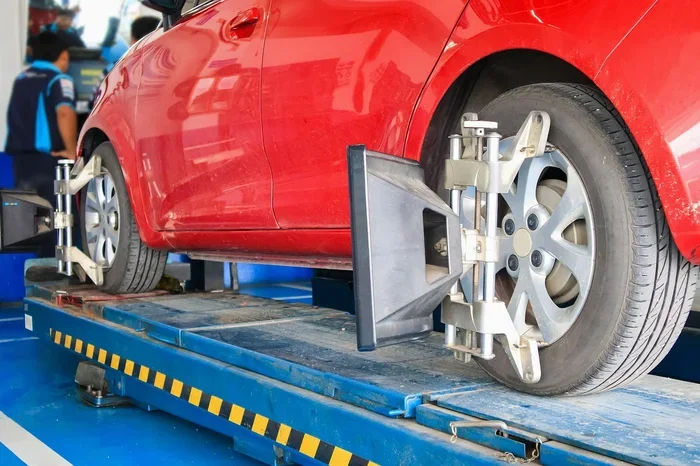
Wheel alignment adjusts the angles of your wheels relative to the road and each other. Technicians measure three main angles: caster, camber, and toe. Caster affects your steering stability and returnability. Camber is the tilt of the wheel when viewed from the front. Toe points the wheels inward or outward. When any of these angles are off, your car will pull to one side or wear tires unevenly. A proper alignment service uses a computerized system that reads sensors placed on each wheel. The machine compares your current angles to factory specifications. Then it makes precise adjustments to bring everything back into spec. This process usually takes about 30 to 60 minutes. Most cars need a four-wheel alignment, but some older models only require a front-end alignment. Your technician will advise you based on your vehicle and symptoms.
The Role of Tire Balancing
Tire balancing, sometimes called wheel balancing, addresses weight distribution. Even a tiny weight difference can cause a vibration at higher speeds. During balancing, the technician mounts each wheel on a spin balancer. The machine spins the wheel and identifies where heavy and light spots exist. It then attaches small weights to the rim to counteract any imbalance. This eliminates wobble and ensures a smooth ride. Balancing is especially important after installing new tires or hitting a pothole. A balanced set of wheels also reduces wear on suspension components like shock absorbers and struts. If you feel a shaking that gets worse at 55 mph or above, unbalanced wheels are often the culprit. A quick balance check can restore comfort and protect your suspension.
Warning Signs Your Car Needs Alignment and Balancing
Catching the problem early saves you from costly repairs. Here are the most common signs that your wheels are out of whack.
Steering and Handling Clues
- Steering pull: Your car drifts to the left or right even when you let go of the wheel on a flat road.
- Off-center steering wheel: When driving straight, the logo in your steering wheel sits crooked.
- Loose or vague steering: The wheel feels sloppy or wanders on the highway.
- Vibration in the steering wheel: A shaking feeling that gets worse at higher speeds often points to unbalanced wheels.
- Delayed steering response: The car does not turn immediately when you rotate the wheel.
Tire Wear Patterns That Tell a Story
Your tires are honest indicators. If you look closely at the tread, you can spot alignment and balancing issues before they become serious.
- Feathering: The tread blocks wear down more on one side than the other. This is a classic sign of incorrect toe alignment.
- Cupping or scalloping: Diagonal smooth patches appear on the tire surface. This usually means your tires are out of balance or your suspension is worn.
- Inner or outer edge wear: One side of the tire wears faster than the rest. This often indicates a camber problem.
- Uneven wear across the whole tire: The entire tread wears down quickly on one side. This could be a combination of alignment and balancing issues.
- Excessive center wear: The middle of the tread wears faster than the edges. This often points to over-inflation, but can also relate to alignment.
If you notice any of these signs, schedule an alignment and balancing check right away. Ignoring them can reduce tire life by up to 25 percent and compromise your safety.
How the Alignment and Balancing Process Works
Knowing what to expect at the shop removes the mystery. Both services are quick and painless when performed by a trained technician.
Step-by-Step Alignment
- Initial inspection: The tech checks your tire pressure, suspension parts, and steering linkage for wear.
- Mounting sensors: Small clamps are attached to each wheel. These connect to a computerized alignment machine.
- Driving the course: You drive slowly over a special alignment rack that measures the angles.
- Comparing to specs: The machine displays your current caster, camber, and toe readings side by side with factory specs.
- Making adjustments: The tech loosens or tightens specific suspension components to correct the angles.
- Final check: A second test drive confirms the alignment is within the proper range.
Balancing Your Wheels Like a Pro
- Removing the wheel: The technician takes the tire and wheel off the vehicle.
- Mounting the balancer: The assembly is placed on a spin balancer and secured with a center cone.
- Spinning the wheel: The machine spins the wheel at high speed and measures vibration.
- Adding weights: Small clip-on or adhesive weights are attached to the rim at the exact spot needed.
- Re-mounting and test: The wheel goes back on the car, and you take a short test drive to confirm the vibration is gone.
Both processes are non-invasive and require no special tools on your part. A full alignment and balancing service usually costs between $100 and $200, depending on your vehicle and location. Many shops offer a free alignment check with an oil change. It is always worth asking.
Alignment vs. Balancing: What’s the Difference?
It is easy to confuse these two services. Here is a clear breakdown of what each one does.
| Feature | Wheel Alignment | Tire Balancing |
|---|---|---|
| Primary Goal | Adjust wheel angles to factory specs | Equalize weight distribution of the wheel assembly |
| What It Fixes | Steering pull, uneven tire wear, off-center wheel | Vibration at speed, wobble, cupping wear |
| When Needed | After hitting a curb, pothole, or accident | After new tire install, or when vibration appears |
| Typical Cost | $75–$150 per axle | $20–$40 per wheel |
| Duration | 30–60 minutes | 15–30 minutes per wheel |
| Key Components | Caster, camber, toe angles | Wheel weights, spin balancer |
Even though they are different, alignment and balancing often go hand in hand. A technician might recommend both at the same time if you show symptoms of both issues. Think of alignment as setting the wheels straight, and balancing as making sure the wheels spin smoothly. Together, they give you the best possible ride quality and tire longevity.
How Often Should You Get Your Wheels Checked?
There is no single rule that fits every driver. Your schedule depends on driving habits, road conditions, and vehicle type.
Typical Intervals for Alignment
Most manufacturers recommend a wheel alignment check every 6,000 miles or twice a year. You should also get an alignment after any major suspension repair or after a significant impact. If you frequently drive on rough roads or hit potholes, consider getting checked every 4,000 miles. A simple alignment check takes just a few minutes and can prevent premature tire wear. Many drivers set a reminder on their phone or calendar to stay on track.
When to Balance Your Tires
You should balance your tires when you install new ones. Balancing is also necessary if you notice a vibration that was not there before. Hitting a pothole or a curb can knock weights off the rim. If you feel a steering wheel shake at speeds between 50 and 70 mph, it is time for a balance check. Many shops will balance your tires for free if you purchased them from them. Always ask when you buy new tires.
Keeping a log of your alignment and balancing services helps you stay on track. It also gives you a record to show if a problem arises later. Simple records can save you money and headaches.
Quick Tips for Car Alignment and Balancing
You do not need to be a mechanic to protect your wheels. A few simple habits make a big difference.
- Check tire pressure weekly: Under-inflated tires can mimic alignment problems. Use a reliable gauge and match pressures to your door jamb sticker.
- Inspect tires visually: Look for uneven wear, bulges, or objects stuck in the tread. Early detection saves big repairs.
- Avoid potholes and curbs: This is the number one cause of misalignment. Slow down when you see rough road surfaces.
- Rotate your tires regularly: Rotating every 5,000 to 6,000 miles promotes even wear and helps you spot alignment issues early.
- Drive smoothly: Aggressive cornering and hard braking put extra stress on your suspension and tires.
- Keep a service log: Write down every alignment and balancing service with the date and mileage.
DIY Tips and Professional Advice
While alignment and balancing require special equipment, there are still things you can do at home to protect your wheels.
Quick Tips You Can Do at Home
- Check tire pressure weekly: Under-inflated tires can mimic alignment problems. Use a reliable gauge and match pressures to your door jamb sticker.
- Inspect tires visually: Look for uneven wear, bulges, or objects stuck in the tread. Early detection saves big repairs.
- Avoid potholes and curbs: This is the number one cause of misalignment. Slow down when you see rough road surfaces.
- Rotate your tires regularly: Rotating every 5,000 to 6,000 miles promotes even wear and helps you spot alignment issues early.
When to Call a Mechanic
If you notice persistent steering pull, vibrations, or uneven wear, do not try to fix it yourself. Car alignment and balancing require precise measurements and adjustments. A professional shop has the right tools and expertise. They can also inspect your suspension for worn parts that might be causing the problem. Always choose a shop with certified technicians and up-to-date alignment equipment. A reputable mechanic will show you before and after readings so you can see the improvement. Ask friends or family for recommendations, and read online reviews to find a trusted shop near you.
Common Mistakes to Avoid
Even well-meaning car owners make mistakes that shorten the life of their tires and alignment.
- Ignoring early warning signs: A slight pull or minor vibration might seem harmless. But it will worsen over time and cause uneven tire wear.
- Delaying alignment after a repair: Any suspension work should be followed by an alignment check. Skipping this step can leave your wheels out of spec.
- Using cheap or worn tires: Low-quality tires cannot hold alignment as well. They also wear out faster, making balancing more frequent.
- Over-inflating tires: Too much air causes the center of the tread to wear quickly. This mimics an alignment problem.
- Skipping balancing after a flat repair: A repaired tire can lose its balance. Always rebalance the wheel after a patch or plug.
- Only checking two wheels: Many drivers forget the rear wheels. A four-wheel alignment ensures all wheels work together properly.
Avoiding these mistakes keeps your car driving smoothly and your wallet happy.
Expert Insights and Long-Term Benefits
Proper car alignment and balancing deliver benefits that go beyond a smooth ride.
Extending Tire Life and Saving Money
Tires are one of the most expensive maintenance items on any car. Misalignment can chew through tread in just a few thousand miles. A single alignment service costs a fraction of replacing a set of tires early. Many experts say that proper alignment can extend tire life by 20 to 30 percent. That is serious savings over the life of your vehicle. Plus, balanced wheels reduce stress on your suspension, which also saves on repair bills down the road. Think of alignment and balancing as an investment that pays for itself many times over.
Safety Benefits of Proper Alignment
A car that pulls to one side or vibrates at highway speeds is a safety risk. You might not be able to react quickly in an emergency if your steering feels off. Proper alignment ensures your car tracks straight and responds predictably. It also gives you better fuel economy because your tires roll with less resistance. A smoother ride means less driver fatigue on long trips. All of these benefits start with a simple alignment and balancing check. Make it a regular part of your car maintenance routine.
Key Takeaways
- Car alignment and balancing are two distinct services that work together for a smooth, safe ride.
- Warning signs include steering pull, vibration, off-center wheel, and uneven tire wear patterns.
- Alignment adjusts caster, camber, and toe angles; balancing adds weights to correct weight distribution.
- Get an alignment check every 6,000 miles or twice a year, and balance tires when installing new ones.
- Avoid common mistakes like ignoring early symptoms or skipping balancing after a flat repair.
- Proper wheel care extends tire life, saves money, and improves safety.
Conclusion
Car alignment and balancing are not just for luxury cars or seasoned gearheads. They are essential maintenance tasks that every driver should understand and prioritize. When your wheels are properly aligned and balanced, you enjoy a smoother ride, better fuel economy, and longer-lasting tires. You also drive more safely because your car responds exactly as you expect.
Now that you know the warning signs and what to expect at the shop, you can take charge of your car’s health. Do not wait for a major problem. Schedule a car alignment and balancing check today if you notice any of the signs we discussed. Your tires, your steering, and your wallet will thank you. A little preventive care goes a long way toward keeping your ride comfortable and your wheels true for miles to come.
Frequently Asked Questions
How much does a full alignment and balancing service cost?
A full alignment and balancing service typically costs between $100 and $250 total. The alignment part usually runs $75 to $150, and balancing each wheel costs $20 to $40. Prices vary based on your vehicle type and location. Many shops offer package deals if you buy both services together.
Can I drive with bad alignment and balancing?
You can drive short distances with minor issues, but it is not recommended. Bad alignment causes uneven tire wear and can affect steering control. Unbalanced wheels create vibrations that can damage suspension components over time. It is best to get the problem fixed as soon as possible to avoid costly repairs and ensure safe driving.
How long does a car alignment and balancing take?
A full alignment service takes about 30 to 60 minutes. Balancing all four wheels usually takes another 30 to 45 minutes. So plan for about an hour to an hour and a half at the shop. Some quick-service places can do it faster, but thorough work takes a little more time.
What causes wheels to go out of alignment?
The most common causes are hitting potholes, curbs, or speed bumps at an angle. Worn suspension parts like ball joints and tie rods also lead to misalignment. Normal wear and tear over time can shift your angles too. Regular checks help catch these issues before they cause visible damage.
Do I need alignment and balancing after buying new tires?
Yes, you absolutely should. New tires are an investment, and proper alignment ensures they wear evenly from day one. Balancing is also essential because even a tiny weight difference can cause vibrations. Many tire shops include balancing in the price of new tire installation. Always ask for both services when you get new tires.
How can I tell if my car needs alignment or balancing?
Steering pull and uneven tire wear usually point to alignment problems. Vibrations in the steering wheel or seat at highway speeds often indicate balancing issues. A technician can run quick tests to determine exactly what your car needs. Sometimes both services are required to fully solve the problem.