Understanding Car Gears and Speed for Better Driving
Understanding car gears and speed is essential for every driver. Whether you drive a manual or automatic, knowing how your transmission system affects your vehicle speed helps you drive safer, smoother, and more efficiently. This guide covers everything from gear ratios to RPM management.
Key Takeaways
- Gears control speed and power: Your car’s gear system directly determines how fast you go and how much torque reaches the wheels.
- Lower gears mean more power: Using low gear at the right time gives you better acceleration and control, especially on hills.
- RPM matters more than you think: Keeping your engine speed in the right range improves fuel efficiency and engine life.
- Manual and automatic each have strengths: Manual transmissions offer more driver control, while automatics provide convenience and ease.
- Smooth shifting prevents wear: Abrupt gear changes can damage your transmission over time.
- Overdrive is your highway friend: Using overdrive at high speeds reduces engine strain and saves fuel.
- Practice makes perfect: The more you understand your car’s gear system, the more confident and skilled you become behind the wheel.
📑 Table of Contents
What Are Car Gears and Speed?
Every car on the road uses a system of gears to manage how power flows from the engine to the wheels. When we talk about car gears and speed, we are really talking about how your vehicle balances power and pace. A gear is simply a toothed wheel that connects to another gear. Together, they change how fast your wheels turn compared to how fast the engine spins.
Think of it like riding a bicycle. When you pedal in a low gear, you move slowly but it is easy to push. In a high gear, you go faster but it takes more effort. Your car works the same way. The transmission picks the right gear so your engine works at its best. This is why understanding car gears and speed matters so much.
Whether you drive a manual or an automatic car, your gear system shapes every driving moment. It decides how quickly you can accelerate from a stop. It controls how smoothly you cruise on the highway. Even your braking depends on proper gear use. The better you understand this system, the better driver you become.
How Gears Actually Work
Your engine creates power. But that raw power is too strong and fast to send directly to the wheels. Gears act like a middleman. They adjust the speed and force coming from the engine before it reaches your drive shaft and wheels.
There are usually three main parts involved:
- The engine produces rotational force called torque.
- The transmission contains a set of gears that change the ratio of speed to force.
- The driveshaft and differential deliver that adjusted power to each wheel.
When you shift into a lower gear, the engine spins faster but the wheels spin slower. This gives you more pulling power. When you shift higher, the engine slows down relative to the wheels, letting you go faster with less effort. This balance between torque and vehicle speed is the heart of how car gears and speed work together.
Why Speed Depends on Gears
You might wonder why you cannot just stay in one gear and go any speed. The answer is simple. Each gear is built for a specific range of speed and load. Stay in too low a gear at high speed, and your engine will scream and waste fuel. Stay in too high a gear at low speed, and your engine will struggle and possibly stall.
Here is a quick look at how gears typically relate to speed:
- First gear: Used for starting from a stop. Very low speed, high power.
- Second gear: For slow driving and gentle acceleration. Still low speed.
- Third gear: For moderate city speeds. A balance of power and pace.
- Fourth and fifth gears: For highway cruising. Higher speed, lower engine effort.
- Sixth gear or overdrive: For very high highway speeds. Maximum efficiency.
Every car is different, but the principle stays the same. Choosing the right gear at the right time gives you the best acceleration, control, and fuel economy.
The Basics of Gear Ratios
A gear ratio is a number that tells you how many times the engine turns for every one turn of the wheels. This number is the key to understanding car gears and speed. A higher ratio means more engine turns per wheel turn, giving you more power but less speed. A lower ratio means fewer engine turns, giving you more speed with less raw power.
Understanding Gear Ratio Numbers
Let us keep this simple. Imagine your first gear has a ratio of 3.5:1. That means the engine spins 3.5 times for every single spin of the wheel. In sixth gear, the ratio might drop to 0.8:1. Now the engine only spins 0.8 times for each wheel turn. That is why higher gears let you go faster without straining the engine.
The gear ratio also affects how much torque reaches your wheels. Low gears multiply torque significantly. This is why trucks use very low first gears. They need massive pulling power. Sports cars use closer ratios so they can shift fast and stay in the power band during racing.
Low Gear vs High Gear
Knowing when to use low gear and when to use high gear is one of the most important driving skills. Here is a simple breakdown:
- Low gear (1st or 2nd): Best for starting, climbing hills, going downhill, and heavy towing. It gives you strong pulling force at low driving speed.
- High gear (4th, 5th, 6th): Best for highway driving and cruising. It keeps the engine calm, quiet, and fuel-efficient at higher vehicle speed.
Some drivers also use a technique called engine braking by dropping into a lower gear on a downhill slope. This uses the engine resistance to slow the car, reducing wear on your actual brakes. It is a smart and safe practice that shows how well you understand your gears.
Manual vs Automatic Transmission
One of the biggest decisions a driver faces is choosing between a manual transmission and an automatic transmission. Both manage car gears and speed, but they do it in very different ways. Each has real advantages depending on your needs and preferences.
Pros and Cons of Manual Transmission
In a manual car, you use a clutch pedal and a gear stick to change gears yourself. This gives you full control over gear shifting and speed. Many driving enthusiasts love this hands-on feel.
Here are the main benefits and drawbacks:
- Better fuel efficiency: Skilled drivers often get better mileage because they choose exactly when to shift.
- More control: You decide the gear for every situation. Downhill? Drop to second. Need to overtake? Drop to third for extra acceleration.
- Lower purchase price: Manual cars usually cost less than the same model with an automatic.
- Lower repair costs: Manual transmissions are mechanically simpler and often cheaper to fix.
- Downside: Learning curve: New drivers can find clutch control and gear timing tricky at first.
- Downside: Tiring in traffic: Constant shifting in stop-and-go traffic can be exhausting.
Pros and Cons of Automatic Transmission
An automatic car shifts gears for you using a torque converter or dual-clutch system. It reads your speed and throttle input and picks the best gear automatically.
- Easy to drive: No clutch pedal. You just control speed with two pedals. Great for city driving.
- Smooth shifts: Modern automatics shift so smoothly that you barely notice gear changes.
- Better for traffic: You can focus on steering and braking without worrying about gear shifting.
- Downside: Higher cost: Automatic models often cost more upfront.
- Downside: Repair costs: Automatic transmissions are complex. Repairs can be expensive if problems arise.
- Downside: Less control: You rely on the computer to pick gears. Sometimes it chooses a gear that does not feel right for the moment.
Both types handle car gears and speed well. Your choice depends on your comfort, driving style, and local road conditions.
How to Shift Gears for Better Speed Control
Shifting gears at the right time is what separates a good driver from a great one. Proper gear shifting improves your control, protects your engine, and makes every trip smoother. Whether you drive manual or automatic, these tips apply.
When to Upshift and Downshift
Upshifting means moving to a higher gear. You do this when your speed increases and the engine has enough power to handle the next gear. A good rule of thumb for a manual car is to upshift when the engine noise gets louder or the RPM reaches about 2,500 to 3,000.
Downshifting means moving to a lower gear. You do this when you need more power or when you are slowing down. Common situations include:
- Approaching a red light or stop sign.
- Driving down a steep hill.
- Overtaking another vehicle on a two-lane road.
- Navigating a sharp curve that requires more control.
In an automatic car, you may not need to do much. But many automatics have a manual or sport mode that lets you shift yourself. Using this mode on winding roads gives you a much better feel for how car gears and speed connect.
Common Gear Shifting Mistakes
Even experienced drivers make mistakes. Here are a few to avoid:
- Shifting too early: If you upshift before the engine has enough power, the car feels weak and strained. Wait until the engine is in its comfortable range.
- Shifting too late: Holding a gear too long makes the engine loud and wastes fuel. It can also overheat the engine over time.
- Skipping gears: Some drivers jump from first to third or vice versa. This can cause wheel spin or engine lugging. Unless you are in a race, shift one gear at a time for smoother acceleration and deceleration.
- Resting hand on the gear stick: In a manual car, this can cause pressure on the gearbox. Keep both hands on the steering wheel whenever possible.
Avoiding these simple errors keeps your transmission healthy and your rides smoother.
RPM and Its Role in Car Gears and Speed
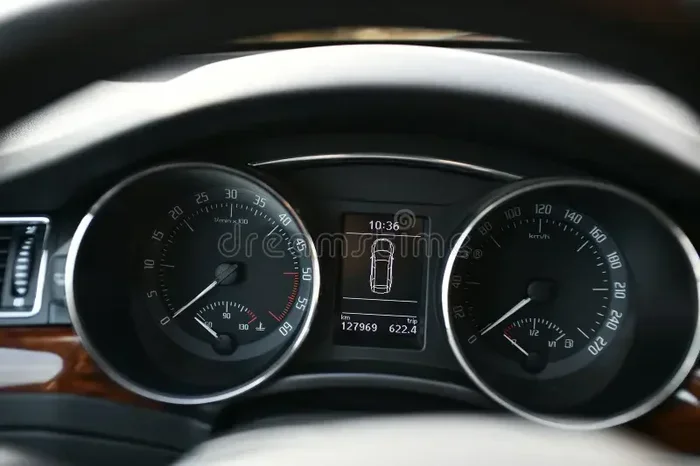
RPM stands for revolutions per minute. It tells you how fast your engine is spinning. The tachometer on your dashboard shows this number. Understanding RPM is crucial because it tells you whether your current gear matches your driving speed.
Ideal RPM Ranges
Every engine has a sweet spot. This is the RPM range where the engine produces its best balance of power and efficiency. For most regular cars, this range falls between 2,000 and 3,500 RPM. Here is a quick guide:
- Below 1,500 RPM: The engine is lugging. You are probably in too high a gear for your current speed or load. The car may shake or lose power.
- 1,500 to 2,500 RPM: Good for cruising at moderate speeds. Fuel efficiency is strong here.
- 2,500 to 3,500 RPM: Great for normal driving and moderate acceleration. Most daily driving happens in this range.
- 3,500 to 5,000 RPM: This is where performance kicks in. Use it when you need quick acceleration, like merging onto a highway or passing another car.
- Above 5,000 RPM: The engine is working very hard. This is usually for racing or emergency situations. Prolonged high RPM causes wear and wastes fuel.
How to Read Your Tachometer
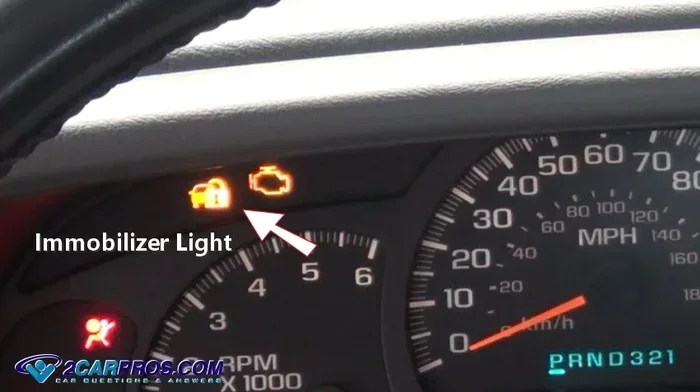
Your tachometer is usually located next to the speedometer. It shows numbers from 0 to 8 or more, with each number representing 1,000 RPM. A needle or digital display moves as your engine speed changes. When you shift up, the needle drops. When you shift down, it rises.
For example, if you are in third gear at 30 mph and the tachometer reads 3,000 RPM, that is a healthy reading. If you speed up to 45 mph in the same gear and the RPM climbs to 5,000, it is time to upshift to fourth. This simple skill is one of the best ways to master car gears and speed together.
In an automatic car, the system handles this for you. But even automatics have a tachometer. Watching it helps you understand when the transmission is shifting and whether everything feels right.
Tips for Smoother Driving at Any Speed
Now that you understand the basics of car gears and speed, let us look at practical tips that make a real difference on the road. These apply to all drivers, whether you are new or experienced.
Driving on Highways
Highway driving is all about efficiency. Here is what to keep in mind:
- Use your highest gear comfortably. For most cars, that means fifth or sixth gear at 60 to 75 mph.
- Engage overdrive if your car has it. Overdrive reduces engine strain at high vehicle speed and improves fuel economy.
- Avoid unnecessary overtaking. Each acceleration and deceleration cycle uses extra fuel.
- Maintain steady speed with cruise control when possible. This keeps the transmission in one gear and saves fuel.
Driving in City Traffic
City driving is the opposite of highway driving. You stop often, start frequently, and deal with unpredictable traffic. Here are tips for better control:
- Use lower gears for slow traffic. Second gear is often perfect for crawling in congestion.
- Anticipate stops. Start braking early and downshift gradually instead of braking hard at the last moment.
- Do not ride the clutch. In a manual car, keeping your foot on the clutch pedal wears it out fast.
- Keep a safe distance. This gives you time to shift gears smoothly rather than making sudden, harsh shifts.
Quick Tips for Beginners
If you are just starting out, these tips will help you build confidence with your transmission and speed management:
- Practice shifting in an empty parking lot. Get a feel for when each gear engages.
- Listen to your engine. The sound changes when a gear is right or wrong.
- Do not worry about being perfect. Every skilled driver started somewhere.
- Read your owner’s manual. It tells you the recommended gear range for your specific car.
- Consider taking a advanced driving course. Many driving schools offer sessions focused purely on gear control and speed management.
Conclusion
Understanding car gears and speed is one of the most valuable skills any driver can have. It affects your safety, your fuel costs, your engine health, and your overall driving enjoyment. From the basic concept of how gears work to the finer details of RPM management and smooth shifting, every bit of knowledge helps you drive with more confidence and control.
Whether you prefer a manual gear system or the ease of an automatic, the principles remain the same. Match your gear to your speed. Listen to your engine. Use lower gears for power and higher gears for efficiency. Avoid common shifting mistakes. And always keep learning.
The more you practice, the more natural it all becomes. Soon, choosing the right gear and maintaining the right driving speed will feel like second nature. Get behind the wheel, apply what you have learned here, and enjoy a smoother, smarter driving experience every time you hit the road.
Frequently Asked Questions
What is the best RPM to shift gears in a manual car?
Most drivers shift between 2,000 and 3,000 RPM for everyday driving. This range gives you a good balance of power and fuel efficiency. For performance driving, shifting at 3,500 to 4,500 RPM gives you stronger acceleration. Always refer to your car’s manual for manufacturer-recommended ranges.
Can I skip gears when shifting?
You can, but it is not recommended for daily driving. Skipping gears, like going from first to third, can cause wheel spin or engine lugging. It is safer and smoother to shift one gear at a time. Skipping is sometimes used in racing but requires a lot of skill and practice.
What is overdrive and when should I use it?
Overdrive is the highest gear in your transmission. It lets your engine run at a lower RPM for a given vehicle speed. Use overdrive on highways when cruising at steady high speeds. It reduces engine noise, saves fuel, and lowers wear. Turn it off when towing or driving downhill, where you need more engine braking.
Is driving a manual car better than automatic?
It depends on your preference and driving situation. Manual cars give you more control and often better fuel economy. Automatic cars are easier and more comfortable, especially in heavy traffic. Both handle car gears and speed well. Choose what feels right for you and your daily routes.
How does carrying passengers or cargo affect gear choice?
Adding weight changes how your car accelerates and handles. With heavy loads, you may need to stay in a lower gear longer to maintain power. Your engine works harder, so shifting at slightly lower RPM can help. Always adjust your driving style when carrying extra passengers or cargo for safer control.
Why does my car shake when I am in the wrong gear?
A car shakes when the gear ratio does not match your speed and engine load. If you are in too high a gear at low speed, the engine cannot produce enough power, causing a lugging feeling. If you are in too low a gear at high speed, the engine over-revs and vibrates. Shifting to the correct gear usually stops the shaking immediately.