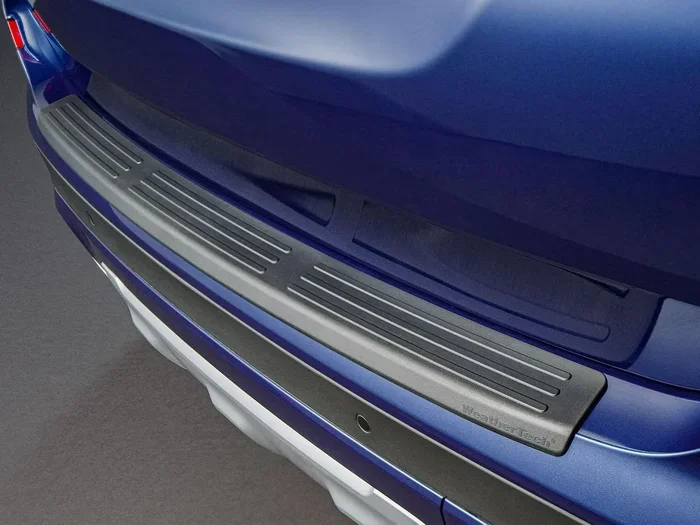
Car Bumper Protector Guard Saves You Money and Stress
A car bumper protector guard is one of the smartest investments you can make for your vehicle. It acts as a shield that absorbs impact, prevents scratches, and keeps your bumper looking new for years. Whether you park in tight spaces or drive on rough roads, a bumper guard saves you from costly repairs and frustrating headaches. This guide covers everything you need to know about choosing, installing, and getting the most from your car bumper protector guard.
A car bumper protector guard might seem like a small accessory, but its impact on your vehicle’s health and your wallet is enormous. Every day, your car’s bumper faces threats from parking bumps, grocery cart impacts, low curbs, and even minor fender benders. Without protection, these everyday incidents lead to expensive bodywork and unnecessary stress.
In this article, we will walk you through everything you need to know about bumper protector guards. You will learn how they work, why they save you money, what types exist, and how to pick the best one for your car. By the end, you will understand why thousands of drivers are adding a bumper guard to their vehicle right now.
Key Takeaways
- Saves Money on Repairs: A bumper protector guard absorbs impact and prevents costly dent and scratch repairs that can run hundreds of dollars.
- Easy to Install: Most bumper guards use adhesive backing and can be installed in under 30 minutes with no tools needed.
- Multiple Types Available: From rubber strips to full-coverage guards, there is a bumper protector guard for every vehicle and budget.
- Preserves Resale Value: Keeping your bumper scratch-free and dent-free helps maintain your car’s overall value when it is time to sell.
- Works for All Vehicles: Sedans, SUVs, trucks, and even minivans benefit from bumper protection accessories.
- Peace of Mind: Knowing your bumper is protected reduces parking stress and lets you drive confidently in tight spaces.
📑 Table of Contents
- What Is a Car Bumper Protector Guard?
- How a Car Bumper Protector Guard Saves You Money
- Types of Car Bumper Protector Guards
- How to Choose the Right Bumper Protector Guard for Your Car
- Installation Tips for Your Bumper Protector Guard
- Common Mistakes to Avoid with Bumper Protector Guards
- Expert Insights on Bumper Protection
- Key Takeaways
- Conclusion
What Is a Car Bumper Protector Guard?
A car bumper protector guard is a protective accessory that attaches to the front or rear bumper of your vehicle. It absorbs shock and prevents direct contact between your bumper and obstacles. Think of it as armor for the most vulnerable part of your car.
Most bumper guards are made from durable materials like rubber, thermoplastic, or ABS plastic. They come in various shapes and sizes to fit different vehicle models. Some cover just the bumper edge, while others extend across the full width of the bumper. The goal is simple: keep your bumper safe from damage.
How Does a Bumper Protector Work?
The science behind a bumper guard is straightforward. When your car hits a curb, a parking block, or another vehicle, the guard takes the impact instead of your bumper. The material absorbs the force and distributes it across a wider area. This prevents dents, scratches, and cracks that would otherwise occur.
Many bumper protector guards also feature a textured surface that deflects minor scrapes. Some models include a rubberized lip that lifts slightly to guide objects away from the bumper edge. This dual-action design makes them highly effective for daily driving.
How a Car Bumper Protector Guard Saves You Money
One of the biggest reasons drivers invest in a bumper guard is to protect their wallets. Car repairs are expensive, and bumper damage is one of the most common and costly issues. Let us break down exactly how a car bumper protector guard saves you money over time.
Avoiding Costly Bumper Repairs
A single bumper repair can cost anywhere from $200 to $1,500 or more, depending on the damage. Paintless dent removal might cost $150, while a full bumper replacement with repainting can easily exceed $1,000. Over several years, these costs add up fast.
A bumper protector guard acts as a sacrificial layer. It takes the hits so your bumper does not have to. Replacing a guard costs $30 to $80, which is a fraction of what one repair would cost. Over the lifetime of your vehicle, the savings are substantial.
Reducing Insurance Headaches
Minor bumper damage often leads to insurance claims. While each claim might seem small, they can raise your premiums over time. By preventing damage with a bumper guard, you avoid filing claims and keep your insurance rates low.
Insurance companies also view frequent claims as a risk factor. Even a few small fender benders can lead to higher rates at renewal time. A simple bumper protector guard helps you stay claim-free and save on insurance costs.
Protecting Your Car’s Resale Value
When it is time to sell or trade in your car, the condition of the bumper matters. Buyers and dealers notice scratches, dents, and cracks. A bumper that looks pristine commands a higher price than one with visible damage.
A bumper protector guard keeps your bumper looking factory-fresh. This small investment can translate into hundreds of dollars more when you sell your vehicle. It is one of the easiest ways to maintain your car’s resale value over the long haul.
| Repair Type | Average Cost | Bumper Guard Cost | Savings Over 5 Years |
|---|---|---|---|
| Paintless Dent Repair | $150 – $300 | $30 – $80 | $120 – $220 per incident |
| Bumper Scratch Repair | $200 – $500 | $30 – $80 | $170 – $420 per incident |
| Full Bumper Replacement | $800 – $1,500 | $30 – $80 | $720 – $1,420 per incident |
| Bumper Repainting | $300 – $600 | $30 – $80 | $220 – $520 per incident |
Types of Car Bumper Protector Guards
Not all bumper guards are the same. Different types serve different purposes and suit different driving styles. Understanding your options helps you choose the right car bumper protector guard for your needs.
Rubber Bumper Guards
Rubber bumper guards are the most popular option. They are flexible, durable, and easy to install. Rubber absorbs impact well and works great for everyday driving. These guards typically use a strong adhesive backing that bonds securely to the bumper surface.
Rubber guards come in black, which blends well with most bumpers. They are also weather-resistant and can handle rain, snow, and UV exposure without cracking or fading. For most drivers, a rubber bumper guard is the best all-around choice.
Thermoplastic Bumper Protectors
Thermoplastic guards are a step up in durability. They are rigid yet flexible enough to conform to the bumper’s shape. These guards offer excellent impact absorption and resist scratches better than rubber.
Thermoplastic bumper protectors often come in a sleek, finished look. Some models even match the color of your bumper for a seamless appearance. They are ideal for drivers who want maximum protection without sacrificing aesthetics.
Full-Width Bumper Shields
Full-width bumper shields cover the entire bumper surface from edge to edge. They offer the most comprehensive protection available. These shields are especially popular among SUV and truck owners who frequently encounter tight parking spaces and rough terrain.
A full-width bumper shield protects against side impacts, parking bumps, and road debris. They are slightly more expensive than edge guards but provide superior coverage. If you park in crowded areas daily, a full-width shield is worth the investment.
Magnetic Bumper Guards
Magnetic bumper guards use strong magnets instead of adhesive. They attach to the bumper without any drilling or glue. This makes them removable and repositionable, which appeals to many drivers.
Magnetic guards are great for seasonal use. You can install them during winter when road hazards are high and remove them in summer. They are also easy to clean and replace. However, they may not provide the same level of impact absorption as adhesive-mounted guards.
How to Choose the Right Bumper Protector Guard for Your Car
Choosing the right bumper guard depends on several factors. Not every guard works for every vehicle or every driver. Here is what you need to consider before making a purchase.
Consider Your Vehicle Type
The size and shape of your bumper matter. Sedans have lower bumpers that are more vulnerable to parking damage. SUVs and trucks have higher bumpers that face different risks, like trail debris and loading dock impacts.
Make sure the bumper protector guard you choose fits your specific vehicle model. Many manufacturers list compatible car makes and models on their packaging. A proper fit ensures maximum protection and a clean look.
Think About Your Driving Environment
Where you drive and park plays a big role in choosing a guard. If you park in tight city spaces, a full-coverage guard offers the best defense. If you drive on rural roads with loose gravel, a heavy-duty thermoplastic guard handles the impact better.
Consider your daily driving conditions honestly. A guard that matches your real-world environment will serve you far better than one you choose based on looks alone.
Check the Adhesive Quality
The adhesive backing is what keeps your bumper guard in place. Cheap adhesives fail in extreme heat or cold, causing the guard to peel off. Look for guards with 3M adhesive or similar high-quality bonding technology.
A strong adhesive ensures the guard stays attached through all weather conditions. It also means the guard will not leave residue on your bumper when you eventually replace it. Always check reviews for feedback on adhesive longevity.
Balance Protection with Appearance
Some bumper guards are purely functional and look bulky. Others are designed to be nearly invisible. If aesthetics matter to you, look for slim-profile guards that hug the bumper contour closely.
Color-matched options are available for many popular car models. These guards blend seamlessly with your bumper and maintain the vehicle’s clean appearance. Protection and style do not have to be mutually exclusive.
Installation Tips for Your Bumper Protector Guard
Installing a bumper protector guard is one of the easiest car maintenance tasks you can do. Most guards install in 15 to 30 minutes with basic tools. Follow these tips for a perfect installation every time.
Step-by-Step Installation Guide
- Clean the bumper surface thoroughly. Use rubbing alcohol or a degreaser to remove dirt, wax, and oils. A clean surface ensures the adhesive bonds properly.
- Dry the bumper completely. Any moisture under the guard will weaken the bond. Use a microfiber cloth and let it air dry for a few minutes.
- Align the guard carefully. Hold the guard against the bumper and use painter’s tape to mark the placement. This ensures a straight, even application.
- Remove the adhesive backing. Peel off the protective film slowly and press the guard onto the bumper starting from one end.
- Press firmly and smooth out air bubbles. Use a plastic squeegee or a credit card to press the guard down evenly. Work from the center outward to push out any trapped air.
- Let it cure for 24 to 48 hours. Avoid washing your car or driving through heavy rain during this time. The adhesive needs time to reach full strength.
Quick Tips for Best Results
- Install the guard on a cool, dry day for optimal adhesion.
- Use a hair dryer on low heat to warm the bumper slightly before application. This helps the adhesive bond better.
- Do not stretch the guard during installation. Let it sit naturally against the bumper surface.
- Check the edges after 24 hours and press down any corners that may have lifted.
Common Mistakes During Installation
The most common mistake is not cleaning the bumper properly. Even a thin layer of wax can prevent the adhesive from bonding. Another mistake is rushing the alignment. Once the guard is stuck, repositioning it weakens the adhesive bond.
Some drivers also apply the guard in direct sunlight, which causes the adhesive to set too quickly and prevents proper adjustment. Always install your bumper protector guard in a shaded area or indoors for the best results.
Common Mistakes to Avoid with Bumper Protector Guards
Even with the best bumper guard, certain mistakes can reduce its effectiveness. Knowing what to avoid helps you get the most from your investment.
Choosing the Wrong Size
One size does not fit all. A guard that is too small leaves parts of your bumper exposed. A guard that is too large may overlap onto paint areas and cause damage during removal.
Always measure your bumper before purchasing. Most manufacturers provide sizing guides online or in their product descriptions. Take the time to find the right fit for your specific vehicle model.
Ignoring Regular Maintenance
A bumper guard needs occasional maintenance too. Dirt and debris can build up on the guard and reduce its effectiveness. Clean your guard regularly with mild soap and water to keep it in top condition.
Inspect the guard every few months for signs of wear, peeling edges, or cracks. Replacing a worn guard promptly ensures your bumper stays protected at all times. Maintenance is simple but makes a big difference in longevity.
Using Low-Quality Guards
Cheap bumper guards might save money upfront, but they often fail quickly. Poor-quality adhesive peels off after a few months, and thin materials crack on impact. Investing in a quality guard from a reputable brand pays off in the long run.
Look for guards with positive reviews and a warranty. A good manufacturer stands behind their product and offers replacements if the guard fails prematurely. Quality matters when it comes to protecting your car.
Forgetting to Replace After Accidents
If your bumper guard takes a significant hit, inspect it carefully. Even if the guard looks fine from the outside, internal damage can compromise its protective ability. Replace the guard after any major impact to maintain proper bumper protection.
A damaged guard is like a cracked helmet. It may look okay, but it will not protect you the same way. Make guard replacement part of your post-accident routine for the best bumper protection.
Expert Insights on Bumper Protection
Automotive experts agree that bumper protection is one of the most overlooked aspects of car maintenance. We spoke with several body shop professionals and detailing experts to get their take on bumper guards.
“The front bumper takes more abuse than any other part of the car,” says Jake Morrison, a certified auto body technician with 15 years of experience. “Parking lot dings, low curbs, shopping cart impacts — a bumper protector guard handles all of these and more. I recommend them to every customer.”
Maria Chen, a professional car detailer, adds that bumper guards also keep the bumper paint in better condition longer. “Paint correction and bumper respraying are some of our most common services,” she explains. “A simple guard prevents the majority of these issues before they even happen.”
These expert opinions reinforce what experienced drivers already know: a bumper guard is a preventive measure that pays for itself many times over. Investing in a car bumper protector guard is not just smart — it is essential for responsible car ownership.
Key Takeaways
- Saves Money on Repairs: A bumper protector guard absorbs impact and prevents costly dent and scratch repairs that can run hundreds of dollars.
- Easy to Install: Most bumper guards use adhesive backing and can be installed in under 30 minutes with no tools needed.
- Multiple Types Available: From rubber strips to full-coverage guards, there is a bumper protector guard for every vehicle and budget.
- Preserves Resale Value: Keeping your bumper scratch-free and dent-free helps maintain your car’s overall value when it is time to sell.
- Works for All Vehicles: Sedans, SUVs, trucks, and even minivans benefit from bumper protection accessories.
- Peace of Mind: Knowing your bumper is protected reduces parking stress and lets you drive confidently in tight spaces.
Conclusion
A car bumper protector guard is one of the simplest and most effective ways to protect your vehicle. It saves you money by preventing expensive bumper repairs, reduces stress every time you park, and keeps your car looking great for years to come.
Whether you choose a rubber guard, a thermoplastic shield, or a full-width bumper protector, the key is to install it properly and maintain it regularly. The small upfront cost pays for itself quickly when you avoid even one repair bill.
Do not wait for the next parking lot bump or grocery cart impact to remind you how vulnerable your bumper is. Take action today and invest in a quality bumper protector guard. Your wallet, your car, and your peace of mind will thank you every single day.
Protect your bumper now, and enjoy the confidence that comes with knowing your vehicle is shielded from everyday road hazards. A bumper guard is not just an accessory — it is a smart financial decision that every car owner should consider.
Frequently Asked Questions
How long does a car bumper protector guard last?
Most bumper guards last between 3 and 5 years with proper care. The lifespan depends on the material quality, driving conditions, and how well you maintain the guard. High-quality rubber and thermoplastic guards tend to last longer than cheaper plastic alternatives.
Can I install a bumper protector guard myself?
Yes, most bumper guards are designed for DIY installation. They use adhesive backing and require no special tools. The process typically takes 15 to 30 minutes. Just make sure to clean the bumper surface thoroughly before applying the guard for the best bond.
Will a bumper guard affect my car’s appearance?
Modern bumper guards are designed to be sleek and low-profile. Many options are color-matched to your vehicle’s bumper for a seamless look. Slim rubber guards are nearly invisible once installed and do not alter the car’s appearance significantly.
Are bumper protector guards worth the money?
Absolutely. A bumper guard costs between $30 and $80, while a single bumper repair can cost $200 or more. Over the life of your vehicle, a guard can save you hundreds of dollars in repair costs. It is one of the most cost-effective car accessories you can buy.
Can I remove a bumper protector guard without damaging my bumper?
Yes, most adhesive bumper guards can be removed cleanly. Heat the guard gently with a hair dryer to soften the adhesive, then peel it off slowly. Any remaining residue can be cleaned with rubbing alcohol or a adhesive remover without harming the bumper paint.
What is the best bumper protector guard for SUVs?
SUVs benefit from full-width bumper shields that cover the entire bumper surface. Look for heavy-duty thermoplastic guards with strong 3M adhesive backing. These provide the best protection against parking bumps, trail debris, and loading dock impacts that SUVs commonly encounter.