Can You Still Drive With a Check Charging System Warning
Seeing a check charging system warning on your dashboard can be scary, but you can often drive a short distance safely. This warning means your car’s electrical charging system is not working properly, which could leave you stranded. Understanding the causes, risks, and immediate steps you should take can save you time, money, and a lot of stress on the road.
You are driving down the road, and suddenly a yellow or red light pops up on your dashboard. It says check charging system. Your heart drops. What does this mean? Can you still drive? Should you pull over right now? These are the questions that race through your mind the second that warning light appears.
The truth is, a check charging system warning does not always mean disaster. Sometimes it is a minor issue. Other times, it is a serious problem that needs immediate attention. Either way, you need to understand what is happening under the hood. This guide will walk you through everything you need to know about driving with this warning light.
We will cover the common causes, the risks involved, and the exact steps you should take. By the end, you will feel confident making the right decision for your situation. Let us dive in.
Key Takeaways
- You can drive short distances: but only if your battery has enough charge. Monitor it closely.
- The warning signals a charging system problem: this could be the alternator, battery, or wiring.
- Ignoring it can leave you stranded: a dead battery means your car will not start again.
- Common causes include a bad alternator, loose belt, or corroded battery terminals.
- Pull over safely if you notice flickering lights or stalling: these are signs of a serious issue.
- A voltage test can quickly diagnose the problem: most auto parts stores offer free testing.
- Regular maintenance prevents charging system failures: simple checks save big repair costs.
📑 Table of Contents
- What Does a Check Charging System Warning Mean?
- Can You Still Drive With a Check Charging System Warning?
- Common Causes of a Check Charging System Warning
- Risks of Ignoring the Warning
- What To Do When the Warning Light Comes On
- Quick Tips for Preventing Charging System Problems
- Expert Insights on Charging System Reliability
- Key Takeaways
- Conclusion
What Does a Check Charging System Warning Mean?
Your car has a complex electrical system that keeps everything running. The charging system is responsible for generating power while the engine is on. It recharges the battery and supplies electricity to all the electrical components in your vehicle.
When the check charging system warning light turns on, it means something in this system is not working correctly. The car’s computer, known as the ECU, detects a problem with voltage output or charging performance. This triggers the warning on your dashboard.
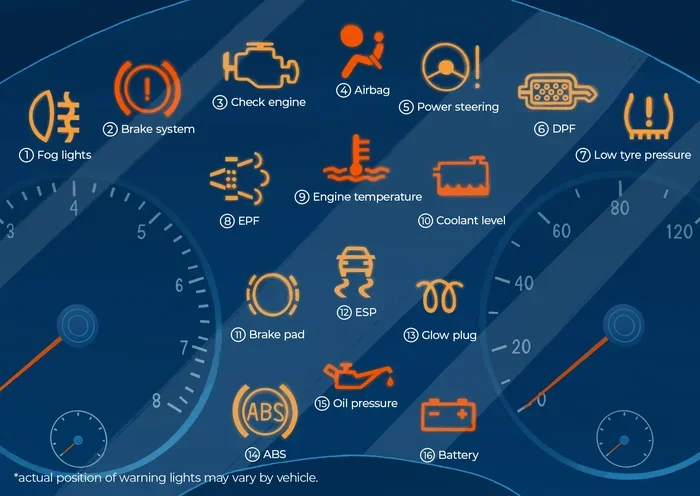
The light might look different depending on your vehicle. Some cars show a battery icon. Others display the words “check charging system” or “charging system fault.” No matter the shape or text, the meaning is the same. Your car is telling you that the electrical charging system needs attention.
How the Charging System Works
Understanding the basics helps you troubleshoot better. Here is how the system works in simple terms:
- The car battery provides the initial power to start the engine.
- The alternator generates electricity once the engine is running.
- The voltage regulator controls the amount of power the alternator produces.
- The serpentine belt connects the alternator to the engine so it spins.
- Electrical power flows to all components like lights, radio, and sensors.
When any part of this chain fails, the warning light comes on. The system cannot maintain proper voltage output, and your car alerts you.
Can You Still Drive With a Check Charging System Warning?
The short answer is yes, but with caution. You can usually drive a short distance if your battery still has a decent charge. However, you should not ignore this warning. The longer you drive with a faulty charging system, the higher the risk of getting stranded.
Here is the rule of thumb. If the light is yellow or amber, you have a bit more time. If the light is red, pull over safely as soon as you can. A red light usually indicates a severe problem that could cause sudden failure.
Short-Distance Driving Is Possible
Many drivers have made it to a nearby mechanic or auto parts store with the warning light on. Your battery has stored energy from previous driving. That stored energy keeps your car running for a while even if the alternator stops working. But remember, every minute you drive drains the battery further.
Keep your trip as short as possible. Avoid using electrical components like the air conditioner, heated seats, or high beams. These all draw power from the battery and will drain it faster. The goal is to get to a safe location or a repair shop without shutting off the engine.
When You Should NOT Drive
There are situations where you should not drive at all. If you notice any of the following symptoms, stop the car safely and call for help:
- The engine starts stalling or cutting out.
- The dashboard lights or headlights start flickering.
- You hear a grinding or whining noise from the engine bay.
- The steering feels unusually heavy.
- You smell burning rubber or electrical insulation.
- The battery warning light is on along with the charging light.
These signs point to a serious charging system failure. Continuing to drive could cause engine damage or leave you stuck in a dangerous location.
Common Causes of a Check Charging System Warning
Knowing what causes the warning helps you understand the severity. Some issues are quick and easy fixes. Others require more involved repairs. Let us look at the most common culprits.
1. Faulty Alternator
The alternator is the workhorse of your electrical system. When it goes bad, the battery does not get recharged. A failing alternator is one of the top causes of a check charging system warning. You might notice dimming lights or a whining noise before the warning appears.
Alternators typically last between 80,000 and 150,000 miles. But they can fail earlier due to age, heat, or electrical overload. If your alternator problems are left unchecked, the battery will eventually die completely.
2. Dead or Weak Battery
Sometimes the battery itself is the problem. An old battery cannot hold a charge anymore. Even if the alternator works fine, a weak battery will trigger the warning light. Battery terminal corrosion can also prevent proper charging and cause the light to come on.
Most car batteries last 3 to 5 years. If yours is older, it is worth getting it tested. A simple voltage drop test at an auto parts store can tell you if the battery needs replacement.
3. Loose or Broken Serpentine Belt
The serpentine belt drives the alternator. If this belt becomes loose, cracked, or breaks entirely, the alternator stops spinning. No spinning means no charging. A broken drive belt is an easy fix but can leave you stranded if it happens while driving.
Check your belt regularly during routine maintenance. Look for cracks, glazing, or fraying. Replacing a belt is inexpensive compared to the damage a broken belt can cause to other engine components.
4. Faulty Voltage Regulator
The voltage regulator controls the alternator’s output. If it fails, the alternator may produce too much or too little voltage. Too much voltage can damage electrical components. Too little means the battery never gets fully charged.
This issue often triggers the dashboard warning lights along with the charging system light. Some vehicles have the voltage regulator built into the alternator, which means replacing the whole unit.
5. Wiring and Connection Issues
Loose or corroded wiring connections can interrupt the charging circuit. A parasitic drain from a faulty wire can slowly kill your battery overnight. Sometimes the problem is as simple as a loose battery cable that needs tightening.
Wiring issues are tricky because they can be hard to spot visually. A professional mechanic with the right diagnostic tools can trace electrical problems quickly and accurately.
6. Bad Idler Pulley or Tensioner
The idler pulley and tensioner keep the serpentine belt tight and aligned. When these components wear out, the belt can slip or come off. This causes the alternator to stop charging the battery and triggers the warning light.
Listen for rattling or squealing noises from the engine. These sounds often point to a failing tensioner or idler pulley before the warning light even comes on.
Risks of Ignoring the Warning
It is tempting to ignore a warning light and hope it goes away. With a check charging system warning, that is a dangerous bet. Here are the real risks of putting off repairs.
You Could Get Stranded
The most immediate risk is a dead battery. Once the battery drains completely, your car will not start. You could be stuck on a highway shoulder, in a parking lot, or in an unfamiliar area. A jump start the car might get you going temporarily, but the underlying problem remains.
Electrical Component Damage
Modern cars rely heavily on electrical systems. The engine control module, fuel pump, power steering, and brakes all need proper voltage. A failing charging system can cause erratic behavior in these components. Over time, low voltage can damage sensitive electronics and lead to expensive repairs.
Engine Stalling and Safety Hazards
If the alternator completely fails while driving, the engine may stall. Losing power steering and power brakes at the same time creates a dangerous situation. This is why it is crucial to take the warning seriously and act promptly.
What To Do When the Warning Light Comes On
Now you know what the warning means and the risks involved. Here is exactly what you should do when you see that light.
Step 1: Stay Calm and Assess the Situation
Do not panic. Check your surroundings. Are you on a highway, a residential street, or a parking lot? Your environment determines your next move. If you are in traffic, safely merge to the side or exit the road.
Step 2: Turn Off Non-Essential Electrical Loads
Reduce the drain on your battery. Turn off the air conditioning, heated seats, radio, and interior lights. Keep only the headlights on if it is dark. This conservation strategy gives you more driving time to reach a safe spot.
Step 3: Drive to a Safe Location
Head toward the nearest auto repair shop or a well-lit, safe area. Do not try to drive long distances. Keep the engine running and watch for any worsening symptoms. If the car starts to feel sluggish or the lights dim significantly, stop immediately.
Step 4: Get the System Diagnosed
Once you are safely parked, have the charging system tested. Most auto parts stores offer free battery and alternator testing. They can check the voltage output, battery health, and alternator performance in minutes. This quick test tells you exactly what needs to be fixed.
Step 5: Repair or Replace the Faulty Component
Based on the diagnosis, proceed with the necessary repair. Common fixes include replacing the alternator, installing a new battery, tightening or replacing the serpentine belt, or fixing corroded connections. A mechanic can also perform a full electrical system inspection to catch any related issues.
Quick Tips for Preventing Charging System Problems
Prevention is always better than repair. Here are simple habits that keep your charging system healthy:
- Get your battery tested every 6 months, especially in extreme weather.
- Inspect the serpentine belt during every oil change.
- Keep battery terminals clean and free of corrosion.
- Avoid leaving electronics on when the engine is off.
- Address any dashboard warning lights immediately.
- Follow your vehicle’s recommended maintenance schedule.
- Listen for unusual sounds from the engine bay and investigate promptly.
Expert Insights on Charging System Reliability
Experienced mechanics agree that the check charging system warning is one of the most misunderstood dashboard lights. Many drivers assume it is just a battery issue and ignore it until the car dies completely. In reality, the warning covers the entire charging circuit, which includes the alternator, voltage regulator, wiring, and battery.
Regular electrical system maintenance is the best way to avoid unexpected failures. A simple inspection can reveal worn belts, corroded terminals, and weakening alternators before they cause a breakdown. Most experts recommend a charging system check at least once a year, or every 12,000 miles.
Also, do not underestimate the importance of quality replacement parts. Cheap alternators or batteries may save money upfront but often fail sooner. Investing in reliable parts and professional installation pays off in the long run.
Key Takeaways
- You can drive short distances: but only if your battery has enough charge. Monitor it closely.
- The warning signals a charging system problem: this could be the alternator, battery, or wiring.
- Ignoring it can leave you stranded: a dead battery means your car will not start again.
- Common causes include a bad alternator, loose belt, or corroded battery terminals.
- Pull over safely if you notice flickering lights or stalling: these are signs of a serious issue.
- A voltage test can quickly diagnose the problem: most auto parts stores offer free testing.
- Regular maintenance prevents charging system failures: simple checks save big repair costs.
Conclusion
Seeing a check charging system warning on your dashboard is not something to ignore, but it is also not a reason to panic. You can drive a short distance carefully, but you should get the system checked as soon as possible. The warning light is your car’s way of telling you that the electrical charging system needs attention.
The most important thing is to act quickly. Whether the cause is a simple loose battery terminal or a failing alternator, early intervention saves you from bigger headaches. Keep the tips and steps from this guide in mind the next time that warning light appears. Stay safe, stay informed, and do not let a dashboard light turn into a roadside emergency.
Frequently Asked Questions
How far can I drive with a check charging system warning?
It depends on your battery charge level. If the battery is fully charged, you might drive 10 to 30 miles before it dies. However, this is unpredictable. It is best to drive only as far as the nearest safe location or repair shop. Do not push your luck with long trips.
What is the difference between a check charging system warning and a check engine light?
The check charging system warning specifically indicates a problem with the electrical charging circuit, including the alternator and battery. The check engine light is broader and can be triggered by many different issues, including emissions, fuel system, or sensor problems. Both lights require attention, but the charging system warning is more urgent for your vehicle’s electrical health.
Can a bad ground wire cause a check charging system warning?
Yes, absolutely. A poor ground connection can disrupt the entire charging circuit. The alternator needs a solid ground path to send power back to the battery. Corroded or loose ground wires are common causes of charging system warnings and are often overlooked during diagnosis.
How much does it cost to fix a charging system problem?
The cost varies widely depending on the cause. Replacing a serpentine belt might cost 50 to 100 dollars. An alternator replacement typically runs 300 to 800 dollars including parts and labor. A new battery usually costs 100 to 250 dollars. Always get a proper diagnosis first so you know exactly what needs fixing.
Will my car start again after the battery dies from a charging system failure?
Once the battery is completely drained, the car will not start without a jump start or a battery charger. Even after jumping, the car may stall again if the charging system is still not working. You need to fix the underlying problem before relying on the vehicle for normal driving.
How can I test my charging system at home?
You can use a multimeter to check the battery voltage. With the engine off, a healthy battery reads 12.6 volts or higher. With the engine running, it should read between 13.7 and 14.7 volts. If the reading is below 13.5 volts with the engine running, the alternator is likely not charging properly. A free test at an auto parts store is even more accurate and convenient.