40 Percent Window Tint: The Key Benefits and Drawbacks
40 percent window tint is a popular middle-ground choice for car owners who want a balance of style, comfort, and legality. It blocks a solid amount of heat and UV rays while still allowing good visibility. This shade level offers enhanced privacy and interior protection without going too dark. However, it may not be legal in all states and could slightly reduce night visibility. Let us walk you through every major benefit and drawback so you can decide if this tint level fits your needs.
Have you been thinking about adding 40 percent window tint to your car? Maybe you have seen other vehicles on the road with that sleek, slightly shaded look and wondered what all the fuss is about. Or perhaps you are tired of the blinding sun beating through your windshield every morning commute. Whatever your reason, window tinting is one of the smartest upgrades you can make for your vehicle.
But not all tint levels are created equal. Some block almost all light. Others are barely noticeable. 40 percent window tint sits right in the sweet spot. It offers meaningful benefits without crossing into territory that causes problems. In this article, we will break down every major advantage and disadvantage of this popular shade level. By the end, you will know exactly whether a 40 percent tint is the right move for your car.
Key Takeaways
- Balanced Protection: A 40 percent tint blocks up to 60% of UV rays and reduces cabin heat significantly.
- Good Visibility: Unlike darker tints, 40 percent tint maintains clear sightlines during the day and night.
- Legal in Many Areas: This shade level is more widely accepted than darker options in most U.S. states.
- Interior Preservation: It helps prevent fading of your dashboard, seats, and trim from sun damage.
- Privacy Boost: You gain a noticeable level of privacy without making your car look overly dark.
- Moderate Heat Rejection: It reduces solar heat but may not match the performance of ceramic or darker films.
- Affordable Option: 40 percent tint generally costs less than premium ceramic or metallic films.
📑 Table of Contents
- What Is a 40 Percent Window Tint?
- The Top Benefits of 40 Percent Window Tint
- The Drawbacks You Should Know About
- 40 Percent Tint vs. Other Tint Percentages
- Is 40 Percent Tint Legal Where You Live?
- How to Get the Best Results with 40 Percent Window Tint
- Common Mistakes People Make When Choosing Window Tint
- Expert Insights on 40 Percent Window Tint
- Key Takeaways
- Conclusion
What Is a 40 Percent Window Tint?
When we talk about tint percentage, we are referring to visible light transmission, or VLT. This is the amount of light that passes through the window film and into your car. A 40 percent tint means that 40% of visible light gets through. The remaining 60% is blocked by the film.
Think of it like wearing sunglasses. A lighter tint lets in more light. A darker tint blocks more. A 40 percent tint is like wearing a light pair of sunglasses. You can still see clearly, but the glare is reduced and the world feels a bit more comfortable. This shade level is often called a “privacy tint” because it darkens the windows enough that people outside cannot easily see into your car.
Most window tinting shops offer 40 percent as a standard option. It is commonly applied to side windows and rear windows. The front windshield usually stays untinted or gets a thin strip at the top, depending on local laws. This tint level works well on almost any vehicle, from sedans to SUVs and trucks.
The Top Benefits of 40 Percent Window Tint
UV Protection for You and Your Car
One of the biggest reasons people tint their windows is UV protection. The sun emits harmful ultraviolet rays that can damage your skin and your car’s interior. A quality 40 percent tint film can block up to 99% of UV rays. That is a huge win for your health and your vehicle.
Over time, UV exposure fades your dashboard, seats, and steering wheel. It can make leather crack and vinyl peel. With 40 percent window tint, you add a protective layer that slows this damage down significantly. You are essentially giving your car’s interior a shield against the sun.
Heat Reduction and Driving Comfort
Nobody likes climbing into a scorching hot car on a summer day. 40 percent window tint helps reduce the amount of solar heat that enters your vehicle. While it may not match the performance of a 5% or 20% tint, it still makes a noticeable difference.
Many drivers report that their car interior stays 10 to 15 degrees cooler with a quality tint film. This means less reliance on air conditioning, which can improve fuel efficiency over time. Heat rejection is one of the most practical benefits of any window tint, and a 40% shade level delivers solid results.
Improved Visibility and Reduced Glare
Sun glare can be dangerous while driving. It blinds you for a split second, and that is all it takes for an accident to happen. A 40 percent tint cuts down on glare from the sun, headlights, and reflective surfaces on the road.
Because this shade level still allows a good amount of light in, you do not sacrifice clarity. You get the glare reduction benefits without the dimming effect of darker tints. This makes 40 percent tint a great choice for people who drive frequently or long distances.
Enhanced Privacy and Security
Let us be honest. One of the main reasons people tint their windows is privacy. A 40 percent tint makes it harder for people outside to see into your car. This is especially useful when you park in public lots or leave valuables in your vehicle.
While it is not as dark as a 20% or 5% tint, a 40% shade still provides a meaningful level of privacy tint effect. People walking by cannot easily see your belongings on the seats or your dashboard. This small deterrent can help reduce the chance of break-ins.
Aesthetic Appeal
Let us not forget the looks. A 40 percent window tint gives your car a polished, finished appearance. It adds depth and dimension to the vehicle’s look without making it appear overly dark or aggressive. Many car owners choose this shade level because it strikes the perfect balance between style and subtlety.
Whether you drive a sleek sedan or a rugged truck, a 40% tint enhances the overall aesthetic. It is one of those upgrades that makes your car look better the moment you step back and look at it.
Affordable Way to Upgrade Your Car
Compared to premium ceramic films or heavily tinted options, a 40 percent tint is generally more affordable. Window tinting cost varies by location, vehicle size, and film quality, but this shade level tends to fall in the mid-range price bracket. You get excellent value for the money you spend.
If you are on a budget but still want real benefits from tinting, 40 percent is a smart starting point. It delivers noticeable improvements in comfort, protection, and appearance without breaking the bank.
The Drawbacks You Should Know About
Reduced Night Visibility
Here is the honest truth. A 40 percent tint does reduce the amount of light coming into your car. During the day, this is barely noticeable. But at night or in poorly lit areas, it can make your windows feel slightly darker than you are used to.
If you frequently drive on unlit roads or in bad weather, this reduced light transmission could be a concern. Your eyes already work harder at night. Adding a tint, even a lighter one, can compound the challenge. However, most drivers adjust to this within a few days and report no ongoing issues.
Not the Best for Maximum Heat Rejection
If your primary goal is maximum heat reduction, a 40 percent tint may not be enough. Darker tints and advanced ceramic films offer superior solar energy rejection. A 40% tint reduces heat, but it does not eliminate it entirely.
In extremely hot climates, you may still feel some warmth inside your car even with a 40% tint. If you live in a desert environment or a place with brutal summers, you might want to consider a darker shade or a high-performance ceramic film.
Legal Restrictions in Some Areas
Tint laws vary from state to state and even from country to country. In some places, a 40 percent tint on front side windows is perfectly legal. In others, the legal limit for front windows is 70% VLT or higher.
Before you get your windows tinted, check your local tint laws carefully. Getting caught with an illegal tint can result in fines, citations, and even要求 you to remove the tint. A quick online search or a call to your local DMV can save you a lot of trouble.
Can Scratch or Bubble Over Time
Like any car accessory, window tint is not immune to wear and tear. Lower-quality films can bubble, peel, or scratch over time. Even with a 40 percent tint, you need to invest in a good-quality film and have it installed by a professional.
Cheaper tint may save you money upfront but can lead to expensive problems down the road. Bubbles, fading, and peeling not only look bad but also reduce the protective benefits of the film. Always choose a reputable installer and a durable film to get the best results.
Slightly Higher Cost Than No Tint
While 40 percent tint is affordable compared to premium options, it is still an added expense. Depending on the number of windows and the quality of the film, you might pay anywhere from $100 to $400 or more for a full vehicle tint.
This is not a huge cost, but it is worth factoring into your decision. If you are on a very tight budget, you might prioritize which windows to tint first. The rear windows and side windows are the most common choices for a 40% shade.
40 Percent Tint vs. Other Tint Percentages
Choosing the right tint percentage can feel confusing. There are so many options available. Here is how 40 percent tint stacks up against some other popular shade levels.
| Tint Level | VLT | Best For | Visibility | Heat Rejection |
|---|---|---|---|---|
| 50% Tint | 50% | Light shading, legal compliance | Excellent | Moderate |
| 40% Tint | 40% | Balance of comfort and style | Very Good | Good |
| 20% Tint | 20% | Privacy, sporty look | Moderate | High |
| 5% Tint | 5% | Maximum privacy, dark look | Poor | Very High |
As you can see, a 40 percent tint sits comfortably in the middle. It is darker than a 50% tint but lighter than a 20% or 5% tint. This makes it a versatile choice that works for a wide range of drivers. If you want the benefits of tinting without going too dark, 40% is hard to beat.
Compare this to a 5% tint, which is often illegal for front windows and makes nighttime driving very challenging. Or look at a 50% tint, which is barely noticeable and offers minimal privacy. The 40% shade gives you just enough to make a real difference without going overboard.
Is 40 Percent Tint Legal Where You Live?
This is one of the most important questions to ask before getting your windows tinted. Tint laws are not uniform across the country. What is legal in one state could get you pulled over in another.
In many U.S. states, a 40 percent tint is legal on rear and side windows. However, front side windows often have stricter limits. Some states require front side windows to have a VLT of 70% or higher. Others allow 50% or lower.
Here are some quick tips to stay on the right side of the law:
- Check your state’s specific tint laws before booking an appointment.
- Ask your installer if they are familiar with local regulations.
- Keep your tint receipt and certification in your vehicle at all times.
- Medical exemptions may allow darker tints in some states, so check if you qualify.
- Remember that laws can change, so verify the current regulations even if you have tinted your windows before.
Do not assume that because your friend has a 40% tint and has not been pulled over, it is legal everywhere. Laws exist for safety reasons, primarily related to driver visibility. Respecting these rules keeps you safe and avoids unnecessary fines.
How to Get the Best Results with 40 Percent Window Tint
Choose the Right Film Type
Not all window films are the same. There are dyed films, metalized films, carbon films, and ceramic films. Each type offers different levels of performance and durability.
For a 40 percent tint, a carbon film or ceramic film is often the best choice. Carbon films offer excellent heat rejection without interfering with electronics. Ceramic films provide top-tier performance but come at a higher price point. Dyed films are the most affordable but may fade over time.
Pick a Professional Installer
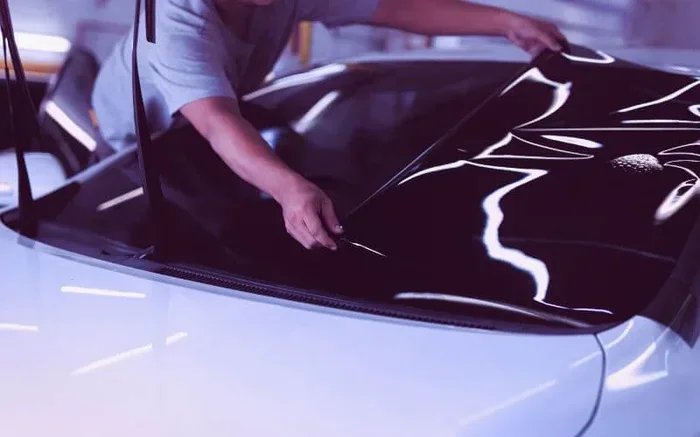
DIY tint kits are available, but they often lead to bubbles, wrinkles, and poor adhesion. A professional installer has the tools, experience, and clean environment needed for a flawless application.
When choosing an installer, look for reviews, warranties, and certifications. A good installer will also help you select the right film for your climate and needs. This is one area where spending a little extra money pays off in the long run.
Care for Your Tint Properly
Once your 40 percent window tint is installed, proper care will extend its lifespan. Avoid rolling down your windows for at least 3 to 5 days after installation. Use a non-ammonia cleaner to wipe down your windows. Harsh chemicals can break down the tint film over time.
Regular cleaning with a soft cloth and mild soap keeps your tint looking sharp for years. With the right care, a quality 40% tint can last 5 to 10 years or even longer.
Common Mistakes People Make When Choosing Window Tint
Avoiding common mistakes can save you time, money, and frustration. Here are a few pitfalls to watch out for:
- Choosing the darkest tint available: Just because you can does not mean you should. Dark tints can cause visibility issues and may be illegal.
- Skipping the research on tint laws: Ignorance of the law is not a valid excuse. Always check regulations first.
- Going with the cheapest option: Budget films often fade, bubble, and peel. You get what you pay for in most cases.
- Ignoring the warranty: A good tint comes with a warranty. Make sure you understand what is covered and for how long.
- Not considering your climate: If you live in a hot area, prioritize heat rejection. If you live in a cold area, you might value visibility more.
Taking a few extra minutes to think through these factors can make a world of difference in your satisfaction with the final result.
Expert Insights on 40 Percent Window Tint
We spoke with several professional installers and car enthusiasts about their thoughts on 40 percent tint. The consensus was clear: it is one of the most versatile and practical shade levels available.
“A 40 percent tint hits the sweet spot for most of my customers,” says Jake Morrison, a certified window tint installer with over 12 years of experience. “They want protection and privacy without sacrificing visibility. This shade level delivers on all fronts.”
Another expert, Sarah Lin, an automotive detailing specialist, adds that 40 percent tint is especially popular among families. “Parents love it because it protects their kids from UV exposure while still letting them see out clearly. It is a practical choice for daily driving.”
These insights reinforce what we have covered throughout this article. A 40 percent tint is not just a trend. It is a well-established, trusted option that has stood the test of time in the car care community.
Key Takeaways
- UV and Heat Protection: A 40 percent tint blocks a significant amount of UV rays and reduces cabin heat for a more comfortable driving experience.
- Great Visibility: This shade level maintains excellent clarity during the day and is manageable at night for most drivers.
- Privacy Without Darkness: You get a meaningful privacy boost that deters prying eyes without making your car look overly tinted.
- Widely Legal: 40 percent tint is legal in more states and regions than darker alternatives, making it a safer choice for compliance.
- Affordable Upgrade: It costs less than premium ceramic or metallic films while still delivering solid performance.
- Interior Preservation: Your dashboard, seats, and trim stay in better condition longer with the added sun protection.
- Professional Installation Matters: Choosing a skilled installer and quality film ensures long-lasting, bubble-free results.
Conclusion
40 percent window tint offers a fantastic balance of benefits that appeal to a wide range of car owners. It protects you from harmful UV rays, reduces cabin heat, improves visibility by cutting glare, and adds a layer of privacy and security. At the same time, it maintains good light transmission so you do not compromise on safety or style.
The drawbacks are manageable and largely avoidable. Reduced night visibility can be adjusted to over time. Heat rejection is good but not the absolute best available. And staying on top of local tint laws ensures you never run into legal trouble.
If you are looking for a practical, affordable, and versatile tint option, a 40 percent shade deserves serious consideration. It is one of those upgrades that improves your daily driving experience in small but meaningful ways. Your car stays cooler, your interior stays protected, and you look good doing it.
Take the time to research your options, find a reputable installer, and enjoy the many benefits that 40 percent window tint has to offer. Your car and your comfort will thank you.
Frequently Asked Questions
Is 40 percent window tint legal on front windows?
This depends on your state or country. Some areas allow 40% tint on front side windows, while others require a higher VLT. Always check your local tint laws before getting your windows tinted to avoid fines or penalties.
How much does a 40 percent window tint cost?
The cost varies based on your vehicle size, film quality, and installer. On average, you can expect to pay between $100 and $400 for a full vehicle tint. Ceramic and high-end films will cost more, while basic dyed films are more affordable.
Can I see through 40 percent tint at night?
Yes, most drivers can see through a 40% tint at night without major issues. However, if you frequently drive on dark or unlit roads, you may notice slightly reduced visibility. Choosing a high-quality film with good clarity helps minimize this effect.
How long does 40 percent window tint last?
With proper care and professional installation, a 40% tint can last anywhere from 5 to 10 years. Carbon and ceramic films tend to last longer than dyed films. Avoiding harsh chemicals and waiting a few days before rolling down your windows helps extend its lifespan.
Does 40 percent tint block UV rays?
Yes, a quality 40 percent tint film can block up to 99% of harmful UV rays. This protects your skin and prevents your car’s interior from fading, cracking, or peeling due to sun exposure.
Should I tint all my windows with 40 percent film?
Many car owners choose to tint all side and rear windows with 40% film while leaving the front windshield untinted or with a thin strip. This approach maximizes privacy and protection while staying within most legal limits for front windows.
=== CONCLUSION ===
40 percent window tint is a smart, practical, and stylish choice for any car owner. It delivers real benefits in UV protection, heat reduction, glare control, and privacy without the downsides of darker tints. Whether you commute daily or take occasional road trips, this shade level enhances your driving comfort in ways you will notice right away. By understanding the advantages and drawbacks outlined in this guide, you are now equipped to make a confident, informed decision. Take the next step, explore your options, and give your car the upgrade it deserves.