Can a Mitsubishi Outlander Tow a Camper and Explore More
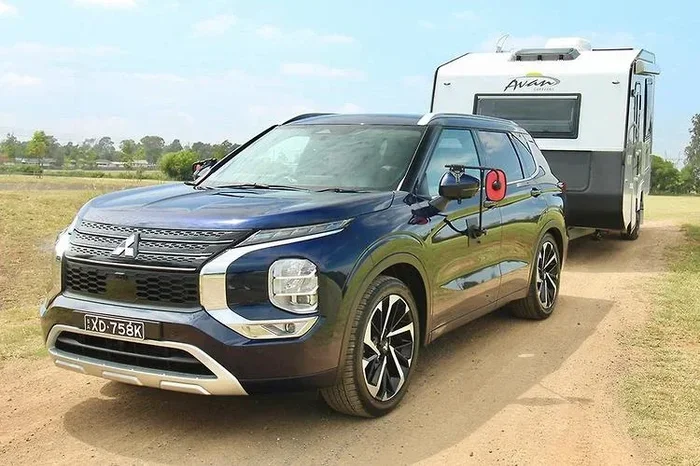
The Mitsubishi Outlander is a capable compact SUV that can tow a camper, but the answer depends on your model year, engine type, and the camper weight. Most Outlander variants offer a towing capacity between 1,500 kg and 2,000 kg, making them suitable for lightweight to mid-range trailers. In this guide, we cover everything you need to know about towing a camper with a Mitsubishi Outlander, from capacity limits to essential equipment and safety tips.
Have you ever dreamed of hitting the open road with a camper in tow and wondering if your Mitsubishi Outlander can handle the job? The short answer is yes, but there are important details you need to know before you hitch up and go. Can a Mitsubishi Outlander tow a camper? The answer depends on your specific model, the camper weight, and whether you have the right towing setup. This guide walks you through everything from towing capacity numbers to real-world tips that make the difference between a smooth adventure and a stressful trip.
Many compact SUV owners assume their vehicle can tow anything they find at a dealership. That is not always true. Towing a camper with a Mitsubishi Outlander requires understanding your vehicle’s limits, choosing the right camper, and using proper equipment. Whether you are planning a weekend escape or a cross-country journey, this article gives you the knowledge to tow safely and confidently.
The Mitsubishi Outlander has earned a strong reputation as a reliable family SUV. Its combination of fuel efficiency, spacious interior, and decent towing capability makes it a popular choice among outdoor enthusiasts. But towing is not just about pulling power. It involves safety, legality, and preparation. We will cover all of that and more in this comprehensive guide.
Key Takeaways
- Towing Capacity Varies: The Mitsubishi Outlander towing capacity ranges from 1,500 kg to 2,000 kg depending on the model and trim level.
- Braked vs. Unbraked Matters: Most Outlander models support braked towing, which significantly increases the safe towing limit.
- Right Equipment Is Essential: A proper tow bar, wiring harness, and weight-distribution system are critical for safe camper towing.
- Not All Campers Fit: Lightweight pop-up campers and small trailers work best with the Outlander’s towing capacity.
- Safety Comes First: Proper loading, weight distribution, and driving adjustments are key to safe towing with an Outlander.
- Check Your Specific Model: Always refer to your owner’s manual for the exact towing specs of your Mitsubishi Outlander variant.
- Regular Maintenance Helps: Keeping your Outlander well-maintained ensures reliable performance when towing a camper on long trips.
📑 Table of Contents
- Understanding the Mitsubishi Outlander Towing Capacity
- Can You Actually Tow a Camper with an Outlander?
- Towing Equipment You Will Need
- Safety Tips for Towing a Camper with an Outlander
- Real-World Experiences and What Owners Say
- Common Mistakes to Avoid When Towing a Camper
- Quick Tips for a Smooth Towing Experience
- Conclusion
Understanding the Mitsubishi Outlander Towing Capacity
What Is the Outlander’s Towing Capacity?
The Mitsubishi Outlander towing capacity varies by model year and trim level. Most recent generations of the Outlander can tow between 1,500 kg and 2,000 kg when properly equipped. This range makes the Outlander suitable for lightweight campers, pop-up trailers, and small caravan setups.
Here is a quick breakdown of what different Outlander variants can typically handle:
- Outlander 2WD: Towing capacity around 1,500 kg to 1,600 kg for braked trailers.
- Outlander 4WD: Slightly higher capacity, often around 1,800 kg to 2,000 kg when braked towing is involved.
- Outlander PHEV (Plug-in Hybrid): Towing capacity is generally lower due to the hybrid powertrain, usually around 1,500 kg.
These numbers are approximate and can vary based on market, model year, and specific trim. Always check your vehicle’s owner manual or consult your local Mitsubishi dealer for the exact towing capacity kg rating. Exceeding the rated limit can damage your vehicle and compromise safety on the road.
Braked vs. Unbraked Towing Explained
When discussing camper trailer towing, you will hear the terms “braked” and “unbraked” frequently. A braked trailer has its own braking system that activates when the towing vehicle slows down. An unbraked trailer relies entirely on the towing vehicle’s brakes to stop.
Most countries and regions require trailers over a certain weight to have their own brakes. For the Mitsubishi Outlander, the braked towing capacity is significantly higher than the unbraked capacity. Here is a simple comparison:
- Braked Towing Capacity: Typically 1,500 kg to 2,000 kg depending on the model.
- Unbraked Towing Capacity: Usually around 750 kg to 1,000 kg.
As a rule of thumb, always choose a braked trailer setup when towing a camper. The additional braking control makes a huge difference in stopping distance and overall safety. This is especially important when you are carrying gear, food, and water supplies that add significant weight to your trailer.
Can You Actually Tow a Camper with an Outlander?
Types of Campers That Work with the Outlander
Not every camper is a good match for the Mitsubishi Outlander towing capacity. The key factor is weight. Lightweight campers are the best choice for this SUV. Here are the types of campers that generally work well:
- Pop-Up Campers: These lightweight trailers typically weigh between 400 kg and 900 kg, well within the Outlander’s towing limits.
- Small Teardrop Trailers: Compact and aerodynamic, teardrop trailers usually weigh between 450 kg and 1,200 kg.
- Lightweight Caravans: Some small caravans designed for fuel-efficient tow vehicles can fall within the 1,500 kg range.
- Folding Camping Trailers: These are versatile and easy to store, making them a popular choice for Outlander owners.
Larger fifth-wheel trailers or heavy-duty horse floats are generally too heavy for the Outlander. Trying to tow an overweight camper can strain the engine, transmission, and brakes. It also increases the risk of accidents. Always match your camper to the vehicle’s rated towing weight limits before hitting the road.
Weight Considerations You Cannot Ignore
When you are towing a trailer with a Mitsubishi Outlander, the total weight matters more than just the camper’s dry weight. You also need to account for:
- Payload: The weight of people, gear, food, water, and supplies inside the camper.
- Tongue Weight: The downward force the trailer exerts on the tow hitch. This should typically be around 10% of the total trailer weight.
- Payload Capacity of the Outlander: Your vehicle also has a maximum payload limit for passengers and cargo inside the cabin and boot.
Adding up all these weights gives you the gross trailer mass (GTM). If the GTM exceeds the Outlander’s rated towing capacity, you are asking for trouble. Overloading affects handling, braking, and fuel economy. It can also void your vehicle warranty in some cases.
Towing Equipment You Will Need
Choosing the Right Tow Bar for Your Outlander
A towing hitch is the most important piece of equipment for campervan towing with a Mitsubishi Outlander. Not all tow bars are the same, and choosing the right one makes a big difference in safety and convenience.
Here is what to look for when selecting a tow bar:
- Vehicle-Specific Fitment: Buy a tow bar designed specifically for your Outlander model year. Generic tow bars may not align properly with the chassis mounting points.
- Weight Rating: Ensure the tow bar is rated for at least the same weight as your camper’s fully loaded weight.
- Removable vs. Fixed: Removable tow bars are more convenient for everyday driving. Fixed tow bars offer a more permanent setup but add weight when not in use.
- Seven-Pin Socket: Make sure the tow bar includes or is compatible with a seven-pin electrical socket for trailer lighting.
Popular tow bar brands that fit the Mitsubishi Outlander include Westfalia, Bosal, and Witter. Have your tow bar professionally installed to ensure proper alignment and electrical connections. A poorly installed tow bar can cause dangerous sway or damage to the vehicle’s rear bumper.
Wiring and Lighting Setup
Proper wiring is not optional when you are towing a camper. Your trailer needs functioning brake lights, turn signals, and tail lights. Most modern Mitsubishi Outlander models come with a pre-wired towing harness, but older models may need an aftermarket wiring kit.
Here are the essential wiring components you need:
- Seven-Pin Trailer Socket: This handles all lighting functions and is the standard for most campers and caravans.
- Wiring Harness Adapter: Connects the vehicle’s electrical system to the trailer socket without cutting into the factory wiring.
- Sway Control: An optional but highly recommended add-on that helps prevent trailer sway caused by crosswinds or uneven road surfaces.
Test all lights before every trip. A burnt-out trailer brake light is a serious safety hazard and can also result in a traffic fine. Keep spare bulbs in your vehicle at all times.
Safety Tips for Towing a Camper with an Outlander
Loading and Weight Distribution
How you load your camper matters just as much as how much it weighs. Poor loading can cause dangerous sway, reduced braking performance, and uneven tire wear. Follow these towing safety guidelines:
- Heavy Items Low and Forward: Place the heaviest gear near the axle and as low as possible to keep the center of gravity stable.
- Distribute Weight Evenly: Avoid loading all your gear on one side. This causes the trailer to pull to one direction and makes steering difficult.
- Secure Everything: Use straps, bungee cords, and storage bins to prevent items from shifting during transit.
- Check Tire Pressure: Both the Outlander’s tires and the camper’s tires should be at the correct pressure before every trip.
Many towing accidents happen because the load was not properly secured. Take a few extra minutes to double-check everything before you leave the driveway. It is a small effort that can save you from a major problem on the highway.
Driving Tips for Towing
Driving a Mitsubishi Outlander with a camper in tow feels different from driving without a trailer. You need to adjust your driving habits to account for the extra weight and length. Here are some practical tips:
- Increase Following Distance: The added weight means longer braking distances. Leave at least four seconds of following distance instead of the usual two.
- Use Lower Gears on Hills: Downshift before going downhill to use engine braking. This reduces strain on your brakes and prevents overheating.
- Take Wider Turns: The trailer adds length to your turning radius. Swing out wider on turns to avoid clipping curbs and other vehicles.
- Avoid Sudden Maneuvers: Smooth steering and gradual acceleration keep the trailer stable and reduce the risk of jackknifing.
- Pull Over Frequently: On long trips, stop every couple of hours to check the trailer lights, tire pressure, and load security.
These driving adjustments might feel unusual at first, but they quickly become second nature. The most important thing is to stay calm and avoid sudden movements. Your Outlander handles well, but it is still working harder with a camper in tow.
Real-World Experiences and What Owners Say
What Outlander Owners Report About Towing
Many Mitsubishi Outlander owners regularly tow campers for weekend getaways and extended vacations. The general consensus is positive, with most owners reporting a comfortable and confident towing experience. The Outlander’s 4WD towing capability gives owners peace of mind when driving on unsealed roads or in wet conditions.
Common positive feedback includes:
- Good Fuel Economy: Even with a camper in tow, owners report reasonable fuel consumption for a vehicle of this size.
- Stable Handling: The Outlander’s suspension and chassis design help keep the towed camper stable on highways.
- Easy to Hitch: The tow bar setup is straightforward, and many owners appreciate the step-by-step instructions in the manual.
- Reliable Performance: The 4-cylinder engine provides enough power for most lightweight to mid-range camping setups.
Some owners note that the Outlander feels underpowered when fully loaded with a heavy camper on steep mountain roads. This is a valid concern, and it reinforces the importance of staying within the recommended towing capacity limits.
Expert Recommendations for Outlander Towing
Automotive experts generally agree that the Mitsubishi Outlander is a solid choice for towing a camper within its rated limits. Here is what towing specialists recommend:
- Get a Professional Tow Bar Installation: DIY installation can save money, but professional fitting ensures safety and compliance with local regulations.
- Invest in a Weight Distribution Hitch: If you are towing near the upper limit of your Outlander’s capacity, a weight distribution system helps balance the load and improves stability.
- Install a Trailer Brake Controller: Some Outlander models support electric trailer brakes. A brake controller gives you independent control over the trailer’s braking system.
- Regular Servicing: Towing puts extra stress on your vehicle. Follow the recommended service schedule and pay extra attention to the brakes, transmission fluid, and suspension components.
Experts also emphasize the importance of understanding towing regulations in your area. Different states, provinces, and countries have varying laws about maximum towing weights, speed limits for towing vehicles, and required safety equipment. Familiarize yourself with these rules before your first trip.
Common Mistakes to Avoid When Towing a Camper
Even experienced drivers make mistakes when they are new to camper towing. Avoiding these common errors can save you from costly repairs, dangerous situations, and unnecessary stress:
- Exceeding the Towing Capacity: This is the number one mistake. Always stay within the rated limit, even if the camper “looks light enough.”
- Ignoring Tongue Weight: Too much or too little tongue weight causes instability. Aim for 10% of the total trailer weight on the hitch.
- Skipping the Pre-Trip Inspection: Check the hitch, lights, tires, and straps before every single trip. Do not assume everything is still secure from the last time.
- Overloading One Side: Uneven loading causes the trailer to lean and sway. Distribute weight evenly from side to side.
- Not Using the Right Gear: On steep inclines, use a lower gear. On descents, use engine braking. Do not ride the brakes or you risk overheating and failure.
- Forgetting About Payload: The Outlander has a maximum payload for passengers and cargo inside the vehicle. Add your camper payload to your vehicle payload and make sure you do not exceed the combined limit.
Every one of these mistakes is preventable with a little planning and attention to detail. The goal is to enjoy your trip, not to worry about your setup every mile of the way.
Quick Tips for a Smooth Towing Experience
Here are some quick tips to keep in mind for every trip:
- Do a walk-around inspection of both the vehicle and trailer before departure.
- Practice towing in an empty parking lot before hitting public roads.
- Carry a spare tire for both the Outlander and the camper.
- Keep a towing weight checklist on your phone or in the glove box.
- Plan your route to avoid steep grades and rough roads if possible.
- Stay hydrated and take breaks to combat fatigue from the extra concentration towing requires.
Conclusion
So, can a Mitsubishi Outlander tow a camper? Absolutely. With a towing capacity that ranges from 1,500 kg to 2,000 kg depending on the model, the Outlander is well-suited for lightweight to mid-range campers and trailers. The key is understanding your specific vehicle’s Mitsubishi Outlander towing capacity, choosing a camper that stays within those limits, and using the right towing equipment.
Towing a camper with a Mitsubishi Outlander opens up a world of outdoor adventure. From weekend camping trips to extended road trips, this versatile SUV handles the job with confidence when set up correctly. The combination of reliable performance, good fuel economy, and sturdy build quality makes the Outlander a solid choice for camping enthusiasts.
Remember to always prioritize safety. Check your equipment, secure your load, and drive within your limits. With the right preparation and a respect for the vehicle’s capabilities, you and your Outlander can explore more of the world together. Happy trails and safe travels on your next camping adventure.
Frequently Asked Questions
What Is the Maximum Towing Capacity of a Mitsubishi Outlander?
The maximum towing capacity of a Mitsubishi Outlander typically ranges from 1,500 kg to 2,000 kg for braked towing, depending on the model year and trim level. Always refer to your specific vehicle’s owner manual or check with a Mitsubishi dealer for the exact towing capacity kg rating of your Outlander.
Can a Mitsubishi Outlander PHEV Tow a Camper?
Yes, the Mitsubishi Outlander PHEV can tow a camper, but its towing capacity is generally lower than the standard petrol or diesel models. The PHEV variant typically supports braked towing up to around 1,500 kg. Always verify the specific towing specs for your PHEV model before purchasing a camper.
Do I Need a Special Hitch for Towing a Camper with an Outlander?
Yes, you need a vehicle-specific tow bar that is designed for the Mitsubishi Outlander. The hitch should be rated for your camper’s weight and must include a seven-pin electrical socket for proper lighting and brake connections. Professional installation is recommended for the safest setup.
What Size Camper Can a Mitsubishi Outlander Safely Tow?
A Mitsubishi Outlander can safely tow lightweight to mid-range campers that weigh up to its rated towing capacity, typically between 1,500 kg and 2,000 kg. Pop-up campers, small teardrop trailers, and compact caravans are the best matches. Avoid towing heavy fifth-wheel trailers or oversized horse floats that exceed the vehicle’s limits.
Is Towing a Camper with an Outlander Safe on Highways?
Yes, towing a camper with an Outlander is safe on highways as long as you stay within the vehicle’s rated towing capacity and follow proper loading guidelines. Increase your following distance, use lower gears on hills, and avoid sudden maneuvers. Regular maintenance and pre-trip inspections further enhance safety during highway towing.
What Equipment Do I Need Besides a Tow Bar to Tow a Camper?
Beyond a tow bar, you need a seven-pin wiring harness for trailer lights, a weight distribution system for stability, and potentially a trailer brake controller if your camper has electric brakes. Safety chains, proper tire pressure gauges, and a leveling kit are also recommended for a complete and safe towing setup with your Mitsubishi Outlander.
=== SEO TITLE ===
Can a Mitsubishi Outlander Tow a Camper? Explore More
=== META TITLE ===
Can a Mitsubishi Outlander Tow a Camper? Full Guide
=== URL SLUG ===
mitsubishi-outlander-tow-camper