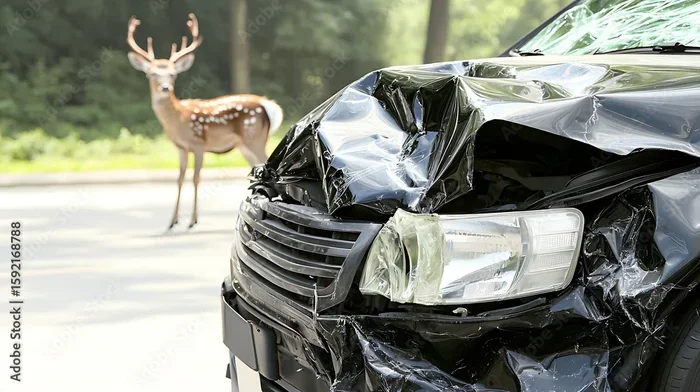
Can Hitting a Deer Total Your Car and Drain Your Wallet
Can hitting a deer total your car? Yes, a deer collision can absolutely total your vehicle and lead to costly repairs. Understanding how deer accidents happen, what insurance covers, and how to stay safe can save you thousands of dollars and a lot of stress. This guide covers everything you need to know about deer collision damage, insurance claims, and deer season safety.
It happens in the blink of an eye. You’re driving down a dark road, and suddenly a deer leaps out in front of you. You slam the brakes, hear a loud thud, and your heart drops. The first question that races through your mind is usually the same: can hitting a deer total your car?
The short answer is yes. A deer collision can absolutely total your vehicle. The damage can be devastating, and the financial impact can hit hard. But understanding what happens, what your insurance covers, and how to handle the aftermath can make a huge difference.
Every year, millions of drivers across the United States experience a deer collision. These wildlife accidents cause billions of dollars in vehicle damage. Whether you live in a rural area or commute through wooded suburbs, the risk is real. Being prepared is your best defense.
This guide breaks down everything you need to know. From the types of damage a deer hit causes to insurance claim tips and safety strategies, we’ve got you covered. Let’s dive in.
Key Takeaways
- Deer collisions can total your car: The impact force from hitting a deer often causes severe front-end and structural damage that exceeds the vehicle’s value.
- Comprehensive coverage is key: Standard collision insurance may not cover deer accidents. You need comprehensive coverage for deer collision claims.
- Costs vary widely: Repair bills from a deer hit can range from a few hundred dollars to over $10,000 depending on the vehicle and damage.
- Deer season increases risk: Most deer collisions happen in fall and early winter, especially at dawn and dusk.
- Quick action matters: Documenting the accident properly and contacting your insurer promptly can speed up the claims process.
- Prevention works: Using high beams, staying alert during peak hours, and respecting deer crossing signs can significantly reduce your risk.
📑 Table of Contents
- What Happens When a Deer Collides With Your Vehicle
- Does Insurance Cover Deer Collisions?
- How Much Does a Deer Collision Cost?
- When Is a Car Considered Totaled?
- How to Reduce Your Risk of a Deer Collision
- What to Do Immediately After Hitting a Deer
- Common Mistakes Drivers Make After a Deer Accident
- Expert Insights on Deer Collision Safety
- Key Takeaways
- Conclusion
What Happens When a Deer Collides With Your Vehicle
When a deer strikes your car, the damage goes far beyond a simple bumper dent. The size and weight of a deer create serious force on impact. Understanding the vehicle damage helps you know what to expect and how to respond.
The Physics of a Deer Collision
A white-tailed deer typically weighs between 100 and 300 pounds. When your car hits one at highway speed, the physics are brutal. The front end absorbs most of the impact energy. This is why front-end damage is so common in deer accidents.
At just 40 miles per hour, the force of hitting a deer equals thousands of pounds of pressure. Your bumper, grille, headlights, and radiator all take a beating. The suspension and steering components can also suffer significant harm.
Common Types of Damage
Here are the most frequent types of deer collision damage you can expect:
- Cracked or shattered headlights: The deer’s body often strikes the front bumper and headlight assembly directly.
- Bent or twisted front bumper: The impact can warp the bumper beyond repair.
- Radiator damage: A punctured radiator leads to coolant leaks and engine overheating.
- Airbag deployment: The sudden deceleration can trigger airbags, adding to repair costs.
- Undercarriage damage: The deer’s legs and hooves can damage the exhaust system and oil pan.
- Windshield cracks: Deer sometimes hit the roof or windshield, especially on smaller vehicles.
- Structural frame damage: In severe cases, the frame or unibody structure can bend or buckle.
Not every deer hit results in total destruction. Minor collisions with smaller deer may only cause cosmetic damage. But when a large deer strikes at high speed, the damage is often extensive.
Does Insurance Cover Deer Collisions?
This is the question every driver asks after a deer accident. The answer depends on your auto insurance policy and the type of coverage you carry.
Comprehensive vs. Collision Coverage
Comprehensive coverage is the key player here. It covers damage from events that are not collisions with other vehicles. A deer accident falls under this category because it’s an at-fault wildlife accident that happens to your car, not a crash with another driver.
Collision coverage pays for damage when your car hits another vehicle or object. However, most insurance companies classify deer collisions under comprehensive coverage, not collision.
Here is a quick comparison:
- Comprehensive coverage: Covers deer collisions, theft, vandalism, fire, and weather damage. This is what you need for a deer accident claim.
- Collision coverage: Covers accidents with other cars, fences, guardrails, and single-vehicle crashes.
- Liability coverage: Covers damage you cause to others. It does not cover your own vehicle damage from a deer hit.
Filing a Claim After a Deer Accident
If you hit a deer, act quickly. Contact your insurance company as soon as possible. Most insurers want you to report the claim within 24 to 48 hours. Here is what the process typically looks like:
- Check your car for damage and make sure everyone is safe.
- Call the police to file an accident report, especially if the damage is significant.
- Document the scene with photos of your vehicle and the road conditions.
- Contact your insurance provider and file a comprehensive claim.
- Get a repair estimate from a licensed auto body shop.
- Wait for the insurance adjuster to assess the damage.
Keep in mind that filing a claim may affect your insurance premium increase. However, comprehensive claims are generally treated more favorably than collision claims because they are not your fault.
How Much Does a Deer Collision Cost?
The auto repair costs after a deer collision can vary dramatically. Several factors determine the final price tag. Understanding these costs helps you prepare financially.
Repair Costs by Vehicle Type
Smaller cars tend to suffer more severe damage from deer collisions because they have less mass to absorb the impact. Here is a rough breakdown:
- Compact cars: $2,000 to $8,000 in repairs. The front-end components are often destroyed.
- Mid-size sedans: $3,000 to $10,000. Headlights, bumper, and radiator damage are common.
- SUVs and trucks: $2,500 to $12,000. The higher bumper may reduce some damage, but the cost can still be high.
- Luxury vehicles: $5,000 to $15,000+. Headlight assemblies and sensors are expensive to replace.
Hidden Costs You Might Not Expect
Beyond the visible repairs, there are hidden costs that add up quickly:
- Rental car expenses: While your car is being repaired, you may need a rental.
- Towing fees: Flatbed towing after a deer accident can cost $200 to $500.
- Deductible payments: Your comprehensive deductible typically ranges from $500 to $1,000.
- Diminished value: A vehicle with a deer accident history may lose resale value.
- Medical bills: If anyone is injured, medical costs can be substantial.
These costs can quickly drain your wallet, which is why many drivers ask, can hitting a deer total your car and drain your wallet? The answer is unfortunately yes.
When Is a Car Considered Totaled?
A vehicle is considered totaled when the repair costs exceed a certain percentage of the car’s actual cash value. This threshold varies by state and insurance company, but it usually falls between 70% and 90%.
The Total Loss Formula
Insurance companies use the total loss formula (TLF) to decide. The formula compares the cost of repairs plus the salvage value against the vehicle’s pre-accident value. If the repair costs exceed the threshold, the car is declared a total loss.
For example, if your car was worth $8,000 before the accident and the repair estimate is $7,500, your insurer will likely declare it totaled. The repair costs are close to or exceed the vehicle’s value.
What Gets Paid When Your Car Is Totaled
If your car is totaled in a deer collision, your insurer pays you the actual cash value of the vehicle. This is the market value just before the accident, not what you originally paid.
You will still owe your deductible. If you have a $500 deductible and the car’s actual cash value is $8,000, you receive $7,500 from the insurer. You can then use that money toward a replacement vehicle.
Keep in mind that if you still owe money on a car loan, the payout might not cover the full loan balance. Gap insurance can help bridge that gap.
How to Reduce Your Risk of a Deer Collision
Prevention is always better than cure. While you cannot eliminate the risk entirely, you can take smart steps to lower your chances of a wildlife accident.
Deer Season Awareness
Deer season typically runs from October through January in most states. During this time, deer are more active, especially at dawn and dusk. Male deer are also more active during the fall mating season, known as the rut.
Be extra cautious during these months. Drive more slowly on roads that pass through wooded areas or open fields. Deer often travel in groups, so if you see one, there are likely more nearby.
Defensive Driving Tips
Here are practical tips to help you avoid a deer crossing accident:
- Use high beams at night: When there is no oncoming traffic, high beams illuminate the road better and help you spot deer earlier.
- Slow down in deer zones: Respect deer crossing signs and reduce your speed in known deer habitats.
- Stay alert during peak hours: Deer are most active between 6 PM and 9 PM and just before dawn.
- Do not swerve abruptly: Swerving can cause you to lose control or hit another vehicle. Brake firmly and stay in your lane.
- Honk your horn: A loud horn blast can sometimes scare deer away from the road.
- Keep your eyes moving: Scan the road and shoulders constantly, especially in rural and wooded areas.
- Maintain your vehicle: Working headlights, brakes, and tires improve your ability to respond quickly.
Quick Tip: Deer are creatures of habit. They tend to use the same crossing spots repeatedly. If you see a deer crossing sign, slow down and stay extra alert in that area.
What to Do Immediately After Hitting a Deer
The moments after a deer collision can be chaotic. Staying calm and following the right steps protects your safety and your insurance claim.
Safety First
Pull over to a safe location and turn on your hazard lights. Check yourself and your passengers for injuries. Do not approach the deer. Even an injured deer can be dangerous and unpredictable.
If your car is not safe to drive, call for roadside assistance or a tow truck. Move to a safe spot away from the road while you wait.
Documenting the Accident
Thorough documentation strengthens your insurance claim. Here is what you should do:
- Take photos of your vehicle damage from multiple angles.
- Photograph the road conditions, lighting, and any deer markings on the road.
- Note the exact location, time, and weather conditions.
- Get contact information from any witnesses.
- File a police report, even if the damage seems minor.
- Write down your own account of what happened while it is fresh in your memory.
Having a detailed accident report and clear photos makes the claims process smoother and faster. Your insurer will appreciate the thorough documentation.
Contact Your Insurance Company
Call your insurance provider as soon as possible. Provide them with all the details and documentation you gathered. Ask about your repair estimate process and whether they have preferred repair shops in your area.
Keep all receipts related to the accident, including towing costs, rental car fees, and any emergency repairs. These may be reimbursable under your policy.
Common Mistakes Drivers Make After a Deer Accident
Avoiding these common errors can save you time, money, and stress after a deer collision.
- Leaving the scene: Always stop and assess the situation. Leaving the scene can have legal consequences.
- Not calling the police: A police report provides official documentation that your insurer needs.
- Delaying the claim: Waiting too long to report can complicate or even void your claim.
- Admitting fault: Do not admit fault at the scene. A deer accident is typically not your fault.
- Skipping the inspection: Even if damage looks minor, have a mechanic inspect the vehicle. Hidden damage can cause problems later.
- Ignoring airbag warnings: If airbags deployed, do not drive the car until they are replaced. Driving without working airbags is extremely dangerous.
Expert Insights on Deer Collision Safety
Auto safety experts consistently emphasize that preparation and awareness are your best tools against deer accidents. According to the Insurance Institute for Highway Safety, deer-vehicle collisions peak during the fall months when deer movement increases.
Many modern vehicles now come equipped with advanced safety features like automatic emergency braking and pedestrian detection systems. While these systems are primarily designed for vehicles and pedestrians, some can detect large animals and help reduce the severity of a collision.
Insurance professionals also advise drivers to review their policies before deer season begins. Making sure you have comprehensive coverage in place can save you from significant out-of-pocket expenses.
“The best investment a driver can make is understanding their coverage before an accident happens,” says one experienced auto insurance agent. “Deer collisions are unpredictable, but being financially prepared is not.”
Key Takeaways
- Deer collisions can total your car: The impact force from a deer hit often causes severe front-end and structural damage that exceeds the vehicle’s value.
- Comprehensive coverage is essential: Standard collision insurance may not cover deer accidents. You need comprehensive coverage for a successful claim.
- Repair costs vary widely: Bills can range from a few hundred dollars for minor damage to over $10,000 for severe collisions.
- Deer season raises the risk: Most deer collisions happen in fall and early winter, especially at dawn and dusk.
- Quick action matters: Documenting the accident properly and contacting your insurer promptly can speed up the claims process significantly.
- Prevention saves money: Using high beams, staying alert during peak hours, and respecting deer crossing signs can dramatically reduce your risk.
- Know your policy: Understanding your coverage limits, deductible, and claim process before an accident occurs puts you in a much stronger position.
Conclusion
Can hitting a deer total your car? The answer is a clear yes. The damage from a deer collision can be severe, the costs can be staggering, and the experience can be deeply stressful. But knowledge is your greatest asset in these situations.
By understanding how deer accidents happen, what your insurance covers, and how to prevent them, you put yourself in a much stronger position. Comprehensive insurance coverage is your financial safety net. Defensive driving habits are your first line of defense. And quick, smart action after an accident protects both your safety and your claim.
Take the time today to review your auto insurance policy. Make sure you have the right coverage in place before deer season arrives. Share this guide with friends and family who drive through areas with high deer activity. A little preparation now can save you from a major headache later.
Stay alert, drive safely, and remember that no car is worth risking your life for. If you see a deer on the road, slow down and give it space. The deer will move on. Your car and your wallet will thank you.
Frequently Asked Questions
Will my insurance rates go up after a deer collision claim?
In most cases, comprehensive claims for deer collisions do not significantly raise your rates because they are not considered at-fault accidents. However, every insurer is different, and some may apply a small increase. It is always best to check with your provider directly.
What should I do if I hit a deer and the animal is injured?
Do not approach the injured deer. It can be unpredictable and dangerous. Call local animal control or law enforcement to handle the situation safely. Focus on securing your vehicle and documenting the accident.
Does full coverage insurance cover deer damage?
Full coverage typically includes both comprehensive and collision coverage. Deer damage is covered under comprehensive coverage, not collision. If you only have liability coverage, deer damage will not be covered.
How long does it take to process a deer collision insurance claim?
Most comprehensive claims are processed within two to four weeks. The timeline depends on the complexity of the damage, the adjuster’s availability, and how quickly you submit documentation. Having all your photos and reports ready speeds things up.
Are there any car models that handle deer collisions better than others?
Larger vehicles like trucks and SUVs tend to fare better because their higher front ends can deflect some of the impact away from critical components. However, no vehicle is immune to serious damage from a deer collision at highway speeds.
What time of day are deer-vehicle accidents most common?
Deer-vehicle accidents are most common between 6 PM and 9 PM and just before dawn. Deer are most active during these twilight hours. Reducing your speed and staying extra alert during these times can help you avoid a collision.