Can a Bad Thermostat Cause Overheating in Your Car
Can a Bad Thermostat Cause Overheating is an essential topic that provides valuable insights.
Key Takeaways
- Understanding Can a Bad Thermostat Cause Overheating: Provides essential knowledge
📑 Table of Contents
Can a Bad Thermostat Cause Overheating?
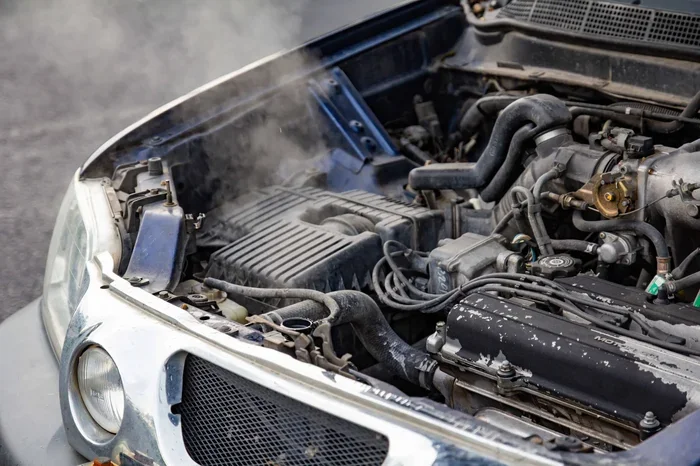
The simple answer is yes. A bad thermostat is one of the top reasons engines overheat. The thermostat is a valve that opens and closes to regulate the flow of coolant between your engine and the radiator. When it stays closed, the coolant cannot reach the radiator to release heat. When it stays open, the engine may never reach the right operating temperature. Both situations are bad news for your car.
How the Thermostat Controls Engine Temperature
Your engine produces a lot of heat during normal operation. The cooling system uses a mixture of water and antifreeze coolant to absorb that heat and carry it away. The thermostat acts like a gatekeeper. When the engine is cold, the thermostat stays closed so the coolant circulates only through the engine. This helps the engine warm up quickly. Once the engine reaches its ideal temperature, usually around 195 to 220 degrees Fahrenheit, the thermostat opens and lets coolant flow to the radiator.
If the thermostat gets stuck in the closed position, the coolant stays trapped in the engine. Heat builds up with nowhere to go. That is when you start seeing the temperature gauge climb into the red zone. Even a slightly stuck thermostat can cause problems over time, especially during hot weather or heavy traffic.
Why Thermostat Failure Leads to Overheating
When a thermostat fails, it usually fails in one of two ways. It either gets stuck closed or stuck open. A thermostat stuck closed is the most dangerous for overheating. The coolant cannot flow to the radiator, and the engine temperature spikes rapidly. A thermostat stuck open is less likely to cause overheating, but it keeps the engine from reaching the proper operating temperature. This can lead to poor fuel economy, increased emissions, and even heater problems in cold weather.
Over time, the thermostat wax element inside the unit wears out. The thermostat housing can also corrode or develop leaks. Any of these issues can interrupt the delicate balance of your engine cooling system and cause the engine to run too hot.
Common Symptoms of a Failing Thermostat
Spotting the early warning signs of a bad thermostat can help you avoid a major repair. The sooner you catch the problem, the less damage it can do. Here are the most common symptoms to watch for.
High Temperature Gauge Reading
The most obvious sign is a temperature gauge that climbs into the red zone. If your temperature gauge shows the engine is running hotter than normal, the thermostat could be the culprit. Keep an eye on the gauge, especially during stop-and-go driving or on hot days. A sudden spike is a red flag you should not ignore.
Temperature Warning Light on the Dashboard
Modern cars have a temperature warning light that illuminates when the engine gets too hot. If this light comes on, pull over safely and turn off the engine. Continuing to drive with an overheating engine can cause severe engine damage, including warped cylinder heads or a blown head gasket. A stuck thermostat is one of the most common reasons this warning light activates.
Heater Not Working Properly
Did you know your car’s heater relies on the same coolant flow that keeps your engine cool? If the thermostat is stuck open, the engine may never get warm enough to produce heat. You might notice cold air blowing from the vents even on cold mornings. On the flip side, a stuck-closed thermostat can cause the heater to blow extremely hot air. Both situations point to a thermostat problem.
Coolant Leaks Near the Thermostat Housing
A failing thermostat can develop leaks around the thermostat housing. You might see green, orange, or pink fluid pooling under your car. Coolant leaks reduce the amount of fluid available to cool the engine, which can quickly lead to engine overheating. If you notice a sweet smell or a puddle under your car, check the coolant level and inspect the thermostat area for leaks.
Unusual Engine Noises
An overheating engine can make knocking, ticking, or gurgling sounds. These noises happen because the coolant is not flowing properly or because the engine metal is expanding from excessive heat. A thermostat malfunction can cause these sounds by restricting coolant flow. Do not ignore unusual engine noises. They are often early warning signs of a bigger problem.
What Happens When a Thermostat Gets Stuck?
A stuck thermostat is one of the most common reasons a car overheats. Understanding what happens inside the engine when the thermostat gets stuck can help you appreciate why quick action matters so much.
Thermostat Stuck Closed
When the thermostat is stuck closed, the coolant cannot escape the engine block. The fluid heats up rapidly but never gets a chance to release that heat through the radiator. Within minutes, the engine temperature can climb past safe limits. The cooling fan may kick on, but it cannot compensate for the lack of coolant flow. In severe cases, the engine can overheat in just a few minutes of driving.
Driving with a stuck-closed thermostat can cause warped cylinder heads, cracked engine blocks, or a blown head gasket. These are expensive repairs that can easily cost hundreds or even thousands of dollars. In the worst cases, the engine may need to be replaced entirely.
Thermostat Stuck Open
A thermostat stuck open is less immediately dangerous, but it still causes problems. The coolant flows continuously through the radiator even when the engine is cold. This prevents the engine from reaching its optimal operating temperature. The result is poor fuel economy, rough idling, and increased wear on engine components. The engine may also run rough because the fuel injection system relies on the correct engine temperature to deliver the right fuel mixture.
Thermostat Stuck Partially Open
Sometimes the thermostat does not fully open or fully close. It gets stuck in a partially open position. This creates inconsistent coolant flow, which can cause the engine temperature to fluctuate. You might notice the temperature gauge moving up and down unpredictably. A partially stuck thermostat can be harder to diagnose, but it still needs to be replaced to protect the engine.
Other Parts That Can Mimic Thermostat Problems
Here is something many car owners do not realize. Several other cooling system components can cause the same symptoms as a bad thermostat. Before you replace the thermostat, it is smart to rule out these other possibilities.
Low Coolant Level
The most common reason for engine overheating is simply not enough coolant. A leak in the radiator, hoses, water pump, or head gasket can drain the system over time. Before assuming the thermostat is at fault, check the coolant reservoir and top it off if needed. If you find yourself adding coolant frequently, you have a leak somewhere that needs attention.
Faulty Water Pump
The water pump is responsible for circulating coolant through the engine and radiator. If the water pump fails, coolant stops moving, and the engine overheats — even with a perfectly working thermostat. Signs of a bad water pump include coolant leaks near the pump, whining noises, and steam coming from the front of the engine.
Radiator Problems
A clogged or damaged radiator cannot release heat effectively. Over time, debris, rust, and old coolant can build up inside the radiator fins. This restricts airflow and reduces cooling efficiency. A radiator flush can sometimes fix the problem, but a severely damaged radiator may need to be replaced.
Broken Cooling Fan
The cooling fan pulls air through the radiator when the car is moving slowly or idling. If the fan motor or fan relay fails, the engine can overheat in traffic or at stoplights. A broken cooling fan is a common cause of overheating that people often mistake for a thermostat issue.
Blown Head Gasket
A blown head gasket can cause overheating and also be a result of overheating. When the head gasket fails, combustion gases can leak into the cooling system, creating air pockets that block coolant flow. This can mimic the symptoms of a stuck thermostat. A head gasket test can help your mechanic determine if this is the real problem.
How to Fix a Thermostat That Causes Overheating
If you have confirmed that your thermostat is the problem, the good news is that replacing it is usually straightforward and affordable. Here is what the process looks like and what you can expect.
Thermostat Replacement Steps
First, make sure the engine is completely cool before you start working. Locate the thermostat housing, which is typically where the upper radiator hose connects to the engine. Remove the hose and unbolt the housing. Take out the old thermostat and clean any residue from the mating surfaces. Install the new thermostat, making sure it faces the correct direction. Replace the housing, reattach the hose, and refill the coolant system with fresh antifreeze.
Thermostat Replacement Cost
The good news is that a thermostat replacement cost is usually quite low. The thermostat itself costs between 10 and 30 dollars for most vehicles. Labor costs vary depending on the car and where you live, but you can expect to pay between 100 and 200 dollars total for the job. This makes thermostat replacement one of the most affordable cooling system repairs you can do.
If you are comfortable working on cars, you can save even more by replacing the thermostat yourself. The job usually takes about 30 to 60 minutes and requires basic tools like wrenches, a screwdriver, and a drain pan. Just make sure you have the right replacement part for your vehicle model and year.
When to Replace the Thermostat Preventively
Most car manufacturers do not list the thermostat as a regular maintenance item, but many mechanics recommend replacing it every 100,000 miles as a preventive measure. If you own an older vehicle or one with high mileage, a proactive replacement can save you from unexpected engine overheating and costly repairs down the road. It is a small investment that can pay off big time.
Preventing Thermostat Failures and Engine Overheating
The best way to deal with a bad thermostat is to prevent one from happening in the first place. Regular maintenance and a few smart habits can keep your cooling system in great shape for years.
Follow the Coolant Flush Schedule
Old coolant loses its effectiveness over time. It can become acidic, which eats away at the thermostat, radiator, and water pump. Follow your owner’s manual for the recommended coolant flush interval, which is typically every 30,000 to 50,000 miles. Fresh coolant keeps the entire system running smoothly and protects all the components from corrosion.
Check Coolant Levels Regularly
Make it a habit to check your coolant level once a month when the engine is cold. Low coolant means there is likely a leak somewhere in the system. Catching a leak early can prevent the thermostat from working overtime and failing prematurely. Keep a bottle of the right coolant type in your trunk for top-offs on the go.
Watch for Early Warning Signs
Do not wait until the temperature gauge hits the red zone to take action. If you notice any of the symptoms we discussed earlier, such as a fluctuating temperature gauge, heater problems, or coolant leaks, have your car inspected right away. Early detection is the key to avoiding major engine damage and expensive repairs.
Use the Right Coolant for Your Vehicle
Not all coolants are the same. Using the wrong type can cause corrosion and damage to the thermostat and other cooling system components. Check your owner’s manual or ask your mechanic which coolant type is recommended for your vehicle. Using the correct coolant helps the entire system last longer and work more efficiently.
Key Takeaways
- A bad thermostat can absolutely cause overheating: When the thermostat gets stuck closed, coolant cannot reach the radiator, and the engine temperature rises rapidly.
- Watch for warning signs early: A high temperature gauge, warning light, heater problems, and coolant leaks are all clues that your thermostat may be failing.
- Thermostat replacement is affordable: The part costs very little, and the total repair usually runs between 100 and 200 dollars including labor.
- Other cooling system parts can cause similar problems: A low coolant level, faulty water pump, broken cooling fan, or clogged radiator can mimic thermostat symptoms.
- Regular maintenance prevents failures: Flushing the coolant on schedule and checking levels monthly can extend the life of your thermostat and entire cooling system.
- Do not ignore overheating: Driving with an overheated engine can cause irreversible damage, including warped heads and blown gaskets. Pull over and seek help immediately.
- Preventive replacement saves money: Replacing the thermostat every 100,000 miles can help you avoid unexpected breakdowns and costly emergency repairs.
Conclusion
The answer to can a bad thermostat cause overheating is a clear and definitive yes. Your thermostat is a small but critical part of the cooling system, and when it fails, the consequences can be serious. Whether it gets stuck closed, stuck open, or starts leaking, a malfunctioning thermostat can cause your engine to run too hot and sustain expensive damage.
The good news is that spotting the warning signs early and acting quickly can make all the difference. A temperature gauge that climbs into the red, a coolant leak under your car, or a heater that stops working are all signals worth investigating. Replacing a bad thermostat is one of the most affordable and easiest repairs you can do, and it can save you from the nightmare of a blown head gasket or a cracked engine block.
Stay on top of your cooling system maintenance. Flush the coolant on schedule, check the levels regularly, and never ignore the signs of an overheating engine. Your thermostat may be small, but it plays a huge role in keeping your car running strong. Take care of it, and your engine will thank you for years to come.
Frequently Asked Questions
How do I know if my thermostat is causing my car to overheat?
Look for signs like a temperature gauge in the red zone, a temperature warning light on the dashboard, heater problems, or coolant leaks near the engine. A simple test is to feel the upper radiator hose after the engine warms up. If it stays cold, the thermostat may be stuck closed and causing the engine to overheat. A mechanic can also test the thermostat with an infrared thermometer to confirm whether it is opening at the right temperature.
Can I still drive my car if the thermostat is bad?
You should avoid driving if you suspect a thermostat malfunction, especially if the engine is already running hot. A stuck-closed thermostat can cause the engine to overheat within minutes, leading to serious and expensive damage. If you must drive a short distance, watch the temperature gauge closely and pull over immediately if it starts climbing into the red zone.
How much does it cost to replace a thermostat?
The thermostat replacement cost is typically between 100 and 200 dollars for most vehicles. The thermostat part itself costs only 10 to 30 dollars, and the rest covers labor. Some luxury or performance cars may cost more, but it is still one of the most affordable cooling system repairs you can get done at a shop or even as a DIY project.
What happens if I ignore a bad thermostat?
Ignoring a failing thermostat can lead to severe engine damage. A stuck-closed thermostat causes the engine to overheat, which can warp cylinder heads, crack the engine block, or blow the head gasket. These repairs cost thousands of dollars and can even total the vehicle. Addressing a bad thermostat early saves you from a much bigger problem down the road.
Can a thermostat cause overheating at highway speeds?
Yes, a stuck-closed thermostat can cause overheating at highway speeds because the coolant still cannot reach the radiator to release heat. At higher speeds, the engine produces more heat, which makes the problem worse. If you notice the temperature gauge climbing on the highway, pull over safely and let the engine cool down before continuing.
How often should I replace my thermostat to prevent overheating?
Most manufacturers do not specify a replacement interval, but many mechanics recommend replacing the thermostat every 100,000 miles as a preventive measure. If you own an older vehicle or notice any cooling system issues, replacing the thermostat proactively can help you avoid unexpected engine overheating and keep your car running reliably.