Can a Sequoia Really Tow as Much as a Tundra Truck
The Toyota Sequoia and Tundra are both powerful Toyota models, but they differ in towing capacity and purpose. The Tundra generally pulls more weight thanks to its truck design and rear-wheel-drive layout. The Sequoia offers a comfortable SUV towing experience with solid capability for most families and trailers.
When you need to haul a boat, a camper, or a heavy trailer, the question often comes down to one thing: which Toyota can tow the most weight? The Toyota Sequoia and the Toyota Tundra are two of the most popular full-size vehicles in the Toyota lineup. Both are strong, capable, and built for serious work. But can a Sequoia tow as much as a Tundra truck? That is the question we are going to answer today.
Towing capacity is not just about raw numbers on a spec sheet. It involves engine power, frame design, axle ratios, and even how you set up your trailer. In this article, we will break down the towing specs of both vehicles, compare them side by side, and help you decide which one fits your towing lifestyle. Whether you are pulling a fifth-wheel camper or a small boat trailer, this guide has you covered.
Key Takeaways
- Tundra wins on raw towing power: The Toyota Tundra can tow up to 10,200 lbs when properly equipped, making it a strong half-ton truck for heavy loads.
- Sequoia holds its own: The Toyota Sequoia tows up to 9,520 lbs, which covers most camper trailers, boats, and utility trailers with ease.
- Engine specs matter: Both trucks share a 3.5L twin-turbo V6, but the Tundra’s towing package and frame design give it an edge.
- Your towing needs decide the winner: If you haul heavy loads regularly, the Tundra is the better choice. For family adventures and moderate towing, the Sequoia shines.
- Payload and hitch matter too: Proper towing setup, including a quality tow hitch and weight distribution, affects real-world performance.
- Maintenance keeps you safe: Regular checks on brakes, transmission, and hitch hardware are essential when towing heavy loads.
📑 Table of Contents
Understanding Towing Capacities: Sequoia vs Tundra
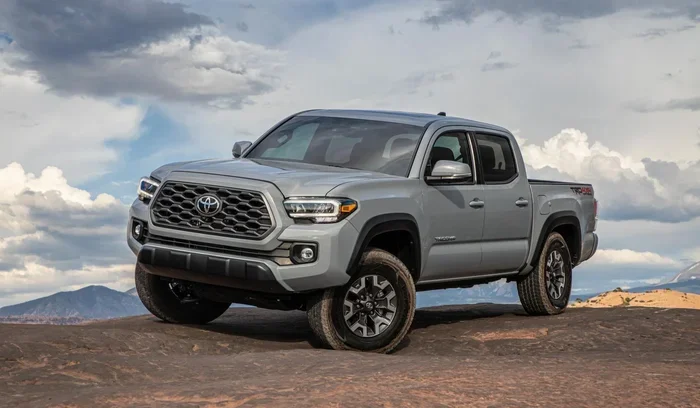
The first thing you need to know is that the Toyota Tundra and Toyota Sequoia share a lot of mechanical parts. Both use the same 3.5-liter twin-turbo V6 engine. That engine produces around 389 horsepower and 479 pound-feet of torque. But the way each vehicle uses that power is very different. The Tundra is a pickup truck built for hauling. The Sequoia is a full-size SUV built for families who also want towing ability.
The Toyota Tundra has a maximum towing capacity of about 10,200 pounds when equipped with the right towing package. The Toyota Sequoia can tow up to 9,520 pounds in its top configuration. That is a difference of roughly 680 pounds. For most towing jobs, that gap does not matter much. But if you are pushing the limits, every pound counts.
What Does Towing Capacity Mean?
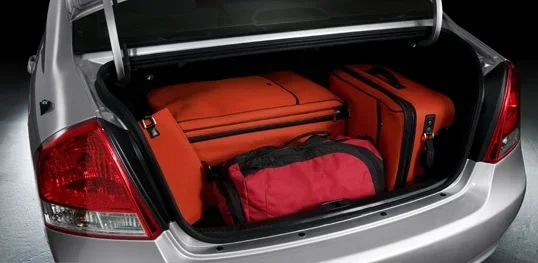
Towing capacity is the maximum weight a vehicle can safely pull behind it. This number includes the weight of the trailer itself plus everything inside it. It is important to understand that towing capacity is not the same as payload capacity. Payload is the weight a vehicle can carry in its bed or cabin. How much weight a regular car can carry is a related but different topic entirely. Towing puts extra stress on the engine, transmission, brakes, and suspension.
The towing capacity number is determined by the manufacturer through rigorous testing. Factors include engine output, axle strength, frame rigidity, and cooling system capacity. Always check the owner’s manual for your specific model year, as towing limits can change between generations.
What Affects Towing Capacity in Full-Size Trucks and SUVs
Several factors determine how much a vehicle can tow. Understanding these will help you make sense of the numbers and choose the right setup for your needs.
Engine Power and Torque
The engine is the heart of towing performance. Both the Sequoia and Tundra use the same 3.5L twin-turbo V6 engine. This engine is a powerhouse. It delivers strong torque at low RPMs, which is exactly what you need when pulling a heavy load from a stop. Torque is what gets the weight moving. Horsepower keeps it moving at speed.
Turbocharging helps both vehicles produce more power without a larger engine displacement. This means better towing efficiency and improved fuel economy compared to older naturally aspirated engines. However, towing still reduces fuel economy significantly, so keep that in mind.
Frame Design and Chassis
The Tundra uses a body-on-frame design typical of pickup trucks. This design is built for heavy-duty work. The frame is stronger and more rigid, which allows it to handle higher towing loads without flexing or twisting. The Sequoia also uses a body-on-frame design, but it is optimized for an SUV platform focused on passenger comfort.
A truck frame is designed to handle repeated heavy loads and towing stress over time. An SUV frame is designed more for carrying passengers and cargo with occasional towing. This difference affects long-term durability when towing heavy loads regularly.
Axle Ratios and Gearing
Axle ratios play a big role in towing. A lower numerical ratio (like 3.73 or 4.10) provides more pulling power at the expense of fuel economy. The Tundra often comes with lower axle ratios in its towing packages. The Sequoia may have slightly higher ratios depending on the trim. These ratios determine how the engine power translates into wheel torque.
Think of it like bicycle gears. Lower gears give you more power to climb hills but make you pedal faster. Higher gears let you cruise efficiently but lack climbing strength. For towing, you want low gears and strong torque delivery.
Towing Packages and Accessories
Both vehicles offer factory towing packages that include upgraded cooling systems, wiring harnesses, trailer sway control, and integrated tow hitches. The Tundra Max Towing Package is one of the most comprehensive in its class. The Sequoia Towing Package adds similar features but is designed for lighter-duty towing scenarios.
Adding accessories like weight distribution hitches, brake controllers, and trailer sway dampeners can significantly improve towing safety and performance. These accessories help distribute the trailer weight evenly across all axles.
Real-World Towing: Sequoia vs Tundra Compared
Let us look at how these two vehicles perform in real-world towing situations. Numbers on paper are one thing. Actual experience is another.
Towing a Boat Trailer
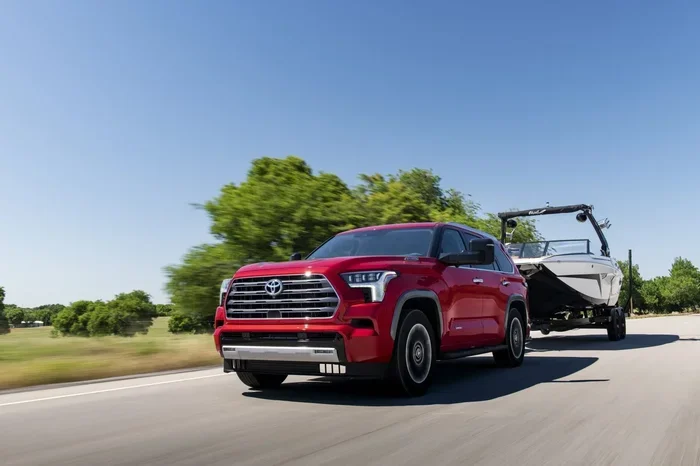
If you are pulling a bass boat or a ski boat, both the Sequoia and Tundra handle this easily. Most bass boats weigh between 1,500 and 3,000 pounds. A Tundra can tow multiple boats with gear without breaking a sweat. A Sequoia can do the same for most recreational boats. In this scenario, the difference is negligible.
One thing to consider is ground clearance. The Tundra sits higher than the Sequoia, which can be helpful when launching boats at ramps. The Sequoia’s lower profile may make it easier to load in some situations. Both vehicles handle well with boat trailers when properly equipped.
Towing a Camper or Travel Trailer
For camping enthusiasts, towing a travel trailer or fifth wheel is a common use case. The Sequoia can comfortably tow most travel trailers weighing up to 9,000 pounds. The Tundra can handle trailers in that range and beyond, up to its 10,200-pound limit.
If you are considering a larger fifth-wheel camper, the Tundra is the better choice. Fifth-wheel trailers often exceed 9,500 pounds, putting them beyond the Sequoia’s towing limit. The Tundra’s truck bed also provides more flexibility for mounting a fifth-wheel hitch setup.
Towing Horse Trailers
Horse trailers are heavy and require careful towing. A loaded horse trailer can weigh anywhere from 5,000 to 12,000 pounds depending on the number of horses and equipment. The Tundra can handle most horse trailers with ease. The Sequoia can manage smaller horse trailers but may struggle with larger, heavier setups.
If you are a rancher or show competitor who regularly hauls horses, the Tundra is the clear winner. Its towing capacity and payload capability are better suited for this demanding use case.
Towing Capacity Comparison Table
| Feature | Toyota Tundra | Toyota Sequoia |
|---|---|---|
| Max Towing Capacity | 10,200 lbs | 9,520 lbs |
| Engine | 3.5L Twin-Turbo V6 | 3.5L Twin-Turbo V6 |
| Horsepower | 389 hp | 389 hp |
| Torque | 479 lb-ft | 479 lb-ft |
| Drive Configuration | RWD / 4WD | 4WD |
| Max Payload | ~2,000+ lbs | ~1,500+ lbs |
| Trailer Sway Control | Standard | Standard |
| Integrated Trailer Brake Controller | Available | Available |
| Best For | Heavy-duty towing | Family towing and recreation |
As you can see from the comparison, the two vehicles are very close in capability. The differences are small enough that most families will not notice them in everyday towing. The Tundra pulls ahead for heavy-duty and commercial towing needs.
Which One Should You Choose for Towing?
Choosing between the Sequoia and Tundra for towing depends on your specific needs, lifestyle, and budget. Here is a simple breakdown to help you decide.
Choose the Tundra If:
- You regularly tow loads over 9,000 pounds
- You need a truck bed for hauling gear, supplies, or equipment
- You tow a fifth-wheel camper or large horse trailer
- You want maximum towing versatility and payload capacity
- You use the vehicle for work-related towing tasks
Choose the Sequoia If:
- You need a comfortable family SUV with strong towing ability
- Your towing needs are mostly recreational (campers, boats, utility trailers)
- You prefer a more refined, comfortable ride on long trips
- You want seating for up to eight passengers with towing capability
- You value luxury features alongside solid towing performance
Both vehicles are excellent choices. The Tundra is a workhorse. The Sequoia is a luxury hauler. Think about what you will be doing most often with your vehicle, and let that guide your decision.
Consider Your Towing Setup
No matter which vehicle you choose, your towing setup matters. A proper hitch, weight distribution system, and brake controller make a huge difference in safety and performance. Just like Can A Subaru Outback Tow A Boat depends on the right setup, your Toyota Sequoia or Tundra needs the correct accessories to perform at its best.
Always verify your vehicle’s towing capacity before purchasing a trailer. Exceeding the maximum towing limit is dangerous and can damage your vehicle. The owner’s manual and the door jamb sticker provide the official towing specifications for your specific model.
Maintenance Tips for Towing with a Toyota
Towing puts extra stress on your vehicle. Regular maintenance becomes even more important when you haul heavy loads. Here are some essential tips to keep your Toyota in top towing shape.
Check Your Fluids Regularly
Transmission fluid, engine oil, and coolant all work harder when you are towing. Change your fluids more frequently if you tow often. Overheating is one of the biggest risks when towing, so keep an eye on your temperature gauge.
Inspect Your Hitch and Wiring
Before every trip, check your hitch connections, safety chains, and wiring harness. A loose hitch or broken wire can cause serious safety issues on the road. Make sure all connections are secure and corrosion-free.
Monitor Tire Pressure and Condition
Properly inflated tires are essential for safe towing. Check tire pressure before every trip, including the spare. Worn tires can reduce traction and increase stopping distances, which is especially dangerous when towing a heavy load.
Brake Maintenance
Your brakes work overtime when towing. Have them inspected regularly and replace pads and rotors as needed. A trailer brake controller also helps reduce wear on your vehicle’s brakes by assisting with stopping power.
Keep Your Weight Within Limits
Never exceed your vehicle’s maximum towing capacity or payload limit. Overloading leads to poor handling, extended braking distances, and potential mechanical failures. How much stuff can I put in my car is a related question, but when towing, you need to account for both the trailer weight and any cargo inside the vehicle.
Final Verdict: Can a Sequoia Tow as Much as a Tundra?
The short answer is no, not exactly. The Toyota Tundra can tow more than the Toyota Sequoia, with a maximum towing capacity of 10,200 pounds compared to the Sequoia’s 9,520 pounds. But the difference is small enough that for most towing situations, both vehicles perform excellently.
If your towing needs fall under 9,500 pounds, the Sequoia is more than capable and offers a more comfortable, family-friendly experience. If you need to tow heavier loads regularly, the Tundra is the better choice thanks to its truck platform and higher payload capacity.
Both vehicles share the same powerful engine and come equipped with modern towing technology like trailer sway control and integrated brake controllers. Either one will serve you well for recreational towing, camping trips, and hauling gear. The key is to match the vehicle to your specific towing needs and always stay within the manufacturer’s recommended limits.
At the end of the day, the Toyota Tundra is the stronger towing machine, but the Toyota Sequoia is the more versatile family hauler. Both are excellent Toyota vehicles that deserve a spot on your shortlist if towing capability matters to you.
Frequently Asked Questions
Can a Toyota Sequoia tow a 30-foot travel trailer?
Yes, a Toyota Sequoia can tow a 30-foot travel trailer as long as the trailer’s total weight stays under 9,520 pounds. Most 30-foot travel trailers weigh between 6,000 and 8,000 pounds when fully loaded, which is well within the Sequoia’s towing limits. Always verify the exact weight of your trailer before hitting the road.
Is the Toyota Tundra better for towing than the Sequoia?
Yes, the Tundra is better for towing due to its higher maximum towing capacity of 10,200 pounds and stronger payload capability. The Tundra’s truck frame and towing package are designed for heavier loads. However, the Sequoia is more than capable for most recreational towing needs.
Does the Toyota Sequoia need a special hitch for towing?
The Sequoia comes with a factory-installed towing hitch in most trims. For heavier loads, a weight distribution hitch is recommended to improve stability and handling. Always use the hitch class and rating that matches your towing needs.
Can a Toyota Tundra tow a boat and a car trailer at the same time?
Towing multiple trailers at once is generally not recommended and may be illegal in many states. The Tundra is designed to tow one trailer at a time within its rated capacity. For safe towing, always follow manufacturer guidelines and local regulations.
How does towing affect fuel economy on a Toyota Tundra or Sequoia?
Towing significantly reduces fuel economy for both vehicles. Expect anywhere from 5 to 10 fewer miles per gallon when towing a heavy load compared to driving without a trailer. The exact reduction depends on trailer weight, speed, road conditions, and wind.
What towing accessories should I buy for my Toyota Sequoia or Tundra?
Essential towing accessories include a weight distribution hitch, trailer brake controller, sway control system, and a proper wiring harness for trailer lights. These accessories improve safety, stability, and handling when towing heavy loads. Investing in quality accessories protects both your vehicle and your trailer.
=== INTERNAL LINKS ===
When planning your towing setup, remember that how much weight a regular car can carry is different from towing capacity. Understanding this distinction helps you choose the right vehicle and accessories. Similarly, how much stuff you can put in your car affects overall vehicle performance, especially when combined with towing a trailer.