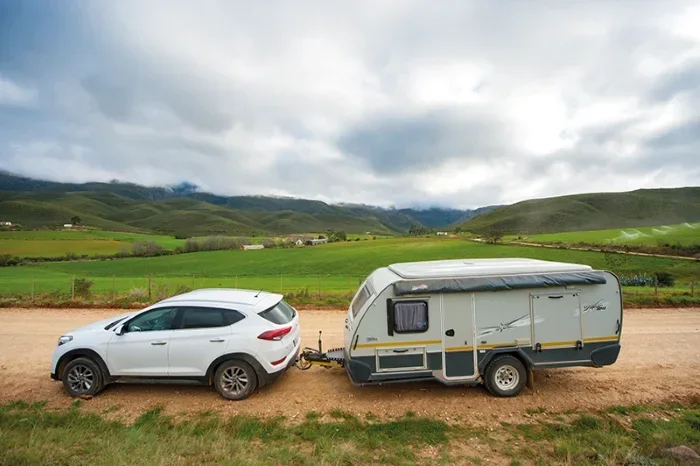
Can a Hyundai Tucson Tow a Camper Is It Really Possible
Yes, a Hyundai Tucson can tow a camper, but the answer depends on your model year, engine, and towing package. The Tucson offers towing capacities ranging from 1,500 to 3,500 pounds depending on the trim and configuration. Understanding your specific Hyundai Tucson towing capacity is essential before you hook up and hit the road.
Have you ever looked at a beautiful campground and thought, “I want to pull up in my Hyundai Tucson and park right there”? The idea of using your daily driver for weekend camping trips is incredibly appealing. But the big question remains — can a Hyundai Tucson tow a camper for real?
The short answer is yes. The longer answer involves understanding your specific model, engine type, and towing setup. In this guide, we walk you through everything you need to know. From towing limits to hitch options, safety tips, and real-world advice, we have you covered. Let us dive in.
A lot of people assume their SUV can handle a small camper without any issues. That assumption can lead to problems on the road. Towing is not just about attaching a trailer and driving. It involves understanding weight limits, hitch compatibility, and vehicle stability. The Hyundai Tucson is a popular compact SUV, and it has proven itself capable in the towing department. But capability has limits, and knowing those limits keeps you safe.
## Understanding the Hyundai Tucson Towing Capacity
Before you buy a camper, you need to know what your Tucson can handle. The Hyundai Tucson towing capacity varies based on several factors. These include the model year, engine type, trim level, and whether you have a factory towing package installed.
### Towing Capacity by Model Year
Different years of the Tucson offer different towing specs. Here is a general breakdown:
- 2016–2018 Tucson: These earlier models typically tow up to 1,500 pounds with the base engine.
- 2019–2021 Tucson: Updated models pushed towing capacity closer to 3,500 pounds when equipped with the proper towing package.
- 2022–2024 Tucson: The latest generations maintain strong towing numbers, with some trims reaching 3,500 pounds.
Always check your owner’s manual or the door jamb sticker for your specific vehicle’s gross vehicle weight rating. This number tells you the maximum safe weight your Tucson can handle, including passengers, cargo, and the camper.
### Gas vs. Hybrid Engine Towing
The Tucson comes in both gas and hybrid versions. The gas engine models generally offer stronger towing numbers. The Hyundai Tucson Hybrid provides excellent fuel economy for daily driving, but its towing capacity may differ slightly.
Quick Tip: If towing is a priority for you, the gas engine version of the Tucson is usually the better choice. The hybrid system adds weight and may slightly reduce towing performance. Always verify the exact tow rating for your specific engine configuration.
## Choosing the Right Hitch for Your Tucson
The hitch you use matters just as much as the towing capacity. A proper hitch ensures your camper stays stable and secure while driving. There are several hitch types to consider for your Tucson.
### Bumper-Mounted Hitches
A bumper hitch is the most common option for the Tucson. It attaches to the rear bumper and provides a simple, lightweight towing solution. Most Tucson models can support a bumper hitch rated for up to 3,500 pounds.
Bumper hitches are easy to install and remove. They work well for small to medium-sized camper trailers. If you plan to tow a lightweight pop-up camper or a small travel trailer, a bumper hitch gets the job done.
### Weight Distribution Hitches
If your camper is closer to the upper limit of your Tucson’s towing capacity, consider a weight distribution hitch. This type of hitch spreads the trailer weight across all four wheels of your vehicle. It improves stability and prevents the rear of the Tucson from sagging under load.
Weight distribution hitches are especially helpful when towing heavier campers. They also improve steering control and braking performance. For the Tucson, this setup makes a noticeable difference on the road.
### Gooseneck and Fifth Wheel Hitches
Gooseneck and fifth wheel hitches are not typical for the Tucson. These hitch types are designed for full-size trucks with heavy-duty towing packages. The Tucson’s frame and suspension are not built for this kind of load distribution.
Stick with bumper or weight distribution hitches for your Tucson camper towing setup. Trying to force a gooseneck hitch onto a compact SUV can damage the vehicle and create unsafe driving conditions.
## Essential Towing Accessories for the Tucson
Towing a camper requires more than just a hitch. Several accessories improve safety, visibility, and overall towing experience. Here are the essentials every Tucson owner should consider.
### Towing Mirrors
Standard side mirrors may not give you full visibility when towing a camper. Towing mirrors extend outward to cover the width of your trailer. They help you see lanes, merge safely, and navigate tight turns.
Clip-on towing mirrors are affordable and easy to install. They attach to your existing mirrors and fold away when not in use. For regular camper towing, investing in a quality set of towing mirrors is a smart move.
### Trailer Brake Controller
If your camper has its own braking system, you need a trailer brake controller. This device syncs the camper’s brakes with your Tucson’s braking system. It ensures both vehicles slow down at the same time.
Without a brake controller, your Tucson’s brakes alone cannot safely stop a loaded camper. This is especially true at higher speeds or on downhill slopes. Most brake controllers install easily behind the dashboard and plug into the vehicle’s wiring harness.
### Wiring Harness and Lighting
Your camper needs functioning tail lights, brake lights, and turn signals. A wiring harness connects your Tucson’s electrical system to the camper trailer. This ensures all lights work properly and keeps you legal on the road.
Plug-in wiring harnesses are simple to install. They connect at the hitch and run to your vehicle’s rear light sockets. Test all lights before every trip to make sure everything works.
## Preparing Your Tucson for Towing
Before you hook up a camper, take time to prepare your Tucson properly. A few simple steps make a big difference in safety and performance.
### Check Tire Pressure
Your Tucson’s tires need proper inflation for towing. Underinflated tires can overheat and fail under the extra load. Check the tire pressure specified in your owner’s manual, which may differ from the normal driving pressure.
Quick Tip: Consider upgrading to tires with a higher load rating if you plan to tow regularly. This small change improves safety and extends tire life.
### Inspect the Suspension
Towing adds significant stress to your vehicle’s suspension. Have a mechanic inspect the shocks, struts, and springs before your first towing trip. Worn suspension components can cause poor handling and increased stopping distance.
### Test the Brakes
Your brakes work harder when towing. Have them inspected and replaced if needed. Fresh brake pads and rotors give you confidence when stopping with a loaded camper behind you.
## Common Mistakes When Towing a Camper with a Tucson
Many Tucson owners make avoidable mistakes when they start towing. Learning from these errors saves money, time, and potentially prevents accidents.
### Overloading the Camper
One of the biggest mistakes is exceeding the towing capacity. Some owners buy a camper that looks small but weighs more than expected. Always check the camper’s dry weight and add the weight of water, propane, and gear before you tow.
If the total trailer weight exceeds your Tucson’s limit, do not tow it. Overloading strains the engine, transmission, and brakes. It also makes the vehicle unstable and dangerous.
### Ignoring Weight Distribution
Improper weight distribution causes swaying, poor handling, and uneven tire wear. If the camper’s weight sits too far back or too far forward, it affects how the Tucson drives. Use a weight distribution hitch and adjust the load so the weight is balanced.
Expert Insight: Aim to have about 60% of the camper’s weight in front of the axle and 40% behind. This distribution improves stability and reduces sway on the highway.
### Skipping the Break-In Period
New Tucson owners sometimes tow immediately after purchasing the vehicle. Most manufacturers recommend avoiding heavy towing during the break-in period, usually the first 500 to 1,000 miles. Check your owner’s manual for specific guidance.
### Neglecting Regular Maintenance
Towing puts extra wear on your vehicle. Oil changes, transmission fluid checks, and brake inspections become even more important. Follow the recommended maintenance schedule and consider shortening intervals if you tow frequently.
## Real-World Towing Experience with the Tucson
Many Tucson owners have successfully towed campers for weekend getaways and cross-country trips. Real-world experience offers valuable insights that spec sheets cannot provide.
### What Owners Say
Tucson owners who regularly tow campers report positive experiences overall. The vehicle handles well at highway speeds, and the ride remains comfortable even with a loaded trailer. Most owners tow pop-up campers, small travel trailers, and lightweight fishing boats.
One common feedback point is that the Tucson feels confident and stable when properly equipped. Owners emphasize the importance of using a weight distribution hitch for campers over 2,500 pounds.
### Fuel Economy When Towing
Towing a camper affects your Tucson’s fuel economy. Expect a noticeable drop in miles per gallon when hauling a trailer. The exact impact depends on camper weight, driving speed, and road conditions.
Plan for more frequent fuel stops on longer trips. Keeping your fuel tank at least half full also helps with overall vehicle stability. Some owners install aftermarket fuel tanks for extended range, but this depends on your specific needs.
## Towing Regulations and Safety Tips
Towing laws vary by state and country. Before you hit the road, familiarize yourself with local regulations. Some states require a special driver’s license for towing above certain weight limits. Others have specific speed restrictions for vehicles towing trailers.
### Speed Limits
Many states impose lower speed limits for vehicles towing trailers. These limits are often 10 to 20 miles per hour below the posted highway speed. Obeying these limits improves safety and reduces strain on your Tucson’s drivetrain.
### Passing and Merging
Towing a camper changes how your vehicle accelerates and handles. Allow extra time and distance when passing other vehicles or merging onto highways. The added weight means your Tucson takes longer to speed up.
### Braking Distance
A loaded camper increases your total stopping distance. Leave more following distance between you and the vehicle ahead. This gives you extra time to react and brake safely.
## How to Choose the Right Camper for Your Tucson
Not all campers are a good fit for the Tucson. Choosing the right camper ensures a safe and enjoyable towing experience.
### Pop-Up Campers
Pop-up campers are an excellent choice for the Tucson. They are lightweight, compact, and easy to tow. Most pop-up campers weigh between 1,000 and 2,500 pounds, well within the Tucson’s towing range.
These campers expand once you arrive at the campsite, providing sleeping space and living area. They are perfect for weekend trips and family camping adventures.
### Small Travel Trailers
Small travel trailers offer more amenities than pop-ups. Look for models in the 1,500 to 3,000 pound range. Popular options include the Scamp trailer, Lance camper, and various teardrop trailers.
Always verify the trailer’s dry weight before purchasing. The dry weight is the weight of the camper without water, gear, or supplies. Add an estimated 200 to 300 pounds for full tanks and supplies.
### Toy Haulers
Toy haulers are heavier and may push the limits of the Tucson’s towing capacity. If you plan to tow a toy hauler, ensure it falls well within your vehicle’s payload capacity. The Tucson’s cargo space and towing setup must handle both the weight and the physical dimensions of the trailer.
## Final Thoughts
So, can a Hyundai Tucson tow a camper? Absolutely. The Tucson is a capable compact SUV that handles towing well when properly equipped and loaded within its limits. The key is understanding your specific model’s towing capacity, choosing the right hitch and accessories, and following safety best practices.
Whether you are heading to a nearby campsite for the weekend or planning a cross-country adventure, the Tucson makes a reliable towing companion. Invest in the right setup, maintain your vehicle, and always respect the weight limits. With the right preparation, your Tucson and your camper will make a great team on the open road.
Start by checking your owner’s manual for your exact tow rating. Then, visit a trusted hitch installer to get the proper equipment fitted. Once your Tucson is set up, you are ready to explore the great outdoors with confidence.
Happy towing, and enjoy the journey ahead.
Key Takeaways
- Towing Capacity Varies: Different Tucson trims and engine options offer different towing limits, typically between 1,500 and 3,500 pounds.
- Towing Package Matters: Equipping your Tucson with the proper towing package significantly improves performance and safety.
- Hitch Type Is Critical: Choosing the right hitch — bumper, gooseneck, or weight distribution — affects stability and load handling.
- Safety Comes First: Using towing mirrors, brake controllers, and proper weight distribution keeps you and your camper safe.
- Fuel Efficiency Drops: Towing a camper reduces your Tucson’s fuel economy, so plan refueling stops accordingly.
- Hybrid vs. Gas Engine: The Tucson Hybrid may offer slightly different towing dynamics compared to the standard gas engine.
- Know Your Camper Weight: Always verify your camper’s dry weight and compare it to your Tucson’s gross vehicle weight rating.
Frequently Asked Questions
What is the maximum towing capacity of a Hyundai Tucson?
The Hyundai Tucson towing capacity ranges from 1,500 to 3,500 pounds depending on the model year, engine type, and whether a towing package is installed. Always check your specific vehicle’s owner manual for the exact number.
Do I need a special hitch for my Hyundai Tucson?
A standard bumper hitch works for most Tucson models. For heavier campers, a weight distribution hitch improves stability and handling. Choose a hitch rated for your camper’s weight and your Tucson’s towing limit.
Can I tow a camper with a Hyundai Tucson Hybrid?
Yes, but the Hyundai Tucson Hybrid may have a slightly different towing capacity compared to the gas engine version. Check your owner’s manual for the specific tow rating of your hybrid model.
Do I need a trailer brake controller for my Tucson?
If your camper has its own braking system, a trailer brake controller is essential. It syncs the camper’s brakes with your Tucson’s brakes for safe and controlled stopping.
How does towing affect Hyundai Tucson fuel economy?
Towing a camper reduces fuel economy significantly. Expect fewer miles per gallon, especially on highways and when climbing hills. Plan for more frequent fuel stops on longer trips.
What type of camper is best for a Hyundai Tucson?
Lightweight campers like pop-up campers, teardrop trailers, and small travel trailers in the 1,500 to 3,000 pound range are the best fit. Always verify the camper’s dry weight stays within your Tucson’s towing capacity.