Can I Take My Hyundai to Any Dealer for Service Today
Yes, you can take your Hyundai to any dealer for service, but your warranty status matters a lot. Understanding the difference between authorized Hyundai dealers and independent shops helps you save money and protect your coverage. This guide covers warranty rules, costs, and practical tips so you can make the best decision for your vehicle.
So you just bought or leased a Hyundai and now you are wondering about service. Maybe you moved to a new city. Or perhaps your regular dealer is too far away. The big question is simple: can I take my Hyundai to any dealer for service? The short answer is yes, but there are important details you need to know first.
Taking your car to the wrong shop could void your warranty. It could also cost you more money than you expected. Understanding your options helps you make smart decisions. This guide covers everything you need to know about Hyundai dealer service and what happens when you choose a different path.
Whether you have a new Hyundai Tucson or a used Sonata, the information here applies to you. We will walk through warranty rules, costs, and practical tips. By the end, you will feel confident about where to take your Hyundai for its next service.
Let us start with the most important topic: your Hyundai warranty and how it connects to dealer service choices.
Key Takeaways
- Warranty Protection: Taking your Hyundai to an authorized dealer keeps your warranty fully intact and simplifies claim processes.
- Legal Rights: The Magnuson-Moss Warranty Act allows you to use any shop as long as you use OEM parts and follow the maintenance schedule.
- Cost Savings: Independent shops can be 30 to 50 percent cheaper than authorized dealers for the same type of work.
- Service Records Matter: Keeping complete service records boosts your vehicle value and protects your warranty claims.
- Certified Pre-Owned Programs: If you own a Hyundai certified pre-owned vehicle, check your warranty terms before choosing a service location.
- Recall Coverage: Authorized dealers are the primary channel for Hyundai recalls and free service campaigns.
- Maintenance Plans: Hyundai maintenance plans offer value but require visits to authorized dealers to redeem.
📑 Table of Contents
- Understanding Hyundai Warranty and Dealer Service Rules
- Can I Take My Hyundai to Any Dealer for Service?
- Pros and Cons of Using Any Dealer for Hyundai Service
- Cost Comparison: Dealer vs. Independent Service
- How to Choose the Right Service Option for Your Hyundai
- Common Mistakes to Avoid When Servicing Your Hyundai
- Final Thoughts on Taking Your Hyundai to Any Dealer for Service
Understanding Hyundai Warranty and Dealer Service Rules
Your Hyundai warranty is the biggest factor in deciding where to take your car for service. The warranty protects you from unexpected repair costs. But it also comes with rules about where you can get work done.
What Does Your Hyundai Warranty Cover?
Every new Hyundai comes with a basic warranty. This typically covers most parts and repairs for three years or 36,000 miles. The powertrain warranty goes further. It covers engine and transmission issues for five years or 60,000 miles. Roadside assistance is included for five years as well.
The warranty also covers Hyundai recalls. If there is a known issue with your vehicle, the authorized dealer must fix it at no cost to you. This is a legal requirement, not a favor. You are entitled to this service regardless of where you usually go for maintenance.
Understanding your Hyundai warranty coverage helps you plan your service visits. It also prevents surprises when you get a repair bill. Read your warranty booklet carefully. It spells out exactly what is covered and what is not.
Why Warranty Terms Matter for Dealer Choice
Here is the critical part. If you take your Hyundai to a non-authorized shop and something goes wrong, Hyundai may deny your claim. They argue that the repair was not done according to their standards. This is why many owners stick with Hyundai authorized dealers for warranty-covered work.
However, the Magnuson-Moss Warranty Act protects consumers in the United States. This federal law says a manufacturer cannot require you to use only their dealers. As long as you use OEM parts and follow the maintenance schedule, your warranty remains valid.
This means you have options. You are not locked into using only Hyundai authorized dealers for every single service. But you do need to be careful about how and where you get work done.
Can I Take My Hyundai to Any Dealer for Service?
The answer depends on what kind of dealer you mean. There is a big difference between an authorized Hyundai dealer and a general auto shop. Both can service your vehicle, but they offer very different experiences.
Hyundai Authorized Dealers vs. Independent Shops
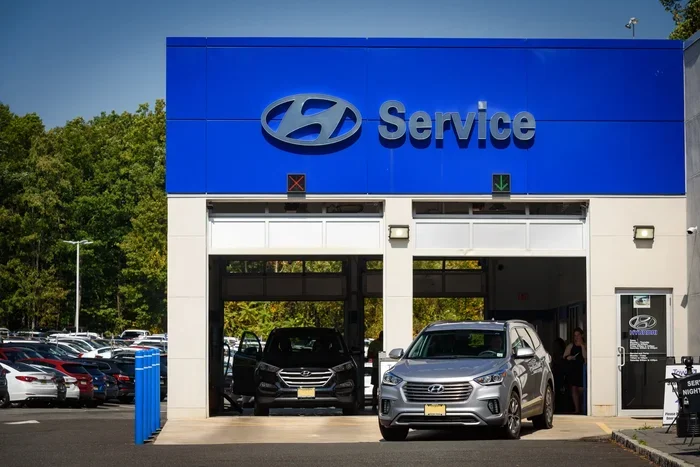
An authorized Hyundai dealer is a dealership that sells and services Hyundai vehicles. These shops employ certified technicians who train specifically on Hyundai models. They use Hyundai diagnostic tools and follow the manufacturer maintenance schedule exactly.
Independent shops are general auto repair businesses. Many of them are highly skilled and experienced. Some even specialize in Korean or Asian vehicles. They often charge less than dealerships. But they may not have the same level of access to Hyundai service records and technical updates.
Here is a quick comparison to help you understand the differences between these service options:
- Authorized Hyundai Dealer: Uses OEM parts, has factory training, access to Hyundai service history, and can handle warranty claims directly.
- Independent Mechanic: Often cheaper, more flexible scheduling, personal relationship with the technician, but may use aftermarket parts.
- Chain Auto Shop: Convenient locations, standardized pricing, but less specialized knowledge about Hyundai-specific systems.
What Happens When You Go to a Non-Authorized Dealer
If you take your Hyundai to a shop that is not authorized by Hyundai, several things can happen. First, your service records may not get uploaded to Hyundai’s system. This matters if you plan to sell or trade in your vehicle later.
Second, if something goes wrong after a non-dealer service, Hyundai might question whether the repair was done correctly. They could deny a warranty claim related to that work. This does not mean your entire warranty is voided. It just means the specific repair in question may not be covered.
Third, some Hyundai service campaigns and technical bulletins only reach authorized dealers. An independent shop might not know about these updates. This could mean missing an important fix or recall notice that could affect your vehicle safety and performance.
Pros and Cons of Using Any Dealer for Hyundai Service
Every service option has strengths and weaknesses. Let us break down what you gain and what you give up when you choose a particular path for your Hyundai car maintenance.
Benefits of Sticking with Authorized Hyundai Dealers
There is a reason many Hyundai owners never look elsewhere for service. The benefits are real and significant.
- Warranty Protection: All work done at an authorized dealer is documented and covered under your warranty. No risk of claim denials.
- Factory-Trained Technicians: These technicians know Hyundai vehicles inside and out. They receive ongoing training on new models and systems.
- OEM Parts Guarantee: Authorized dealers use genuine Hyundai parts. These parts are designed specifically for your vehicle and come with warranties of their own.
- Complete Service History: Every visit gets recorded in Hyundai’s system. This builds a strong vehicle service history that boosts resale value.
- Recall and Campaign Access: You are always the first to know about recalls, technical bulletins, and free service campaigns.
- Roadside Assistance: Authorized dealers can coordinate Hyundai roadside assistance directly. This is especially helpful when you are far from home.
Advantages of Independent Repair Shops
Independent shops are not the enemy. In fact, many Hyundai owners prefer them for routine maintenance once the warranty expires.
- Lower Costs: Independent shops often charge 30 to 50 percent less than dealerships for the same type of work.
- Flexible Scheduling: No need to work around dealership hours or wait for appointments weeks in advance.
- Personal Attention: You build a relationship with the same technicians. They get to know your car and your driving habits.
- Aftermarket Parts Options: Good aftermarket parts can match OEM quality at a lower price. Skilled independent mechanics know which brands to trust.
- Broader Expertise: Some independent shops work on many brands. They bring diverse experience that a single-brand dealer may lack.
Cost Comparison: Dealer vs. Independent Service
Money matters. And when it comes to car service, costs can vary a lot. Let us look at what you can expect to pay in different scenarios.
An oil change at an authorized Hyundai dealer typically costs between 45 and 75 dollars. The same service at an independent shop might run 30 to 50 dollars. That is a noticeable difference over time, especially if you service your vehicle regularly.
For bigger repairs, the gap widens. A brake job at a dealership might cost 300 to 450 dollars. An independent shop could do the same work for 200 to 350 dollars. The parts are often the same. The difference is mostly in labor rates and shop overhead.
But here is the catch. If your car is still under warranty, going to an independent shop can risk your coverage. A denied warranty claim could cost you thousands. So the short-term savings might not be worth it during the warranty period.
Once your warranty expires, independent shops become much more attractive. You can save hundreds of dollars per year on routine maintenance. And most independent mechanics are happy to work on Hyundai vehicles.
Here is a quick look at average service costs for common Hyundai maintenance tasks:
- Oil Change: Dealer 45 to 75 dollars, Independent 30 to 50 dollars
- Brake Pad Replacement: Dealer 300 to 450 dollars, Independent 200 to 350 dollars
- Tire Rotation: Dealer 25 to 50 dollars, Independent 15 to 35 dollars
- Battery Replacement: Dealer 150 to 250 dollars, Independent 100 to 200 dollars
- Air Filter Replacement: Dealer 25 to 40 dollars, Independent 15 to 30 dollars
These numbers can vary based on your location, model, and the specific work needed. Always ask for a written estimate before approving any repair.
How to Choose the Right Service Option for Your Hyundai
Choosing where to service your Hyundai depends on several factors. There is no one-size-fits-all answer. But here is a framework to help you decide.
Consider Your Warranty Status
If your Hyundai is still under the factory warranty, think carefully before choosing an independent shop. You want to protect your coverage. Stick with an authorized Hyundai dealer for any work that could trigger a warranty claim. For simple tasks like oil changes, some owners visit independent shops but keep all receipts and documentation just in case.
Once the warranty expires, you have more freedom. You can choose based on cost, convenience, and trust. Many owners split their service between dealers for major work and independent shops for routine maintenance. This hybrid approach gives you the best of both worlds.
Think About Your Vehicle Age and Mileage
Newer Hyundais with low mileage are best served at authorized dealers during the warranty period. Older vehicles with higher mileage often benefit from the cost savings of independent shops.
If you drive a Hyundai certified pre-owned vehicle, check the terms of the certified warranty. Some certified pre-owned programs require service at authorized dealers. Others give you more flexibility to choose your service provider.
Evaluate Your Local Options
Where you live plays a big role. If there is no Hyundai dealer within reasonable driving distance, you may not have a choice. Many Hyundai owners in rural areas rely on trusted independent mechanics for all their service needs.
In urban areas, you likely have multiple options. You can choose between several authorized dealers and many independent shops. Take the time to research local reviews and ask other Hyundai owners for recommendations. A good mechanic is worth their weight in gold.
Check for Hyundai Maintenance Plans
Hyundai offers maintenance plans that can save you money. These plans often include free scheduled services for the first few years. They can only be used at authorized dealers, but they add real value. If you have a maintenance plan, it makes sense to use it to get the full benefit.
Also check if your vehicle has a service contract or extended warranty. These can influence where you take your car. Some contracts require authorized dealer service to remain valid. Always read the fine print before making a decision.
Common Mistakes to Avoid When Servicing Your Hyundai
Even well-meaning Hyundai owners make mistakes when it comes to vehicle service. Avoiding these pitfalls can save you time, money, and headaches down the road.
Skipping Scheduled Maintenance
Some owners skip services to save money or time. This is a costly mistake. Skipping an oil change can lead to engine damage. Missing a brake inspection can lead to unsafe driving conditions. Always follow the Hyundai maintenance schedule in your owner manual. Your vehicle depends on regular care to perform at its best.
Using the Wrong Parts
Not all parts are created equal. Aftermarket parts vary widely in quality. Using low-quality parts can cause problems that cost more to fix than the original repair. When in doubt, ask your technician about the parts they use and why. A reputable shop will be happy to explain their choices.
Ignoring Service Records
Your service records matter more than you think. When you sell or trade in your Hyundai, buyers want to see a complete maintenance history. Missing records can lower your trade-in value significantly. Keep digital copies of every receipt and service invoice. A well-documented vehicle inspires confidence and commands a higher price.
Not Asking Questions
Too many owners nod along without understanding what is being done. Always ask your technician to explain the work. Ask why a repair is needed and what happens if you delay it. A good service provider welcomes your questions. You have every right to understand what is happening with your vehicle.
Final Thoughts on Taking Your Hyundai to Any Dealer for Service
So, can I take my Hyundai to any dealer for service? Yes, you can. But the smart choice depends on your warranty status, your budget, and your local options.
During the warranty period, an authorized Hyundai dealer gives you the most protection. After the warranty ends, independent shops become a cost-effective alternative. The key is staying informed and making decisions based on your specific situation.
Your Hyundai is a great vehicle. It deserves quality service whether you choose a dealer or an independent shop. The most important thing is to stay consistent with your maintenance routine. Keep up with the Hyundai maintenance schedule, use good parts, and keep detailed records of every service visit.
Take the time to build a relationship with a trusted service provider. Whether that is a Hyundai authorized dealer or a skilled independent mechanic, consistency matters. Your car will last longer, run better, and hold its value higher when it receives proper care.
Now you have the knowledge to make the best decision for your Hyundai. Use it wisely and enjoy the road ahead. Your vehicle will thank you for it.
Frequently Asked Questions
Does taking my Hyundai to a non-authorized dealer void the warranty?
Not automatically. Under the Magnuson-Moss Warranty Act, your warranty stays valid as long as you use OEM parts and follow the maintenance schedule. However, if a repair done elsewhere causes a problem, Hyundai may deny the related warranty claim. Always keep receipts and documentation from any service you receive outside an authorized dealer.
Can I mix dealer and independent service for my Hyundai?
Yes, many Hyundai owners do this. They visit an authorized dealer for warranty-covered work and major repairs. They use independent shops for routine maintenance like oil changes and tire rotations. This approach saves money while keeping your warranty intact. Just make sure all service records are kept regardless of where you go.
Are OEM parts really better than aftermarket parts for Hyundai service?
OEM parts are made by the same manufacturer that built your vehicle. They are designed to exact specifications. Aftermarket parts vary widely in quality. Some are excellent and some are poor. For warranty-covered repairs, OEM parts are the safest choice. For out-of-warranty maintenance, high-quality aftermarket parts from reputable brands can be a smart cost-saving option.
How do I find a reliable independent mechanic for my Hyundai?
Start by asking other Hyundai owners for recommendations. Check online reviews on platforms like Google and Yelp. Look for shops that specialize in Asian or Korean vehicles. Ask the shop if they have experience with your specific Hyundai model. A good mechanic will be upfront about their qualifications and experience.
What should I do if my Hyundai is under recall?
Take your vehicle to an authorized Hyundai dealer immediately. Recalls are fixed at no cost to you. Authorized dealers have the specific parts and technical instructions needed for recall repairs. You can also check for open recalls on the Hyundai website using your vehicle identification number. Do not delay recall repairs as they address safety issues.
Is it worth buying a Hyundai maintenance plan?
It depends on your driving habits and how long you plan to keep the vehicle. Maintenance plans often include free scheduled services for the first three to five years. They can save you money on routine upkeep. However, they require visits to authorized dealers. If you prefer flexibility, you may want to skip the plan and pay for service as needed.