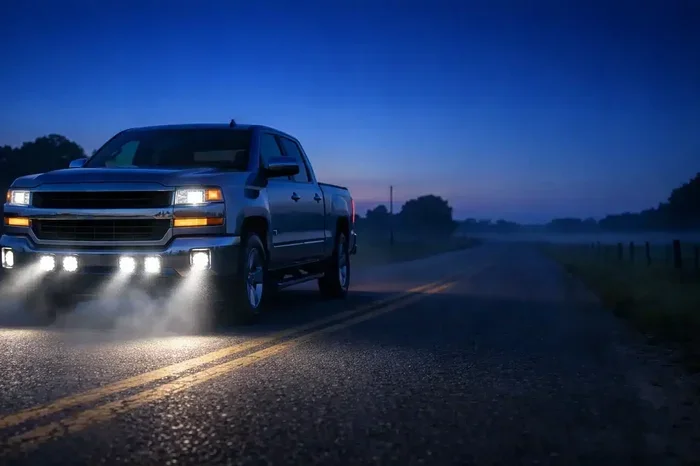
Auxiliary Lights for Cars That Make Night Driving Easier
Auxiliary lights for cars are aftermarket lights that boost visibility and make night driving safer and more comfortable. Whether you drive on dark highways, foggy roads, or rough trails, adding auxiliary lights for cars can significantly improve your driving visibility and overall driving safety. This guide covers types, installation, and buying tips so you can choose the right setup for your vehicle.
Driving at night can be stressful. Dark roads, poor street lighting, and glare from oncoming traffic make every trip a challenge. That is where auxiliary lights for cars come in. These extra lights mount to your vehicle and throw more light down the road. They fill the gaps that factory headlights leave behind.
If you have ever driven a lonely highway after sunset, you know how important good visibility is. Driving visibility is not just about seeing the road. It is about seeing hazards early. It is about feeling confident behind the wheel. Auxiliary lights for cars give you that edge. They make night driving easier, safer, and honestly, more enjoyable.
This guide covers everything you need to know. From the different types of aftermarket lighting to installation steps and common mistakes, we have you covered. Whether you drive a truck, SUV, or sedan, there is a light setup that fits your needs. Let us dive in.
Key Takeaways
- Better visibility: Auxiliary lights for cars light up dark roads far beyond what factory headlights cover.
- Multiple types to choose from: LED light bars, fog lights, spotlights, and cab lights each serve a different purpose.
- Easy installation: Most auxiliary lights for cars can be wired in with basic tools and a little patience.
- Legal considerations matter: Check local laws before adding aftermarket lighting to avoid fines.
- Maintenance keeps them shining: Regular cleaning and wiring checks extend the life of your lights.
- Right fit depends on your needs: Driving style, vehicle type, and road conditions all influence the best choice.
📑 Table of Contents
- Why Auxiliary Lights for Cars Make Night Driving Better
- Types of Auxiliary Lights for Cars
- How to Choose the Right Auxiliary Lights for Cars
- Comparison Table: Types of Auxiliary Lights for Cars
- Installing Auxiliary Lights for Cars: A Step-by-Step Guide
- Common Mistakes to Avoid When Adding Auxiliary Lights for Cars
- Maintenance Tips for Your Auxiliary Lights for Cars
- Frequently Asked Questions About Auxiliary Lights for Cars
- Final Thoughts on Auxiliary Lights for Cars
Why Auxiliary Lights for Cars Make Night Driving Better
Factory headlights are designed to meet basic safety standards. But they often fall short in real-world conditions. Think about fog, rain, unlit back roads, and winding mountain paths. Standard headlight upgrades help, but they do not solve every problem. That is exactly why auxiliary lights for cars exist.
These extra lights expand your field of view. They cut through darkness that regular headlights cannot reach. Here is why they make a real difference:
- Wider road coverage: Auxiliary lights spread light across a broader area, revealing more of the road ahead.
- Better depth perception: Extra light helps your eyes judge distances more accurately at night.
- Reduced eye strain: With more light, your eyes do not work as hard, which reduces fatigue on long drives.
- Faster hazard detection: You spot animals, debris, or potholes sooner when the road is well lit.
- Improved confidence: Feeling more in control makes you a calmer, safer driver.
For anyone who spends time on the road after dark, this is not a luxury. It is a practical upgrade. Driving safety improves when you can see more. And auxiliary lights for cars are one of the simplest ways to achieve that.
Who Benefits Most from Auxiliary Lights?
Almost every driver can benefit, but certain groups gain even more. People who drive on rural roads with no street lights see the biggest improvement. Off-road enthusiasts rely on off-road lighting to navigate trails after sunset. Truck drivers and RV owners often add cab lights and light bars for extra illumination. Even city drivers benefit when dealing with heavy rain or foggy conditions.
Types of Auxiliary Lights for Cars
Not all auxiliary lights for cars are the same. Each type serves a unique purpose. Understanding the differences helps you pick the right setup for your vehicle and driving style.
LED Light Bars
LED light bars are among the most popular forms of aftermarket lighting. They mount on the roof, grille, or bumper and produce a powerful beam. Light bars come in different sizes, from compact single-row bars to wide square designs.
They work great for highway driving and off-road adventures. Most LED light bars use very little power and last thousands of hours. They are durable, energy-efficient, and produce bright white light that closely mimics daylight.
Fog Lights
Fog lights are designed to cut through low-visibility conditions. They sit low on the front of the vehicle and cast a wide, flat beam. This reduces the light reflection that bounces back from fog, rain, or snow.
Many cars come with factory fog lights, but aftermarket versions are often brighter and more effective. If you frequently drive in foggy or rainy areas, adding quality fog lights is one of the best upgrades you can make.
Spotlights
Spotlights focus light into a narrow, long-range beam. They are perfect for seeing far down the road. Unlike flood-style lights, spotlights do not spread light wide. Instead, they reach deep into the darkness.
These are ideal for drivers who travel on dark, open highways. They help you spot obstacles at a much greater distance. However, they work best when paired with a wider beam light for close-range coverage.
Floodlights
Floodlights do the opposite of spotlights. They spread light wide and close. This makes them excellent for seeing the road immediately in front of your car. They are great for urban driving, parking lots, and winding roads.
Many auxiliary lights for cars setups combine floodlights with spotlights. This gives you both width and reach, covering all your lighting needs.
Cab Lights and Interior Lights
Cab lights mount inside the vehicle or on the roof. They illuminate the cabin and the area around the car. These are especially useful for truck owners who need to see around their vehicle when loading or parking in dark areas.
While not as critical as forward-facing lights, cab lights add a layer of convenience and safety. They are simple to install and very affordable.
How to Choose the Right Auxiliary Lights for Cars
Choosing the right auxiliary lights for cars depends on several factors. You need to think about your vehicle, your driving habits, and the conditions you face. Here is a breakdown to help you decide.
Consider Your Driving Conditions
Where do you drive most at night? If it is open highways, you want long-range lights like spotlights or LED light bars. If you drive in fog or rain, fog lights are your best bet. For mixed conditions, a combination setup works well.
Check Your Vehicle Compatibility
Not every light fits every car. You need to consider light mounts and available space. Some vehicles have factory mounting points for auxiliary lights. Others require aftermarket brackets. Always check the light bar mounting options before buying.
Think About Power and Wattage
Light wattage determines brightness. Higher wattage means more light, but it also draws more power from your vehicle. LED lights are the best balance of brightness and efficiency. They produce more light per watt than older halogen or xenon options.
Beam Pattern Matters
The beam pattern affects how light spreads on the road. A spot beam reaches far but is narrow. A flood beam is wide but shorter in range. Some lights offer a combo beam that splits the difference. For most drivers, a combo beam is the most versatile choice.
Budget Considerations
Auxiliary lights for cars range from budget-friendly to premium. You can find decent LED light bars for under $100. High-end setups with multiple lights and controllers can cost several hundred dollars. Set a realistic budget and focus on quality over quantity.
Comparison Table: Types of Auxiliary Lights for Cars
| Light Type | Best For | Beam Range | Price Range |
|---|---|---|---|
| LED Light Bar | Highway and off-road driving | Long and wide | $50 – $500 |
| Fog Lights | Rain, fog, and snow | Short and wide | $30 – $200 |
| Spotlights | Long-range visibility | Long and narrow | $40 – $300 |
| Floodlights | Close-range and urban driving | Short and wide | $25 – $150 |
| Cab Lights | Interior and area lighting | Short | $15 – $80 |
As you can see, each type of auxiliary light for cars has its strengths. The best approach is often a combination. Pairing a light bar with fog lights, for example, gives you full coverage for almost any situation.
Installing Auxiliary Lights for Cars: A Step-by-Step Guide
Installing auxiliary lights for cars is easier than most people think. You do not need to be a mechanic. With basic tools and a little patience, you can do it yourself. Here is a simple walkthrough.
Step 1: Gather Your Tools
You will need a drill (if mounting new brackets), wire strippers, crimp connectors, electrical tape, and a light relay kit. Most auxiliary lights for cars kits come with a wiring harness and relay, so you may not need to buy these separately.
Step 2: Choose Your Mounting Location
Pick a spot that gives the lights a clear view of the road. Common locations include the grille, bumper, roof rack, or fender. Make sure the mount is secure and does not interfere with other parts of the vehicle.
Step 3: Mount the Lights
Attach the brackets and secure the lights in place. Use the provided hardware and tighten everything firmly. Light bar mounting brackets usually include rubber gaskets to keep water out.
Step 4: Wire the Lights
Connect the wiring harness to the lights. Run the wire from the front of the car to the engine bay. Use a light relay to draw power from the battery rather than the factory wiring. This prevents electrical issues and ensures consistent brightness.
Step 5: Install a Switch
Mount an auxiliary switch in a convenient location on the dashboard or steering column. Connect the switch between the relay and the power source. Test the lights to make sure everything works before finishing up.
Quick Tips for Installation
- Always use a relay. It protects your vehicle’s electrical system.
- Seal all wire connections with heat shrink or electrical tape to prevent corrosion.
- Test the lights before fully securing all mounts.
- Keep wires away from moving parts like belts and suspension components.
- Use light covers to protect the lenses from road debris and bugs.
Following these steps ensures your auxiliary lights for cars are installed safely and work reliably for years.
Common Mistakes to Avoid When Adding Auxiliary Lights for Cars
Adding aftermarket lighting is straightforward, but mistakes do happen. Here are the most common ones and how to avoid them.
Skipping the Relay
Some people wire auxiliary lights directly to the factory wiring. This can overload the circuit and blow fuses. Always use a light relay connected directly to the battery. It is the safest and most reliable approach.
Choosing the Wrong Beam Pattern
Not all light beam patterns work for every situation. A spotlight on a foggy road creates glare and reduces visibility. A floodlight on a dark highway does not reach far enough. Match the beam pattern to your primary driving conditions.
Ignoring Local Laws
Some states and countries have strict rules about vehicle lighting and light wattage. Certain colors like blue and red are reserved for emergency vehicles. Bright lights pointed at eye level can also be illegal. Check your local regulations before installing auxiliary lights for cars.
Mounting Lights Too Low or Too High
Mounting height affects the beam pattern on the road. Lights mounted too low may blind you. Lights mounted too high can blind other drivers. Follow the manufacturer’s guidelines for the best mounting height.
Neglecting Wiring Quality
Cheap wires and loose connections lead to flickering lights or electrical shorts. Use quality wiring, proper connectors, and secure all connections. A little extra care during installation saves headaches later.
Maintenance Tips for Your Auxiliary Lights for Cars
Once your auxiliary lights for cars are installed, a little maintenance goes a long way. Proper care keeps them bright and extends their lifespan significantly.
Clean the Lenses Regularly
Dirt, bugs, and road grime build up on light covers and lenses. This reduces brightness and beam quality. Clean your lights with a mild soap and soft cloth at least once a month. For tough buildup, use a plastic-safe cleaner.
Check Wiring Connections
Vibrations from driving can loosen wire connections over time. Periodically inspect all wiring and connectors. Tighten any loose connections and replace any damaged wires immediately.
Replace Damaged Light Covers
Light covers protect the lenses from damage. If a cover cracks or breaks, replace it right away. Without proper protection, moisture can enter the light housing and cause internal damage.
Test Lights After Off-Road Trips
If you use your auxiliary lights for cars off-road, inspect them after every trip. Rocks and debris can crack lenses or shift mounts. Catching damage early prevents bigger problems down the road.
Expert Insight: How to Get the Most from Your Lights
“The biggest mistake drivers make is treating auxiliary lights as set-and-forget,” says automotive lighting expert Mark Jensen. “Like any part of your vehicle, they need regular attention. A quick visual check before every long trip can make a huge difference in performance and longevity.”
Taking five minutes to inspect your lights can prevent unexpected failures when you need them most. A clean, well-maintained light setup performs noticeably better than a neglected one.
Frequently Asked Questions About Auxiliary Lights for Cars
Are auxiliary lights for cars legal?
In most places, yes, but regulations vary by location. Some areas restrict the number of auxiliary lights, their brightness, or their color. Blue and red lights are typically illegal for civilian use. Always check your local and state laws before installing auxiliary lights for cars to stay compliant.
Can I install auxiliary lights myself?
Absolutely. Most auxiliary lights for cars kits come with everything you need, including wiring harnesses, relays, and mounting hardware. Basic tools like a drill, wire strippers, and a screwdriver are all you need. If you can change a tire, you can install auxiliary lights.
What is the difference between LED and halogen auxiliary lights?
LED lights use less power, last longer, and produce brighter, whiter light than halogen bulbs. Halogen lights are cheaper upfront but consume more energy and burn out faster. For most drivers, LED aftermarket lighting is the better long-term investment.
How many auxiliary lights should I install?
It depends on your needs and vehicle size. A single LED light bar works well for most drivers. Two lights provide balanced coverage. Some drivers add four or more for maximum off-road illumination. Start with what you need and expand later if necessary.
Do auxiliary lights for cars drain the battery?
Not significantly if you wire them correctly with a relay. LED lights draw very little power. A properly installed light relay ensures the lights do not strain your vehicle’s electrical system. Even with multiple lights, the impact on your battery is minimal during normal use.
Can auxiliary lights be used in fog?
Yes, but you need the right type. Fog lights are specifically designed for low-visibility conditions. They cast a wide, flat beam that cuts through fog without reflecting back at you. Avoid using spotlights or high-mounted light bars in heavy fog, as they can create glare and reduce visibility.
Final Thoughts on Auxiliary Lights for Cars
Adding auxiliary lights for cars is one of the most practical upgrades you can make. Whether you drive long distances at night, navigate foggy roads, or explore off-trail paths, the right lighting setup changes everything. Your driving visibility improves. Your confidence grows. And your safety on the road increases.
The key is choosing the right type of light for your needs. Consider your driving conditions, your vehicle, and your budget. Follow proper installation steps and maintain your lights regularly. Avoid common mistakes like skipping the relay or ignoring local laws.
Auxiliary lights for cars are not just an accessory. They are a tool that makes you a better, safer driver. The road ahead is dark, but with the right lights, it does not have to be scary. Take the time to find your perfect setup, install it right, and enjoy every nighttime drive with clarity and confidence.