Does Jiffy Lube Change Serpentine Belts And How Much
Yes, Jiffy Lube offers serpentine belt replacement as part of its vehicle maintenance services. The cost typically ranges from $100 to $200, depending on your vehicle model and labor charges. This guide covers everything you need to know about serpentine belt replacement at Jiffy Lube, including pricing, symptoms of a worn belt, and what to expect during the service.
Your car relies on a simple rubber belt to keep everything running smoothly. That belt is the serpentine belt, and it powers your alternator, power steering, water pump, and air conditioning. When it wears out, your vehicle can experience serious problems. Many car owners wonder whether a quick-lube shop like Jiffy Lube can handle the job.
The short answer is yes. But there is much more to know about the process, cost, and timing. In this guide, we will walk through everything you need to know about serpentine belt replacement at Jiffy Lube. We will cover the cost, what the service includes, and how to spot a failing belt before it leaves you stranded. Whether you are looking for belt replacement near me or just want to understand the service better, this article has you covered.
Serpentine belt replacement is one of the most common maintenance tasks at any quick-lube center. The process is straightforward, and most shops can complete it in under an hour. However, the cost and experience can vary depending on your vehicle, location, and the condition of the belt and tensioner. Let us dive into the details so you can make an informed decision.
Key Takeaways
- Jiffy Lube does change serpentine belts: Most locations offer this as a standard maintenance service for a wide range of vehicles.
- Cost ranges from $100 to $200: Pricing depends on your vehicle type, belt condition, and whether additional parts like the tensioner need replacing.
- Service takes about 30 to 60 minutes: The process is quick and straightforward at most Jiffy Lube locations.
- Watch for warning signs early: Squealing noises, visible cracks, and power steering issues all signal a belt that needs attention.
- Regular inspections extend belt life: Simple habits like checking belt tension and keeping the engine clean can add years to your serpentine belt lifespan.
- Not all Jiffy Lube locations offer the same services: Always call ahead or check online to confirm availability at your local center.
📑 Table of Contents
- What Is a Serpentine Belt and Why It Matters
- Does Jiffy Lube Change Serpentine Belts
- How Much Does Serpentine Belt Replacement Cost at Jiffy Lube
- Signs Your Serpentine Belt Needs Replacement
- What Happens During a Serpentine Belt Service at Jiffy Lube
- How to Make Your Serpentine Belt Last Longer
- Serpentine Belt vs Other Engine Belts
- Why Choose Jiffy Lube for Serpentine Belt Replacement
- Final Thoughts on Serpentine Belt Replacement at Jiffy Lube
What Is a Serpentine Belt and Why It Matters
The serpentine belt is a long, winding rubber belt that runs along the front of your engine. It connects several accessories and keeps them spinning. Without it, your car cannot charge its battery, steer easily, cool the engine, or blow cold air.
Most modern vehicles use a single serpentine belt instead of multiple smaller belts. This design is simpler and more efficient. But it also means that when the one belt fails, multiple systems go down at once. That is why staying on top of your drive belt inspection schedule matters so much.
How the Serpentine Belt Works
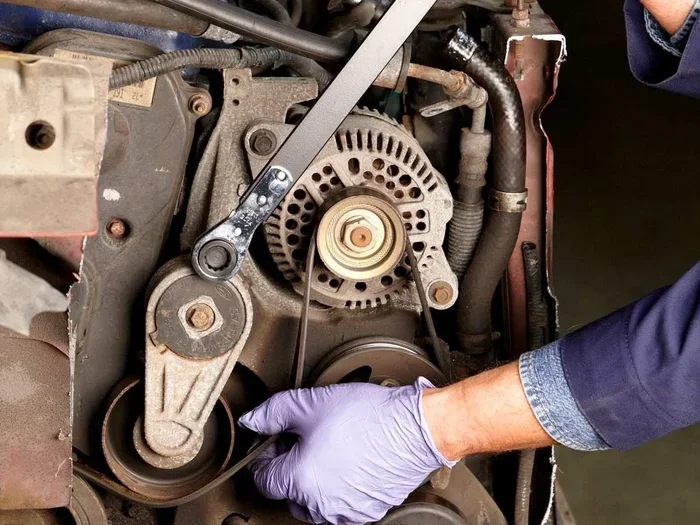
The belt loops around several pulleys connected to different engine accessories. The crankshaft pulley drives the belt, which then transfers power to the alternator, power steering pump, water pump, and air conditioning compressor. A belt tensioner keeps the belt tight so it does not slip.
Think of the serpentine belt as the backbone of your engine’s accessory system. It winds and turns, connecting everything in one continuous loop. When it is working well, you never think about it. When it fails, you will notice it right away.
Common Serpentine Belt Problems
Over time, the rubber belt wears down. Exposure to heat, oil, and dirt speeds up this process. Here are some common problems drivers face:
- Cracking and glazing: The belt surface becomes smooth and shiny, reducing grip.
- Stretching: An old belt loses tension and may slip off the pulleys.
- Tensioner failure: The spring-loaded tensioner can weaken, causing the belt to vibrate or skip.
- Pulley damage: Worn pulley bearings can create noise and accelerate belt wear.
Regular vehicle maintenance schedule checks help catch these issues early. A quick look under the hood can save you from a costly breakdown on the road.
Does Jiffy Lube Change Serpentine Belts
The short answer is yes. Jiffy Lube offers serpentine belt replacement as part of its broad range of vehicle maintenance services. Most Jiffy Lube locations are equipped to handle this common repair for sedans, SUVs, and light trucks.
However, not every single Jiffy Lube location offers the exact same services. Some smaller or older centers may have limited equipment or staffing. Before you visit, it is a good idea to call your local center or check the Jiffy Lube website to confirm they provide serpentine belt replacement.
Jiffy Lube Serpentine Belt Service Overview
When you bring your vehicle to Jiffy Lube for a serpentine belt service, here is what you can generally expect:
- A visual inspection of the belt for cracks, fraying, and wear.
- Check of the belt tensioner and pulleys for proper function.
- Removal of the old belt and installation of a new one.
- Adjustment of belt tension to manufacturer specifications.
- A quick test to ensure the belt is running smoothly.
The service is fast, usually taking about 30 to 60 minutes. Most drivers can get in and out during a lunch break. Jiffy Lube also offers a vehicle inspection that checks other fluid levels, tire conditions, and filters while you are there.
What Vehicles Can Jiffy Lube Service
Jiffy Lube services most makes and models, including domestic and imported vehicles. Common brands they handle include Ford, Chevrolet, Toyota, Honda, Nissan, and many others. The key factor is whether the serpentine belt is easily accessible and whether the parts are standard.
For vehicles with unusual engine layouts or hard-to-reach belts, Jiffy Lube may refer you to a specialized mechanic. But for the vast majority of everyday cars and trucks, Jiffy Lube can handle the job without any problem.
Quick Tips
- Call ahead: Confirm that your local Jiffy Lube offers serpentine belt replacement before you drive over.
- Bring your owner’s manual: It contains the recommended replacement interval for your specific model.
- Ask about bundled services: Jiffy Lube often packages belt replacement with other maintenance tasks at a discount.
How Much Does Serpentine Belt Replacement Cost at Jiffy Lube
Cost is one of the biggest questions drivers have when they need a new belt. Nobody wants to be surprised by a hidden fee. The good news is that Jiffy Lube is generally transparent about pricing, and the cost is reasonable compared to dealerships.
Factors That Affect the Price
Several factors influence the final cost of serpentine belt replacement at Jiffy Lube:
- Vehicle make and model: Some vehicles have more complex belt routing, which increases labor time.
- Belt quality: Jiffy Lube uses quality replacement parts, but premium belts cost more than budget options.
- Tensioner condition: If the tensioner also needs replacing, the total cost goes up.
- Location: Prices can vary by region due to differences in labor rates and overhead.
- Additional services: If you bundle the belt replacement with an oil change or other maintenance, you may save money overall.
Serpentine Belt Cost Breakdown
On average, serpentine belt replacement at Jiffy Lube costs between $100 and $200. This includes both the part and labor. Here is a rough breakdown:
- Serpentine belt part: $25 to $75, depending on the vehicle.
- Labor charges: $50 to $125, based on the time required.
- Tensioner replacement (if needed): $50 to $150 additional.
- Pulley replacement (if needed): $30 to $100 additional.
Compare this to a dealership, where the same service might cost $250 to $400 or more. Jiffy Lube offers a more affordable option without sacrificing quality. Just remember that prices can vary, so it is always smart to get a quote before the service begins.
Signs Your Serpentine Belt Needs Replacement
Knowing the warning signs of a failing serpentine belt can save you from a sudden breakdown. Most belts give clear signals before they completely fail. The key is to pay attention and act early.
Visual Warning Signs
Pop the hood and take a look at your belt. You do not need to be a mechanic to spot obvious problems. Here is what to look for:
- Cracks on the ribbed side: Fine cracks along the grooves of the belt are a clear sign of aging rubber.
- Glazing or shininess: A smooth, shiny surface means the belt has lost its grip and flexibility.
- Fraying or missing chunks: Any visible damage to the belt material is a serious concern.
- Oil or coolant contamination: Fluid leaks can deteriorate the belt quickly and should be fixed right away.
If you notice any of these signs, do not wait. Schedule a drive belt inspection at Jiffy Lube or another trusted shop as soon as possible.
Sounds and Performance Clues
Your ears can also tell you a lot about the health of your serpentine belt. Listen for these sounds:
- Squealing on startup: A high-pitched squeal when you turn the key often means the belt is loose or worn.
- Squealing during turns: This can indicate a slipping belt affecting the power steering pump.
- Grinding noises: This could mean a failing tensioner or pulley bearing, not just the belt itself.
Performance issues are also red flags. If your power steering feels heavy, your air conditioning blows warm air, or your battery keeps dying, a worn serpentine belt could be the culprit. These symptoms happen because the belt is not properly driving all the accessories.
Expert Insights
Many drivers ignore early warning signs because the car still seems to run fine. But a serpentine belt can go from slightly worn to completely broken in a matter of days. Mechanics recommend replacing the belt at the first sign of wear rather than waiting for it to snap. A broken serpentine belt on the highway can leave you stranded and potentially damage other engine components like the water pump.
What Happens During a Serpentine Belt Service at Jiffy Lube
If you have never had a serpentine belt replaced at Jiffy Lube, you might wonder what the process looks like. Here is a step-by-step walkthrough so you know exactly what to expect.
Step-by-Step Belt Replacement Process
- Initial inspection: The technician visually checks the belt and notes any visible wear, cracks, or damage.
- Battery disconnect: For safety, the technician may disconnect the battery before starting work.
- Belt removal: The old belt is carefully taken off the pulleys. The technician notes the routing for proper reinstallation.
- Component check: The tensioner, pulleys, and accessories are inspected for wear or damage.
- New belt installation: The new serpentine belt is routed correctly and seated on all pulleys.
- Tension adjustment: The belt tension is set to the manufacturer’s specifications.
- Testing: The engine is started, and the technician checks that the belt runs smoothly without slipping or noise.
The entire process is clean and efficient. Jiffy Lube technicians are trained to work quickly without cutting corners. Most drivers are surprised at how fast the service is completed.
Quick Tips for the Day of Service
- Arrive with a cool engine: This makes it safer for the technician to work and gives you a more accurate inspection.
- Mention any symptoms: Tell the technician about any squealing, steering issues, or performance problems you have noticed.
- Ask for a belt diagram: Some Jiffy Lube centers will keep a record of your belt routing for future reference.
- Request a multi-point inspection: While you are there, have them check other belts, hoses, and fluid levels.
How to Make Your Serpentine Belt Last Longer
Nobody wants to replace their serpentine belt more often than necessary. The good news is that simple habits can significantly extend the life of your belt. Most serpentine belts last between 50,000 and 100,000 miles, but proper care can push that toward the higher end.
Maintenance Habits That Help
- Keep the engine bay clean: Dirt and debris can accelerate belt wear. A simple wipe-down now and then helps.
- Check belt tension regularly: A belt that is too loose or too tight wears out faster. A quick visual check during oil changes goes a long way.
- Address fluid leaks promptly: Oil or coolant on the belt can cause it to swell and deteriorate quickly.
- Follow the manufacturer’s replacement schedule: Your owner’s manual has specific intervals for serpentine belt replacement. Stick to them.
- Listen to your car: Unusual sounds are early warnings. The sooner you address them, the less damage occurs.
Common Mistakes to Avoid
Here are some mistakes drivers make that shorten the life of their serpentine belt:
- Ignoring small squeals: A minor squeal today can become a broken belt tomorrow.
- Over-tightening the belt: Too much tension stresses the bearings in the alternator and power steering pump.
- Using the wrong belt type: Not all serpentine belts are the same. Always use the correct size and type for your vehicle.
- Skipping tensioner checks: A weak tensioner causes the belt to slip and wear unevenly.
Avoiding these mistakes is one of the easiest ways to save money on repairs and keep your car running smoothly. A little prevention goes a long way.
Serpentine Belt vs Other Engine Belts
Many people confuse the serpentine belt with other belts in the engine. Understanding the difference helps you communicate better with your mechanic and make smarter maintenance decisions.
The most common comparison is between the serpentine belt and the timing belt. The timing belt is hidden inside the engine and syncs the crankshaft and camshaft. The serpentine belt is on the outside and powers accessories. They serve completely different purposes, and neither replaces the other.
Some older vehicles use multiple V-belts instead of a single serpentine belt. These are less common today but still found on some classic cars and trucks. The serpentine belt is more efficient and easier to maintain, which is why it has become the standard in modern vehicles.
Another belt you might hear about is the accessory belt. In most cases, the accessory belt and the serpentine belt are the same thing. The term “accessory belt” simply refers to the belt that drives engine accessories like the alternator and air conditioning compressor.
Why Choose Jiffy Lube for Serpentine Belt Replacement
There are many options for serpentine belt replacement, so why choose Jiffy Lube? Here are some reasons drivers keep coming back:
- Convenience: Jiffy Lube locations are widespread and offer walk-in service with no appointment needed.
- Speed: Most belt replacements take less than an hour, so you are not stuck waiting all day.
- Trained technicians: Jiffy Lube employs certified technicians who are trained on a wide range of vehicle makes and models.
- Transparent pricing: You will know the cost upfront before any work is done.
- Quality parts: Jiffy Lube uses replacement parts that meet or exceed manufacturer standards.
- Additional services: You can combine your belt replacement with other maintenance tasks like oil changes, tire rotations, and fluid top-offs.
Of course, Jiffy Lube is not the only option. Independent mechanics and dealerships also offer serpentine belt replacement. But for most drivers, the combination of speed, convenience, and fair pricing makes Jiffy Lube a strong choice for serpentine belt replacement.
Final Thoughts on Serpentine Belt Replacement at Jiffy Lube
So, does Jiffy Lube change serpentine belts? Yes, absolutely. It is one of the most common services they offer, and the process is fast, affordable, and reliable. Whether you are dealing with a noisy belt, visible cracks, or just staying ahead of maintenance, Jiffy Lube can help.
The cost is reasonable, typically between $100 and $200, and the service usually takes less than an hour. By staying alert to the warning signs and following a regular maintenance schedule, you can keep your serpentine belt in great shape and avoid unexpected breakdowns.
Do not wait until your belt fails to take action. A quick inspection at your local Jiffy Lube center can give you peace of mind and keep your vehicle running smoothly for miles to come. The serpentine belt may be a small part, but it plays a huge role in your car’s daily performance. Take care of it, and it will take care of you.
Frequently Asked Questions
How often should a serpentine belt be replaced?
Most serpentine belts need replacement every 50,000 to 100,000 miles, depending on your vehicle and driving conditions. Check your owner’s manual for the specific recommendation for your model. Regular inspections can help you catch wear before it becomes a serious problem.
Can I drive with a broken serpentine belt?
You should not drive with a broken serpentine belt. It powers essential systems like the alternator, power steering, and water pump. Driving without it can cause engine overheating, loss of steering, and a dead battery. If your belt breaks, pull over safely and call for assistance.
Does Jiffy Lube check the belt tensioner during replacement?
Yes, Jiffy Lube technicians typically inspect the belt tensioner and pulleys as part of the serpentine belt replacement service. If the tensioner shows signs of wear or failure, they will let you know before proceeding with the replacement.
Is serpentine belt replacement covered under warranty?
Serpentine belt replacement is generally considered routine maintenance and is not covered under most vehicle warranties. However, if the belt fails prematurely due to a manufacturing defect, it may be covered. Check your warranty details or speak with a Jiffy Lube service advisor for more information.
What happens if I delay serpentine belt replacement?
Delaying replacement can lead to a sudden belt break, which may cause damage to the alternator, power steering pump, or water pump. A broken belt also leaves you stranded and can result in more expensive repairs than a simple belt replacement. It is best to replace the belt when signs of wear appear.
How can I find my nearest Jiffy Lube location that offers belt replacement?
You can visit the Jiffy Lube website and use their location finder tool. Enter your zip code to see nearby centers and the services they offer. You can also call the location directly to confirm they provide serpentine belt replacement before visiting.
=== CONCLUSION ===
Does Jiffy Lube change serpentine belts? Yes, and at a fair price too. Serpentine belt replacement at Jiffy Lube is a quick, affordable service that keeps your vehicle running safely and efficiently. From the initial inspection to the final test, the process is straightforward and handled by trained professionals.
Remember to watch for warning signs like squealing, cracks, or performance issues. Address them early, and you will avoid bigger problems down the road. Keep up with your vehicle maintenance schedule, and your serpentine belt will serve you well for tens of thousands of miles.
Next time you need a serpentine belt replacement, consider stopping by your local Jiffy Lube. It is convenient, reliable, and won’t break the bank. Your car will thank you for it.