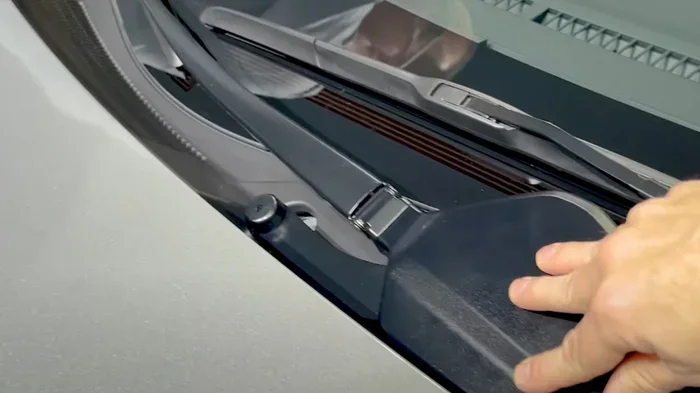
Are Toyota Wiper Blades Good for Your Daily Commute
Are Toyota wiper blades good for your daily commute? Toyota wiper blades offer reliable, quiet wiping and a perfect factory fit. They are an affordable, easy-to-install choice that keeps your windshield clear in most conditions. While they are dependable for everyday use, aftermarket alternatives may provide longer-lasting rubber or advanced features for extreme weather.
Every morning, you turn the key, pull out of the driveway, and face the same question: are your windshield wipers ready for the day? If you drive a Toyota, you might wonder if sticking with Toyota wiper blades is the right move. These factory-made blades come with your vehicle or are available as direct replacements. They promise a perfect fit, quiet operation, and reliable performance. But do they truly stand up to daily wear and tear? In this guide, we’ll explore everything you need to know about Toyota wiper blades for your daily commute.
You’ll learn about their pros and cons, how long they last, and whether aftermarket options might be a better fit. We’ll also look at different types of blades, common mistakes to avoid, and expert tips to keep your visibility crystal clear. By the end, you’ll know exactly whether Toyota wiper blades are good enough for your needs.
Let’s dive in and help you make an informed decision for your Toyota.
Key Takeaways
- Perfect Fit: Toyota OEM wiper blades are engineered specifically for your model, ensuring hassle-free installation.
- Quiet and Streak-Free: They provide smooth, noise-free operation that keeps your windshield clear.
- Decent Durability: Lasting 6 to 12 months, they handle daily commuting well but may wear faster in extreme conditions.
- Affordable: Priced reasonably, they are widely available at dealerships and online.
- Consider Aftermarket for Extreme Weather: All-season or winter blades can offer better performance in heavy snow or ice.
- Easy Maintenance: Simple cleaning and timely replacement keep them working at their best.
📑 Table of Contents
- Are Toyota Wiper Blades Good for Your Daily Commute?
- The Pros and Cons of Toyota OEM Wiper Blades
- How Long Do Toyota Wiper Blades Last and When to Replace Them
- Toyota Wiper Blade Fitments and Types Explained
- Aftermarket Wiper Blades: Are They Better Than Toyota OEM?
- Final Verdict: Are Toyota Wiper Blades Good Enough?
Are Toyota Wiper Blades Good for Your Daily Commute?
The short answer is yes. Toyota wiper blades are designed to meet the specific needs of each Toyota model. They offer a balance of performance, comfort, and affordability. For most daily commuters, they deliver streak-free visibility and quiet operation. But what makes them a solid choice? Let’s break it down.
How Toyota OEM Wiper Blades Perform in Real-World Commutes
Toyota engineers test Toyota wiper blades under various conditions. They check for even pressure across the windshield, resistance to UV rays, and performance in rain, snow, and dust. On your daily commute, you’ll notice they glide smoothly without chattering or skipping. They maintain consistent contact with the glass, which helps prevent streaks. This is especially important during early morning drives when the windshield might have a light mist or pollen buildup.
Many Toyota owners report that their OEM blades last between six and twelve months. That’s a typical lifespan for most wiper blades. If you drive in mild climates, they might even last closer to a year. The rubber compound is designed to resist cracking and tearing, which extends their useful life. For a typical 30-minute commute, you’ll get reliable clearing through light to moderate rain without any fuss.
Noise, Comfort, and Streak-Free Visibility
One of the standout features of Toyota wiper blades is their quiet operation. Unlike some aftermarket blades that squeal or chatter, OEM blades are engineered to minimize noise. They use a sleek frame design that distributes pressure evenly. This means fewer interruptions during your drive, letting you focus on the road.
Streak-free visibility is another big plus. When the blades are new, they leave no streaks or smears. This is crucial for night driving or when you’re dealing with glare from oncoming headlights. Clean glass means better visibility and safer driving. If you notice streaks developing, it’s a sign that it’s time to replace them. A quick wipe with a damp cloth can also help remove surface grime and extend their performance between replacements.
The Pros and Cons of Toyota OEM Wiper Blades
Like any product, Toyota wiper blades have their strengths and weaknesses. Understanding both helps you make the best choice for your situation.
Why Toyota Wiper Blades Are a Reliable Choice
- Perfect Fit: OEM blades are built for your specific Toyota model. No adapters or adjustments needed.
- Easy Installation: Most Toyota wiper blades use a quick-connect system. You can swap them out in minutes without tools.
- Quiet Operation: They are designed to minimize wind lift and noise, providing a smooth wipe.
- Affordable Price: Compared to premium aftermarket brands, OEM Toyota blades are reasonably priced.
- Warranty Coverage: Purchasing from a Toyota dealer often comes with a warranty, giving you peace of mind.
Where They Fall Short Compared to Premium Brands
- Durability in Harsh Climates: In extreme heat or cold, the rubber can degrade faster than high-end aftermarket options.
- Limited Specialty Features: OEM blades may not include built-in rain repellent or heated elements found in some aftermarket blades.
- Availability of Spares: While widely available, you might wait longer for OEM replacements compared to generic blades at a local auto parts store.
Overall, the pros outweigh the cons for most drivers. If you live in a moderate climate and commute daily, Toyota wiper blades are a dependable choice.
How Long Do Toyota Wiper Blades Last and When to Replace Them
Knowing the lifespan of your wiper blades helps you plan replacements and avoid sudden failures. Toyota wiper blades typically last between six and twelve months. However, this can vary based on your driving habits and local weather.
Typical Lifespan and Replacement Schedule
A good rule of thumb is to replace your wiper blades every six months. Many Toyota owners do this twice a year, often in spring and fall. This schedule aligns with seasonal changes. Spring replacements help after winter salt and grime, while fall replacements prepare you for rain and early darkness.
If you notice any of the warning signs before six months, don’t hesitate to replace them early. Waiting too long can lead to scratched windshields, which are costly to repair.
Signs Your Wiper Blades Need Changing
- Streaks and Smears: Visible lines left on the windshield after wiping.
- Chattering or Skipping: The blade lifts off the glass and makes a bouncing sound.
- Squealing Noise: A high-pitched sound during operation indicates worn rubber.
- Cracked or Torn Rubber: Visible damage to the blade edge.
- Reduced Visibility: You find yourself constantly adjusting the wipers to see clearly.
Replacing Toyota wiper blades is simple. Pull the old blade away from the windshield, press the release tab on the connector, and slide the new blade into place until it clicks. Always replace both blades at the same time to ensure even performance.
Expert Insight
Toyota engineers design the blade frame to match the aerodynamic profile of each model, which reduces lift and improves contact pressure. This means better wiping with less effort and less wear on the windshield glass.
Quick Tip
Clean your windshield wiper blades with a damp cloth every time you wash your car. This removes grit and oil that can shorten blade life and cause streaks.
Toyota Wiper Blade Fitments and Types Explained
Toyota uses different wiper blade designs depending on the model and year. Understanding these types helps you choose the right replacement.
Beam Blades vs Conventional Frames
Conventional wiper blades have an exposed metal frame with multiple pressure points. They are the traditional design and work well for most Toyotas. Beam wiper blades, on the other hand, have a sleek, frameless design that contours to the windshield. Many newer Toyota models come with beam blades from the factory. They offer better aerodynamics and quieter operation.
When shopping for replacements, check your owner’s manual or look at the current blade. It will indicate whether you need a conventional or beam style. Using the wrong type can lead to poor contact and streaking. You can also find the correct type by entering your Toyota’s VIN on the manufacturer’s website.
All-Season and Winter Wiper Options for Toyota
Standard Toyota wiper blades are all-season, meaning they handle rain and light snow. However, if you live in an area with heavy snowfall or freezing temperatures, consider winter-specific blades. These blades have a protective boot that prevents ice buildup and keeps the rubber flexible in cold weather.
Some Toyota models offer optional heated wiper blades or rain-sensing wipers. These features are not available on all trims, but they can be a game-changer for winter driving. If you frequently face harsh winters, investing in winter wiper blades can save you from scraping ice manually and keep your visibility clear from the start of your drive.
Aftermarket Wiper Blades: Are They Better Than Toyota OEM?
Aftermarket wiper blades are made by third-party manufacturers. They are not branded by Toyota but are designed to fit various vehicles, including Toyotas. Brands like Bosch, Rain-X, and Michelin offer popular alternatives. Are they better than OEM?
The answer depends on your priorities. Aftermarket blades often use advanced rubber compounds that last longer. Some feature special coatings that repel water and improve visibility. However, they may require adapters to fit the Toyota-specific connector. Quality varies widely, so it’s important to choose reputable brands.
| Feature | Toyota OEM Wiper Blades | Aftermarket Alternatives |
|---|---|---|
| Fitment | Plug-and-play, no adapters | May need adapters; check compatibility |
| Price | Moderate, often $20-$40 per pair | Varies; premium brands cost more |
| Durability | 6-12 months | Up to 18 months with premium brands |
| Noise Level | Quiet, factory-tuned | Can be noisier if low quality |
| Special Features | Standard all-season | Rain repellent, heated options available |
| Availability | Toyota dealerships, online parts store | Auto parts stores, Amazon, retailers |
If you want the best of both worlds, consider a mid-range aftermarket brand that offers OEM-quality fit and enhanced durability. Brands like Bosch Icon or Michelin Stealth are popular choices for Toyota owners looking to upgrade. Always verify the part number and connector type before ordering.
Common Mistakes to Avoid When Replacing Wiper Blades
- Forgetting to replace both blades: Uneven wear leads to streaking on one side.
- Forcing the connector: If it doesn’t slide on easily, you might be using the wrong adapter.
- Running wipers on a dry windshield: This grinds dust into the rubber and shortens blade life.
- Ignoring the windshield condition: A dirty or gritty windshield accelerates blade wear.
Quick Tips for Choosing the Right Wiper Blades
- Check your owner’s manual for the correct size and type.
- Measure both blades separately; they are often different lengths.
- Look for the Toyota part number on the current blade to ensure a perfect match.
- Read reviews from other Toyota owners to gauge real-world performance.
Final Verdict: Are Toyota Wiper Blades Good Enough?
So, are Toyota wiper blades good? Absolutely. They are a reliable, affordable, and convenient choice for daily commuters. They fit perfectly, operate quietly, and deliver streak-free visibility in most conditions. For the average driver, they are more than sufficient.
If you live in an area with extreme weather or want advanced features like rain repellent, aftermarket blades might be worth exploring. However, for most Toyota owners, sticking with OEM blades is a smart, no-nonsense decision. Regular maintenance and timely replacement will keep your windshield clear and your drives safe.
Take a few minutes today to check your wiper blades. A small investment now can save you from poor visibility and potential accidents tomorrow. Your Toyota deserves the best care, and Toyota wiper blades are a great place to start.
Frequently Asked Questions
How often should I replace my Toyota wiper blades?
It’s recommended to replace Toyota wiper blades every six to twelve months. If you notice streaks, chattering, or reduced visibility, replace them immediately. Regular replacement ensures safe driving and prevents damage to your windshield.
Can I use aftermarket wiper blades on my Toyota?
Yes, aftermarket blades can fit Toyota models, but you may need an adapter. Choose reputable brands like Bosch or Michelin to ensure quality and durability. Always check the size and connector type before purchasing.
Are Toyota OEM wiper blades worth the price?
Yes, OEM Toyota wiper blades offer a perfect fit, quiet operation, and reliable performance. They are priced reasonably and come with the assurance of Toyota quality. For most daily commuters, they are the best value.
What is the difference between beam and conventional wiper blades?
Conventional blades have an exposed metal frame, while beam blades are frameless and contour to the windshield. Beam blades are quieter and more aerodynamic, making them a popular choice for newer Toyota models.
Do Toyota wiper blades work well in winter snow?
Standard Toyota wiper blades handle light snow well, but heavy snow and ice may require winter-specific blades. Winter blades have a protective boot that prevents ice buildup and keeps the rubber flexible in freezing temperatures.
How do I install Toyota wiper blades?
Installation is simple and tool-free. Lift the wiper arm away from the windshield, press the release tab on the old blade, and slide the new blade onto the arm until it clicks. Always replace both blades at the same time for even performance.