A Man Driving a Car How to Drive Safely and Confidently
Driving a car safely and confidently is a skill every man can master with the right knowledge and practice. This guide covers everything from basic vehicle controls to advanced safe driving habits that will make you a better driver on any road. Whether you are a new driver or looking to sharpen your skills, these practical tips will help you stay in control and arrive at your destination without worry.
There is something powerful about a man driving a car with confidence and purpose. It is more than just getting from point A to point B. It is about feeling in control, staying safe, and enjoying the journey every time you turn the key in the ignition.
Whether you just got your license or you have been driving for years, there is always room to improve. The roads can be unpredictable, and every trip comes with its own set of challenges. That is exactly why this guide exists. We will walk you through everything you need to know about safe driving, building real confidence behind the wheel, and developing habits that will keep you and others protected on the road.
By the end of this article, you will have a clear roadmap to becoming a better, safer driver. You will learn practical tips, avoid common mistakes, and understand the skills that truly make a difference on the road. Let us get started.
Key Takeaways
- Master the basics: Know your vehicle controls inside and out before hitting the road.
- Build confidence gradually: Start in low-traffic areas and work your way up to busy roads.
- Practice defensive driving: Always expect the unexpected and stay aware of your surroundings.
- Avoid distractions: Keep your phone away and focus entirely on the road ahead.
- Handle all conditions: Learn how to drive safely in rain, fog, and at night.
- Maintain your vehicle: Regular checks keep your car running smoothly and safely.
- Stay calm under pressure: A relaxed driver is a safe driver.
📑 Table of Contents
- Master the Basics of Driving
- Build Confidence on the Road
- Essential Safe Driving Habits
- Handling Different Road Conditions
- Common Mistakes New Drivers Make
- Tips for Long Drives and Highway Driving
- Vehicle Maintenance and Road Readiness
- The Mental Game: Staying Calm and Focused
- Key Takeaways
- Conclusion
Master the Basics of Driving
Before you can drive safely and confidently, you need to feel comfortable with the fundamentals. This means knowing your vehicle and understanding how all the controls work. Skipping this step is one of the biggest mistakes new drivers make.
Get Comfortable Behind the Wheel
Every great driver starts with a strong foundation. Before you drive anywhere, take time to sit in your car and get to know it. Adjust your seat so your feet can comfortably reach the pedals. Your arms should have a slight bend when you hold the steering wheel at the 10 and 2 position.
Make sure your mirrors are properly adjusted. The rearview mirror should give you a clear view of the back window. Side mirrors should reduce blind spots as much as possible. These small adjustments take less than a minute but make a huge difference in your road awareness.
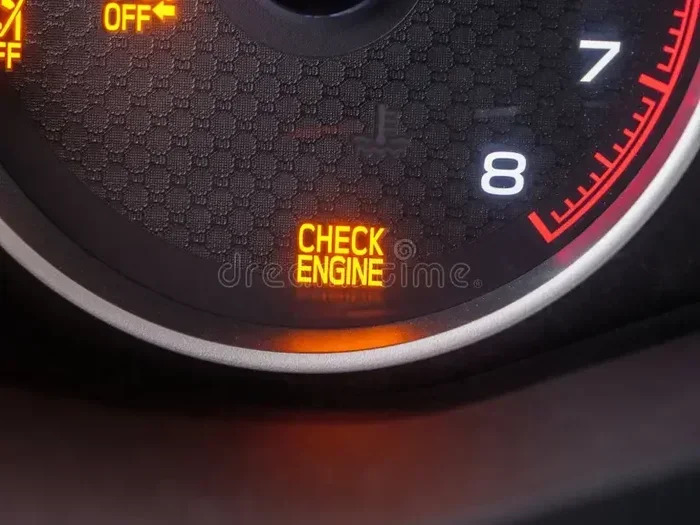
Also, familiarize yourself with the dashboard. Know what each warning light means. If you see a check engine light or a tire pressure warning, you should not ignore it. Understanding your dashboard helps you catch problems early, which is a key part of driver safety.
Understand Your Vehicle Controls
Your car has several controls that you need to operate smoothly. The accelerator, brake, and clutch (if you drive a manual) are the most important ones. Practice using them gently and progressively. Slamming on the accelerator or brake is a habit you want to unlearn early.
Here are the basic controls every driver should master:
- Steering wheel: Turn smoothly and avoid jerky movements.
- Gas pedal: Apply pressure gradually for smooth acceleration.
- Brake pedal: Brake early and gently to avoid sudden stops.
- Turn signals: Always signal before changing lanes or turning.
- Windshield wipers: Use them in rain or low visibility.
- Lights: Know when to use headlights and high beams.
When you know your controls well, you can focus on the road instead of fumbling with buttons and levers. This is one of the first steps toward confident driving.
Build Confidence on the Road
Confidence does not come from being fearless. It comes from experience and preparation. A confident driver knows the rules, trusts their skills, and stays calm even in tricky situations.
Start with Low-Traffic Areas
If you are new to driving, do not jump straight into rush hour traffic. Start in quiet neighborhoods, empty parking lots, or back roads with low traffic. This lets you practice your vehicle control without the stress of heavy congestion.
Once you feel comfortable in low-traffic areas, gradually move to busier streets. Try driving during off-peak hours first. As your skills improve, you can handle busier times and more complex routes. This step-by-step approach builds real, lasting confidence.
Practice Defensive Driving
Defensive driving is one of the most valuable skills you can develop. It means always being aware of what is happening around you and expecting other drivers to make mistakes.
Here are the core principles of defensive driving:
- Keep a safe following distance from the car ahead of you.
- Scan the road constantly, checking mirrors every few seconds.
- Anticipate potential hazards before they become problems.
- Always have an escape route in mind.
- Never assume another driver sees you or will act predictably.
When you drive defensively, you are never caught off guard. You stay one step ahead, which dramatically reduces your risk of accidents. This mindset is the foundation of safe driving habits that last a lifetime.
Essential Safe Driving Habits
Some habits separate safe drivers from risky ones. These small daily choices add up to a big impact on your safety and the safety of others on the road.
Maintain Proper Driving Posture
Your posture affects your comfort, reaction time, and ability to control the car. Sit up straight with your back against the seat. Your hands should rest naturally on the steering wheel, and your feet should reach the pedals without stretching.
Bad posture leads to fatigue, which slows your reaction time. Over long drives, poor posture can also cause back pain and discomfort. Adjust your seat, use lumbar support if needed, and take breaks to stretch during long trips. Good driving posture keeps you alert and in control.
Keep Your Eyes on the Road
This sounds simple, but it is the most important habit you can build. A driver who looks away from the road, even for a second, is a driver who cannot react to danger.
Always look ahead, not just at the car in front of you. Scan the road 20 to 30 seconds ahead. Check your mirrors frequently. Watch for pedestrians, cyclists, and road signs. The more you scan your surroundings, the more aware you become of potential dangers.
Road awareness is what separates a good driver from a great one. It keeps you prepared for anything that comes your way.
Handling Different Road Conditions
Not every drive is the same. Roads change, weather shifts, and conditions can go from clear to challenging in an instant. Knowing how to adapt is what keeps you safe.
Driving in Bad Weather
Rain, snow, fog, and ice all create dangerous driving conditions. When the weather turns bad, you need to slow down and increase your following distance. Wet roads reduce tire grip, which means your car takes longer to stop.
In fog, use your low beams and fog lights. Do not use high beams, as they reflect off the fog and blind you. In snow or ice, drive slowly and avoid sudden movements. Gentle steering, braking, and acceleration are key to maintaining vehicle control on slippery roads.
If the weather becomes too dangerous, pull over safely and wait it out. No trip is worth risking your life. This is a critical part of driver safety that many people overlook.
Night Driving Tips
Driving at night comes with its own set of challenges. Visibility is lower, and other drivers may not use their lights properly. To drive safely at night, make sure your headlights are clean and working correctly.
Reduce your speed and increase your following distance. Be extra alert for pedestrians and animals, especially in rural areas. Avoid staring at the headlights of oncoming traffic, as it can temporarily blind you. If you feel tired, do not push through. Pull over and rest. Fatigued driving at night is extremely dangerous.
Common Mistakes New Drivers Make
Every driver makes mistakes, especially when they are starting out. The key is to learn from them and avoid repeating them. Here are the most common errors that put drivers at risk.
Distractions to Avoid
Distracted driving is one of the leading causes of accidents on the road today. The biggest distraction for most drivers is their smartphone. Texting, scrolling through social media, or even glancing at a notification takes your eyes off the road for critical seconds.
Other common distractions include:
- Eating or drinking while driving
- Adjusting the radio or GPS while in motion
- Conversations with passengers that take your focus away
- Daydreaming or losing concentration on long drives
The solution is simple but powerful: stay focused. Put your phone on silent or in a bag where you cannot reach it. Set your GPS and music before you start driving. A distraction-free drive is a safe drive.
Overconfidence Traps
On the flip side, some drivers become overconfident too quickly. They feel good after a few successful drives and start taking unnecessary risks. They speed, tailgate, or skip using turn signals. Overconfidence leads to carelessness, and carelessness leads to accidents.
Stay humble and respectful on the road. No matter how experienced you become, always treat every drive with the same level of attention and caution. Safe driving practices should never be abandoned, no matter how skilled you think you are.
Tips for Long Drives and Highway Driving
Long drives and highway trips require a different mindset than short city drives. The speeds are higher, the roads are longer, and fatigue can set in faster than you expect.
Planning Your Route
Before you hit the highway, plan your route ahead of time. Know where you are going and identify rest stops along the way. Use a GPS or map app, but do not rely on it entirely. Have a general sense of the route so you are not constantly staring at your phone for directions.
Check traffic conditions before you leave. If there is a major accident or road closure on your route, you want to know before you get stuck in it. Good route planning reduces stress and keeps your drive smooth and efficient.
Staying Alert on Long Trips
Fatigue is a silent killer on long drives. If you feel drowsy, do not try to push through it. Pull over at a rest area, take a short walk, or grab a coffee. A 15-minute break can make a huge difference in your alertness.
Here are some tips to stay sharp on long trips:
- Get a good night’s sleep before a long drive.
- Take a break every two hours or so.
- Stay hydrated and bring healthy snacks.
- Keep the cabin cool and well-ventilated.
- Listen to music or podcasts to stay engaged.
These small habits keep your mind and body alert, which is essential for highway driving safety.
Vehicle Maintenance and Road Readiness
A confident driver is not just skilled. They also take care of their vehicle. Regular maintenance keeps your car running reliably and safely on every trip.
Pre-Trip Checks You Should Never Skip
Before every drive, do a quick walk-around of your car. Check your tires for proper inflation and visible damage. Look at your lights to make sure they are all working. Check your fluid levels, including oil, coolant, and windshield washer fluid.
Also, make sure your windshield is clean inside and out. A dirty windshield causes glare and reduces visibility, especially at night or in bright sunlight. These quick checks take just a few minutes but can prevent serious problems on the road.
When to Seek Professional Help
Not every repair or check can be done at home. If you notice unusual sounds, vibrations, or warning lights, take your car to a trusted mechanic. Ignoring these signs can lead to breakdowns or, worse, accidents while driving.
Regular servicing keeps your car in top shape. Follow the manufacturer’s recommended maintenance schedule and keep records of all repairs and services. A well-maintained vehicle is the backbone of driver safety and reliable vehicle control.
The Mental Game: Staying Calm and Focused
Driving is as much a mental activity as it is a physical one. Your emotions and mindset directly affect how safely you drive on the road.
Managing Road Rage
We have all seen aggressive drivers, and sometimes we might feel the urge to react. But road rage is dangerous and never worth the risk. If another driver cuts you off or drives aggressively, do not engage. Let it go and focus on your own driving.
Breathe deeply, listen to calming music, and remind yourself that arriving safely is more important than arriving quickly. A calm driver makes better decisions and stays in control of the situation.
Building a Positive Mindset
Your attitude behind the wheel matters. Approach every drive with patience and respect for other road users. Remember that everyone on the road wants to get home safely, just like you. A positive mindset reduces stress and helps you stay focused on safe driving practices.
Key Takeaways
- Master the basics: Know your vehicle controls inside and out before hitting the road.
- Build confidence gradually: Start in low-traffic areas and work your way up to busy roads.
- Practice defensive driving: Always expect the unexpected and stay aware of your surroundings.
- Avoid distractions: Keep your phone away and focus entirely on the road ahead.
- Handle all conditions: Learn how to drive safely in rain, fog, and at night.
- Maintain your vehicle: Regular checks keep your car running smoothly and safely.
- Stay calm under pressure: A relaxed driver is a safe driver.
Conclusion
Driving a car is a privilege and a responsibility. Every time you get behind the wheel, you are making choices that affect your safety and the safety of others. By mastering the basics, building confidence step by step, and practicing safe driving habits every day, you become a driver you can trust.
A man driving a car with skill and confidence is a man who respects the road and the people on it. Follow the tips in this guide, stay patient with yourself as you learn, and never stop improving. The best drivers are not the ones who never make mistakes. They are the ones who keep learning, stay focused, and always put safety first.
Now it is your turn. Take what you have learned here, apply it on your next drive, and enjoy the road with confidence and peace of mind. Safe travels.
Frequently Asked Questions
How can a man become a more confident driver?
Confidence comes from practice and preparation. Start by mastering the basic controls of your vehicle, then gradually expose yourself to different driving conditions. Practice in low-traffic areas first, and always use defensive driving techniques. The more you drive safely and mindfully, the more naturally confidence will build over time.
What are the most important safe driving habits to follow?
The most important habits include staying focused on the road, avoiding your phone and other distractions, maintaining a safe following distance, using your turn signals, and adjusting your speed to match road conditions. Wearing your seatbelt and performing regular vehicle checks before every trip also play a huge role in staying safe.
How do I handle driving in bad weather conditions?
In bad weather, slow down and increase your following distance. Use your headlights appropriately and avoid sudden braking or sharp turns. In heavy rain, fog, or snow, pull over safely if visibility becomes too poor. Always prioritize safety over speed when conditions are challenging.
What should I do if I feel drowsy while driving?
If you feel tired, do not push through it. Pull over at a safe location, take a break, and rest for at least 15 to 20 minutes. A short nap, a cup of coffee, or some fresh air can help you feel more alert. For long trips, plan rest stops every two hours to stay refreshed and focused.
Why is defensive driving so important?
Defensive driving helps you anticipate potential hazards before they become dangerous. It keeps you aware of other drivers, pedestrians, and changing road conditions. By staying alert and prepared, you give yourself more time to react and avoid accidents, making it one of the most effective strategies for road safety.
How often should I maintain my vehicle for safe driving?
You should perform basic pre-trip checks before every drive, including tire pressure, fluid levels, and light functionality. Follow your manufacturer’s recommended maintenance schedule for oil changes, brake checks, and other services. Regular maintenance ensures your vehicle stays reliable and safe on the road.
=== META TITLE ===
A Man Driving a Car: Safe & Confident Driving Tips
=== URL SLUG ===
a-man-driving-a-car-safe-driving-tips
=== SEO TITLE ===
A Man Driving a Car: How to Drive Safely and Confidently