How Many Miles Can I Expect to Get Out of My Toyota Tacoma
A well-maintained Toyota Tacoma can comfortably last between 200,000 and 300,000 miles. Regular Tacoma maintenance, proper fuel choices, and attention to common issues like rust and transmission wear are key to reaching high mileage. With smart driving habits and consistent care, your Tacoma can easily become a long-term companion.
The Toyota Tacoma has earned a reputation as one of the most durable trucks on the road. It is a favorite among off-road enthusiasts, contractors, and daily commuters alike. Yet, one question keeps coming up in forums and dealer service bays: How Many Miles Can I Expect to Get Out of My Toyota Tacoma? The answer is not a single number. It depends on the engine, how you drive, and the care you provide over the years.
Understanding the Tacoma lifespan helps you plan for the long haul. Whether you are buying a used Tacoma or keeping your current one for years, knowing what to expect gives you confidence. This guide breaks down the numbers, the factors that influence mileage, and the simple steps you can take to push your Tacoma well past the 200,000-mile mark. Let us explore what makes a Toyota Tacoma last.
The average Toyota Tacoma mileage lifespan sits between 200,000 and 300,000 miles. Many owners who follow a strict service schedule report crossing the 250,000-mile threshold without major engine or transmission failures. Some even reach 300,000 miles when the truck receives consistent attention. The key is treating the Tacoma as a long-term investment rather than a short-term vehicle.
Key Takeaways
- Average Lifespan: A Toyota Tacoma typically lasts 200,000 to 300,000 miles with proper care.
- Engine Matters: The V6 engine often reaches higher mileage than the 4-cylinder, but both can last decades.
- Maintenance Is Critical: Regular oil changes, fluid flushes, and air filter replacements dramatically extend Tacoma life.
- Fuel Choice Impacts Longevity: Using the recommended Toyota 87 octane gas prevents engine knock and protects internal components.
- Common Threats: Rust, transmission wear, and neglected exhaust parts like the catalytic converter can shorten a Tacoma’s lifespan.
- Real-World Proof: Many owners report 250,000+ miles with simple, consistent upkeep.
📑 Table of Contents
Average Lifespan of a Toyota Tacoma
Engine Type Matters
The engine under your hood plays a big role in how long your Tacoma will run. The Tacoma has historically offered a 2.7-liter 4-cylinder and a 3.5-liter V6. The V6 engine, especially in the second and third generations, is known for its robustness. It handles towing and heavy loads better, which means it often lasts longer when maintained properly. The 4-cylinder engine is no slouch either. With regular oil changes and gentle driving, a 4-cylinder Tacoma can easily reach 250,000 miles. Both engines share many of the same longevity secrets, but the V6 tends to see fewer complaints about internal wear at high mileage.
Mileage by Generation
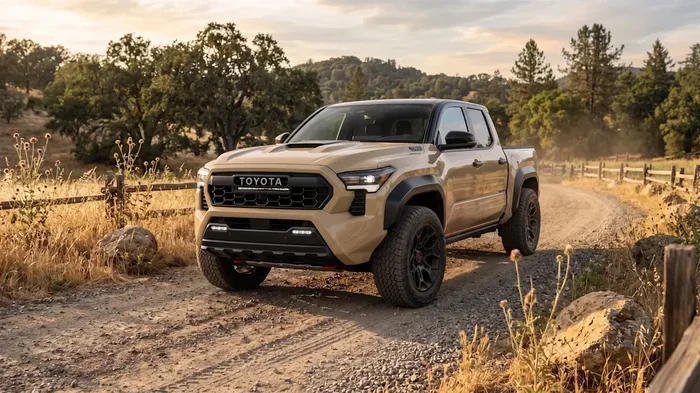
Different Tacoma generations have their own quirks. The first-generation Tacomas from 1995 to 2004 are simple machines with fewer electronics. Many of these trucks are still on the road with over 300,000 miles. The second generation (2005-2015) introduced more comfort features but also more complexity. The third generation (2016-present) includes advanced safety tech and a more refined V6. Across all generations, the core mechanical durability remains strong. The Toyota Tacoma reliability reputation holds because the fundamental design focuses on toughness over flash.
Factors That Affect Tacoma Mileage
Driving Habits
How you drive directly impacts your Tacoma’s longevity. Hard acceleration, frequent towing beyond capacity, and constant stop-and-go traffic all add stress to the engine and transmission. If you use your Tacoma as a work truck and haul heavy loads regularly, you will wear out components faster. On the other hand, a Tacoma used for light commuting and weekend adventures can easily hit the high end of the mileage spectrum. Gentle warming up in cold weather and avoiding lugging the engine at low RPMs are simple habits that pay off.
Maintenance Routine
A consistent maintenance routine is the single biggest factor in Tacoma longevity. Skipping oil changes or ignoring fluid leaks can turn a minor issue into a major repair. The Tacoma maintenance schedule recommends oil changes every 5,000 to 7,500 miles for conventional oil, or 10,000 miles for synthetic. Transmission fluid, coolant, and brake fluid also need periodic replacement. Many owners overlook the engine air filter. A clogged air filter forces the engine to work harder, reducing fuel efficiency and increasing internal wear. You can learn more about spotting a bad air filter in our guide How Do I Know If My Engine Air Filter Is Bad.
Common Issues That Shorten Tacoma Life
Rust and Frame Problems
Rust is one of the biggest enemies of any Toyota truck, and the Tacoma is no exception. Early models, especially those from the 1990s and early 2000s, are notorious for frame rust. If you live in a snowy or coastal area, road salt and moisture can eat through the undercarriage quickly. Regular washing of the undercarriage and applying rust inhibitor can add years to your Tacoma’s life. A rusted frame is a safety hazard and can end a truck’s useful life prematurely, even if the engine is still strong.
Transmission Wear
The Tacoma’s transmission is generally reliable, but it is not indestructible. The 4-speed automatic in older models and the 6-speed in newer ones can develop issues if the fluid is never changed. Transmission slipping, harsh shifting, or delayed engagement are warning signs. Towing heavy loads without checking the transmission fluid level accelerates wear. In some cases, a transmission rebuild is needed, which is a costly repair. Keeping up with fluid changes is the best prevention.
Exhaust System and Catalytic Converter
The exhaust system takes a beating from road debris, salt, and heat. A failing catalytic converter not only hurts performance but also triggers the check engine light and reduces fuel economy. Some owners wonder if they can remove the catalytic converter to gain a bit of power or sound. That is a risky move. Driving without a catalytic converter is illegal in most states and can damage the engine over time. If you are curious about the implications, you can read about the risks in our article Can I Drive My Tacoma Without A Catalytic Converter. Keeping the exhaust system intact ensures your Tacoma runs clean and efficiently for the long haul.
How to Maximize Your Tacoma’s Longevity
Regular Fluid Changes
Fresh fluids are the lifeblood of any vehicle. Engine oil lubricates moving parts and carries away heat. Transmission fluid keeps the gears shifting smoothly. Coolant prevents the engine from overheating, and brake fluid ensures safe stopping power. Sticking to the factory-recommended service intervals is the easiest way to protect these systems. Do not wait for warning lights. Proactive fluid changes are inexpensive insurance against major repairs.
Timing Belt and Service Intervals
While many modern Tacomas use a timing chain instead of a belt, older models require timing belt replacement at around 90,000 to 100,000 miles. A broken timing belt can cause catastrophic engine damage. Always check your specific model year and follow the service manual. Beyond the timing belt, staying on top of spark plug replacements, belt inspections, and hose checks keeps the engine running strong. These small investments add up to thousands of miles of trouble-free driving.
Fuel Quality and Choice
Using the right fuel matters more than many owners realize. The Tacoma is designed to run on regular unleaded gasoline, typically rated at 87 octane. Some drivers wonder if premium fuel will clean the engine or boost performance. For the standard Tacoma, 87 octane gas is perfectly sufficient and recommended by Toyota. You can find more details on fuel choices in our article Can I Use 87 Octane Gas In My Toyota. Using a higher octane than necessary does not improve longevity and simply costs more at the pump.
Real-World Examples: High-Mileage Tacomas
The best proof of Tacoma longevity comes from real owners. Online forums are filled with stories of Tacomas crossing the 250,000-mile mark with original engines and transmissions. One common thread among these high-mileage trucks is the owner’s dedication to simple, consistent care. They change the oil on time, address small noises before they become big problems, and keep the truck clean. A 2005 Tacoma with 280,000 miles might still feel strong if the previous owner kept up with the basics. These stories show that the Toyota Tacoma reliability is not just a marketing claim; it is a real-world result of solid engineering and proper ownership.
Another factor in these success stories is the Tacoma’s simple design. Older models have fewer electronic modules that can fail. The 2.7-liter 4-cylinder and the 3.4-liter V6 in early Tacomas are known for their bulletproof internals. Even the 4.0-liter V6 found in many second-generation Tacomas has a well-earned reputation for lasting well beyond 250,000 miles. The takeaway is clear: a Tacoma rewards the owner who pays attention and does not ignore small issues.
When to Consider Replacing Your Tacoma
Signs It Is Time for a New Truck
Even the most durable Tacoma will eventually show its age. Rust that penetrates the frame or cab pillars is a serious safety concern. If the repair cost exceeds the truck’s value, it may be time to move on. Persistent transmission problems, especially slipping or grinding, can also signal the end of the road. A blown engine with a cracked block is another situation where replacement often makes more sense than a rebuild. However, many Tacoma owners find that the truck remains reliable and safe well past the 200,000-mile mark. The decision to replace should be based on repair costs, safety, and your needs, not just a number on the odometer.
The Cost of Ownership
One reason Tacomas hold their value is their longevity. A high-mileage Tacoma still commands a good price on the used market. This means that even if you drive 200,000 miles, the cost per mile is remarkably low. Regular maintenance keeps repair costs predictable. A Tacoma that has been neglected will cost far more in the long run. The best strategy is to budget for routine services and address issues early. This approach keeps your Tacoma reliable and your wallet happy.
Final Thoughts
So, how many miles can I expect to get out of my Toyota Tacoma? The answer is largely in your hands. With an average lifespan of 200,000 to 300,000 miles, the Tacoma is built to last. Choosing the right fuel, sticking to a maintenance schedule, and addressing small problems early are the pillars of high-mileage ownership. Whether you drive a first-generation model or the latest third-generation Tacoma, the principles remain the same. Treat your truck well, and it will reward you with decades of dependable service. The Toyota Tacoma is not just a truck; it is a long-term partner that can handle anything you throw at it.
Frequently Asked Questions
What is the average lifespan of a Toyota Tacoma?
Most Toyota Tacomas last between 200,000 and 300,000 miles with regular maintenance. Some well-cared-for examples push past 300,000 miles. The lifespan depends heavily on driving habits, climate, and how consistently the owner follows the service schedule.
Can a Toyota Tacoma last 300,000 miles?
Yes, a Toyota Tacoma can absolutely last 300,000 miles. This typically requires diligent oil changes, timely fluid replacements, and prompt attention to any leaks or unusual noises. Many owners report reaching this milestone without major engine or transmission work.
Is the Toyota Tacoma reliable for high mileage?
The Tacoma is widely regarded as one of the most reliable trucks for high mileage. Its simple, robust engineering and available strong engines contribute to this reputation. Regular Tacoma maintenance is the key to unlocking that long-term reliability.
What maintenance is most important for Tacoma longevity?
Oil changes, transmission fluid flushes, and coolant checks are the most critical services. Replacing the engine air filter and keeping the exhaust system intact also play big roles. Following the factory service intervals prevents small issues from becoming costly repairs.
Does towing shorten a Tacoma’s lifespan?
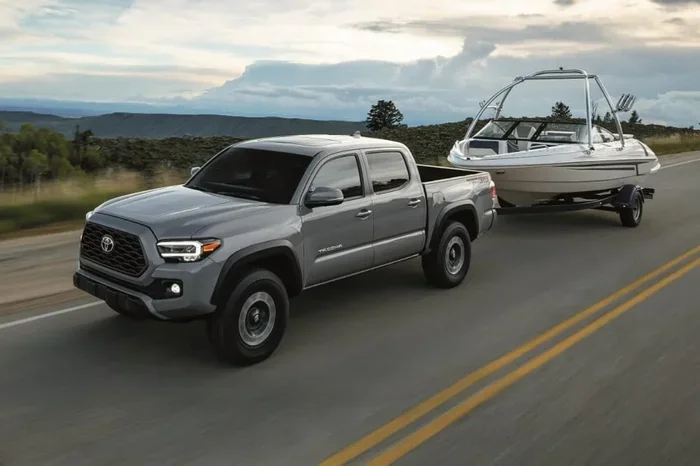
Towing within the Tacoma’s rated capacity does not significantly shorten its life. However, consistently exceeding the payload limit or towing without proper maintenance can accelerate wear on the transmission and engine. Always check your owner’s manual for towing guidelines.
Are older Tacomas better for longevity?
Older Tacomas often have simpler designs with fewer electronic components that can fail. Many first and second-generation models are still running strong at high mileage. That said, any Tacoma can last a long time if it receives proper care and attention.