How Long Should Brake Rotors Last on Your Toyota RAV4
Brake rotors on a Toyota RAV4 typically last between 30,000 and 70,000 miles, depending on driving habits, road conditions, and rotor quality. Regular maintenance and smooth driving techniques can help you get the most life out of your rotors. Understanding when and why rotors wear out keeps your RAV4 safe and performing at its best.
Brake rotors on a Toyota RAV4 typically last between 30,000 and 70,000 miles, but the exact lifespan depends on several key factors. Your driving style, road conditions, rotor quality, and whether you own a hybrid model all play a role. Understanding what affects rotor wear helps you plan for maintenance and avoid unexpected repairs. This guide covers everything RAV4 owners need to know about brake rotor lifespan, from average durability to warning signs that signal replacement time.
Your Toyota RAV4 is a trusted SUV that handles daily commutes and weekend trips with ease. But like any vehicle, it relies on a well-maintained brake system to keep you safe on the road. The brake rotors are a critical component that wears down over time and eventually needs replacement. Many RAV4 owners wonder how long their brake rotors should last and what they can do to extend that life. The answer is not always straightforward, as several factors influence rotor durability. In this article, we will break down everything you need to know about brake rotor lifespan on the Toyota RAV4.
Key Takeaways
- Average Lifespan: Brake rotors on a RAV4 usually last 30,000 to 70,000 miles under normal driving conditions.
- Driving Habits Matter: Aggressive braking and heavy loads shorten rotor life significantly.
- Front Rotors Wear Faster: The front rotors handle more braking force and typically need replacement sooner.
- Warning Signs Are Clear: Vibrations, squealing sounds, and visible grooves signal rotor problems early.
- Replacement Cost Is Manageable: Expect to pay between $300 and $600 for a full set, depending on rotor type.
- Regular Inspection Helps: Checking rotor thickness during routine brake service catches issues before they become dangerous.
📑 Table of Contents
- Understanding Brake Rotors on the Toyota RAV4
- How Long Should Brake Rotors Last on a RAV4
- Factors That Affect Brake Rotor Lifespan
- Signs Your Brake Rotors Need Replacement
- How to Extend the Life of Your Brake Rotors
- Brake Rotor Replacement: What to Expect
- RAV4 Hybrid Owners: Special Considerations
- Common Mistakes That Shorten Rotor Life
- How Mileage Affects Brake Rotor Health
- Key Takeaways
- Final Thoughts on Brake Rotor Longevity
Understanding Brake Rotors on the Toyota RAV4
What Are Brake Rotors and How Do They Work?
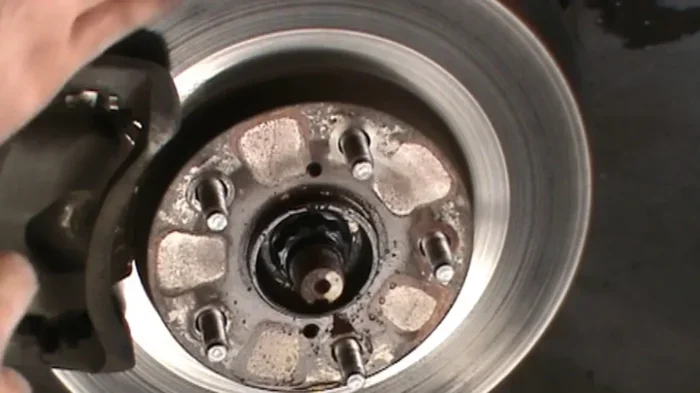
Brake rotors are the flat, circular metal discs attached to each wheel. When you press the brake pedal, the brake calipers squeeze brake pads against the rotors. This creates friction that slows your RAV4 down. It is a simple but powerful system that works every time you stop.
Over thousands of stops, this friction gradually wears away the rotor surface. The rotors become thinner over time. Eventually, they reach a point where they can no longer safely stop your vehicle. That is when replacement becomes necessary. The RAV4 uses a disc brake system on all four wheels. This setup provides consistent stopping power in all conditions. Understanding how the system works helps you appreciate why rotor maintenance matters so much.
Types of Brake Rotors Used in the RAV4
Toyota equips the RAV4 with different types of rotors depending on the model year and trim level. The most common options include standard vented rotors and solid rotors. Vented rotors have internal fins that help dissipate heat, making them ideal for the heavier front wheels. Some RAV4 trims, especially the hybrid versions, may use slotted or drilled rotors. These designs improve heat dissipation and resist glazing. However, they can also wear faster than standard rotors. Knowing which type your RAV4 uses helps you set realistic expectations for rotor lifespan.
How Long Should Brake Rotors Last on a RAV4
Average Lifespan Under Normal Driving Conditions
Under normal driving conditions, brake rotors on a Toyota RAV4 should last between 30,000 and 70,000 miles. Most drivers fall somewhere in the middle of that range, around 50,000 miles. This is a general guideline, and your actual experience may vary. Normal driving means commuting at moderate speeds, avoiding hard braking, and following the recommended maintenance schedule. If you drive gently and maintain your RAV4 properly, you can expect to get the full lifespan out of your rotors.
Keep in mind that rotor life also depends on the quality of the brake pads you use. Cheap pads can accelerate rotor wear. Investing in quality pads protects both your rotors and your wallet in the long run.
Front vs Rear Rotor Wear
Front rotors wear faster than rear rotors on the RAV4. This happens because the front brakes handle about 70 percent of the stopping power. Every time you slow down, the front rotors do the heavy lifting. You may find that your front rotors need replacement around 30,000 to 50,000 miles. Rear rotors often last longer, sometimes reaching 60,000 to 70,000 miles. This difference is completely normal and expected. Always inspect both front and rear rotors during brake service.
Factors That Affect Brake Rotor Lifespan
Driving Habits and Style
Your driving style has a huge impact on how long your rotors last. If you tend to brake hard and frequently, your rotors will wear out faster. Riders who maintain a steady speed and coast to stops enjoy much longer rotor life. Riding the brakes on steep hills is another common mistake. This generates excessive heat and accelerates wear. Instead, use engine braking on descents to reduce the load on your rotors. Smooth, predictable braking is the key to longevity.
Climate and Road Conditions
Where you drive matters just as much as how you drive. Hot climates cause rotors to expand and wear faster. Coastal areas with salt air can lead to surface corrosion on rotors. If you live in a region with harsh winters, road salt and gravel can also damage rotor surfaces. Stop-and-go city driving wears rotors faster than highway driving. City drivers often replace rotors more frequently because of the constant braking in traffic. If you spend most of your time on open highways, your rotors will likely last longer.
Vehicle Load and Towing
Carrying heavy loads or towing a trailer puts extra stress on your brake system. The RAV4 is a compact SUV, but it can still handle moderate loads. When you add weight, the brakes work harder to slow down. This means rotors wear faster under heavy use. If you regularly tow or carry heavy cargo, plan for more frequent rotor inspections. Keeping your load within the RAV4’s recommended capacity helps protect your entire brake system, including the rotors.
Signs Your Brake Rotors Need Replacement
Visual Warning Signs
Visual inspection is one of the easiest ways to check your rotors. Look for deep grooves, scoring, or uneven wear on the rotor surface. Blue or heat marks on the rotor indicate excessive temperatures, which can warp the metal. Use a micrometer to measure rotor thickness if you have access to one. Every rotor has a minimum thickness listed in the RAV4 service manual. If your rotors are below that measurement, replacement is not optional. It is a safety requirement.
Sounds and Feel to Watch For
Your ears and body are excellent tools for detecting rotor problems. A high-pitched squeal or grinding noise when braking often signals worn rotors or pads. If you feel a vibration or pulsing through the brake pedal, your rotors may be warped. Warped rotors create an uneven surface that prevents the brake pads from making full contact. This reduces stopping power and creates an uncomfortable driving experience. Do not ignore these warning signs. Address them promptly to avoid more expensive repairs down the road.
How to Extend the Life of Your Brake Rotors
Maintenance Tips and Best Practices
Taking care of your brake rotors does not have to be complicated. A few simple habits can add thousands of miles to rotor life. First, always replace brake pads in pairs. Mixing old and new pads creates uneven wear on the rotors. Second, have your brake system inspected at every oil change. A quick visual check can catch small problems before they become big issues. Third, avoid letting your brake pads wear down to metal. Metal-on-metal contact damages rotors quickly and significantly.
Fourth, consider having your rotors resurfaced if they are still above the minimum thickness. Resurfacing removes a thin layer of the rotor, creating a smooth, even surface. This can restore performance and extend rotor life by several thousand miles. Fifth, take care of your car overall to support brake health. Regular maintenance of all systems reduces stress on individual components, including the brakes. A well-maintained RAV4 simply stops better and lasts longer.
Choosing the Right Rotors for Your RAV4
Not all brake rotors are created equal. Stock rotors from Toyota are designed to balance performance, durability, and cost. Aftermarket options include premium rotors from brands like Brembo, EBC, and Power Stop. Premium rotors often feature better metallurgy and coatings that resist corrosion and warping. They may cost more upfront but can last longer and perform better. When choosing replacement rotors, look for ones that meet or exceed OEM specifications. Ceramic brake pads paired with quality rotors create a winning combination. Ceramic pads are gentler on rotors and produce less dust. This pairing is especially popular among RAV4 owners who prioritize long-term brake health.
Brake Rotor Replacement: What to Expect
Cost Breakdown for RAV4 Rotor Replacement
Replacing brake rotors on a Toyota RAV4 typically costs between $300 and $600 for a full set of four rotors, including parts and labor. Front rotors are slightly more expensive because they are larger and handle more stress. Rear rotors are smaller and generally cost less to replace. If you choose premium rotors, the price may go up by $50 to $100 per rotor. However, the improved performance and durability often justify the extra cost. Labor rates vary by region, so it is wise to get quotes from a few shops before committing. For those who enjoy working on their own vehicles, replacing rotors and pads is a manageable DIY job. You will need basic tools like a lug wrench, jack, and torque wrench. Just make sure to follow proper torque specifications and safety procedures.
When to Resurface vs. Replace
Rotor resurfacing is a cost-effective option when rotors are worn but still above minimum thickness. During resurfacing, a machine shaves a thin layer off the rotor surface. This removes grooves, warping, and uneven spots. However, resurfacing is not always possible. If your rotors are too thin, cracked, or severely warped, replacement is the only safe option. Always consult your owner’s manual or a trusted mechanic to determine the best course of action for your specific situation.
RAV4 Hybrid Owners: Special Considerations
The Toyota RAV4 Hybrid uses a regenerative braking system alongside traditional disc brakes. Regenerative braking captures energy during deceleration and sends it back to the battery. This reduces the workload on the traditional brake system, including the rotors. Because hybrid RAV4 owners rely more on regenerative braking, their brake rotors often last longer than those on gas-only models. Many hybrid RAV4 owners report rotor lifespans closer to the 70,000-mile mark. Hybrid vehicles are known for their longevity, and the brake system benefits from this design advantage.
However, hybrid RAV4 owners should not skip regular brake inspections. The regenerative system handles most light braking, but the traditional brakes still engage during hard stops and emergency situations. Keeping the entire system in good shape ensures safe, reliable performance every time you drive.
Common Mistakes That Shorten Rotor Life
Many RAV4 owners unknowingly shorten the life of their brake rotors through common mistakes. One of the biggest errors is ignoring the recommended maintenance schedule. Toyota provides clear service intervals for brake inspections and pad replacement. Skipping these services allows small problems to grow into expensive repairs. Another mistake is mixing different types of brake pads. Ceramic pads on one axle and semi-metallic on the other creates uneven wear patterns. This can damage both the pads and the rotors. Always replace pads in matched sets for consistent performance.
Some owners also neglect to check rotor thickness after pad replacement. New pads on worn rotors do not work properly. The pads need a smooth, flat surface to grip effectively. Always inspect or measure rotors whenever you replace brake pads. Finally, driving with worn-out pads is a dangerous habit. When the pad material wears down completely, the metal backing plate grinds against the rotor. This causes deep grooves and scoring that may make the rotor unsafe. Replacing pads on time protects your rotors and keeps your RAV4 stopping reliably.
How Mileage Affects Brake Rotor Health
Mileage is one of the clearest indicators of rotor wear. As your RAV4 accumulates miles, the rotors gradually thin out. Most owners notice the first signs of rotor wear between 30,000 and 40,000 miles. By 60,000 miles, many RAV4s are due for rotor inspection or replacement. High-mileage RAV4s require extra attention to the brake system. If your RAV4 has crossed the 100,000-mile mark, regular brake service becomes even more critical. 145,000 miles is a lot of wear on any vehicle, and the brake system is no exception. At high mileage, inspect rotors, pads, calipers, and brake lines thoroughly at every service. Tracking your rotor replacement history helps you predict future needs. Keep a log of when you replaced or resurfaced your rotors. This simple habit makes it easier to plan for upcoming service and avoid unexpected brake failures.
Key Takeaways
- Average Lifespan: Brake rotors on a RAV4 typically last 30,000 to 70,000 miles, depending on driving conditions and habits.
- Front Rotors Wear Faster: Because front brakes handle most of the stopping power, front rotors usually need replacement sooner than rear rotors.
- Driving Style Matters: Smooth, gradual braking extends rotor life, while aggressive driving shortens it significantly.
- Watch for Warning Signs: Vibrations, grinding noises, and visible wear grooves are clear signals that your rotors need attention.
- Hybrid RAV4 Owners Have an Advantage: Regenerative braking reduces wear on traditional rotors, often extending their lifespan.
- Quality Parts Make a Difference: Investing in quality rotors and pads pays off in longer life and better performance.
- Regular Inspections Are Essential: Routine brake checks catch problems early and keep your RAV4 safe on the road.
Final Thoughts on Brake Rotor Longevity
Your Toyota RAV4 is a dependable vehicle that serves you well for years. Taking care of the brake system, including the rotors, is one of the best investments you can make in your vehicle’s safety and longevity. Understanding how long brake rotors should last gives you the knowledge to plan for maintenance and avoid surprises. Remember that every RAV4 is different. Your driving habits, local climate, and rotor quality all play a role in determining actual lifespan. Use the guidelines in this article as a starting point, and always trust your instincts. If something feels off with your brakes, get it checked immediately.
Stay proactive with brake maintenance, choose quality parts, and drive with care. Your RAV4 will reward you with safe, reliable stopping power mile after mile. Keep these tips in mind, and your brake rotors will serve you well for many years to come.
Frequently Asked Questions
How do I know if my RAV4 brake rotors need replacing?
Look for signs like vibrations through the brake pedal, grinding or squealing noises, and visible grooves or scoring on the rotor surface. If your rotor thickness is below the minimum spec in your owner’s manual, replacement is necessary. A professional inspection can confirm whether your rotors are safe or need to be replaced.
Can I replace only two brake rotors instead of all four?
Yes, you can replace just the front or rear rotors if only one set is worn. However, it is best practice to replace rotors in pairs on the same axle. This ensures even braking and prevents uneven wear on new brake pads. Always inspect all four rotors during any brake service.
Are ceramic rotors better than standard rotors for the RAV4?
Ceramic rotors offer better heat dissipation and resist warping better than standard cast iron rotors. They also tend to be quieter and produce less brake dust. For daily driving in a RAV4, ceramic rotors are an excellent upgrade that can extend brake system life and improve overall performance.
Does the RAV4 Hybrid last longer on brakes than the gas model?
Yes, the RAV4 Hybrid typically lasts longer on brakes because regenerative braking handles most everyday deceleration. This reduces the wear on traditional brake pads and rotors. Many hybrid RAV4 owners report rotor lifespans closer to 70,000 miles or more compared to the gas-only version.
How often should I have my RAV4 brake rotors inspected?
Have your brake rotors inspected at every oil change or every 10,000 miles, whichever comes first. Regular inspections catch wear early and help you plan for replacement before it becomes a safety issue. If you notice any warning signs like vibrations or noises, inspect the rotors immediately.
What happens if I drive on warped rotors too long?
Driving on warped rotors causes uneven pad wear, reduced stopping power, and uncomfortable vibrations. Over time, the warping can damage the calipers and wheel bearings as well. Extended driving on warped rotors leads to more expensive repairs. Replace or resurface warped rotors as soon as possible to protect your entire brake system.
=== CONCLUSION ===
Brake rotors on your Toyota RAV4 should last between 30,000 and 70,000 miles under normal driving conditions. Your actual lifespan depends on driving habits, road conditions, rotor quality, and whether you own a hybrid or gas model. By staying proactive with inspections and maintenance, you can maximize rotor life and keep your RAV4 stopping safely.
Pay attention to warning signs, choose quality replacement parts, and follow the maintenance schedule. These simple steps protect your investment and keep your RAV4 running strong for years. Take care of your brakes, and they will take care of you every time you hit the road.