How Long Does Toyota Paint Protection Last on Your Vehicle
Toyota paint protection typically lasts between 2 and 10 years, depending on the type of protection you choose and how well you maintain it. Ceramic coatings offer the longest-lasting defense, while wax and sealant require more frequent reapplication. Understanding your options helps you make the best decision for your Toyota’s exterior.
You just drove your Toyota home, and it looks incredible. The paint shines, the color pops, and you feel that new-car pride. But here is the question that keeps many Toyota owners up at night: how long does Toyota paint protection last? The answer is not as simple as a single number. It depends on the type of protection, how you drive, where you park, and how much care you put into maintenance. This guide breaks it all down so you know exactly what to expect.
Paint protection is one of the smartest investments you can make for your Toyota. Whether you bought a brand-new model or are keeping an older one in top shape, protecting the exterior pays off. It preserves resale value, prevents rust, and keeps your ride looking sharp. Let us dive into everything you need to know about Toyota paint protection durability and how to get the most out of it.
Key Takeaways
- Ceramic coatings can protect your Toyota’s paint for 5 to 10 years with proper care.
- Paint Protection Film (PPF) lasts 10+ years and self-heals minor scratches.
- Wax and sealant options need reapplication every 3 to 6 months for best results.
- Environmental factors like sun exposure, salt, and dirt significantly reduce protection lifespan.
- Regular washing and storage habits can double the life of any paint protection.
- Toyota OEM paint quality provides a strong base that enhances protection durability.
- Professional application generally yields better and longer-lasting results than DIY methods.
📑 Table of Contents
- What Is Toyota Paint Protection and Why Does It Matter
- Types of Paint Protection for Toyota Vehicles
- How Long Does Each Protection Type Last on a Toyota
- Factors That Affect Paint Protection Durability
- Tips to Extend Your Toyota Paint Protection
- Common Mistakes That Shorten Paint Protection Life
- When Should You Reapply or Refresh Your Toyota Paint Protection
- How to Choose the Right Paint Protection for Your Toyota
- Conclusion
What Is Toyota Paint Protection and Why Does It Matter
Toyota paint protection refers to any product or film applied to your vehicle’s exterior to shield the factory paint from damage. Your Toyota comes with a base coat and a clear coat straight from the factory. These layers do a decent job of protection, but they are not invincible. Road debris, UV rays, bird droppings, tree sap, and harsh weather all take a toll over time.
Paint protection acts as an extra barrier between your Toyota’s surface and the elements. Think of it like sunscreen for your car. Just as sunscreen prevents sunburn, paint protection prevents your car’s finish from fading, scratching, or oxidizing. Without it, your Toyota’s paint can start showing wear within just a few years.
There are several types of protection available, and each one has a different lifespan. Some options are affordable and easy to apply at home. Others require professional installation but offer far superior results. Let us look at each type in detail.
Types of Paint Protection for Toyota Vehicles
Not all paint protection is created equal. Different products serve different purposes and last for different amounts of time. Here are the most common options Toyota owners choose.
Ceramic Coating
Ceramic coating is a liquid polymer that bonds chemically with your Toyota’s factory paint. It creates a hard, glass-like layer that repels water, dirt, and UV rays. This is one of the most popular options among Toyota owners who want long-lasting protection without frequent maintenance.
A quality ceramic coating typically lasts between 5 and 10 years. Premium ceramic coatings applied by professionals tend to hold up the longest. Budget ceramic coatings from auto parts stores may only last 1 to 2 years. The key difference lies in the quality of the product and how well it is prepared and applied.
Ceramic coating benefits include hydrophobic properties (water beads off easily), enhanced gloss, and resistance to chemical stains. It also makes washing your Toyota much simpler because dirt has a harder time sticking to the surface.
Paint Protection Film (PPF)
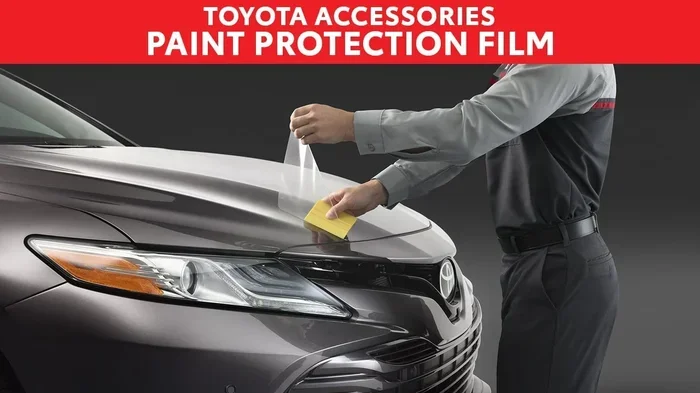
Paint Protection Film, also known as clear bra, is a transparent thermoplastic film applied directly to your Toyota’s paint. PPF is the heaviest-duty option available. It is commonly used on the front bumper, hood, and fenders where rock chips and road debris are most common.
PPF can last 10 to 15 years or even longer with proper care. High-quality PPF brands like XPEL and 3M come with warranties that cover yellowing, peeling, and cracking. One of the coolest features of PPF is its self-healing ability. Minor scratches and swirl marks disappear when exposed to heat, such as warm sunlight or a warm water rinse.
If you want maximum protection and do not mind the higher cost, PPF is the gold standard for Toyota owners. You can also combine PPF with a ceramic coating for even better results and easier maintenance.
Wax and Sealant
Wax and paint sealant are the most traditional forms of paint protection. Carnauba wax gives your Toyota a warm, natural shine, while synthetic sealants offer longer-lasting chemical protection. Both create a temporary barrier that you need to reapply regularly.
Natural wax typically lasts 1 to 3 months. Synthetic sealant can last 3 to 6 months. Paint sealant is the better choice if you want a balance of shine and durability. Many Toyota owners alternate between wax and sealant throughout the year to keep their paint looking great.
Wax and sealant are affordable and easy to apply. They are perfect for owners who enjoy the detailing process and do not mind reapplying every few months. However, they do not offer the same level of protection as ceramic coatings or PPF.
Vinyl Wrap
A vinyl wrap is a colored or clear film that covers your Toyota’s entire body. While wraps are primarily used for changing your car’s color, clear vinyl wraps also serve as paint protection. They shield the original paint from scratches, UV damage, and environmental contaminants.
A quality vinyl wrap can last 5 to 7 years before it needs replacement. If you want to protect your Toyota’s paint and change its look at the same time, a wrap is worth considering. Just keep in mind that removal can be tricky, and improper removal may affect the factory paint underneath.
How Long Does Each Protection Type Last on a Toyota
Now that you know the different types of protection, let us talk numbers. Below is a comparison of how long each option typically lasts on a Toyota vehicle.
- Ceramic Coating: 5 to 10 years (professional grade), 1 to 3 years (DIY grade)
- Paint Protection Film (PPF): 10 to 15+ years
- Wax (Natural Carnauba): 1 to 3 months
- Paint Sealant (Synthetic): 3 to 6 months
- Vinyl Wrap (Clear or Colored): 5 to 7 years
- Glass Coating (Windshield): 6 months to 2 years
As you can see, the lifespan of Toyota paint protection varies widely. Your choice should depend on your budget, how long you plan to keep the vehicle, and how much protection you need. A Toyota that sits in a garage and gets regular care will keep its protection longer than one exposed to harsh outdoor conditions daily.
If you are comparing protection options, you might also consider how long other protective measures last. For instance, how long a wrap lasts on a car depends on similar factors like material quality and environmental exposure. Understanding these timelines helps you budget for long-term maintenance.
Factors That Affect Paint Protection Durability
Even the best paint protection will not last forever. Several factors determine how long your Toyota’s protection holds up. Being aware of these factors helps you take proactive steps to extend the life of your investment.
Environmental Exposure
Where you live and park your Toyota plays a huge role in protection durability. Cars parked outdoors face constant exposure to UV rays, rain, bird droppings, tree sap, and temperature swings. These elements break down protective layers faster than indoor storage ever would.
If you live near the coast, salt air can corrode paint and protective coatings over time. Similarly, if you drive in areas with heavy snowfall, road salt can eat through wax and even some sealants. Toyota owners in harsh climates should consider upgrading to ceramic coating or PPF for better resilience.
Driving Habits
How you drive affects your paint too. Highway driving exposes your Toyota to more road debris, bugs, and tar. Stop-and-go city driving exposes your car to more minor scratches from parking lot incidents. Aggressive driving on rough roads increases the risk of paint chips and damage to your protective layers.
Maintenance Routine
Regular washing and detailing significantly extend the life of paint protection. Dirt, grime, and contaminants that sit on your Toyota’s surface gradually break down the protective layer. A consistent washing schedule removes harmful particles before they can cause damage.
Using the right cleaning products matters too. Harsh detergents and automatic car washes with stiff brushes can strip wax, degrade sealant, and even damage ceramic coatings over time. Always use pH-neutral car wash soap and a soft microfiber mitt when cleaning your Toyota.
Quality of Application
Professional application almost always yields better and longer-lasting results. A trained technician properly prepares the surface, applies the product evenly, and cures it under controlled conditions. DIY application can work well for wax and basic sealants, but ceramic coatings and PPF require precision that comes with experience.
If you are exploring professional services, it helps to understand the broader timeline of car care. For example, how long a full paint job takes gives you perspective on the time investment involved in professional exterior work. Similarly, understanding how long it takes to build a car from start to finish helps you appreciate the quality of factory paint that your protection layers are safeguarding.
Type and Quality of Product
Not all products are made equal. A premium ceramic coating from a reputable brand will outperform a budget option by a wide margin. The same goes for PPF. Thicker films with advanced self-healing properties last longer and provide better protection than thin, low-grade alternatives.
When shopping for paint protection, look for products with proven track records and manufacturer warranties. Investing in quality products saves money in the long run because you will not need to reapply as often.
Tips to Extend Your Toyota Paint Protection
Want to get the most miles out of your Toyota’s paint protection? Follow these practical tips to keep your exterior looking great for as long as possible.
- Wash your Toyota regularly. Aim for every one to two weeks if the car is driven daily. This removes contaminants before they can damage the protective layer.
- Use the two-bucket wash method. One bucket for soapy water and one for rinsing your mitt. This prevents scratching your paint with trapped dirt particles.
- Park in shaded areas or a garage whenever possible. UV rays are the number one enemy of paint protection. Shade slows down the breakdown process significantly.
- Apply a quick detailer spray between washes. This refreshes the hydrophobic properties of ceramic coatings and adds a layer of protection between full washes.
- Avoid automatic car washes with brushes. The harsh bristles can scratch and wear down protective coatings. Opt for touchless washes or hand wash instead.
- Address spills and stains immediately. Bird droppings, tree sap, and bug splatter are acidic and can eat through protection if left too long. Clean them off as soon as you notice them.
- Consider a ceramic coating booster or top coat. These products refresh the hydrophobic layer of your ceramic coating without requiring a full reapplication. They extend the life of your protection by several months.
Quick Tips for Busy Toyota Owners
- Keep a microfiber drying towel in your trunk for quick wipe-downs after rain.
- Use a rinse-only wash on days when you do not have time for a full wash.
- Apply a spray wax or quick sealant once a month for added protection.
- Check your PPF edges regularly for lifting and have them resealed promptly.
- Keep a UV-protective car cover if you must park outdoors for extended periods.
Common Mistakes That Shorten Paint Protection Life
Some habits accidentally shorten the lifespan of your Toyota’s paint protection. Avoiding these mistakes helps you get the full value out of your investment.
- Skipping regular washes: Dirt and contaminants build up and slowly degrade the protective layer. Consistent cleaning is essential.
- Using harsh chemicals: Household cleaners, dish soap, and abrasive polishes strip away protective coatings. Always use automotive-specific products.
- Neglecting dried contaminants: Tar, sap, and hard water spots bond to the surface and can etch into the paint or protective film if left untreated.
- Applying products in direct sunlight: Heat causes coatings and sealants to cure unevenly, reducing their effectiveness and lifespan.
- Ignoring small damage: A tiny chip or scratch in your PPF or coating can spread if not addressed quickly. Fix small issues before they become big problems.
Expert Insight
Professional detailers agree that prevention is far easier than repair when it comes to Toyota paint protection. Investing a little time and money upfront saves you from costly paint corrections and repaints down the road. The best protection strategy combines the right product with consistent, gentle maintenance. Your Toyota was built to last, and with the right protection, its paint can look factory-fresh well beyond the warranty period.
Many Toyota owners also wonder about the broader care of their vehicles. If you are curious about maximizing the lifespan of other components, you might find value in reading how to make a car last 500,000 miles. The same philosophy of consistent care and quality products applies to both mechanical and cosmetic longevity.
When Should You Reapply or Refresh Your Toyota Paint Protection
Knowing when to refresh your protection is just as important as knowing how to apply it. Waiting too long can leave your Toyota’s paint vulnerable to damage. Here are signs that it is time to reapply or refresh your protection.
Water no longer beads on the surface. This is the first sign that a ceramic coating or sealant has worn off. If your Toyota’s paint soaks up water instead of repelling it, the hydrophobic layer is gone.
The paint looks dull or faded. A healthy protective layer enhances your Toyota’s gloss. When the shine fades and the paint looks flat, UV damage and oxidation have likely started to set in.
You notice more frequent contamination. If dirt and grime stick to your Toyota’s surface more easily than before, the protective barrier has weakened. This means your next wash will be harder and your paint is more exposed.
Visible scratches and swirl marks appear. While PPF self-heals minor scratches, other protection methods do not. If you start seeing surface imperfections that were not there before, your protection may have worn thin.
Refreshing your protection does not always mean starting from scratch. Many ceramic coatings can be boosted with a top coat. Wax can be layered over sealant for added shine and defense. The key is to stay proactive and reapply before the protection fully fails.
If you are also curious about other Toyota maintenance timelines, understanding how long it takes to order a car from the manufacturer can help you plan ahead for protective upgrades when purchasing a new vehicle. Applying protection from day one gives your Toyota the best possible start.
How to Choose the Right Paint Protection for Your Toyota
With so many options available, choosing the right paint protection can feel overwhelming. Here is a simple framework to help you decide.
Consider your budget. Wax and basic sealant are the most affordable options. Ceramic coatings fall in the middle range, and PPF is the most expensive upfront but offers the longest lifespan. Think of it as a long-term investment rather than a one-time cost.
Think about your driving environment. If your Toyota spends most of its time in a garage, a good wax or sealant may be all you need. If it faces daily outdoor exposure, a ceramic coating or PPF provides much better defense.
Consider how long you plan to keep the vehicle. If you keep Toyotas for a long time, PPF or a premium ceramic coating makes the most sense. If you trade in frequently, a quality wax or sealant applied a few times a year keeps your Toyota looking great for the next owner.
Evaluate your willingness to maintain. Ceramic coatings and PPF require less frequent maintenance but still benefit from regular washing. Wax and sealant demand more hands-on effort but are easier and cheaper to reapply.
Many Toyota owners combine methods for comprehensive protection. A popular approach is applying PPF to high-impact areas like the front bumper and hood, then covering the rest of the car with a ceramic coating. This strategy balances cost with maximum defense where it matters most.
Conclusion
Toyota paint protection can last anywhere from a few months to over a decade, depending on the type of protection you choose and how well you care for it. Ceramic coatings offer the best balance of longevity and ease of maintenance, lasting 5 to 10 years. PPF provides the ultimate defense and can protect your Toyota for 15 years or more. Wax and sealant are affordable and effective but require more frequent attention.
The key to maximizing the lifespan of any paint protection is consistent, gentle maintenance. Wash regularly, park in shade, use the right products, and address damage promptly. Your Toyota deserves protection that matches the quality of its engineering. With the right approach, your Toyota’s paint will stay vibrant and protected for years to come.
Take the time to evaluate your options, choose the protection method that fits your lifestyle and budget, and commit to a simple maintenance routine. The result is a Toyota that turns heads and holds its value for the long haul.
Frequently Asked Questions
How long does ceramic coating last on a Toyota?
A professional-grade ceramic coating typically lasts between 5 and 10 years on a Toyota. The exact lifespan depends on the product quality, how well it was applied, and how consistently you maintain the vehicle. Regular washing and occasional top coats can push the lifespan toward the higher end of that range.
Is paint protection film worth it for Toyota owners?
Yes, PPF is worth it for Toyota owners who want maximum protection against rock chips, scratches, and environmental damage. It can last 10 to 15 years and has self-healing properties for minor scratches. While the upfront cost is higher, the long lifespan makes it a solid investment for preserving your Toyota’s paint.
Can I apply paint protection myself or should I go professional?
Wax and basic sealant are DIY-friendly and work well with patience and care. However, ceramic coatings and PPF benefit greatly from professional application. Trained technicians ensure proper surface prep, even application, and correct curing, which significantly extends the protection’s lifespan.
What is the cheapest way to protect Toyota paint?
The cheapest way is using a carnauba wax, which costs under $20 per application and lasts 1 to 3 months. Synthetic paint sealant is a slightly more expensive option that lasts 3 to 6 months. Both are easy to apply at home with basic supplies and a little time.
Does parking in a garage extend paint protection life?
Yes, parking in a garage significantly extends paint protection life. It shields your Toyota from UV rays, rain, bird droppings, tree sap, and temperature extremes. Cars that are garaged consistently show less paint wear and longer-lasting protection than those parked outdoors full-time.
How often should I wash my Toyota to protect the paint?
Washing your Toyota every one to two weeks is ideal for maintaining paint protection. In areas with heavy salt, pollution, or bug activity, more frequent washing may be needed. Always use a pH-neutral car wash soap and a soft microfiber mitt to avoid scratching the protective layers.