How Long Can a 2021 Toyota Corolla Go Without Oil Change
The 2021 Toyota Corolla can typically go between 10,000 and 15,000 miles without an oil change when using synthetic oil and driving under normal conditions. However, factors like extreme temperatures, short trips, and heavy stop-and-go traffic can shorten that interval significantly. Ignoring your oil change schedule risks engine damage, reduced fuel economy, and costly repairs down the road.
The 2021 Toyota Corolla is one of the most popular compact sedans on the road today. It is reliable, fuel-efficient, and relatively low maintenance. But one question that comes up again and again is how long you can actually go without an oil change. The answer is not as simple as a single number. It depends on your driving habits, the type of oil you use, and the conditions you drive in.
Oil change intervals have changed a lot over the years. Older cars needed an oil change every 3,000 miles. That was the standard advice for decades. But modern engines and improved lubricants have pushed those intervals much further apart. The 2021 Toyota Corolla is a perfect example of this shift. With the right care, you can go much longer between services than you might think.
Let us break down everything you need to know about oil change timing for your 2021 Corolla. By the end, you will have a clear picture of what your car needs and when it needs it.
Key Takeaways
- Standard Interval: Most 2021 Toyota Corolla models can go 10,000 to 15,000 miles between oil changes with synthetic oil.
- Driving Conditions Matter: Severe driving conditions like extreme heat, cold, or short trips can cut your interval in half.
- Warning Signs Exist: Dashboard lights, dark or gritty oil, and unusual engine noises signal it is time for a change.
- Oil Type Is Critical: Using the right grade of synthetic oil recommended by Toyota helps extend your change interval safely.
- Regular Checks Help: Monitoring your oil level and condition between changes keeps your engine healthy and prevents surprises.
- Neglect Is Costly: Skipping oil changes leads to engine wear, reduced performance, and potentially expensive repairs.
📑 Table of Contents
- Understanding Oil Change Intervals for the 2021 Toyota Corolla
- What Happens When You Skip an Oil Change
- Factors That Affect Oil Change Frequency
- How to Know When Your Corolla Needs an Oil Change
- Choosing the Right Oil for Your 2021 Toyota Corolla
- Tips to Extend the Life of Your Engine Oil
- Common Mistakes People Make with Oil Changes
- Final Thoughts on Your 2021 Toyota Corolla Oil Change Schedule
Understanding Oil Change Intervals for the 2021 Toyota Corolla
The factory-recommended oil change interval for the 2021 Toyota Corolla is based on the type of oil you use and how you drive. Toyota designs their vehicles with specific maintenance schedules in mind. Following these guidelines helps keep your engine running smoothly for the long haul.
What the Owner’s Manual Says
Your 2021 Corolla comes with an owner’s manual that outlines the recommended service schedule. For most models, Toyota suggests an oil change every 10,000 miles or 12 months, whichever comes first. This applies when using synthetic oil, which is the preferred choice for the 2021 Corolla engine.
If you use conventional oil instead, the interval drops to about 5,000 miles or 6 months. Conventional oil breaks down faster than synthetic. It loses its protective properties more quickly under heat and pressure.
Why Toyota Recommends Longer Intervals
Toyota engineers design the 2021 Corolla engine to work with modern synthetic oils. These oils have advanced additives that resist breakdown. They maintain their viscosity and protective qualities for longer periods. This is why the manufacturer feels confident extending the interval to 10,000 miles or more.
The engine internals are also built with tighter tolerances. This means less friction and less heat. Both of these factors help the oil last longer before it degrades. So the longer interval is not just a marketing move. It is backed by real engineering.
Normal vs. Severe Driving Conditions
Toyota defines two categories of driving conditions. Normal conditions mean you drive on highways or freeways at steady speeds. You avoid extreme temperatures and do not carry heavy loads. Under these conditions, the 10,000-mile interval holds up well.
Severe conditions are a different story. These include frequent short trips under 5 miles, stop-and-go city driving, extreme heat or cold, and towing or hauling heavy loads. If your daily routine falls into the severe category, you should shorten your oil change interval to about 5,000 miles. This keeps your engine protected when the oil is under more stress.
What Happens When You Skip an Oil Change
It is tempting to push an oil change back a few extra weeks. Life gets busy. But skipping or delaying an oil change has real consequences for your engine. Understanding what happens inside your motor can help you stay on top of your maintenance schedule.
Oil Degradation Over Time
Engine oil does not last forever. Over time, it breaks down chemically. The additives that protect your engine wear out. The oil becomes thinner or thicker than it should be. Contaminants like dirt, metal particles, and combustion byproducts build up in the oil.
When oil degrades, it loses its ability to lubricate engine parts. Metal-on-metal contact increases. This creates friction and heat. Over time, this wears down critical engine components like bearings, pistons, and cylinder walls.
The Build-Up of Sludge
Old oil that is not changed can turn into sludge. Sludge is a thick, tar-like substance that clogs oil passages. It restricts oil flow to important parts of the engine. This starves those components of lubrication.
Sludge build-up is one of the leading causes of engine failure. It is also one of the most preventable. Regular oil changes flush out old oil and contaminants before sludge can form.
Reduced Fuel Economy
Degraded oil creates more friction inside the engine. More friction means the engine has to work harder. This burns more fuel. You may notice your fuel economy dropping if you go too long between oil changes.
For a car like the 2021 Toyota Corolla, which is already known for its excellent fuel efficiency, this is especially frustrating. Keeping up with your oil changes helps you get the best gas mileage possible.
Engine Overheating
Oil plays a crucial role in cooling your engine. It absorbs heat from the combustion chambers and carries it away. When oil is old and degraded, it cannot absorb heat as effectively. This can lead to overheating.
Engine overheating is a serious problem. It can warp engine parts, blow head gaskets, and cause catastrophic damage. All of this is avoidable with a simple oil change on schedule.
Factors That Affect Oil Change Frequency
Not everyone drives the same way or in the same conditions. Several factors can influence how often you need to change your oil. Understanding these factors helps you create a maintenance plan that fits your real-world driving.
Driving Habits
How you drive matters more than you might think. Aggressive driving with rapid acceleration and hard braking puts extra stress on your engine. It also causes oil to break down faster. If you drive like this, consider shortening your oil change interval.
On the other hand, gentle, steady driving is easier on your oil and your engine. Highway cruising at constant speeds is the best scenario for oil longevity. If most of your driving is highway miles, you can likely stick with the longer interval.
Climate and Weather
Where you live plays a big role in oil life. Extreme heat causes oil to oxidize and break down faster. If you live in a hot climate like the desert Southwest, your oil may not last as long as the factory suggests.
Cold weather is a different kind of problem. It does not break down oil as quickly, but it can cause condensation to build up inside the engine. This moisture mixes with the oil and creates sludge. If you live in a cold climate, letting your car sit in cold weather for extended periods without running it can also affect oil quality.
Oil Type and Quality
The type of oil you use makes a huge difference. Full synthetic oil lasts longer and protects better than conventional oil. It resists thermal breakdown and maintains its viscosity over a wider temperature range.
For the 2021 Toyota Corolla, Toyota recommends 0W-20 synthetic oil. This specific grade is engineered for the engine’s tolerances and operating conditions. Using the wrong oil grade or a low-quality brand can shorten your oil’s effective life. Always check your owner’s manual for the correct specification.
Oil Filter Condition
The oil filter catches contaminants and keeps them from circulating through your engine. But the filter has a limited capacity. If you do not replace the filter with every oil change, it can become clogged. A clogged filter restricts oil flow and reduces the protection it provides.
Always replace the oil filter whenever you change the oil. It is a small cost that makes a big difference in protecting your engine.
How to Know When Your Corolla Needs an Oil Change
Modern cars like the 2021 Toyota Corolla come equipped with systems that help you track your oil change needs. But you should also pay attention to other warning signs that something is off.
The Oil Life Monitor System
The 2021 Corolla has an oil life monitor built into the instrument cluster. This system tracks your driving patterns and estimates when the oil needs to be replaced. It takes into account factors like engine temperature, driving time, and mileage.
When the system determines that the oil life has reached a certain threshold, it will display a maintenance reminder on the dashboard. The wrench light or a message will appear telling you it is time for service. If you see the wrench light and are wondering what it means, you can check out our guide on does the wrench light mean an oil change for more details.
Keep in mind that the oil life monitor is a guide, not a replacement for regular maintenance. It is still a good idea to stick to a fixed schedule based on your driving conditions.
Visual and Physical Warning Signs
Sometimes the oil tells you it needs changing before the system does. Here are some signs to watch for:
- Dark or black oil: Fresh oil is amber or golden in color. As it ages, it darkens. If your oil looks very dark or black on the dipstick, it is time for a change.
- Gritty texture: Rub a drop of oil between your fingers. If it feels gritty or rough, it has picked up contaminants and should be replaced.
- Burning smell: Old oil can produce a burnt odor inside the engine bay. If you smell something acrid, check your oil level and condition.
- Reduced engine performance: Sluggish acceleration or rough idling can be signs of old or insufficient oil.
- Unusual engine noises: Knocking or ticking sounds can indicate that the oil is not lubricating properly anymore.
Checking Your Oil Level Regularly
Get into the habit of checking your oil level at least once a month. With the engine cool and the car parked on a level surface, pull out the dipstick, wipe it clean, reinsert it, and then check the level. The oil should fall between the minimum and maximum marks.
If the level is low, top it off with the correct grade of oil. Low oil level can cause serious engine damage if left unaddressed. Also, keep an eye out for oil leaks underneath your car. Puddles of oil on your driveway are never a good sign.
Choosing the Right Oil for Your 2021 Toyota Corolla
Not all oils are created equal. Choosing the right one for your 2021 Corolla is essential for engine health and longevity.
Synthetic vs. Conventional Oil
Synthetic oil is the clear winner for the 2021 Toyota Corolla. It is engineered to provide superior protection in a wide range of temperatures. It flows smoothly even in cold starts and resists breakdown under high heat.
Conventional oil is cheaper, but it does not last as long. You would need to change it more frequently, which can offset the initial cost savings. For most Corolla owners, synthetic oil is the better choice in the long run.
The Right Viscosity Grade
The 2021 Toyota Corolla requires 0W-20 oil. This viscosity grade is designed to provide optimal protection for the engine’s internal components. The “0W” means the oil flows easily at cold temperatures, which is important for cold starts. The “20” refers to the oil’s thickness at operating temperature.
Using a different viscosity grade can affect engine performance and fuel economy. It can also void your warranty if it leads to engine damage. Always follow Toyota’s recommendation.
Where to Get Your Oil Changed
You have several options for getting your oil changed. Toyota dealerships use genuine Toyota parts and follow the manufacturer’s recommended procedures. Independent mechanics often charge less for the same service. You can also do it yourself if you are comfortable working on your car.
If you are looking for a Lexus oil change, you might wonder if a Toyota dealer can handle it. The answer is yes. You can learn more about this in our article on can you get a Lexus oil change anywhere. Many Toyota service centers are equipped to service Lexus vehicles as well.
Tips to Extend the Life of Your Engine Oil
While you cannot make oil last forever, there are things you can do to maximize its effectiveness between changes.
- Warm up your engine gently: Avoid revving the engine hard right after startup. Let it idle for a minute or two before driving. This allows the oil to circulate and reach all the moving parts.
- Avoid short trips when possible: Short trips under 5 miles do not allow the engine to reach full operating temperature. This causes moisture and fuel to contaminate the oil faster.
- Keep up with oil filter replacements: Always replace the oil filter with every oil change. A clean filter keeps the oil cleaner for longer.
- Monitor your oil level: Check it regularly and top off as needed. Running low on oil is one of the fastest ways to cause engine damage.
- Watch your driving environment: If you frequently drive in dusty or dirty conditions, your oil may contaminate faster. Consider shortening your change interval.
- Use quality oil and filters: Do not skimp on oil quality. Use oils that meet Toyota’s specifications and invest in a good quality oil filter.
Taking these small steps can make a big difference in how well your engine ages. A well-maintained 2021 Toyota Corolla can easily go well beyond 200,000 miles with proper care. And oil changes are one of the simplest and most cost-effective ways to make that happen.
Common Mistakes People Make with Oil Changes
Even well-meaning car owners make mistakes when it comes to oil changes. Here are a few to avoid.
Following the 3,000-Mile Rule
The old advice of changing oil every 3,000 miles is outdated for most modern cars. The 2021 Toyota Corolla does not need oil changes that frequently. Following the 3,000-mile rule will cost you extra money and time without providing any real benefit.
Ignoring the Oil Life Monitor
Some people reset the oil life monitor without actually getting the oil changed. The monitor tracks oil life based on driving conditions. If you reset it without changing the oil, you are just delaying the inevitable. Always perform the oil change first, then reset the system.
Using the Wrong Oil
Using conventional oil in a car designed for synthetic, or using the wrong viscosity grade, can cause problems. It may not provide adequate protection. It can also trigger warning lights or affect your warranty coverage.
Forgetting to Check the Oil Between Changes
Just because you are not due for an oil change does not mean you should ignore the oil. Oil levels can drop between changes due to minor leaks or normal consumption. Checking regularly helps you catch problems early.
Final Thoughts on Your 2021 Toyota Corolla Oil Change Schedule
Staying on top of your oil change schedule is one of the simplest things you can do for your car. The 2021 Toyota Corolla is built to be low maintenance, but that does not mean you can ignore it entirely. The recommended interval of 10,000 miles or 12 months for synthetic oil is a good baseline. But always adjust based on your real-world driving conditions.
Pay attention to the warning signs your car gives you. The oil life monitor, dashboard lights, and changes in oil color or texture all provide valuable information. When in doubt, check your oil or consult a trusted mechanic.
Keeping up with your oil changes protects your engine, maintains your fuel economy, and preserves the resale value of your car. It is a small investment that pays off big over the life of your vehicle. So do not put it off. Your 2021 Toyota Corolla will thank you for it.
If you are dealing with a maintenance light or warning on your dashboard, understanding what it means is the first step. You can learn more about how to handle check engine codes and get your Corolla back on track. Regular maintenance, including timely oil changes, is the best way to avoid unexpected breakdowns and keep your car running smoothly for years to come.
Frequently Asked Questions
Can I go 15,000 miles without an oil change in my 2021 Toyota Corolla?
Yes, if you use synthetic oil and drive under normal conditions, the 2021 Toyota Corolla can go up to 15,000 miles between oil changes. However, if you drive in severe conditions like extreme heat, cold, or heavy city traffic, you should shorten the interval to around 5,000 to 7,500 miles to protect your engine.
What happens if I go too long without an oil change in my Corolla?
Going too long without an oil change causes the oil to degrade and lose its lubricating properties. This leads to increased friction, engine heat, sludge buildup, and eventually engine wear. In severe cases, it can cause catastrophic engine failure that requires expensive repairs or even a full engine replacement.
Does the 2021 Toyota Corolla need synthetic oil?
Toyota recommends 0W-20 synthetic oil for the 2021 Corolla. Synthetic oil provides better protection, lasts longer, and performs well across a wider range of temperatures compared to conventional oil. Using synthetic oil also allows you to follow the longer 10,000-mile oil change interval.
How can I tell if my 2021 Corolla needs an oil change soon?
Watch for the oil life monitor or wrench light on your dashboard. Also check your oil on the dipstick. If the oil looks very dark, feels gritty, or the level is low, it is likely time for a change. Other signs include unusual engine noises, reduced performance, or a burning smell from the engine bay.
Is it okay to change my own oil in a 2021 Toyota Corolla?
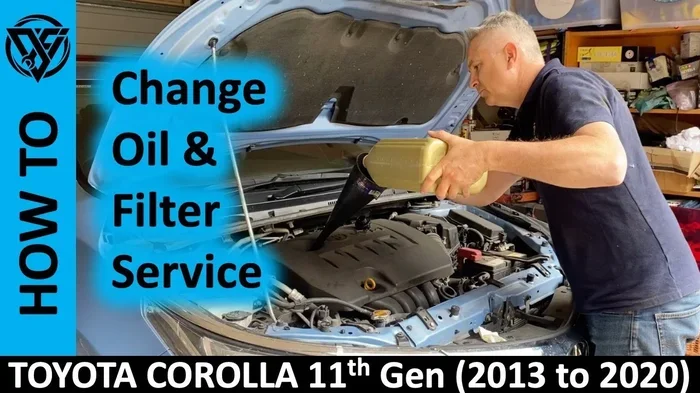
Yes, changing your own oil is possible if you have basic mechanical skills and the right tools. You will need the correct 0W-20 synthetic oil, a new oil filter, a wrench set, and a drain pan. Always dispose of the old oil properly at a recycling center. If you are not comfortable doing it yourself, a professional oil change is quick and affordable.
How does cold weather affect oil change intervals for the Corolla?
Cold weather does not break down oil as quickly as heat does, but it can cause condensation inside the engine. This moisture mixes with the oil and creates sludge over time. If you frequently let your car sit in cold weather for long periods without running it, consider shortening your oil change interval to keep your engine protected.