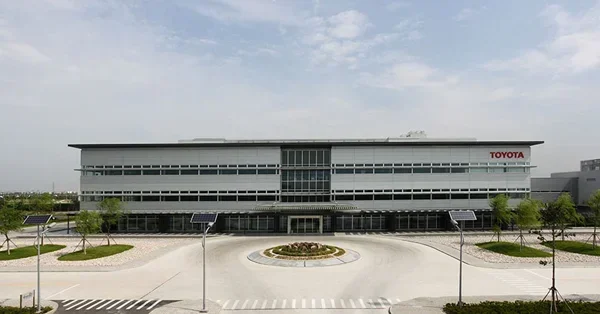
Does Toyota Have Factories in China and Why It Matters
Yes, Toyota does have factories in China. The Japanese automaker operates several manufacturing plants through joint ventures with Chinese partners. Toyota’s production in China plays a major role in meeting local demand and supporting the brand’s global supply chain.
Does Toyota Have Factories in China and Why It Matters
If you have ever wondered about where your Toyota comes from, you are not alone. The question “Does Toyota Have Factories in China” comes up a lot, and for good reason. China is one of the biggest car markets in the world. Understanding Toyota’s manufacturing presence there helps you make smarter buying decisions. It also gives you a clearer picture of how the global auto industry works.
So let us break it all down. We will look at Toyota’s factory operations in China, how they work, what models get built there, and why any of this matters to you as a buyer or car enthusiast.
Key Takeaways
- Toyota operates multiple factories in China through joint ventures with local automakers.
- China is Toyota’s largest single market, making local production essential.
- Popular models like the Corolla and Camry are built in Chinese factories.
- Toyota’s manufacturing footprint in China helps keep costs competitive and supply chains strong.
- Joint ventures are the key strategy Toyota uses to operate in China’s auto market.
- China’s automotive regulations require foreign brands to partner with local companies.
- Toyota’s future in China depends on adapting to electric vehicle trends and shifting consumer preferences.
📑 Table of Contents
- The Short Answer: Does Toyota Have Factories in China
- A Look at Toyota’s Manufacturing History in China
- How Toyota Operates in China Through Joint Ventures
- What Models Does Toyota Build in China
- Why Toyota’s China Operations Matter Globally
- Challenges and the Road Ahead
- Common Mistakes People Make About Toyota and China
- Expert Insights on Toyota’s China Strategy
- Key Takeaways
- Conclusion
The Short Answer: Does Toyota Have Factories in China
The short answer is yes. Toyota does have factories in China. But the full story is a bit more interesting than a simple yes or no. Toyota does not own these factories outright. Instead, the company works through joint ventures with Chinese partners. This approach is required by Chinese regulations for foreign automakers.
Toyota’s manufacturing presence in China has grown over the years. The company has invested heavily in local production. This strategy helps Toyota stay competitive in one of the most crowded and fast-moving car markets on the planet. Toyota’s factories in China produce millions of vehicles every year. These vehicles serve both the domestic Chinese market and, in some cases, other regions too.
Understanding this setup is important. It shows you how global automakers adapt to local markets. It also explains why some Toyotas are labeled “Made in China” while others carry different origin labels. The system is complex but very deliberate.
A Look at Toyota’s Manufacturing History in China
Toyota’s journey in China did not happen overnight. The company has been working in the Chinese market for decades. Let us take a quick look at how it all started and where things stand today.
Early Beginnings
Toyota first entered the Chinese market in the 1980s. At that time, China was just beginning to open up its economy. The company saw huge potential. But entering China was not easy. The government required foreign automakers to form partnerships with local Chinese companies. This rule still applies today.
Toyota partnered with several Chinese firms over the years. These partnerships led to the creation of joint venture companies. Each joint venture operates its own factories. Together, these factories form Toyota’s manufacturing network in China.
Growth and Expansion
By the 2000s, Toyota had expanded its operations significantly. New factories opened in different provinces. Production capacity grew year after year. Toyota became one of the top-selling foreign brands in China.
The company built plants in places like Guangzhou and Tianjin. These locations were chosen for their access to ports, labor, and supply chains. Today, Toyota’s manufacturing footprint in China covers multiple regions. Each plant has its own focus and production goals.
How Toyota Operates in China Through Joint Ventures
This is the most important part of understanding Toyota’s China operations. The company does not run its own standalone factories there. Everything works through joint ventures. Let us break down how this system works.
What Is a Joint Venture?
A joint venture is a partnership between two companies. In Toyota’s case, the partners are Toyota Motor Corporation and a Chinese automaker. Both companies share ownership, costs, and profits. The Chinese partner handles local operations, while Toyota provides technology and brand strength.
This setup benefits both sides. Toyota gets access to the Chinese market without facing high tariffs. The Chinese partner gains advanced manufacturing know-how and a respected global brand. It is a win-win arrangement that has worked well for decades.
Key Joint Venture Partners
Toyota works with several Chinese partners. The most notable ones include GAC Toyota and FAW Toyota. Each joint venture runs its own factories and produces different model lines. This division of labor helps Toyota cover a wide range of segments in the Chinese market.
For example, one joint venture might focus on sedans. Another might handle SUVs and larger vehicles. This specialization allows Toyota to serve many different customer needs across China.
Why Joint Ventures Matter for Buyers
If you are shopping for a Toyota in China, the joint venture matters. It determines where the vehicle was built, what features it has, and how it is priced. Chinese-built Toyotas often come with local upgrades. These upgrades cater to Chinese buyer preferences, such as larger rear seats or specific infotainment systems.
When you buy a Toyota built in China, you are getting a vehicle designed for that market. This is different from a Toyota imported from Japan or the United States. The differences can be significant.
What Models Does Toyota Build in China
Toyota’s Chinese factories produce a wide range of vehicles. These models are designed specifically for Chinese buyers. Let us look at some of the most popular ones.
Sedans
The Toyota Corolla is one of the best-selling cars in China. It is built in multiple Chinese factories. The Corolla is known for its reliability and fuel efficiency. It appeals to families and daily commuters alike. Another popular sedan is the Toyota Camry. The Camry offers a more premium feel. It competes with other mid-size sedans in the Chinese market.
If you have ever asked yourself, Can You Order A 2024 Toyota Camry, the answer often depends on your market. In China, the Camry is built locally and sold widely. It is one of Toyota’s flagship sedans in the region.
SUVs and Crossovers
Toyota also builds several SUV models in China. The RAV4 is a major player. The Highlander is another popular choice. These SUVs are tailored for Chinese families. They often come with features that local buyers value, such as spacious interiors and advanced safety tech.
Toyota has also introduced models that are exclusive to China. These are vehicles designed only for the Chinese market. They do not get sold in other countries. This strategy helps Toyota capture more market share in China.
Hybrid and New Energy Vehicles
Toyota is also pushing hybrid vehicles in China. The company has invested in plug-in hybrid and fully electric models. These vehicles are part of Toyota’s strategy to meet China’s strict emissions rules. Chinese buyers are increasingly interested in new energy vehicles. Toyota is working hard to keep up with this demand.
Why Toyota’s China Operations Matter Globally
Toyota’s factories in China do more than just serve Chinese buyers. They play a big role in the company’s global strategy. Here is why this matters.
Supply Chain and Production Capacity
China has become a key part of Toyota’s global supply chain. Parts and components made in China are used in vehicles around the world. This helps Toyota keep production costs down. It also provides flexibility if there are disruptions in other regions.
When you think about Toyota’s global manufacturing, China is a major piece of the puzzle. The country has the labor, the infrastructure, and the market size that Toyota needs. This is why the company has continued to invest there, even during challenging times.
Competing in the World’s Biggest Car Market
China sells more cars than any other country. If Toyota wants to stay relevant there, it needs local production. Importing vehicles from Japan or other countries would be too expensive. Tariffs and shipping costs would make Toyotas too pricey for most Chinese buyers.
By building cars in China, Toyota can price its vehicles competitively. This helps the company compete with local Chinese brands and other foreign automakers. The competition in China is fierce. Local production is not optional. It is a necessity.
Quality and Standards
Some people worry about quality when they hear “Made in China.” Toyota addresses this concern directly. The company applies the same quality standards in its Chinese factories as it does everywhere else. Toyota’s Japanese engineers oversee production closely. The result is vehicles that meet global quality benchmarks.
That said, there can be differences. Some models built in China have unique features or trim levels. These are designed for Chinese tastes and regulations. If you are comparing a China-built Camry with one built in Japan, you may notice some differences. But the core quality and reliability remain strong.
Challenges and the Road Ahead
Toyota’s operations in China are not without challenges. The company faces stiff competition from local EV makers and other foreign brands. Changing government policies and trade tensions also create uncertainty. Let us look at what lies ahead.
The Rise of Electric Vehicles in China
China is leading the world in electric vehicle adoption. The government strongly supports EV production and sales. Toyota has been slower to embrace fully electric vehicles compared to some competitors. The company is investing more now, but it needs to move faster to keep up.
Toyota’s joint ventures in China are developing new EV models. These vehicles will need to compete with established Chinese EV brands. The competition is tough, but Toyota has decades of experience and a strong reputation to lean on.
Trade Tensions and Their Impact
Global trade tensions have affected many automakers. Tariffs between China and other countries can disrupt supply chains. Toyota has tried to diversify its production to reduce risks. But China remains too important to leave. The company continues to invest and adapt.
If you are wondering how these dynamics affect you as a buyer, the answer is simple. Trade tensions can influence pricing, availability, and model offerings. Staying informed helps you make better decisions.
Toyota’s Long-Term Vision for China
Toyota sees China as a vital market for the long term. The company is investing in new factories and technologies. It is also expanding its lineup of locally produced models. The goal is to remain competitive and relevant in a rapidly changing market.
Toyota’s strategy in China will likely focus on a few key areas. These include hybrid technology, local partnerships, and customer-focused innovation. The company wants to build vehicles that Chinese buyers love. It also wants to maintain its reputation for quality and reliability.
Common Mistakes People Make About Toyota and China
There are several misconceptions about Toyota’s operations in China. Let us clear a few of them up.
- Mistake 1: Assuming all Toyotas sold in China are imports. Most Toyotas in China are built locally. Very few are imported from other countries.
- Mistake 2: Thinking Chinese-built Toyotas are lower quality. Toyota applies the same standards across all its factories worldwide.
- Mistake 3: Believing Toyota operates alone in China. Every factory is a joint venture with a Chinese partner. This is required by law.
- Mistake 4: Ignoring China-specific models. Some Toyotas are only sold in China. They are not available in other markets.
Expert Insights on Toyota’s China Strategy
Industry experts agree that Toyota’s approach to China is smart but faces challenges. The joint venture model has served the company well for decades. However, the rise of electric vehicles and new competitors is changing the game. Toyota needs to keep innovating and investing to stay ahead.
According to automotive analysts, Toyota’s biggest advantage in China is its brand reputation. Chinese buyers trust Toyota for reliability and value. The company also benefits from its deep relationships with local partners. These partnerships give Toyota access to resources and market knowledge that would be hard to get any other way.
At the same time, experts warn that Toyota cannot be complacent. The Chinese auto market is evolving fast. New energy vehicles, digital features, and changing consumer preferences are reshaping the industry. Toyota must adapt quickly to maintain its position.
Key Takeaways
- Toyota does have factories in China, and they are a major part of the company’s global operations.
- Joint ventures with Chinese partners are the foundation of Toyota’s manufacturing presence in the country.
- Popular models like the Corolla and Camry are built in Chinese factories and sold widely across the market.
- China is Toyota’s largest single market, making local production critical for competitiveness.
- Quality standards at Chinese factories match Toyota’s global benchmarks, so buyers can feel confident.
- The rise of electric vehicles presents both a challenge and an opportunity for Toyota in China.
- Understanding Toyota’s China operations helps buyers make more informed decisions about the vehicles they consider.
Conclusion
So, does Toyota have factories in China? The answer is a clear yes. Toyota operates multiple manufacturing plants in the country through joint ventures with local partners. These factories produce a wide range of vehicles, from compact sedans to SUVs and hybrids. China is too important a market for Toyota to ignore, and the company has invested heavily to secure its position there.
Whether you are a car buyer in China or simply curious about how global automakers operate, understanding Toyota’s China story is valuable. The company’s manufacturing presence there shapes vehicle availability, pricing, and quality. It also reflects broader trends in the global automotive industry.
As Toyota continues to adapt to new challenges like electric vehicle competition and trade uncertainties, its China operations will remain a key part of its strategy. The company’s ability to innovate while maintaining its reputation for reliability will determine how successful it stays in the world’s biggest car market.
If you want to learn more about specific Toyota models or their features, check out our other articles. For example, you might want to read about Can I Use 87 Octane Gas In My Toyota to understand fuel requirements for your vehicle. Also, if you are curious about Toyota’s long-term reliability, our article on Can Toyota Camry Last 400 is a must-read.
Frequently Asked Questions
Does Toyota own its factories in China?
No, Toyota does not own its factories in China outright. The company operates through joint ventures with Chinese automakers. These partnerships are required by Chinese regulations for foreign companies. Both Toyota and its Chinese partners share ownership and management of the factories.
What is the most popular Toyota model built in China?
The Toyota Corolla is one of the most popular models built in China. It sells extremely well in the Chinese market. The Toyota Camry is also very popular. Both sedans are produced in large numbers at Toyota’s Chinese factories and are designed with local buyer preferences in mind.
Are Toyotas built in China the same quality as those built elsewhere?
Yes, Toyota applies the same quality standards across all its factories worldwide. The company has strict quality control processes in place at every plant. However, some models built in China may have unique features or trim levels tailored for the local market.
Can I buy a Toyota built in China if I live outside of China?
Most Toyotas built in China are sold within China. Some vehicles may be exported to other markets, but this is not common. If you are looking for a specific Toyota model, it is best to check availability in your local market. Importing a vehicle from China can be complicated and expensive.
Why does Toyota use joint ventures instead of building its own factories in China?
Chinese regulations require foreign automakers to partner with local companies. This policy helps protect domestic automakers and promotes technology sharing. Joint ventures allow Toyota to access the Chinese market while complying with local laws. The partnerships also provide valuable local knowledge and resources.
What does the future look like for Toyota in China?
Toyota sees China as a key market for the long term. The company is investing in new factories, electric vehicles, and local partnerships. However, it faces strong competition from Chinese EV makers and changing consumer preferences. Toyota’s success will depend on its ability to innovate and adapt quickly.