Why a Car Front Camera with Sensor Is a Game Changer
A car front camera with sensor is one of the smartest upgrades you can make to your vehicle. It combines a high-resolution camera with advanced sensors to deliver real-time alerts and crystal-clear footage. This system helps you avoid collisions, monitor blind spots, and protect your investment. Whether you drive daily or take long road trips, this technology changes the way you experience the road. Keep reading to learn why this small device makes a huge difference.
Have you ever wished you had a second pair of eyes on the road? A car front camera with sensor does exactly that. It sits on your windshield, watches the road ahead, and alerts you to dangers you might miss. This technology has become a must-have for everyday drivers and road trippers alike.
More than just a recording device, a front camera with sensor uses smart technology to keep you safe. It detects motion, measures distance, and warns you before a collision happens. In this guide, we will break down everything you need to know. You will learn how it works, why it matters, and what features to look for. Let us dive in.
Key Takeaways
- Smart Safety: A front camera with sensor delivers instant collision warnings and lane departure alerts.
- Clear Evidence: It records every drive in high definition, which is invaluable after an accident.
- Easy Installation: Most systems mount on the windshield and connect to your phone or dashboard display.
- Night Vision Capability: Many models offer excellent low-light recording for safe nighttime driving.
- Insurance Benefits: Footage from your camera can speed up claims and potentially lower premiums.
- ADAS Integration: These cameras work alongside advanced driver assistance systems for a safer ride.
📑 Table of Contents
- What Is a Car Front Camera with Sensor?
- How Does a Front Camera with Sensor Work?
- Top Benefits of Having a Front Camera with Sensor
- Key Features to Look For
- Common Mistakes to Avoid
- Expert Insights on Front Camera Sensors
- How to Choose the Right System for Your Vehicle
- Quick Tips for Getting the Most Out of Your System
- Conclusion
What Is a Car Front Camera with Sensor?
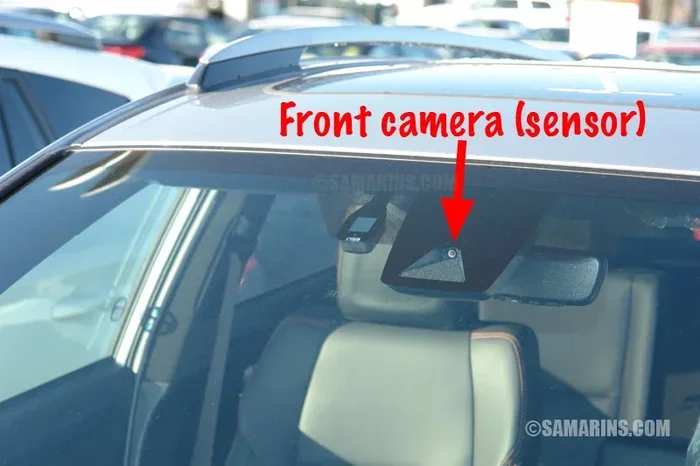
A car front camera with sensor is a device mounted on your vehicle’s windshield. It combines a camera lens with built-in sensors like radar or infrared. Together, they monitor the road in front of your car in real time.
Think of it as a dash cam that also thinks. While a regular dash cam simply records, a front camera with sensor actively watches for trouble. It can detect vehicles, pedestrians, lane markings, and even sudden stops. When it spots a potential hazard, it alerts you immediately.
This technology is part of a larger family called advanced driver assistance systems, or ADAS. Many modern cars come with basic versions of this built in. But aftermarket front camera sensor setups let you add these features to any vehicle, old or new.
How It Differs from a Regular Dash Cam
A standard dash cam records your drive. That is useful for insurance claims and capturing memorable trips. However, it does not warn you about danger while you drive. A front-facing dash cam with sensor goes a step further. It uses forward collision warning, lane departure alerts, and motion detection to keep you aware.
Here is a quick comparison:
- Regular Dash Cam: Records video, stores it on a memory card, and provides evidence after an event.
- Camera with Sensor: Records video, detects threats in real time, and alerts you before an event happens.
The difference is clear. One records what happened. The other helps prevent what could happen.
How Does a Front Camera with Sensor Work?
Understanding how this device works helps you appreciate its value. The system uses two main components working together: a camera and a sensor. Each one plays a specific role in keeping you safe.
The Camera Component
The camera captures a wide-angle view of the road ahead. Most models use a wide-angle lens that covers about 120 to 150 degrees. This broad view lets the system see lane markings, traffic signs, and vehicles in your path.
Modern cameras also include night vision capability. They use infrared or enhanced image processing to record clearly in low light. So even on dark roads, the system stays sharp and reliable.
The Sensor Component
The sensor is the brain behind the alerts. It uses radar, lidar, or infrared technology to measure distance and speed. When a vehicle ahead slows down suddenly, the sensor detects the change. It then triggers a forward collision warning on your screen or through a sound alert.
Some systems also include an impact sensor. This detects sudden deceleration or a bump. When triggered, it automatically saves the current footage to protect your recording. This feature is incredibly handy after an unexpected event.
How They Work Together
The camera and sensor share data constantly. The camera shows you what the road looks like. The sensor tells you what is happening around you. Together, they create a complete picture of your driving environment. This teamwork is what makes a front sensor camera so effective.
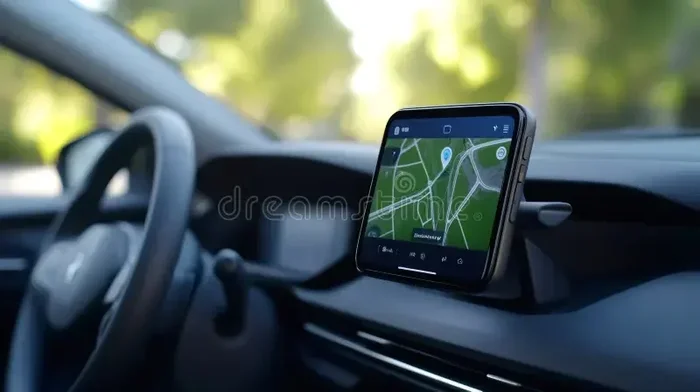
Most systems connect to your phone or a dedicated display unit. You see live alerts, recorded clips, and driving stats right on your screen. Some even send notifications to your phone when you are away from the vehicle.
Top Benefits of Having a Front Camera with Sensor
So why should you consider adding one to your car? The benefits go far beyond simple recording. Here are the biggest reasons this device is a game changer.
1. Enhanced Road Safety
The number one benefit is safety. A car front camera with sensor gives you an extra layer of protection. It warns you about potential collisions before you have time to react. Studies show that forward collision warning systems reduce rear-end crashes significantly.
For example, imagine you are driving on a busy highway. The car ahead suddenly brakes. Your camera sensor system beeps and flashes a warning. You tap your brakes a split second earlier than you normally would. That small reaction time can prevent a serious accident.
2. Reliable Evidence After Accidents
Nobody plans to be in a car accident. But if one happens, footage from your driving recorder can change everything. Insurance companies love clear, timestamped video evidence. It speeds up claims and protects you from false accusations.
Without footage, it often becomes a he-said-she-said situation. With a front camera sensor, the truth is right there on your screen. You can share clips directly with your insurer or law enforcement.
3. Improved Parking and Low-Speed Maneuvers
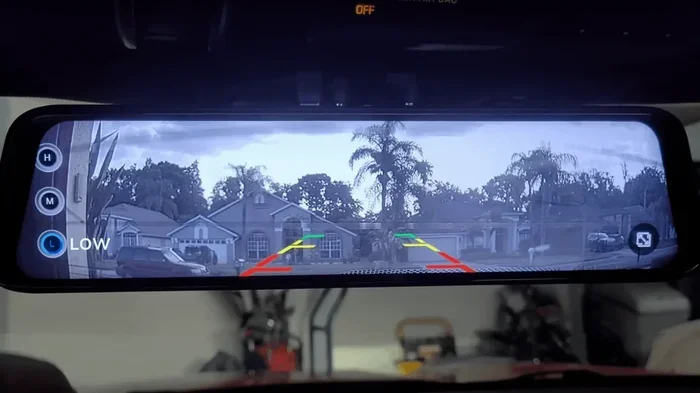
Many front camera sensor systems also assist with parking. They detect obstacles, curbs, and other vehicles when you move slowly. This parking assistance feature is especially helpful in tight spaces or crowded parking lots.
Some systems even draw a visual grid on your display. You can see exactly how close you are to objects. This takes the guesswork out of parallel parking and backing into spots.
4. Better Nighttime Driving
Driving at night is inherently riskier. Visibility drops, and tired drivers are more common. A car front camera with sensor that includes night vision changes the game. It captures clear footage and provides alerts even on poorly lit roads.
You can spot pedestrians, animals, and debris much earlier. The sensor picks up movement that your eyes might miss in the dark. This added awareness keeps you and your passengers safer.
5. Peace of Mind for New Drivers
If you have a teen driver in the family, a front camera sensor system offers incredible peace of mind. You can review their driving habits, check for harsh braking, and see how they handle different road conditions. Some systems even send alerts to your phone if the driver gets too close to another vehicle.
It is like having a co-pilot in the car. New drivers benefit from the extra guidance, and parents feel more confident letting them hit the road.
Key Features to Look For
Not all front camera sensor systems are created equal. When shopping for one, keep these features in mind. They will help you choose the best system for your needs.
Resolution and Image Quality
Look for a camera that records at least 1080p. Higher resolution means clearer footage, which is essential for reading license plates and seeing road details. A high-definition driving recorder makes a big difference when reviewing footage after an incident.
Sensor Range and Accuracy
The sensor should detect objects at a reasonable distance. Most quality systems offer detection ranges of 50 to 200 feet. The wider the range, the more time you have to react. Check for lane departure alert accuracy as well. A good system will not give false alarms but will still catch real dangers.
GPS and Speed Tracking
A built-in GPS module adds valuable context to your recordings. It stamps your location and speed onto each clip. This is helpful for insurance claims and for tracking your driving patterns over time.
Easy Connectivity
Choose a system that connects easily to your smartphone. Wi-Fi and Bluetooth options let you download clips, update firmware, and adjust settings without removing the camera. A good dash camera with radar setup should feel seamless and intuitive.
Storage and Loop Recording
Look for a system with loop recording. This feature automatically overwrites old footage when the memory card is full. You never have to worry about running out of space. A motion detection feature also ensures the camera starts recording the moment it senses movement or impact.
Weather Resistance
Your camera lives on the windshield, exposed to rain, heat, and cold. Make sure it is weather resistant and can handle extreme temperatures. A durable build ensures reliable performance year round.
Common Mistakes to Avoid
Installing a front camera sensor system is straightforward, but people still make avoidable mistakes. Here is what to watch out for.
Wrong Mounting Position
Placing the camera too low or too high ruins its field of view. The lens should sit behind your rearview mirror, centered on the windshield. This position gives the best angle and keeps the camera out of your line of sight.
Ignoring Sensor Calibration
After installation, many systems need calibration. Skipping this step can lead to false alerts or missed warnings. Take the time to follow the setup guide carefully. Proper calibration ensures your collision warning system works accurately.
Choosing the Wrong Power Source
Some cameras plug into the cigarette lighter. Others connect directly to the fuse box. Choosing the wrong power source can lead to inconsistent recording or battery drain. Pick a setup that matches your vehicle and driving habits.
Forgetting Regular Maintenance
A dirty lens gives blurry footage. Wipe your camera lens regularly with a microfiber cloth. Check the memory card for errors and update the firmware when prompted. Simple maintenance keeps your system running at its best.
Expert Insights on Front Camera Sensors
We reached out to automotive safety experts to get their take on front camera sensor technology. Here is what they had to say.
Dr. Sarah Lin, Automotive Safety Researcher: “The combination of a camera and sensor in the front of a vehicle creates a powerful safety net. It addresses both visual and spatial awareness, which are the two biggest gaps in human driving.”
Mike Torres, Certified Auto Technician: “I recommend front camera sensor systems to almost every customer. The installation is simple, the benefits are immediate, and the peace of mind is worth every penny. It is one of the best safety upgrades available today.”
Rachel Kim, Insurance Claims Specialist: “We see a clear difference in claims handled with dash cam footage. When a front camera with sensor is involved, disputes drop significantly. It protects the driver and speeds up the entire process.”
These expert voices confirm what drivers already know: this technology works. It adds a smart safety layer that traditional mirrors and cameras alone cannot match.
How to Choose the Right System for Your Vehicle
With so many options on the market, picking the right one can feel overwhelming. Here are some tips to guide your decision.
First, consider your budget. Basic systems start around $50 and offer solid recording with sensor alerts. Premium models with advanced ADAS features and GPS tracking can cost $200 or more. You do not need to spend a fortune to get great value.
Second, think about your driving environment. If you commute on busy highways, prioritize forward collision warning and lane departure alerts. If you mostly drive in the city, parking assistance and motion detection may matter more.
Third, read reviews and compare models. Look for systems with high ratings for reliability and ease of use. Brands like Garmin, Nextbase, and BlackVue are well known for quality front camera sensor setups.
Finally, check your vehicle compatibility. Some systems work better with certain windshield types or infotainment setups. A quick check with the manufacturer can save you headaches later.
Quick Tips for Getting the Most Out of Your System
- Clean the lens weekly for clear, sharp footage.
- Use a high-speed memory card to prevent recording lag.
- Enable loop recording so you never miss a moment.
- Update firmware regularly for the latest safety features.
- Adjust sensor sensitivity to match your driving style.
- Review footage monthly to spot any driving habits you can improve.
These small habits make a big difference over time. They keep your system accurate, reliable, and ready to protect you when it matters most.
Conclusion
A car front camera with sensor is more than a gadget. It is a smart investment in your safety and your driving experience. From real-time collision warnings to crystal-clear evidence after an accident, this technology delivers real value every time you turn the key.
The road can be unpredictable. Other drivers make mistakes. Weather changes fast. Obstacles appear without warning. A front camera sensor system gives you the awareness and the evidence to handle whatever comes your way. It is a small device that makes a massive impact.
Whether you are a daily commuter, a road trip enthusiast, or a parent teaching a new driver, this technology belongs in your vehicle. It is affordable, easy to install, and incredibly effective. Do not wait for an accident to realize you needed it. Upgrade your car today and drive with confidence tomorrow.
The road ahead is brighter with a car front camera with sensor watching your back. Stay safe, stay aware, and enjoy every mile.
Frequently Asked Questions
Is a car front camera with sensor worth the investment?
Absolutely. The safety benefits alone make it worthwhile. You get real-time collision warnings, lane departure alerts, and clear footage for insurance claims. Most drivers see the value within the first week of use.
Can I install a front camera sensor system myself?
Yes, most systems come with simple mount-and-go installation. You just attach the unit to your windshield, connect it to power, and follow the on-screen setup. If you are comfortable mounting a phone holder, you can handle this installation easily.
Does a front camera with sensor drain my car battery?
Most modern systems are designed to be energy efficient. They draw very little power and often include automatic shutoff features. If you are concerned, choose a model with a parking mode that only activates when motion or impact is detected.
What is the difference between a front camera with sensor and a full ADAS system?
A front camera with sensor is a component of ADAS technology. Full ADAS systems include multiple cameras and sensors across the vehicle for features like adaptive cruise control and automatic emergency braking. A front camera sensor adds valuable safety features to any car, even those without built-in ADAS.
Do I need a fast memory card for my front camera sensor?
Yes, a fast memory card ensures smooth recording and quick file saving. Look for a Class 10 or U3 rated card with at least 64GB of storage. This prevents lag and gives you plenty of room for extended recording sessions.
Can the front camera sensor system help lower my insurance premiums?
Some insurance companies offer discounts for drivers who use dash cams and sensor systems. The footage provides clear evidence that can speed up claims and reduce fraud. Check with your provider to see if they offer any safety device incentives.