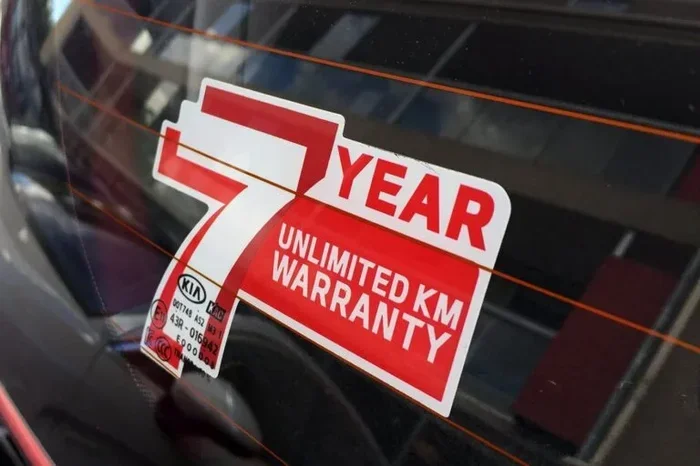
How Long Is a Dealership Warranty and What It Means
A dealership warranty typically lasts between 3 and 5 years or 36,000 to 60,000 miles, but coverage varies widely. Understanding what your new car warranty includes can save you thousands in repair costs. This guide breaks down every warranty type, length, and tip you need to know.
Buying a new car is exciting. But behind that shiny finish and that new car smell is a piece of paper that matters a lot. We are talking about your dealership warranty. It is your safety net. It is your peace of mind. And too many drivers overlook it until something goes wrong.
So, how long is a dealership warranty? The short answer is it depends. Most new car warranties last between 3 and 5 years. But the details matter a lot. Some parts are covered longer than others. Some warranties transfer to new owners. And some drivers do not even realize they have more coverage than they think.
In this guide, we will walk you through everything you need to know. We will cover the different types of vehicle warranty plans. We will explain what is covered and what is not. And we will give you practical tips to make the most of your coverage. Whether you just bought a car or are planning to, this article has you covered.
Key Takeaways
- Standard dealership warranties usually last 3 years or 36,000 miles, whichever comes first.
- Powertrain warranties often extend longer, covering 5 years or 60,000 miles on many models.
- Bumper-to-bumper coverage is the most comprehensive but excludes wear-and-tear items.
- You can extend your warranty through the dealership or a third-party provider.
- Regular maintenance keeps your warranty valid and avoids claim denials.
- Know your warranty expiration date to plan repairs and avoid out-of-pocket costs.
📑 Table of Contents
What Is a Dealership Warranty?
A dealership warranty is a promise from the manufacturer or dealer to repair or replace certain parts of your vehicle. It acts like an insurance policy for your car. When something breaks down due to a defect or malfunction, the warranty pays for the fix. You do not have to foot the entire bill.
Most factory warranties come with every new car. They are included in the purchase price. You do not need to buy them separately. But used cars may also have remaining warranty coverage. And some dealerships offer additional extended warranty plans for extra protection.
How Factory Warranties Work
When you drive a new car off the lot, the factory warranty starts immediately. It covers repairs for a set period or mileage. The two most common limits are time and distance. Once you hit either one, the warranty expires. From that point on, you are responsible for all repair costs.
Factory warranties are backed by the manufacturer. They apply at any authorized dealership. So if you buy a Toyota in Texas, you can still get service at a Toyota dealership in California. This is a huge benefit for drivers who travel or relocate. Just make sure you keep all your service records handy.
How Long Does a Dealership Warranty Last?
The length of a dealership warranty depends on several factors. The type of warranty, the manufacturer, and the model all play a role. Here is a breakdown of the most common warranty timelines.
Bumper-to-Bumper Warranty Length
The bumper-to-bumper warranty is the most common type. It covers almost everything on your car. Most manufacturers set this at 3 years or 36,000 miles. Some brands go longer. For example, certain luxury brands offer 4 years or 50,000 miles. Always check the specific terms for your vehicle.
This warranty is called bumper-to-bumper because it covers parts from front to back. It includes the electrical system, the audio system, the air conditioning, and more. But it does not cover wear-and-tear items. Things like brake pads, wiper blades, and tires are excluded.
Powertrain Warranty Length
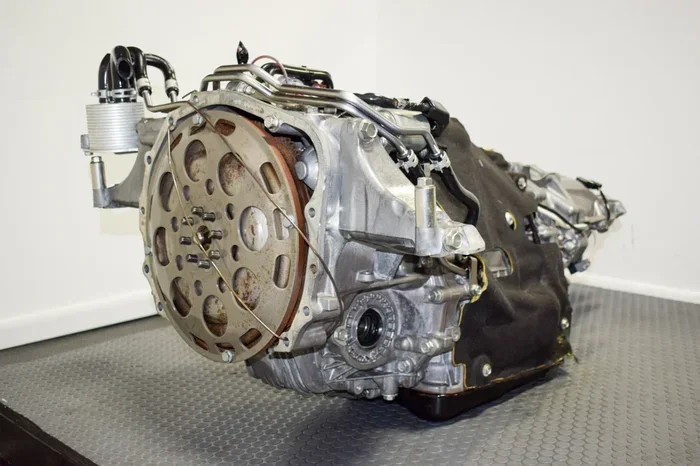
The powertrain warranty lasts longer than the bumper-to-bumper plan. It covers the engine, transmission, and drivetrain. Most powertrain warranties last 5 years or 60,000 miles. Some manufacturers push this even further.
Why does the powertrain warranty last longer? Because these parts are expensive to replace. A new engine or transmission can cost thousands of dollars. The longer coverage gives you more protection for the most critical parts of your vehicle. This is one of the best things about a new car warranty.
Corrosion and Roadside Assistance Coverage
Two other common warranty types are corrosion coverage and roadside assistance. Corrosion warranty protects against rust and perforation. It often lasts 5 to 7 years. Roadside assistance usually covers 2 to 3 years. It includes towing, flat tire changes, and lockout services.
| Warranty Type | Typical Duration | What It Covers |
|---|---|---|
| Bumper-to-Bumper | 3 years / 36,000 miles | Most vehicle components |
| Powertrain | 5 years / 60,000 miles | Engine, transmission, drivetrain |
| Corrosion | 5 to 7 years | Rust and metal perforation |
| Roadside Assistance | 2 to 3 years | Towing, flat tire, lockout |
What Does a Dealership Warranty Cover?
Understanding what your warranty coverage includes is essential. Not everything is covered. And knowing the limits can save you from surprises.
Parts and Systems Included
Most bumper-to-bumper warranties cover the following:
- Engine components including internal parts and gaskets
- Transmission systems and related electronics
- Electrical systems like the infotainment unit and sensors
- Air conditioning and heating systems
- Fuel system components
- Suspension and steering parts
- Brakes (excluding pads and rotors in some cases)
These are the major systems that can fail unexpectedly. A warranty claim for any of these areas is usually straightforward. As long as the issue is not caused by wear, misuse, or neglect, you should be covered.
What Is Not Covered
Every warranty has exclusions. Common items not covered include:
- Brake pads and rotors
- Windshield wipers
- Tires and tread wear
- Battery degradation (in most cases)
- Damage from accidents or collisions
- Damage from neglect or lack of maintenance
- Cosmetic issues like scratches or dents
These exclusions make sense. They are considered normal wear items. Regular maintenance keeps them in good shape. And they are relatively inexpensive to replace. But it is still important to know what is not covered before you need a repair.
Types of Dealership Warranties
Not all warranties are the same. Different types serve different purposes. Let us look at the main options available.
Manufacturer Warranty
The manufacturer warranty comes with every new vehicle. It is the most basic form of coverage. It is backed by the car maker. Most manufacturers offer strong warranty programs to build trust with buyers. Brands like Toyota and Honda are known for reliable warranty coverage.
Certified Pre-Owned Warranty
Buying a certified pre-owned vehicle is a smart move. These cars come with extended warranty coverage. They have been inspected and reconditioned by the manufacturer. The warranty is often longer than a standard used car warranty. This gives buyers extra confidence in their purchase.
Extended Warranty or Service Contract
An extended warranty goes beyond the factory coverage. It can be purchased from the dealership or a third party. Extended warranties cover repairs after the factory warranty expires. They are especially useful for older vehicles or high-mileage drivers.
However, extended warranties vary widely in quality. Some are excellent. Others have many exclusions and high deductibles. Always read the fine print. And compare options before you commit. This is similar to learning how to avoid car salesman tricks because some dealers may push unnecessary add-ons.
Warranty Transferability
One important feature of many factory warranties is transferability. If you sell your car, the remaining warranty can pass to the new owner. This adds value to your vehicle. Buyers love knowing they have coverage. Not all warranties transfer, so check your specific terms.
For example, if you buy a car with a 5-year warranty and sell it after 2 years, the new owner gets the remaining 3 years of coverage. This can make your car more attractive on the resale market. You can also check how to determine the actual cash value of a car to understand how warranty coverage affects resale price.
How to Make the Most of Your Dealership Warranty
Having a warranty is great. But knowing how to use it properly is even better. Follow these tips to get the most value from your vehicle warranty.
Keep Detailed Maintenance Records
Your warranty requires regular maintenance. You must follow the manufacturer’s service schedule. Keep every receipt and service invoice. If you ever need to file a warranty claim, these records prove you took proper care of the vehicle.
Skipping oil changes or ignoring recommended services can void your warranty. Do not let a small oversight cost you big. Stay on top of your maintenance schedule. Your future self will thank you.
Understand Your Warranty Expiration Date
Know exactly when your warranty ends. Mark the date on your calendar. Set a reminder a few months before expiration. This gives you time to plan for any needed repairs. It also gives you time to consider an extended warranty if you want continued coverage.
Many drivers find out too late that their coverage has expired. Then they face a costly repair bill. Avoid this by staying aware of your warranty timeline. You can also ask your dealer about the remaining coverage if you are buying used.
Visit Authorized Dealerships for Service
To keep your warranty valid, get service at authorized locations. For many vehicles, this means visiting the brand’s dealership. For instance, if you own a Toyota, you might wonder, can I take my Toyota to any dealership for warranty work? The answer is usually yes for warranty-related repairs.
However, some warranties allow independent shops. Check your specific warranty documents. Using an unauthorized shop could lead to a denied claim. And a denied claim means you pay out of pocket. That is a risk not worth taking.
Read the Fine Print
Every warranty document has details. Some components have shorter coverage periods than others. For example, the battery or exhaust system might have a 2-year limit even under a 5-year powertrain warranty. Read every section carefully. Ask your dealer about anything you do not understand.
Also, pay attention to deductible amounts. Some warranties require you to pay a deductible per claim. This can range from $100 to several hundred dollars. Knowing this upfront helps you budget for repairs.
Common Warranty Mistakes to Avoid
Even the best warranty can become useless if you make mistakes. Here are the most common errors drivers make with their dealership warranty.
Missing Maintenance Appointments
This is the number one warranty killer. Skipping oil changes or tune-ups can void your coverage. Manufacturers require proof of regular service. Without it, they can deny your claim. Set reminders. Keep a log. Make every scheduled appointment.
Modifying Your Vehicle
Aftermarket modifications can cause warranty issues. If a part you added causes damage, the manufacturer may refuse to cover it. For example, if an aftermarket intake system damages your engine, the powertrain claim could be denied. Stick to factory parts whenever possible.
Ignoring Warning Signs
Do not ignore dashboard warning lights. If you see a check engine light, address it quickly. Ignoring problems can turn a small repair into a big one. And it could also void parts of your warranty. Early detection saves money and keeps your coverage intact.
Assuming Everything Is Covered
Not every repair is covered. Wear-and-tear items are excluded. Accident damage is excluded. Environmental damage may also be excluded. Know the limits of your coverage. This prevents frustration when a claim is denied.
Understanding your warranty is just as important as having one. If you are researching values to understand what your car might be worth with or without warranty, you can explore how reliable NADA values are for additional insights on vehicle valuation.
When Should You Consider an Extended Warranty?
A factory warranty covers you for the first few years. But what happens after it expires? For many drivers, this is a stressful time. Repair costs can pile up quickly. An extended warranty can bridge that gap.
Consider an extended warranty if any of these apply to you. You drive a lot of miles each year. You keep your car for many years. You own a model with expensive repair costs. Or you simply want the peace of mind that comes with coverage.
Extended warranties come in different forms. Some are comprehensive like bumper-to-bumper coverage. Others are limited to specific systems. Compare options carefully. Look at coverage limits, deductibles, and exclusions. A good extended warranty should give you real value, not just a false sense of security.
Final Thoughts
Your dealership warranty is one of the most valuable parts of car ownership. It protects you from unexpected repair costs. It gives you confidence on the road. And it can even boost your resale value. But only if you understand it and use it properly.
Take the time to read your warranty documents. Know the coverage limits. Keep your maintenance records. And plan ahead for when the warranty expires. These simple steps can save you thousands of dollars over the life of your vehicle.
Whether you have a new car or a certified pre-owned one, your warranty matters. Treat it well. It will treat you well in return. Drive confidently knowing you have the protection you need.
Frequently Asked Questions
How long does a standard dealership warranty last?
Most dealership warranties last 3 years or 36,000 miles for bumper-to-bumper coverage. Powertrain warranties typically extend to 5 years or 60,000 miles. Always check your specific vehicle’s warranty documents for exact details.
Can I extend my dealership warranty after it expires?
Yes, you can purchase an extended warranty through your dealership or a third-party provider. Extended warranties cover repairs after the factory warranty ends. Compare plans carefully to find one that fits your needs and budget.
Does a dealership warranty cover accidents?
No, dealership warranties do not cover accident damage. They only cover defects and malfunctions in covered parts. Accident damage is typically handled through insurance claims, not warranty claims.
Can I take my car to any shop and still keep my warranty valid?
It depends on your warranty terms. Many modern warranties allow service at independent shops as long as proper maintenance is performed. However, some warranties require dealership service. Check your warranty documents or ask your dealer to be sure.
What happens if I miss a scheduled maintenance appointment?
Missing maintenance can void parts of your warranty. Manufacturers require proof of regular service. If you miss an appointment, reschedule it as soon as possible and keep all records. Consistency is key to keeping your warranty active.
Are certified pre-owned vehicles still under warranty?
Yes, certified pre-owned vehicles come with extended warranty coverage. These warranties are backed by the manufacturer and offer peace of mind. The coverage length and terms vary by brand and program.