Are Honda Civics Reliable Here Is What You Need To Know
Are Honda Civics Reliable? The short answer is yes — Honda Civics have earned a strong reputation for dependability over decades. These cars consistently rank high in reliability ratings, offer low maintenance costs, and hold their value well. Whether you are buying new or used, the Civic remains one of the most trusted compact sedans on the road. Let us break down everything you need to know.
When you think about buying a reliable car, the Honda Civic probably pops up on your list. And for good reason. This little sedan has been a favorite among drivers for over five decades. But are Honda Civics reliable in the real world, not just on paper?
The answer is a resounding yes. Honda has built a legacy of making cars that last. The Civic sits right at the heart of that reputation. People buy Civics and keep them for 200,000 miles or more. That kind of track record does not happen by accident. It comes from smart engineering, solid build quality, and a brand that listens to what owners need.
In this article, we will dive deep into Honda Civic reliability. We will look at how different generations perform, what common problems to watch for, and what it costs to keep one running smoothly. We will also compare the Civic to rival cars and help you decide if a used model is worth your money. By the end, you will have a clear picture of what to expect.
Key Takeaways
- Honda Civics are highly reliable: They consistently earn top marks in long-term dependability studies.
- Low maintenance costs: Routine repairs and upkeep are affordable compared to competitors.
- Strong resale value: Civics hold their value remarkably well over time.
- Common issues exist: Some generations have known problems like transmission wear and electrical gremlins.
- Safety ratings are excellent: Most recent models earn top crash test scores.
- Fuel economy is impressive: Civics deliver great mileage, making them budget-friendly daily drivers.
- Buying used is smart: A well-maintained used Civic can serve you reliably for many years.
📑 Table of Contents
Understanding Honda Civic Reliability
Before we get into the details, let us talk about what makes a car reliable in the first place. Reliability means the car does what it is supposed to do without breaking down often. It means fewer trips to the mechanic and lower repair bills over time. For Honda Civic owners, this is exactly what they get.
Several organizations track car reliability every year. Consumer Reports, J.D. Power, and RepairPal all give the Civic high marks. These ratings come from real owner surveys and actual repair data. They are not just guesses. They reflect what thousands of drivers experience day after day.
Honda Civics also benefit from a simple but effective design. The engineering team focuses on proven technology rather than flashy gimmicks. This approach means fewer things can go wrong. When something does need fixing, the parts are usually affordable and easy to find. That combination of simplicity and quality is the foundation of Honda Civic reliability.
What Makes the Civic So dependable?
There are a few reasons the Civic stands out. First, Honda uses durable materials in their engines and transmissions. The Civic engine is known for lasting well beyond 200,000 miles with proper care. Second, Honda designs their cars with regular maintenance in mind. Oil changes, brake pads, and air filters are easy to access and affordable to replace.
Third, the Civic has a massive global support network. Mechanics everywhere know how to work on these cars. You are never stuck waiting for a specialist. And finally, Honda listens to feedback. When owners report issues, Honda addresses them in future model years. This continuous improvement cycle keeps the Civic moving forward as one of the most dependable compact cars available.
Honda Civic Reliability by Generation
Not all Civics are created equal. Different generations have different strengths and weaknesses. Let us walk through the major eras and see how they stack up.
Early Generations (1972-1991)
The first Civics were simple, lightweight, and incredibly efficient. These cars were built during a time when fuel economy mattered most. Early models used basic engines that proved remarkably tough. Many owners still drive 1980s Honda Civics on the road today. These cars are simple machines with fewer electronic parts that can fail. That simplicity is a big reason they last so long.
8th Generation (2006-2011)
The 8th generation Civic brought more features and refinement. However, it also introduced some reliability concerns. The 8th generation Civic transmission received mixed reviews. Some owners reported premature wear in the automatic transmission. Electrical issues also appeared more frequently in this era. Despite these problems, many 8th gen Civics still run beautifully today. Regular maintenance makes a huge difference.
9th Generation (2012-2015)
The 9th generation marked a return to form. Honda fixed many of the issues from the 8th gen. The engines became more refined and durable. This generation also saw improved Civic fuel economy and better build quality. Owners reported fewer electrical problems and smoother transmissions. The 9th gen Civic is often considered one of the most reliable modern models.
10th Generation (2016-2021)
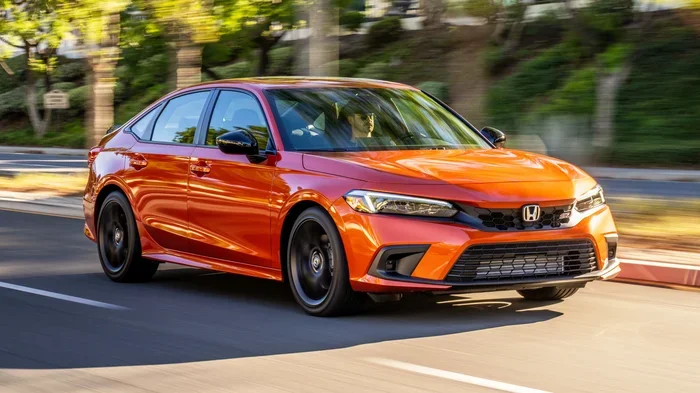
The 10th generation Civic brought a more modern and stylish design. It also introduced a turbocharged engine option. 10th generation Honda Civics have generally been very reliable. The turbocharged 1.5-liter engine has proven to be a strong performer. Some owners have noted minor issues with the infotainment system. But the core mechanical reliability remains excellent. This generation holds up well in long-term ownership tests.
11th Generation (2022-Present)
The newest Civic is just getting started in the reliability tracking world. Early data looks very promising. The 11th gen features updated safety technology and improved efficiency. Honda continues to use proven powertrain designs. Time will tell how this generation ages, but the foundation looks solid. 2022 and newer Honda Civics are already earning praise from early reviewers and owners.
Common Honda Civic Problems to Watch For
No car is perfect. Even the most reliable vehicles have known issues. Understanding these problems helps you make a smarter buying decision. Here are the most common Honda Civic problems reported by owners.
Engine and Transmission Issues
The vast majority of Civics never have serious engine trouble. However, some generations have had transmission concerns. The 8th generation automatic transmission is the most commonly cited issue. Symptoms include rough shifting or hesitation during acceleration. In most cases, regular fluid changes prevent these problems. The 10th gen turbocharged engine has also drawn some attention. A small number of owners reported oil consumption issues. Honda addressed this with updated engine components in later model years.
Electrical and Interior Concerns
Electrical gremlins can affect any car. In some Civics, owners have reported issues with the power windows, infotainment screen, or sensor systems. These problems tend to be more common in higher-mileage vehicles. The interior materials in earlier generations also showed wear faster than some competitors. Scratches on the dashboard and worn seat fabric are frequently mentioned. Newer models have addressed many of these concerns with better materials and improved electronics.
Rust and Exterior Wear
Older Civics, especially those from the 1990s and early 2000s, can develop rust on the wheel wells and rocker panels. Regular washing and undercoating help prevent this. Modern Civics use better corrosion-resistant steel, so rust is much less of a concern today. Still, any car exposed to road salt needs periodic inspection.
Quick Tips for Avoiding Common Problems
- Change your oil regularly: Every 5,000 to 7,500 miles with quality synthetic oil.
- Check transmission fluid: Inspect it at 60,000-mile intervals and change as needed.
- Wash the undercarriage: Especially in winter months when road salt is used.
- Address small issues early: A minor noise today can become a major repair tomorrow.
- Keep up with scheduled maintenance: Follow the factory service schedule closely.
Honda Civic Maintenance Costs
One of the biggest advantages of owning a Civic is the low cost of ownership. Compared to many competitors, Honda Civics are inexpensive to maintain. Let us break down what you can expect.
Routine Maintenance Expenses
Basic maintenance on a Civic is straightforward and affordable. An oil change typically costs between $40 and $70 at a standard shop. Brake pads usually last 40,000 to 60,000 miles and cost around $150 to $250 to replace. Air filters and cabin filters are cheap and easy to swap yourself. Tires on a Civic are also reasonably priced, with most sets costing $400 to $600.
Overall, annual maintenance costs for a Honda Civic average around $300 to $500. That is well below the industry average for compact sedans. This is one of the main reasons Honda Civic reliability scores so high. When repairs are simple and parts are affordable, owners keep their cars longer and healthier.
Major Repair Costs
Major repairs are rare but can happen. A new Civic transmission can cost $3,000 to $5,000 if it fails. Engine replacements are uncommon but may run $4,000 to $6,000. However, these are worst-case scenarios. Most Civics never need either of these repairs. Regular maintenance dramatically reduces the risk of major failures. Many owners report spending less than $1,000 per year on all repairs combined during the first 10 years of ownership.
Expert Insight
Automotive analysts consistently rank Honda near the top for cost-effective ownership. The Civic appears in nearly every “best value compact car” list year after year. The combination of reliability, fuel savings, and low repair costs makes it a standout choice for budget-conscious buyers.
Honda Civic Safety and Ratings
Reliability is not just about the engine running smoothly. Safety is a huge part of the overall ownership experience. Honda Civics have earned strong safety marks across the board.
Crash Test Performance
The Insurance Institute for Highway Safety (IIHS) has awarded the Civic its Top Safety Pick rating in recent years. The National Highway Traffic Safety Administration (NHTSA) gives most Civic models 4 or 5 stars overall. These ratings reflect strong crash test performance across multiple categories. Honda also equips most Civics with a solid suite of standard safety features, including forward collision warning and lane-keeping assist.
Consumer Reports and J.D. Power Scores
Consumer Reports gives the Honda Civic high predicted reliability scores. The car consistently earns ratings of 4 out of 5 or better. J.D. Power rates the Civic above average in initial quality and long-term dependability. These scores reflect real-world data from thousands of vehicle owners. When you see these ratings, you know the Honda Civic reliability is backed by hard numbers, not just marketing claims.
Honda Civic vs. Competitors in Reliability
How does the Civic stack up against other popular compact cars? Let us compare it to some of the most common alternatives.
| Vehicle | Reliability Rating | Avg. Annual Maintenance Cost | Resale Value (5-Year) |
|---|---|---|---|
| Honda Civic | Excellent | $350 | 60-65% |
| Toyota Corolla | Excellent | $370 | 58-63% |
| Hyundai Elantra | Good | $400 | 50-55% |
| Mazda3 | Very Good | $390 | 52-57% |
| Ford Focus (discontinued) | Average | $420 | 40-45% |
The Civic holds its own against the Toyota Corolla, which is its biggest rival. Both cars offer excellent reliability and low ownership costs. The Civic often edges ahead in driving dynamics and interior space. The Corolla may have a slight advantage in long-term resale. But overall, both are outstanding choices for anyone prioritizing Honda Civic reliability or Toyota dependability.
Is a Used Honda Civic Worth Buying?
Buying a used Civic is one of the smartest moves a car shopper can make. The Honda Civic resale value is among the best in the compact car segment. This means used Civics hold their price well, and you get more value for your dollar.
A 2015 or 2016 Civic with 60,000 to 80,000 miles can be found at a very reasonable price. These cars still have many years of reliable service left. The 9th and 10th generation models are particularly well-regarded for long-term ownership. Just make sure to get a pre-purchase inspection from a trusted mechanic. Check the maintenance records and look for any signs of neglect.
When shopping for a used Civic, pay attention to the specific generation. Avoid models with known transmission issues unless you can verify the work has been done. Look for clean titles and complete service histories. A well-cared-for used Civic can easily deliver 200,000 miles or more with proper maintenance.
Common Mistakes to Avoid
- Skipping the pre-purchase inspection: Always get a professional check before buying any used car.
- Ignoring maintenance records: A car with no service history is a gamble.
- Buying based on looks alone: Exterior condition does not always reflect mechanical health.
- Overlooking transmission health: Test drive carefully and listen for unusual shifting behavior.
- Choosing the cheapest option: The lowest price often comes with hidden problems.
Key Takeaways on Honda Civic Reliability
The Honda Civic is one of the most reliable compact cars you can buy. Decades of consistent performance, low maintenance costs, and strong safety ratings back this up. Whether you choose a brand-new model or a well-maintained used one, the Civic delivers excellent value and peace of mind. It is no wonder that millions of drivers around the world trust the Civic as their daily driver. If reliability is your top priority, the Honda Civic should be at the very top of your list.
Keep up with regular maintenance, address small issues quickly, and your Civic will reward you with years of dependable service. Are Honda Civics reliable? The data, the ratings, and the owners all say yes. This car has earned its reputation, and it continues to prove itself year after year.
Frequently Asked Questions
How long do Honda Civics typically last?
With proper maintenance, a Honda Civic can easily last 200,000 miles or more. Many owners report crossing the 300,000-mile mark. Regular oil changes, timely repairs, and gentle driving all contribute to a long lifespan. The engine and transmission are built to withstand years of daily use.
What is the most common problem with Honda Civics?
The most commonly reported issue involves the automatic transmission in certain generations, particularly the 8th generation. Other frequent concerns include minor electrical gremlins and interior wear over time. However, these problems are manageable and often preventable with proper maintenance.
Are Honda Civics expensive to maintain?
No, Honda Civics are among the most affordable cars to maintain. Annual maintenance costs average around $300 to $500, which is below the compact car industry average. Parts are widely available and reasonably priced. Most routine services are simple and quick.
Is it better to buy a new or used Honda Civic?
Both options have merit. A new Civic comes with a warranty and the latest features. A used Civic offers better value and lower depreciation. If you buy a used model, focus on well-maintained examples with complete service records. A 3 to 5-year-old Civic often provides the best balance of cost and reliability.
How does the Honda Civic compare to the Toyota Corolla in reliability?
The Civic and Corolla are very close in reliability. Both earn excellent ratings from Consumer Reports and J.D. Power. The Civic often scores slightly higher in driving enjoyment and interior space. The Corolla may have a slight edge in resale value. Either choice is a smart one for reliability-minded buyers.
Do Honda Civics hold their value well?
Yes, Honda Civics are known for strong resale value. On average, a Civic retains about 60 to 65% of its value after five years. This is well above the industry average for compact sedans. The combination of reliability and demand keeps used Civic prices strong in the market.
=== CONCLUSION ===
Are Honda Civics reliable? The answer is a clear and confident yes. The Honda Civic has proven itself over decades as one of the most dependable compact cars on the market. From its early days to the latest 11th generation, the Civic delivers consistent performance, low ownership costs, and excellent safety ratings. Whether you are a first-time buyer or a seasoned car owner, the Civic deserves a spot on your shortlist.
Remember to stay on top of routine maintenance. Address small issues before they grow. And when buying used, always do your homework. A Honda Civic, when cared for properly, will serve you faithfully for many years to come. Trust the data, trust the owners, and trust the legacy of Honda Civic reliability. You will not be disappointed.