Why Is My Oil Light Still On After Getting an Oil Change
Your oil light staying on after an oil change is more common than you think and usually has a simple explanation. Whether it’s a faulty sensor, low oil pressure, or a reset issue, this guide walks you through every possible cause and fix. Understanding why the light won’t turn off saves you time, money, and unnecessary worry.
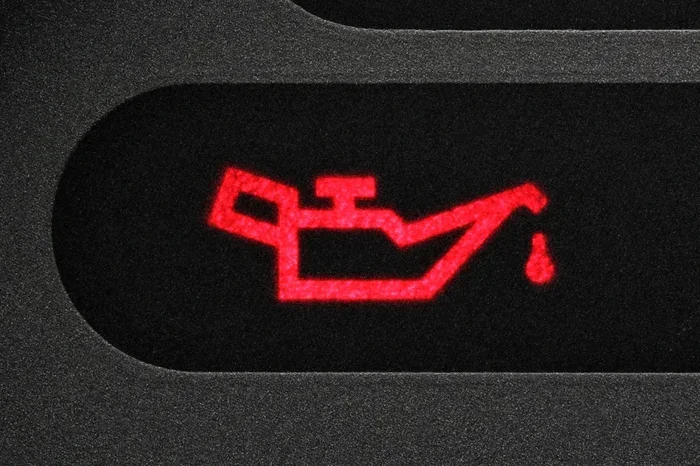
You just got your oil changed. You left the shop feeling great. Then you start the car, and there it is — the oil light is still glowing on your dashboard. It is frustrating, right? You did everything right. You paid for the service. So why is the warning still there?
The truth is, an oil light staying on after an oil change happens more often than most people realize. It does not always mean something went wrong at the shop. Sometimes it is a simple fix you can handle at home. Other times, it signals a deeper issue that needs attention. Either way, you should not ignore it.
In this article, we will go through every reason your oil light might still be on after an oil change. We will cover easy DIY checks, common mistakes, and when it is time to see a mechanic. By the end, you will know exactly what to do and how to protect your engine.
Key Takeaways
- Sensor issues are the #1 culprit: A dirty or malfunctioning oil pressure sensor often triggers the light even when oil levels are fine.
- Resetting the system is essential: Many cars need a manual oil life reset after an oil change for the light to turn off.
- Low oil level or wrong oil type can cause the problem: Always verify oil level and use the manufacturer-recommended viscosity.
- A faulty oil pump or clogged filter may be serious: These issues require professional diagnosis and repair.
- Don’t ignore the light: Driving with an active oil warning can lead to engine damage over time.
- DIY checks can save you a trip to the shop: Simple steps like checking the dipstick and oil cap can reveal the problem fast.
- When in doubt, consult a pro: Some causes need expert tools and knowledge to diagnose properly.
📑 Table of Contents
- Understanding Your Oil Light and What It Means
- Top Reasons Your Oil Light Stays On After an Oil Change
- Quick Steps to Take Right Now
- Common Mistakes That Cause Oil Light Problems
- When to See a Mechanic
- How to Prevent Oil Light Issues in the Future
- Expert Insight: What Mechanics Wish You Knew
- Frequently Asked Questions
Understanding Your Oil Light and What It Means
Before diving into the causes, let us understand what the oil light actually does. Many drivers confuse it with other dashboard warnings. But the oil light specifically monitors your engine’s oil pressure and sometimes your oil level too.
Oil Pressure vs. Oil Level
These are two different things, and your car may have separate sensors for each. Oil pressure means the force at which oil flows through your engine. Oil level is simply how much oil is in the pan. A light can come on because of either one — or both.
Some vehicles use a single sensor for both warnings. Others have separate indicators. If you are not sure which system your car uses, check your owner’s manual. It will explain exactly what each warning means for your specific model.
Why the Oil Light Matters
Your engine has many moving parts that spin at high speed. Engine oil acts as a lubricant, reducing friction and preventing metal-on-metal contact. Without proper oil circulation, those parts grind against each other. Within minutes, this can cause permanent engine damage.
This is why the oil warning light exists. It is your car’s way of saying, “Hey, something is wrong with the oil system. Check it now.” Ignoring it is one of the fastest ways to destroy an engine.
Top Reasons Your Oil Light Stays On After an Oil Change
Now let us get into the meat of the topic. Here are the most common reasons the oil light remains illuminated even after you have had fresh oil added.
1. The Oil Sensor Is Dirty or Faulty
This is the number one reason the light stays on after an oil change. The oil pressure sensor is a small component that measures oil pressure and sends signals to your car’s computer. Over time, it can get coated in oil sludge or debris.
When the sensor is dirty, it may send false readings. Your car thinks oil pressure is low, so it keeps the light on — even though everything is actually fine. This is especially common if you had a lot of old, dirty oil drained out during the service.
A mechanic can test the sensor with a diagnostic tool. Replacing a faulty sensor is usually inexpensive and takes just a few minutes. If you recently had your oil changed at a quick-lube shop, they may not have checked the sensor during the service.
2. The Oil System Was Not Reset
Modern vehicles have an oil life monitor that tracks when your next oil change is due. After an oil change, this system needs to be manually reset. If the technician forgets to do this, the light may stay on or come back on shortly after.
Different cars have different reset procedures. Some require holding a button on the dashboard. Others need a series of steps through the infotainment system. Your owner’s manual will have the exact steps. You can also search online for your specific make and model.
For example, if you drive a Toyota, the reset process is slightly different than for a Honda or Ford. Learning how to reset your oil life monitor is a quick skill that saves time and money at every oil change.
3. Low Oil Level After the Change
Sometimes the shop simply did not add enough oil. Every engine has a specific oil capacity. If the technician underfilled it, the oil level drops below the minimum threshold. The sensor detects this and triggers the warning light.
This is easy to check at home. Wait a few minutes after turning off the engine. Pull out the dipstick, wipe it clean, reinsert it, and check the level. It should fall between the minimum and maximum marks. If it is below the minimum, you need to add more oil.
Always use the oil type recommended by your manufacturer. Using the wrong oil viscosity — like putting 5W-30 in an engine that needs 5W-20 — can also cause issues. For more on this topic, check out our guide on does it really matter what oil I put in my car.
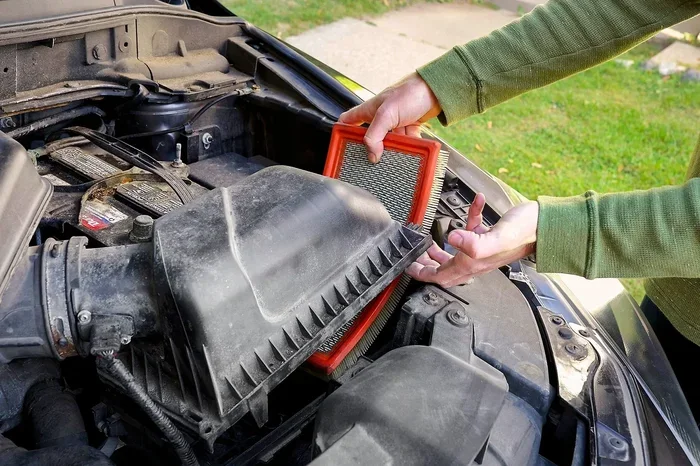
4. A Clogged or Wrong Oil Filter
The oil filter removes contaminants from your engine oil. During an oil change, the old filter is replaced with a new one. But sometimes the wrong filter is installed, or the new filter is defective.
A clogged filter restricts oil flow through the engine. This drops oil pressure and triggers the warning light. In some cases, a cheap or incompatible filter may not seal properly, causing leaks that lower the oil level over time.
If you did the oil change yourself, double-check that the filter matches your vehicle’s specifications. If you had it done at a shop, ask them to verify the filter part number. A quality oil and filter change includes checking both components carefully.
5. A Faulty Oil Pump
The oil pump is responsible for circulating oil throughout the engine. If the pump is failing, it cannot maintain proper pressure, and the light will come on. This is a less common cause but a serious one.
Signs of a failing oil pump include a grinding noise from the engine, oil pressure dropping at high speeds, and the warning light flickering on and off. If you notice any of these symptoms, get to a mechanic right away. Driving with a bad oil pump can result in catastrophic engine failure.
6. Air in the Oil System
After an oil change, air bubbles can sometimes get trapped in the system. This is more common with certain engine designs. Air in the oil lines can cause temporary drops in oil pressure, which triggers the sensor and keeps the light on.
Usually, running the engine for a few minutes after an oil change allows the air to work its way out. If the light persists after several start-stop cycles, there may be another issue at play.
7. The Oil Cap Was Not Tightened Properly
It sounds simple, but a loose oil cap can cause problems. If the cap is not screwed on tightly after the oil change, oil can slowly leak out. This reduces the oil level and triggers the warning light.
Always check the oil cap after any service. It should sit snugly without being over-tightened. A cross-threaded cap can also cause leaks and sensor issues.
Quick Steps to Take Right Now
If your oil light is still on after an oil change, do not panic. Follow these steps to diagnose the issue:
- Check the oil level using the dipstick. Add oil if needed.
- Look under the car for any visible oil leaks.
- Verify the oil cap is tight and properly seated.
- Try resetting the oil light using your vehicle’s manual reset procedure.
- Listen for unusual noises like knocking or ticking from the engine.
- Visit a mechanic if the light stays on after all of the above steps.
These simple checks take just a few minutes and can often solve the problem without a trip to the shop. Many drivers have resolved this exact issue just by checking the dipstick and adding a quart of oil.
Common Mistakes That Cause Oil Light Problems
Some mistakes during an oil change can lead to the light staying on. Here are the ones to watch out for:
- Overfilling the oil: Too much oil can cause foaming, which reduces lubrication and may trigger the sensor. If you are concerned about overfilling, check out our article on can I drive my car with too much oil in it.
- Using the wrong oil type: Not all oils are created equal. Using incorrect oil viscosity affects how well the oil flows and protects your engine.
- Skipping the oil filter replacement: Some quick-service places try to save time by reusing old filters. Always insist on a new one.
- Forgetting to reset the system: This is the most overlooked step and the easiest to fix.
- Not checking for leaks: A small drip under the car after an oil change can indicate a loose drain plug or a bad gasket.
Avoiding these mistakes ensures your oil change procedure goes smoothly and your engine stays protected.
When to See a Mechanic
Most of the time, the oil light issue resolves with a simple fix. But some situations require professional help. Here is when you should take your car to a mechanic:
- The light stays on after you have checked the oil level and added more oil.
- You hear unusual engine noises like knocking or ticking.
- You notice oil leaks under the car that do not stop.
- The oil pressure gauge reads zero or very low.
- The light comes on and off intermittently while driving.
- You recently had work done and suspect something was installed incorrectly.
A mechanic has the tools to read oil pressure directly and test the sensor with precision equipment. They can also inspect the oil pump and internal engine components if needed. Do not wait too long to seek help. Prolonged driving with low oil pressure can cause expensive damage.
How to Prevent Oil Light Issues in the Future
Once you have resolved the issue, you want to make sure it does not happen again. Here are some tips to keep your oil system healthy:
- Stick to your manufacturer’s oil change interval. Check your owner’s manual for the recommended schedule. For guidance on when to change oil based on percentage, see our article on at what percent oil life should you change oil.
- Use the recommended oil type and viscosity. Every engine is designed for a specific oil weight. Using the right one ensures proper oil circulation and protection.
- Check your oil level regularly. A quick dipstick check once a month takes less than five minutes and catches problems early.
- Always replace the oil filter. A clean filter keeps oil flowing freely and prevents contamination.
- Reset the oil life monitor after every change. Make this a non-negotiable step in your oil change routine.
- Watch for warning signs. If the oil light flickers or comes on unexpectedly, do not ignore it. Address it immediately.
Taking these preventive steps keeps your engine running smoothly and helps you avoid unexpected dashboard warnings. It also extends the life of your vehicle significantly.
Expert Insight: What Mechanics Wish You Knew
We asked a few experienced mechanics what they wish every driver understood about the oil light. Here is what they had to say:
“The oil light is not a suggestion — it is a warning,” says Jake M., a certified mechanic with over 15 years of experience. “I see customers every week who drove for weeks with the light on. By the time they bring it in, the engine has already suffered damage.”
“Most oil light issues after a change are sensor-related,” adds Maria T., who has worked at dealerships and independent shops. “Before replacing any parts, always check the sensor and make sure the oil level is correct. Nine times out of ten, that solves the problem.”
“Never assume a quick-lube shop did everything right,” warns David K. “Always verify your oil level yourself after any service. It takes 30 seconds and can save you thousands in engine repairs.”
These insights highlight the importance of staying proactive about your vehicle’s engine oil health. You are your car’s best advocate.
Frequently Asked Questions
Can I drive my car if the oil light is on after an oil change?
It is not recommended. Even if the oil level looks fine, the light indicates a potential issue with oil pressure or the sensor system. Driving with an active oil warning can lead to engine damage. Have the car towed or get it checked immediately.
How do I reset my oil light after an oil change?
The reset procedure varies by vehicle. Most often, you need to turn the ignition to the “on” position (without starting the engine), then press and hold the oil reset button on the dashboard or steering wheel until the light flashes. Release the button, start the engine, and the light should turn off. Consult your owner’s manual for the exact steps.
Is it normal for the oil light to flicker after an oil change?
A brief flicker right after starting the engine is normal. The oil needs a few seconds to circulate and build pressure. However, if the light stays on or flickers while driving, that is not normal and needs investigation.
How much does it cost to fix an oil sensor?
Replacing an oil pressure sensor typically costs between $50 and $250, depending on your vehicle make and model. The sensor itself is inexpensive. The labor cost is usually the main expense since the part is small and easy to access in most engines.
Can the wrong oil cause the oil light to come on?
Yes. Using oil with the wrong viscosity or quality can affect how well the oil flows through your engine. This can drop oil pressure enough to trigger the sensor. Always use the oil type specified in your owner’s manual.
What should I do if I added oil but the light is still on?
First, check that you added enough oil and that it is the correct type. Then verify the oil cap is tight. If the light persists after these checks, the issue may be with the sensor, oil pump, or another component. Visit a mechanic for a proper diagnosis.