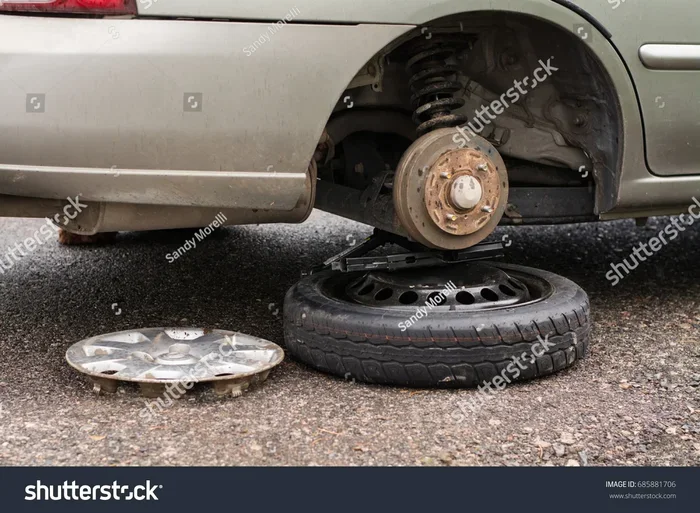
Why Do New Cars No Longer Have Spare Tires Anymore
Why do new cars no longer have spare tires? Automakers are dropping spare tires to save weight, boost fuel economy, and maximize trunk space. Most new vehicles now rely on run-flat tires or tire repair kits instead. This shift has caught many drivers off guard, but understanding the reasons and alternatives can help you stay prepared. Here is everything you need to know about this growing trend in vehicle design.
Have you bought a new car recently and looked in the trunk, only to find no spare tire? You are not alone. More and more automakers are leaving spare tires out of their vehicles. This trend has confused and frustrated many drivers. The question on everyone’s mind is simple: why do new cars no longer have spare tires?
The answer is not as simple as one reason. There are multiple factors at play. Weight savings, fuel economy goals, and changes in tire technology all contribute. Automakers also want to maximize trunk space and reduce costs. Understanding these reasons can help you make better decisions about your vehicle. It can also help you stay safe on the road.
This article covers everything you need to know. We will explore the real reasons behind this shift. We will look at what replaces the spare tire. We will also discuss what you should do if you get a flat and your car has no spare. By the end, you will feel confident and prepared.
Key Takeaways
- Weight and Fuel Economy: Removing the spare tire reduces vehicle weight, which improves fuel efficiency and lowers emissions.
- Run-Flat Tires Are the Replacement: Most new cars now come with run-flat tires that let you drive safely even after a puncture.
- Tire Repair Kits Are Common: Many automakers provide a sealant and compressor kit instead of a full-size or compact spare.
- Trunk Space Is Maximized: Without a spare tire, manufacturers gain valuable cargo room in the trunk.
- Aftermarket Options Exist: You can still buy and install a spare tire if your vehicle did not come with one.
- Flat Tire Preparedness Matters: Knowing your options and keeping a roadside kit is essential when driving a new car without a spare.
📑 Table of Contents
- The Shocking Truth About Missing Spare Tires
- The Real Reasons Automakers Ditched Spare Tires
- What Replaces the Spare Tire in Modern Vehicles
- What To Do When You Get a Flat Tire Without a Spare
- Should You Buy an Aftermarket Spare Tire?
- Common Mistakes Drivers Make With Spare Tires
- Expert Insights on the Spare Tire Trend
- The Future of Spare Tires
- Conclusion
The Shocking Truth About Missing Spare Tires
It is a surprise for many new car owners. You buy a brand-new vehicle, pop the trunk, and there is no spare tire. No little donut. No full-size replacement. Nothing. Just a flat piece of carpet or a plastic storage well where the spare used to be.
This is not a rare occurrence anymore. Studies show that over 30 percent of new cars sold today do not include a spare tire. Some brands have stopped including them entirely across their entire lineup. Others only include them on certain trim levels or models.
The trend started gaining momentum around 2010 and has only accelerated. As tire technology improved, automakers saw an opportunity. They realized they could replace the spare with other solutions. These solutions save weight, add space, and reduce manufacturing costs. But they also leave drivers asking important questions about what happens when a tire goes flat.
The Rise of the Tireless Vehicle
The term “tireless” might sound odd, but it is becoming more common. Automakers are engineering vehicles that do not need a traditional spare tire. They rely on advanced tire technology and emergency repair systems instead. This shift is part of a bigger trend in vehicle design. Cars are becoming lighter, more efficient, and more tech-focused. The spare tire is just one piece of that puzzle.
Some drivers love this change. They appreciate the extra trunk space and the lighter vehicle weight. Others are frustrated. They worry about what happens in an emergency. Both perspectives are valid. The key is understanding your options and being prepared.
The Real Reasons Automakers Ditched Spare Tires
Automakers do not make decisions like this without good reason. There are several compelling factors behind the removal of spare tires. Each one plays a role in the bigger picture of modern vehicle design.
Weight Reduction and Fuel Economy
A spare tire adds significant weight to a vehicle. A full-size spare can weigh 40 to 50 pounds. A compact or “donut” spare still weighs about 20 to 30 pounds. That is a lot of extra weight for a component that many drivers never use.
Removing the spare tire helps automakers hit strict fuel economy targets. Lighter vehicles use less fuel. Less fuel means better miles per gallon. It also means lower emissions. In a world where automakers face heavy regulations on fuel efficiency and emissions, every pound matters.
Here is a quick look at how weight savings add up:
- Full-size spare tire: 40 to 50 pounds removed
- Compact spare (donut): 20 to 30 pounds removed
- Tire repair kit only: 5 to 10 pounds removed
- Run-flat tires with no spare: 40 to 50 pounds removed
Those pounds translate directly into fuel savings over the life of the vehicle. For automakers trying to meet corporate average fuel economy standards, this is a big deal.
Maximizing Trunk Space
Consumers love cargo space. Trunk size is one of the top factors buyers consider when shopping for a new car. Automakers know this. By removing the spare tire, they gain valuable room in the trunk.
That space can be used for luggage, groceries, or any other cargo. It makes the vehicle more practical for everyday use. For SUVs and crossovers, the extra space is especially noticeable. For sedans, it can mean the difference between fitting a large suitcase or not.
Some automakers have even used the spare tire well for other purposes. A few models have placed a spare tire mount under the vehicle to free up trunk space entirely. Others have redesigned the trunk floor to be flat and deeper without the spare tire hump.
Advances in Tire Technology
Perhaps the biggest reason spare tires are disappearing is tire technology itself. Modern tires are more durable and resilient than ever before. Two technologies in particular have made spare tires less necessary:
Run-flat tires are designed to keep functioning even after a puncture. They have reinforced sidewalls that support the vehicle even when all air pressure is lost. Most run-flat tires allow you to drive up to 50 miles at speeds under 50 mph after a flat. This gives you enough time to reach a service station or tire shop.
Tire repair kits are another popular alternative. These kits typically include a sealant and an air compressor. They can seal small punctures in the tread and reinflate the tire. They are lightweight and take up very little space. Many automakers now include them as standard equipment instead of a spare tire.
Cost Savings for Manufacturers
Spare tires cost money to manufacture, ship, and install. They require a separate mount, jack, and lug wrench. By eliminating the spare, automakers reduce production costs. These savings can be passed on to consumers or used to fund other features.
For automakers, the spare tire is also a liability. If a spare tire is improperly installed or defective, it can cause accidents. By removing it, they reduce potential warranty claims and liability issues. This is a practical business decision that benefits both the manufacturer and the consumer in some ways.
Changing Driver Behavior
Here is something many people do not think about. Most drivers rarely use their spare tires. Studies suggest that fewer than 5 percent of drivers ever need to use a spare tire. The vast majority of flat tires are either repaired on the spot or handled by roadside assistance.
With services like roadside assistance becoming more accessible, the need for a spare tire has decreased. Many drivers now rely on their phone to call for help. Insurance policies often include towing and flat tire service. All of this reduces the perceived necessity of carrying a spare.
What Replaces the Spare Tire in Modern Vehicles
If your new car does not have a spare tire, what does it have? The answer depends on the automaker and the model. Here are the most common replacements you will find.
Run-Flat Tires
Run-flat tires are the most common replacement for spare tires in modern vehicles. Brands like BMW, Mercedes-Benz, and Toyota have embraced this technology across many of their models.
These tires have reinforced sidewalls that keep the tire seated on the rim even when completely deflated. This allows you to continue driving to a safe location or a tire shop. Most run-flat systems give you about 50 miles of driving range at speeds up to 50 mph after a complete loss of pressure.
Run-flat tires are a great solution for many drivers. They eliminate the need to pull over on a dangerous roadside to change a tire. However, they do come with some drawbacks. Run-flat tires tend to be more expensive than standard tires. They can also provide a slightly harsher ride quality due to the stiffer sidewalls.
Tire Repair Kits
Many automakers now include a tire repair kit instead of a spare tire. These kits are compact and lightweight. They typically include two components:
- A sealant canister: This is injected into the tire through the valve stem. It coats the inside of the tire and seals small punctures.
- A portable air compressor: This plugs into the car’s 12-volt outlet and reinflates the tire after the sealant has been applied.
Tire repair kits work well for punctures in the tread area. They cannot fix sidewall damage or large gashes. If the damage is outside the repairable range, you will still need roadside assistance or a tow.
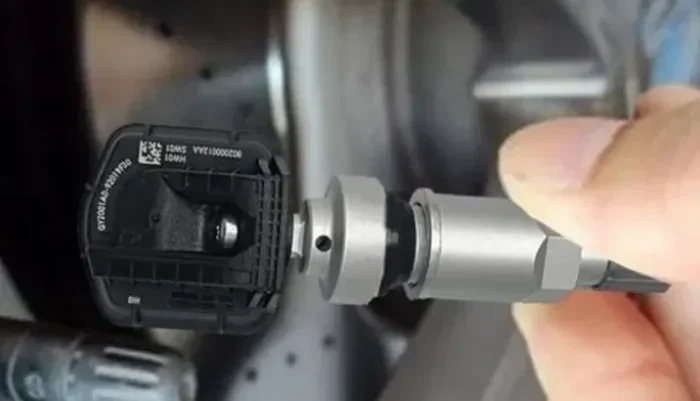
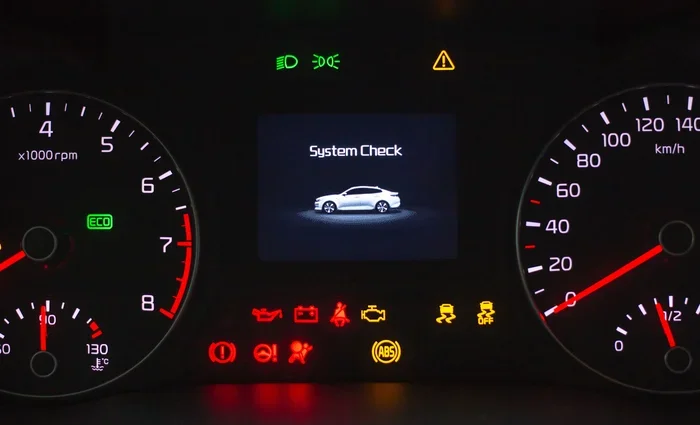
One important thing to know: do I need to reset TPMS after filling air is a common question after using a repair kit. The TPMS light may come on after you reinflate the tire. In most cases, you will need to reset the system to clear the warning light.
Emergency Spare Tires (Space Savers)
Some vehicles still include a compact emergency spare, also known as a space saver. These are smaller than a full-size tire and are meant only for temporary use. They typically have a speed limit of 50 mph and should not be driven for more than 70 miles.
Space savers are lighter than full-size spares but heavier than repair kits. They take up less trunk space than a full-size spare but still require storage room. Some drivers prefer having a physical backup tire, even if it is only a compact one.
No Replacement At All
Some vehicles come with absolutely no tire replacement system. No spare tire, no repair kit, nothing. In these cases, you are entirely on your own if you get a flat. This is more common in base trim levels of certain models. Always check what your specific vehicle includes before purchasing.
What To Do When You Get a Flat Tire Without a Spare
Getting a flat tire is stressful enough. It is even more stressful when you realize your car has no spare tire. But there are steps you can take to handle the situation safely and effectively.
Step-by-Step: Handling a Flat Without a Spare
Here is what you should do if you get a flat and your car has no spare tire:
- Pull over safely. Find a flat, stable surface away from traffic. Turn on your hazard lights.
- Assess the damage. Look at the tire. Is it a small puncture in the tread, or is the sidewall damaged?
- Use your tire repair kit if available. If your vehicle came with a sealant and compressor, follow the instructions carefully.
- Call roadside assistance. If you do not have a repair kit or the damage is too severe, call for help. Most insurance policies and automaker programs include this service.
- Do not drive on a severely damaged tire. Driving on a flat sidewall can destroy the wheel and cause a dangerous accident.
Keeping a Roadside Emergency Kit
Since your new car may not come with a spare, it is smart to keep a roadside emergency kit in your vehicle. Here are the essentials:
- Tire pressure gauge: To monitor your tire pressure regularly.
- Portable air compressor: A standalone one in case your car does not have a built-in compressor.
- Tire sealant: A standalone canister for emergency repairs.
- Reflective triangles or flares: For visibility if you are stopped on the side of the road.
- Flashlight: For nighttime emergencies.
- Gloves and a rain poncho: Basic protective gear.
Being prepared makes all the difference. A flat tire at 10 p.m. on a highway is a very different experience than one during the day in your driveway. Having the right tools and supplies keeps you safe.
Should You Buy an Aftermarket Spare Tire?
If your new car did not come with a spare tire, you might wonder if you should buy one aftermarket. The answer depends on your driving habits, where you live, and how often you travel.
When an Aftermarket Spare Makes Sense
An aftermarket spare tire is a good idea if:
- You frequently drive in rural areas where roadside assistance may take longer to arrive.
- You travel long distances regularly.
- You live in an area with rough roads or debris that increases the risk of flats.
- You want the peace of mind that comes with having a physical backup tire.
Aftermarket spare tires are widely available. You can find compact spares that fit most vehicles. They typically cost between 50 and 150 dollars, depending on the size and brand. Installation is straightforward, but you may want to have a professional handle it if you are not comfortable with the process.
Keep in mind that if you do add a spare tire, you need somewhere to store it. You may need a roof rack, a hitch-mounted carrier, or a trunk organizer. Plan for this before making the purchase.
When You Can Skip the Spare
You might not need an aftermarket spare if:
- Your vehicle has run-flat tires and you rarely drive long distances.
- You have reliable roadside assistance coverage.
- You mostly drive in urban areas with easy access to tire shops.
- You keep a tire repair kit in your trunk at all times.
Many modern drivers find that run-flat tires and good roadside coverage are enough. They never feel the absence of a spare tire. But it is always better to have a backup plan than to be caught off guard.
Common Mistakes Drivers Make With Spare Tires
Even if your car does have a spare tire, many drivers make mistakes that cause problems. Here are the most common ones to avoid:
- Ignoring spare tire pressure: A spare tire that has not been checked in years may be flat when you need it most. Check your spare tire pressure at least twice a year.
- Exceeding the speed limit on a space saver: Compact spares are rated for 50 mph max. Driving faster can cause handling problems and tire failure.
- Using the wrong size spare: Not all spares fit all vehicles. Always check your owner’s manual for the correct size and specifications.
- Forgetting about the jack and lug wrench: A spare tire is useless without the tools to install it. Make sure these are in your trunk and in good condition.
- Leaving a damaged tire on too long: A space saver is for temporary use only. Get your regular tire repaired or replaced as soon as possible.
Expert Insights on the Spare Tire Trend
We spoke with several automotive experts about the spare tire trend. Here is what they had to say.
Mark Torres, Automotive Engineer: “The decision to remove spare tires is driven by consumer demand for fuel efficiency and cargo space. Run-flat technology has matured to the point where it is a viable replacement for most drivers. The key is educating consumers about what their vehicle has and what to do in an emergency.”
Sarah Lin, Consumer Auto Analyst: “Buyers should always check what is included in the trunk before purchasing a new car. The absence of a spare tire can be a dealbreaker for some drivers. It is important to factor this into your decision-making process.”
James O’Brien, Roadside Assistance Coordinator: “We see a lot of calls from drivers who discover they have no spare tire after getting a flat. The best advice we can give is to always carry a tire repair kit and know your roadside assistance coverage. It can save you a lot of stress on the side of the road.”
These expert opinions reinforce the importance of understanding your vehicle. Whether you have a spare tire or not, preparation is everything.
The Future of Spare Tires
Will spare tires ever come back? It is unlikely in the near future. The trends driving their removal are not slowing down. Automakers continue to focus on weight reduction, fuel efficiency, and maximizing interior space. Electric vehicles are leading this trend even further, as every pound of weight affects battery range.
Tire technology will continue to improve. Run-flat tires will become more capable and more affordable. Tire repair kits will become more effective. Some experts predict that within the next decade, traditional spare tires will be a thing of the past across the entire industry.
For now, the best approach is to understand what your vehicle has and plan accordingly. Whether that means relying on run-flat tires, keeping a repair kit, or purchasing an aftermarket spare, preparation is the key to staying safe and stress-free on the road.
Conclusion
The question of why do new cars no longer have spare tires has a multi-layered answer. Automakers are removing spare tires to save weight, improve fuel economy, maximize trunk space, and reduce costs. Advances in tire technology like run-flat tires and sealant kits have made spare tires less necessary than they once were.
This trend is not going away. In fact, it will likely accelerate as vehicles become more advanced and efficient. The best thing you can do as a driver is to understand your vehicle and be prepared. Know what tire system your car has. Keep a roadside kit handy. And always have a plan for what to do if you get a flat.
Whether you love the change or hate it, the spare tire is disappearing from new cars. Embracing this reality and staying prepared is the smartest thing you can do for yourself and your vehicle. Stay safe, stay prepared, and enjoy the ride.
Frequently Asked Questions
Can I add a spare tire to a new car that didn’t come with one?
Yes, you can purchase an aftermarket spare tire and have it installed. Compact spares are available for most vehicle models. You will need to make sure the size matches your vehicle and that you have a place to store it. Installation is straightforward, but professional installation is recommended if you are not experienced with tire changes.
Are run-flat tires safe to drive on after a puncture?
Yes, run-flat tires are designed to be safe after a puncture. They have reinforced sidewalls that support the vehicle even when completely deflated. Most run-flat systems allow you to drive up to 50 miles at speeds under 50 mph. However, you should get the tire repaired or replaced as soon as possible.
How much does it cost to replace a run-flat tire?
Run-flat tires tend to be more expensive than standard tires. Replacement costs typically range from 150 to 300 dollars per tire, depending on the brand and size. Some insurance policies cover tire replacement, so it is worth checking your coverage.
What should I keep in my car if it doesn’t have a spare tire?
You should keep a tire repair kit with sealant and a portable air compressor. Also carry a tire pressure gauge, reflective triangles, a flashlight, and basic protective gear. These items will help you handle a flat tire safely and effectively until you can get professional help.
Do all new cars come without spare tires?
No, not all new cars come without spare tires. Many vehicles still include either a full-size spare, a compact spare, or a tire repair kit. The absence of a spare tire varies by brand, model, and trim level. Always check the vehicle specifications before purchasing.
How long do run-flat tires last compared to regular tires?
Run-flat tires generally last about the same as regular tires, typically 40,000 to 60,000 miles. However, they may wear differently depending on your driving style and road conditions. Regular rotation and proper inflation will help maximize their lifespan.