Watch for These Symptoms of Incorrect Ignition Timing
Incorrect ignition timing can cause serious engine problems if left unchecked. The most common symptoms include engine misfires, rough idle, poor acceleration, and decreased fuel economy. Recognizing these signs early helps you avoid expensive repairs and keeps your car running smoothly.
This is a comprehensive guide about What Are the Symptoms of Incorrect Ignition Timing?.
Key Takeaways
- Engine misfires and stumbling are the most noticeable symptoms of incorrect ignition timing.
- Poor fuel economy often signals that your spark plugs are firing at the wrong time.
- Rough idle and engine stalling should never be ignored, as they point to timing issues.
- Knocking or pinging noises from the engine bay are red flags for advanced timing problems.
- Regular maintenance of your ignition system helps prevent timing-related damage.
- Check engine light and diagnostic codes can reveal hidden timing faults early.
- Fixing ignition timing early saves you from costly engine repairs down the road.
[FEATURED_IMAGE_PLACEHOLDER]
What Is Ignition Timing and Why Does It Matter?
Ignition timing is the exact moment your spark plugs fire inside the engine cylinders. It controls when the air-fuel mixture ignites during the compression stroke. When everything works right, the spark happens at the perfect moment for maximum power and efficiency.
But when that timing gets off, even by a few degrees, your engine suffers. Think of it like a dance. If one partner steps too early or too late, the whole routine falls apart. The same thing happens inside your engine when incorrect ignition timing kicks in.
Modern cars use computerized systems to control ignition timing. Sensors tell the engine control unit (ECU) exactly when to fire the spark. But older vehicles used distributors and mechanical adjustments. Either way, timing matters a lot. Even a slight deviation can cause noticeable problems.
So why should you care? Because symptoms of incorrect ignition timing can range from minor performance drops to serious engine damage. Catching the problem early saves you money, time, and a whole lot of headaches.
Common Symptoms of Incorrect Ignition Timing
Your car will tell you when something is wrong with the ignition timing. You just need to know what to listen for and watch out for. Here are the most common symptoms that drivers notice first.
Engine Misfires and Stumbling
An engine misfire is one of the clearest signs that your timing is off. You might feel a jerking sensation when accelerating. The engine may stumble or hesitate, especially under load. This happens because the spark fires too early or too late, causing incomplete combustion.
Misfires can affect one cylinder or multiple cylinders. You might notice the problem more at certain speeds or under specific driving conditions. For example, misfires often get worse when you climb hills or carry heavy loads. If you experience this, it is worth checking your ignition system right away.
Rough Idle and Engine Stalling
Does your car shake or vibrate when sitting at a stoplight? A rough idle is another classic symptom of incorrect ignition timing. The engine runs unevenly because the combustion cycle is out of sync. You might also notice the RPMs fluctuating without you touching the gas pedal.
In worse cases, the engine may stall completely. This happens when the timing is so far off that the cylinders cannot sustain combustion. If your car stalls at idle or while driving, do not ignore it. Stalling can also be caused by other issues, but timing problems are a common culprit.
Poor Acceleration and Power Loss
When your ignition timing is off, your engine cannot produce power efficiently. You might feel a delay when you press the gas pedal. The car feels sluggish, especially during highway merging or quick passes. This lack of responsiveness is frustrating and dangerous.
Power loss happens because the air-fuel mixture either ignites too soon or too late. Early ignition causes the engine to fight against itself. Late ignition means the combustion happens when the piston is already moving downward. Either way, you lose the energy that should be pushing the pistons down.
Decreased Fuel Economy
Are you filling up the gas tank more often than usual? Poor fuel economy is a telltale sign of ignition timing problems. When the spark fires at the wrong time, the engine burns fuel inefficiently. You get fewer miles per gallon, and your wallet feels the impact.
Many drivers do not notice the gradual decline in fuel economy. But over time, the difference becomes obvious. If you are visiting the gas station more frequently without changing your driving habits, your ignition timing might be to blame. This is especially true if you also notice other symptoms on this list.
Engine Knocking and Pinging
Engine knocking or pinging is one of the most concerning symptoms. You will hear a metallic rattling or tapping sound coming from the engine. This noise happens when the air-fuel mixture ignites prematurely or unevenly. It is the sound of combustion happening at the wrong moment.
Knocking is not just annoying. It can cause serious engine damage over time. The pressure waves from premature ignition can damage pistons, connecting rods, and bearings. If you hear persistent knocking, get your car inspected immediately. Ignoring this symptom can lead to engine failure.
Check Engine Light and Diagnostic Codes
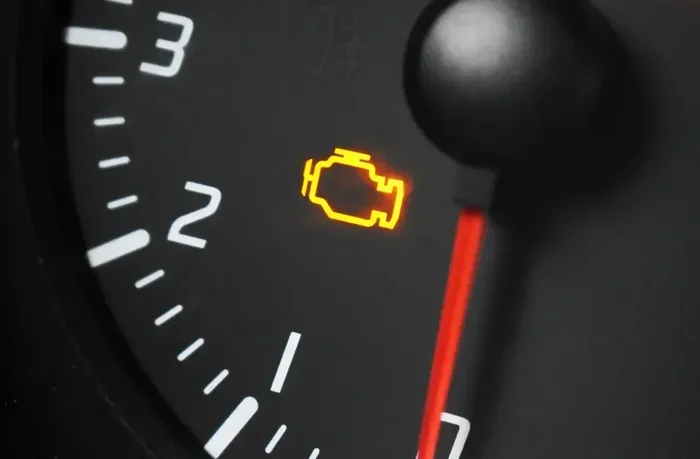
Your car’s check engine light is designed to alert you to problems. Incorrect ignition timing can trigger this warning. The onboard diagnostic system detects misfires and combustion irregularities through sensors. When it finds something wrong, it stores a code and lights up the dashboard.
Common diagnostic codes related to timing issues include P0300 (random misfire), P0301-P0308 (cylinder-specific misfires), and P0340 (camshaft position sensor). You can use an OBD-II scanner to read these codes yourself. However, a professional mechanic can provide a more thorough diagnosis. If the check engine light comes on, do not delay getting it checked.
What Causes Incorrect Ignition Timing?
Understanding the symptoms is only half the battle. Knowing what causes incorrect ignition timing helps you prevent the problem in the first place. Several factors can throw off your engine’s timing.
Worn or Damaged Timing Components
The timing belt or timing chain connects the crankshaft to the camshaft. Over time, these components wear out. A stretched timing chain or a cracked timing belt can cause the camshaft and crankshaft to fall out of sync. This directly affects when the spark plugs fire.
Regular maintenance is essential here. Most manufacturers recommend replacing the timing belt at specific mileage intervals. Check your owner’s manual for the recommended schedule. Ignoring this maintenance item can lead to catastrophic engine failure.
Faulty Ignition Coil or Spark Plugs
The ignition coil generates the electrical spark that ignites the air-fuel mixture. When a coil fails, the spark may be weak or mistimed. Worn spark plugs can also cause firing inconsistencies. Old spark plugs with excessive gap or carbon buildup deliver unreliable sparks.
Replacing spark plugs and ignition coils on schedule is one of the easiest ways to maintain proper timing. Quality spark plugs ensure a strong, consistent spark every time. If you notice any spark-related symptoms, inspect these components first.
Sensor Malfunctions
Modern engines rely on many sensors to control ignition timing. The crankshaft position sensor, camshaft position sensor, and knock sensor all play a role. When any of these sensors fail or send incorrect data, the ECU adjusts timing based on wrong information.
Sensor failures can happen due to age, heat damage, or electrical issues. A faulty crankshaft sensor, for example, can cause the engine to run with completely wrong timing. Diagnosing sensor problems requires professional equipment, but the fix is often straightforward once identified.
ECU Software or Wiring Issues
Sometimes the problem lies in the electronic control unit itself. Software glitches, corrupted data, or damaged wiring harnesses can send incorrect signals to the ignition system. Water damage, rodent bites, or general wear and tear can affect the wiring.
These issues are less common but still worth considering. If you have ruled out mechanical causes, an electrical problem might be the answer. A qualified technician can trace wiring issues and update ECU software if needed.
Improper Previous Repairs
Did someone recently work on your engine? Incorrect timing during a repair job is a surprisingly common cause of timing problems. If the timing belt or chain was installed incorrectly, or if the distributor was set wrong, your engine will run poorly.
This is why it is important to trust your car to qualified professionals. After any major engine work, have the timing verified. A simple check can save you from weeks of driving with a misaligned engine.
How Mechanics Diagnose Ignition Timing Problems
If you suspect your ignition timing is off, a mechanic will follow a systematic diagnostic process. Understanding this process helps you know what to expect and why each step matters.
Visual Inspection
The first step is always a visual inspection. The mechanic looks for obvious signs of wear, damage, or looseness in the timing components. They check the timing belt or chain for cracks, the tensioner for proper function, and the gears for wear patterns. This quick inspection often reveals the problem immediately.
Timing Light Test
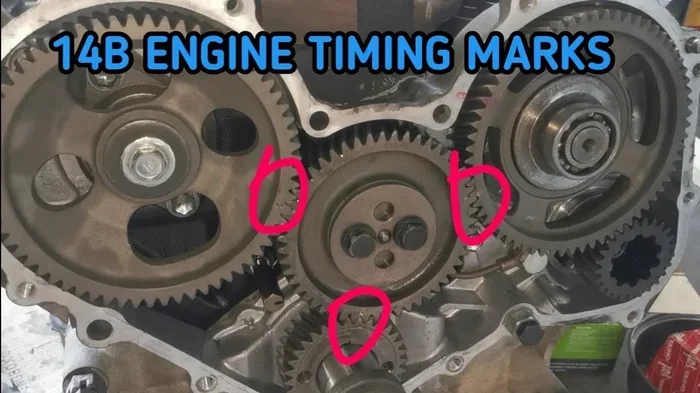
A timing light is a specialized tool that lets the mechanic see exactly when the spark plugs fire. They connect it to the ignition system and aim it at the timing marks on the crankshaft pulley. The flashing light reveals whether the spark occurs at the correct moment in the engine cycle.
This test is the gold standard for checking ignition timing. It is simple, effective, and gives real-time results. If the timing mark is off by even a few degrees, the mechanic knows exactly what needs adjustment.
Scan Tool Diagnostics
Modern vehicles store detailed data in their onboard computers. A scan tool connects to the OBD-II port and reads this data. The mechanic can see real-time sensor readings, ignition timing values, and any stored error codes. This electronic diagnosis is fast and highly accurate.
Scan tools can also show live data streams, which help identify intermittent timing issues. Some problems only show up under specific conditions, like high RPMs or cold starts. The scan tool captures this data, making it easier to pinpoint the root cause.
Compression and Leak-Down Tests
In some cases, the mechanic needs to check the engine’s internal health. A compression test measures how well each cylinder seals during combustion. A leak-down test checks for air escaping past the piston rings or valves.
These tests help determine if incorrect timing has already caused internal damage. If the timing problem went unnoticed for a long time, the engine may have worn components. These tests provide a complete picture of the situation.
Can You Drive With Incorrect Ignition Timing?
The short answer is yes, but you should not. Driving with incorrect ignition timing is risky and can make the problem worse. Your engine is designed to run within a very specific timing window. When that window is violated, several things can go wrong.
In the short term, you might notice reduced power, poor fuel economy, and rough running. These symptoms affect your driving experience but are not immediately dangerous. However, continued driving with bad timing can lead to serious engine damage.
Severe timing issues can cause the pistons to collide with the valves. This is called valve interference, and it can bend or break valves, damage pistons, and destroy the engine. Repairing this kind of damage is expensive and sometimes requires a full engine replacement.
Some drivers wonder if they can still drive safely with a timing issue. The answer depends on the severity. Mild timing drift might just reduce performance. But if you experience engine stalling, severe knocking, or complete power loss, pull over safely and seek help. For more information on driving with engine issues, check out our guide on can you drive a Prius without the hybrid battery, which discusses similar concerns about driving with compromised systems.
If you are experiencing any engine problems and want to understand how other factors affect engine performance, our article on does turning on the heater cool the engine provides helpful insights into how different systems interact with your engine’s overall health.
How to Prevent Ignition Timing Problems
Prevention is always better than repair. Keeping your ignition timing in good shape requires regular maintenance and smart driving habits. Here are the best ways to protect your engine from timing-related issues.
Follow the Maintenance Schedule
Your vehicle’s owner manual contains a detailed maintenance schedule. Stick to it. Replace the timing belt or chain at the recommended intervals. Change spark plugs on schedule. Inspect ignition coils and wires regularly. These simple steps go a long way toward preventing timing problems.
Many drivers ignore the maintenance schedule until something goes wrong. Do not be one of them. Preventive maintenance costs a fraction of what engine repairs cost. Set reminders on your phone or keep a log in your glove box. Staying on top of maintenance keeps your engine running right.
Use Quality Parts
When replacing ignition components, choose quality parts. Cheap spark plugs or generic ignition coils may seem like a good deal, but they often wear out faster and perform poorly. OEM parts or reputable aftermarket brands provide consistent performance and reliability.
Investing in quality parts pays off over time. You get fewer breakdowns, better fuel economy, and a longer engine life. It is one of those areas where cutting corners does not make sense. Your engine deserves the best.
Address Warning Signs Promptly
Do not wait for a small problem to become a big one. If you notice any symptoms of incorrect ignition timing, get your car checked right away. Early detection makes repairs simpler and cheaper. A quick adjustment today can prevent a major engine rebuild tomorrow.
Pay attention to how your car normally sounds and feels. You will notice changes more quickly if you know what is normal for your vehicle. Trust your instincts. If something feels off, it probably is.
Keep Your Engine Clean and Cool
Heat and contamination are enemies of the ignition system. Keep your engine bay clean and free of debris. Make sure your cooling system works properly. Overheating can damage timing components, sensors, and ignition coils. A well-maintained cooling system protects your entire engine.
Regular oil changes also play a role. Clean oil lubricates moving parts and helps regulate engine temperature. If you want to learn more about maintaining your engine’s overall health, our article on are Toyota Camry reliable covers how proper maintenance contributes to long engine life across many vehicle brands.
How Does Ignition Timing Affect Overall Engine Health?
Ignition timing is connected to almost every system in your engine. When timing is correct, everything works in harmony. When it is off, the effects ripple through multiple components. Understanding these connections helps you appreciate why timing maintenance matters so much.
The combustion process is at the heart of your engine’s operation. Fuel and air enter the cylinder, the piston compresses the mixture, the spark plug ignites it, and the expanding gases push the piston down. This cycle repeats thousands of times per minute. Every step must happen at exactly the right moment.
When ignition timing is off, the combustion pressure peaks at the wrong time. This puts extra stress on the pistons, connecting rods, and crankshaft. Over time, this stress causes premature wear. Bearings degrade, seals leak, and metal fatigue sets in faster than normal.
The exhaust system is also affected. Incorrect timing changes when and how exhaust gases exit the cylinder. This impacts the catalytic converter, oxygen sensors, and muffler. A poorly timed engine produces more harmful emissions and may fail emissions testing.
Even your fuel system feels the effects. When combustion is inefficient, unburned fuel passes into the exhaust. This wastes gasoline and can contaminate the oxygen sensors. The fuel injectors may also work harder to compensate, leading to premature wear. For a deeper look at how engine systems interact, our article on does low engine oil show on the dashboard explores how dashboard warnings can signal deeper engine issues.
Key Takeaways
- Engine misfires and stumbling are the most noticeable symptoms of incorrect ignition timing.
- Poor fuel economy often signals that your spark plugs are firing at the wrong time.
- Rough idle and engine stalling should never be ignored, as they point to timing issues.
- Knocking or pinging noises from the engine bay are red flags for advanced timing problems.
- Regular maintenance of your ignition system helps prevent timing-related damage.
- Check engine light and diagnostic codes can reveal hidden timing faults early.
- Fixing ignition timing early saves you from costly engine repairs down the road.
Conclusion
Ignition timing is one of the most critical aspects of engine performance. When it is correct, your car runs smoothly, efficiently, and powerfully. When it is off, even slightly, your engine suffers in multiple ways. The symptoms of incorrect ignition timing are your car’s way of telling you something needs attention.
From engine misfires and rough idle to decreased fuel economy and engine knocking, these signs should never be ignored. Each symptom points to a timing issue that, if left unaddressed, can escalate into serious and expensive engine damage.
The good news is that most timing problems are preventable. Regular maintenance, quality parts, and prompt attention to warning signs keep your ignition system working correctly. Stay proactive with your car’s care, and your engine will reward you with years of reliable service.
If you ever suspect your ignition timing is off, do not wait. Visit a trusted mechanic, run a diagnostic check, and get the problem fixed quickly. Your engine is the heart of your vehicle, and proper ignition timing keeps that heart beating strong.
Frequently Asked Questions
What happens if ignition timing is too advanced?
When ignition timing is too advanced, the spark plug fires too early in the combustion cycle. This causes the engine to produce less power and can lead to engine knocking or pinging. In severe cases, advanced timing can cause engine damage because the combustion pressure peaks before the piston reaches the optimal position.
Can bad spark plugs cause incorrect ignition timing?
Yes, worn or fouled spark plugs can contribute to ignition timing problems. Old spark plugs may produce weak or inconsistent sparks, which affects combustion timing. Replacing spark plugs regularly is one of the simplest ways to maintain proper ignition timing and engine performance.
How much does it cost to fix ignition timing?
The cost varies depending on the vehicle and the severity of the problem. Simple timing adjustments may cost between $50 and $200. More complex repairs involving timing belt or chain replacement can range from $500 to $2,000 or more. Getting the problem diagnosed early keeps costs lower.
Can incorrect ignition timing damage the catalytic converter?
Yes, incorrect ignition timing can damage the catalytic converter. When combustion is inefficient, unburned fuel enters the exhaust system. This excess fuel overheats the catalytic converter, which can melt or clog the internal components. A damaged catalytic converter is an expensive repair that can be avoided with timely timing fixes.
Does ignition timing affect fuel economy?
Absolutely. Incorrect ignition timing significantly affects fuel economy. When the spark fires at the wrong time, the engine burns fuel less efficiently. You may notice a noticeable drop in miles per gallon. Correcting the timing often restores fuel economy to normal levels.
How often should ignition timing be checked?
There is no set interval for checking ignition timing on modern vehicles. The ECU adjusts timing automatically in most cases. However, you should have the timing checked during major service intervals or whenever you notice symptoms like misfires, rough idle, or poor acceleration. Following your vehicle’s maintenance schedule is the best approach.
Frequently Asked Questions
What is What Are the Symptoms of Incorrect Ignition Timing??
What Are the Symptoms of Incorrect Ignition Timing? is an important topic with many practical applications.